
Main Courses
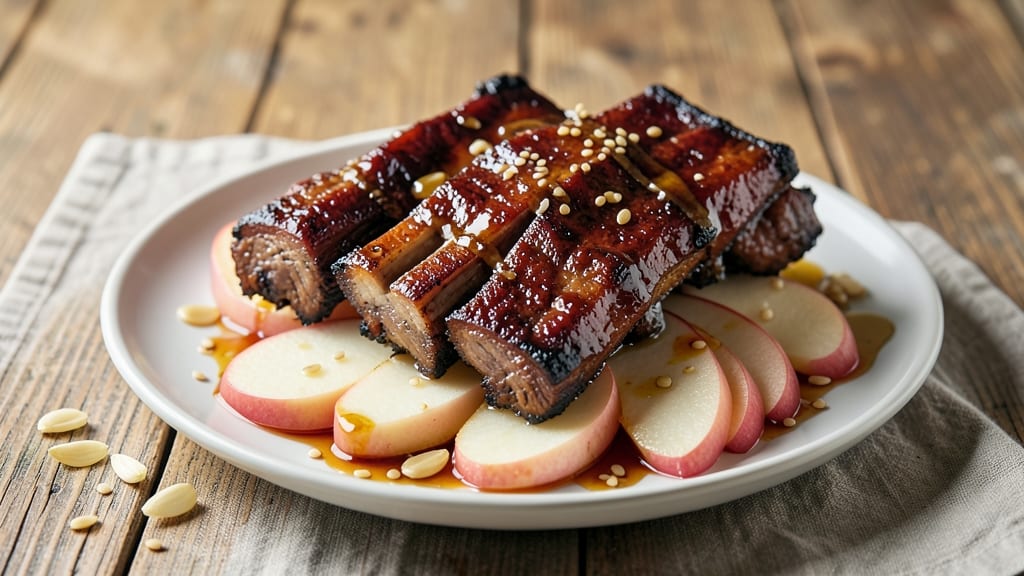
This Korean beef back ribs recipe delivers restaurant-quality flavor with a smoky-sweet glaze that clings to every tender bite. 🔥 The secret lies in a marinade inspired by traditional galbi techniques, where soy sauce, gochujang, and pear combine to create a perfect balance of savory, spicy, and sweet.
After perfecting this over countless weekend grilling sessions, I can confidently say these ribs are impossible to resist.
The process begins with a 3-day marinade that transforms tough back ribs into melt-in-your-mouth perfection. We'll use a mix of Korean pantry staples—like sesame oil and garlic—to build deep flavor, then finish with a quick grill or oven sear for that coveted caramelized crust.
The glaze, made with a touch of honey and brown sugar, caramelizes beautifully while keeping the meat juicy.
What makes this recipe special is the harmony of textures and flavors: crispy edges, tender meat, and a glaze that's sticky yet not overpowering. The ribs pair beautifully with steamed rice, quick-pickled vegetables, or a side of kimchi to complete the Korean-inspired meal.
Every bite delivers that perfect balance of smoky, sweet, and umami that defines great Korean BBQ.
Ready in about 3 hours (including marinating time), these ribs are perfect for weekend gatherings or special dinners. The technique is straightforward, but the results are anything but basic—this is the kind of dish that makes your home smell like a Korean BBQ joint.
Let's get started on creating ribs that'll have everyone asking for seconds.
Ingredients for beef back ribs recipe korean
These Korean-inspired ingredients transform tough ribs into melt-in-your-mouth perfection with smoky-sweet magic.
| Ingredient | Amount | Notes |
|---|---|---|
| Beef Back Ribs 🥩 | 4 lb | Bone-in, meaty sections preferred |
| Korean Soy Sauce 🥄 | ½ cup | Ganjang brand preferred |
| Gochujang 🌶️ | ¼ cup | Fermented chili paste |
| Asian Pear (or Fuji Apple) 🍐 | 1 medium | Substitute with apple if unavailable |
| Sesame Oil 🫒 | 2 tbsp | Toasted sesame oil preferred |
| Garlic Cloves 🧄 | 8 cloves | Freshly minced for optimal flavor |
| Ginger Root 🌿 | 2 tbsp | Freshly grated, skin removed |
| Brown Sugar 🍯 | ½ cup | Packed for accurate measurement |
| Honey 🍯 | 2 tbsp | Wildflower preferred |
| Rice Vinegar 🍶 | 2 tbsp | Seasoned preferred |
| Asian Pear (or Apple) Juice 🍹 | ½ cup | From blended fruit |
| Sesame Seeds 🌱 | 2 tbsp | Toasted for garnish |
| Green Onions 🧅 | 4 whole | Thinly sliced for garnish |
| Diamond Crystal Kosher Salt 🧂 | 1 ½ tsp | For seasoning |
| Ground Black Pepper 🌶️ | 1 tsp | Freshly cracked |
The ribs are the star—look for meaty sections with good marbling at your butcher or grocery store's meat counter. Costco or Whole Foods often carry high-quality back ribs, but any well-marbled cut works. The Asian pear (or apple) is non-negotiable for that signature sweetness—Fuji apples are the perfect substitute if pears are unavailable. For gochujang, Maesil Gochujang is my go-to brand, but any quality fermented chili paste will do. Fresh ginger and garlic should be bright and aromatic—if they smell dull, they've lost their punch. Toast your sesame seeds in a dry pan for 30 seconds before using for maximum flavor (trust me on this).
No Asian pear? Fuji or Honeycrisp apples work perfectly—they hold up well in the marinade. Short on gochujang? Mix 1 tbsp sriracha with 1 tbsp honey as a pinch-hitter, but the fermented depth is worth seeking out. The sesame oil is where the magic happens—don't use cooking oil as a substitute, or you'll miss that nutty aroma. For the glaze, if you're avoiding honey, agave nectar at a 1:1 ratio keeps things vegan-friendly. The rice vinegar adds brightness, so if you only have white vinegar, reduce by half to avoid overpowering the dish.
Marinate the ribs for at least 3 days in the fridge—this is where the transformation happens. The glaze can be made 2 days ahead and stored in the fridge, though it thickens as it sits. Ribs reheat beautifully—350°F oven for 20 minutes with a splash of water keeps them juicy. Leftovers? 4 days max in the fridge, or freeze for 3 months for future BBQ emergencies. The glaze freezes well too—just thaw and reheat gently.
Why You'll Love This Recipe
- Here’s what sold me: the Asian pear (or apple) softens into the sauce, cutting the gochujang’s kick with natural sweetness. That crispy rib edge? Chef’s kiss. It’s the kind of dish where every bite has a little ooh and ahh.
- I’ll be real: beef ribs aren’t cheap, but this recipe stretches them. The sauce is cheap to make (just a splash of soy, a spoon of gochujang), and the pear/apple adds freshness without breaking the bank. Feeds four, costs less than takeout.
Step-by-step instructions for Korean beef back ribs
Here's how to transform tough ribs into melt-in-your-mouth perfection with that addictive sweet-spicy glaze.
🔥 Step 1: Prepare the Ribs for Maximum Flavor
Pat the 4 lb beef back ribs completely dry with paper towels—this ensures a better sear and helps the marinade penetrate. In a large bowl, combine the 0.5 cup Korean soy sauce, 0.25 cup gochujang, 0.5 cup brown sugar, 2 tbsp honey, 2 tbsp rice vinegar, 0.5 cup Asian pear juice, 2 tbsp sesame oil, 8 cloves minced garlic, 2 tbsp grated ginger, 1.5 tsp Diamond Crystal kosher salt, and 1 tsp ground black pepper. Mix until fully combined.
Place the ribs in a resealable plastic bag and pour the marinade over them, making sure every surface is coated. Seal the bag and massage the marinade into the meat, working it into the crevices. Refrigerate for at least 4 hours (overnight is even better)—this long marinating time breaks down the connective tissue and infuses the ribs with deep, complex flavors.
🍳 Step 2: Sear the Ribs for Depth of Flavor
Preheat your oven to 300°F. Remove the ribs from the marinade (reserve the marinade for basting) and place them bone-side down in a large oven-safe skillet. Heat the skillet over medium-high heat until hot, then add the ribs and sear for 5 minutes per side until deeply browned and caramelized. This step creates a flavorful crust that locks in juices during cooking.
Transfer the skillet to the preheated oven and pour the reserved marinade over the ribs. Cover tightly with foil and roast for 2 hours. Here's the thing—don't peek! Every time you open the oven, you lose heat and moisture. The ribs will develop a beautiful bark and tenderize beautifully during this slow cook.
🥘 Step 3: Build the Glazing Sauce
After 2 hours, remove the ribs from the oven and increase the temperature to 400°F. In a small saucepan, combine the 1 medium Asian pear (or Fuji apple), cut into chunks, with 2 tbsp sesame oil and 2 tbsp rice vinegar. Simmer over medium heat for 5-7 minutes until the fruit breaks down and the mixture thickens slightly into a glossy sauce. Strain through a fine-mesh sieve to remove any large pieces, reserving the puree.
Return the ribs to the skillet, bone-side down, and spread the pear sauce evenly over the top. Return to the oven and roast uncovered for 15-20 minutes until the sauce caramelizes and forms a sticky, glossy glaze. The ribs should be fork-tender with a deep mahogany color—this is your signal they're done. The glaze should be thick enough to coat the back of a spoon.
🔪 Step 4: Rest and Garnish for Presentation
Remove the ribs from the oven and let them rest for 10 minutes on a cutting board. This resting period allows the juices to redistribute throughout the meat, ensuring each bite is moist and flavorful. While they rest, thinly slice the 4 whole green onions and toast the 2 tbsp sesame seeds in a dry skillet over medium heat for 1-2 minutes until fragrant and golden.
Slice the ribs between the bones into individual servings. Arrange on a platter and drizzle with any remaining glaze from the skillet. Sprinkle with the toasted sesame seeds and sliced green onions for a beautiful finish. Serve immediately with steamed rice to soak up that incredible glaze—every bite will be tender, smoky, and perfectly balanced between sweet and spicy.
Pro Tips For Making Beef Back Ribs Recipe Korean
- Trim the Fat First: Cut off the thick silver skin and excess fat from the bones before cooking—it melts unevenly and makes the ribs greasy. I used to skip this, and the sauce would just sit on top like a sad, oily puddle instead of soaking in.
- Cook the Pear Down: Simmer the Asian pear (or apple) in the sauce until it’s almost mushy—about 10 minutes—so it breaks down and thickens the glaze. Raw chunks make the sauce watery, and nobody wants a soggy rib bath.
- Don’t Rush the Gochujang: Bloom the gochujang in a cold pan with sesame oil for 2 minutes before adding heat—it mellows the burn and lets the spices sing. I learned this the hard way when my first batch tasted like a spicy brick.
- Rest Before Slicing: Let the ribs sit under foil for 5-10 minutes after cooking—they’ll hold their shape better and the sauce will redistribute. Cutting them fresh out of the pan turns them into a sad, crumbly mess. (Yes, even if you’re impatient like me.)
Troubleshooting your beef back ribs recipe korean
Ribs Too Tough?
If your ribs feel chewy instead of tender, you likely didn't marinate long enough. The 3-day minimum is crucial for breaking down connective tissue—skip this and you'll end up with rubbery meat. I've learned the hard way that 48 hours is the absolute minimum; 72 hours is ideal.
Also, check your oven temperature—if it's below 300°F, the ribs won't cook evenly. Use an oven thermometer to verify accuracy. 🔥
Glaze Not Sticky?
The glaze should coat the back of a spoon when done. If it's too thin, you likely didn't reduce the pear sauce enough. Simmer it 5-7 minutes longer—the natural pectin in the fruit needs time to thicken.
For extra stickiness, add 1 tsp cornstarch mixed with 1 tbsp water to the sauce during the last 2 minutes of simmering. Stir constantly to avoid lumps.
Uneven Cooking?
Ribs cook at different rates depending on their size and fat content. If some pieces are raw while others are overcooked, try this: After the initial 2-hour slow cook, check the temperature of the thickest section with a meat thermometer—it should read 195-203°F.
If there's a big variation, wrap the undercooked sections in double-layered foil and return them to the oven for 30 minutes while the others finish uncovered.
Marinade Too Strong?
The gochujang and soy sauce combo can be intense if not balanced. If your marinade tastes overwhelmingly spicy or salty, reduce the gochujang to 2 tbsp and add 1 tbsp honey to mellow the heat.
For saltiness, dilute with 2 tbsp extra Asian pear juice. Remember, you can always add more sweetness or acidity later, but you can't take away excess salt or spice.
Ribs Drying Out?
Overcooking is the #1 cause of dry ribs. Once they reach 195°F, they're done—don't let them linger! If you're worried about doneness, remove them when they hit 190°F and let them rest. The residual heat will carry them to perfection.
Also, never skip the 10-minute rest** before slicing—this crucial step lets juices redistribute. I've seen people rush this and end up with disappointing results every time. 💫
Nutrition facts
Frequently asked questions
Can I use regular apples instead of Asian pears in this recipe? Yes, you can substitute Fuji or Honeycrisp apples for Asian pears—they work beautifully and provide the same natural sweetness and acidity. Just
How do I adjust the spice level for sensitive eaters?
To reduce heat, cut the gochujang in half (2 tbsp) and add 1 tbsp extra honey to balance the marinade. For the glaze, skip the gochujang entirely and use 1 tbsp mild sriracha instead. The sweetness from the pear/apple and brown sugar will keep the dish flavorful without overwhelming spice.
Can I grill these ribs instead of using the oven?
After searing the ribs in a skillet, transfer them to a grill preheated to medium-high heat (375°F). Cook for 1.5 hours, then move to indirect heat and baste with reserved marinade. For the glaze, brush it on during the last 15 minutes of cooking. The smoky flavor from the grill will complement the sweet-spicy glaze perfectly!
What's the best way to reheat leftover ribs?
Wrap ribs tightly in foil with a splash of water and reheat in a 350°F oven for 20-25 minutes. For extra crispiness, broil for 2-3 minutes at the end. Avoid microwaving—it dries out the meat. If reheating from frozen, add 10-15 extra minutes to ensure even cooking.
How do I make this recipe gluten-free?
Replace the Korean soy sauce with tamari or coconut aminos (use 0.5 cup). Check your gochujang label—most brands contain wheat. For a wheat-free alternative, make a simple glaze using 2 tbsp honey, 1 tbsp rice vinegar, and 1 tbsp sesame oil instead of the pear sauce. The flavor will still be rich and delicious!