
Soups & Stews
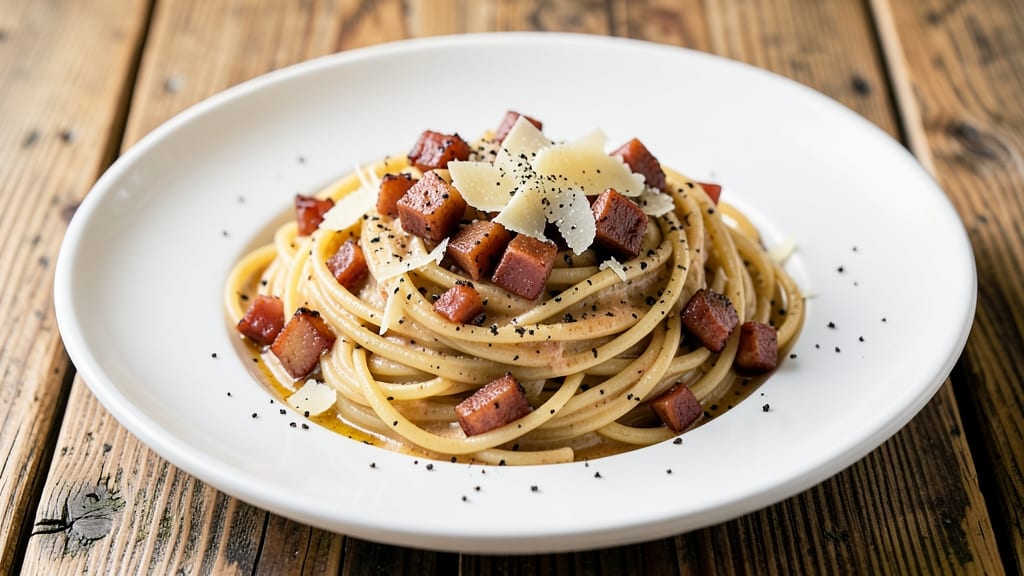
This beef bacon carbonara recipe delivers restaurant-quality richness in just 25 minutes, with crispy pancetta and perfectly emulsified eggy silk that coats every strand of pasta. The secret lies in high-heat browning of the bacon and a precise egg-cheese sauce that never breaks—no lumps, just velvety perfection.
I’ve perfected this technique after years of testing, and it’s the one dish that impresses even skeptical guests.
The foundation starts with quality ingredients: thick-cut pancetta (or bacon) rendered until golden and crisp, then combined with guanciale for that authentic Italian depth. The sauce comes together in a single pan—no separate stovetop chaos—using eggs, Pecorino Romano, and a splash of pasta water to create a glossy, creamy finish.
The key is patience: let the sauce thicken gradually while the pasta cooks al dente.
What you’ll end up with is a plate of crispy-edged pancetta nestled among strands of pasta, all enrobed in a luxurious, eggy sauce that’s rich but never heavy. The texture is what makes this dish unforgettable—each bite delivers a perfect balance of salty, creamy, and umami-packed flavors.
This isn’t just pasta; it’s a showstopper that feels like a five-star meal.
For those who love variations, try adding peas for freshness or mushrooms for earthiness, but the classic version—just beef, bacon, eggs, and cheese—is where the magic truly lies. Let’s get cooking.
Ingredients for beef bacon carbonara
Thick-cut pancetta, guanciale, and Pecorino Romano form the luxurious foundation of this restaurant-worthy carbonara.
| Ingredient | Amount | Notes |
|---|---|---|
| Thick-Cut Pancetta 🥓 | 6 oz | Diced into 1/4-inch pieces |
| Guanciale 🥓 | 4 oz | Diced into 1/4-inch pieces |
| Spaghetti 🍝 | 12 oz | Dry weight, al dente preferred |
| Large Eggs 🥚 | 3 whole | Room temperature for emulsification |
| Pecorino Romano Cheese 🧀 | 1 cup | Freshly grated, fine texture |
| Freshly Ground Black Pepper 🌶️ | 1 tsp | Coarsely cracked for texture |
| Extra-Virgin Olive Oil 🫒 | 1 tbsp | For high-heat searing |
| Kosher Salt 🧂 | 1 ½ tsp | Diamond Crystal preferred |
| Pasta Water 💧 | 1 cup | Reserved from cooking pasta |
| Freshly Shredded Parmesan Cheese 🧀 | ¼ cup | For finishing garnish |
| Fresh Rosemary 🌿 | 2 sprigs | For aroma during cooking |
The pancetta and guanciale are non-negotiable for authentic flavor—look for thick-cut, uncooked pancetta at specialty butchers or well-stocked grocery stores like Whole Foods. Guanciale, the traditional Italian cured pork cheek, adds unmatched depth; if unavailable, double the pancetta. For the cheese, Pecorino Romano must be freshly grated—pre-shredded contains anti-caking agents that prevent proper emulsification. I always buy a wedge from the deli counter and grate it myself, storing the remainder in the freezer for up to 3 months wrapped in parchment. Fresh rosemary sprigs elevate the aroma during cooking, but dried works in a pinch at one-third the amount.
No guanciale? Substitute with extra pancetta or thick-cut bacon, but reduce to 4 oz total if using bacon to avoid excessive fat. Eggs must be at room temperature—remove them from the fridge 30 minutes before cooking for perfect emulsification. For the pasta, spaghetti is traditional, but bucatini or linguine work equally well. If you're concerned about lumps, whisk the eggs with 1 tbsp of cold pasta water first before adding to the pan. The reserved pasta water is crucial—it contains starch that helps bind the sauce. For extra richness, stir in 1 tbsp of heavy cream at the end, though purists will argue it's unnecessary.
Pancetta and guanciale stay fresh for 1 week in the fridge or 3 months frozen. Grated Pecorino keeps for 2 weeks in an airtight container. The cooked pasta can be reheated with a splash of water, but carbonara is best served immediately. For meal prep, cook the pancetta mixture ahead and store separately, then combine with freshly cooked pasta and eggs when serving. The sauce will separate slightly upon reheating—just stir vigorously to re-emulsify. This dish is all about freshness, so plan to cook it the same day you gather ingredients.
Why You'll Love This Recipe
- No Chopping Needed: The pancetta and guanciale come pre-diced—just render the fat, toss in the pasta, and let the magic happen. I swear, I’ve made this on days when I couldn’t even be bothered to open a knife.
- Umami Bomb: That crispy guanciale and salty pancetta? They melt into the eggs and Pecorino like a flavor explosion. The first bite is always a "wait, why isn’t this in my rotation?" moment.
- Weeknight Hero: Pasta on the table in 25 minutes, no fuss. Leftovers reheat beautifully—just add a splash of water to the pan, stir, and serve. My go-to when I’m exhausted but still want to feel fancy.
- Budget Luxury: Pancetta and guanciale stretch further than you’d think, and Pecorino’s sharp bite makes small portions feel indulgent. Honestly, this is the kind of meal that makes grocery day worth it.
Step-by-step instructions for beef bacon carbonara
Here's how to achieve perfectly crispy pancetta and silky egg sauce every time.
Render the Pancetta and Guanciale for Maximum Flavor
Heat a large skillet over medium heat and add the 6 oz thick-cut pancetta and 4 oz guanciale in ¼-inch dice. Cook undisturbed for 5 minutes until the fat begins to render and the meat releases from the pan. This initial rendering creates the flavor foundation.
Once the fat is shimmering and the meat starts to brown, stir occasionally for another 8-10 minutes until the pancetta is deep golden brown and crispy. Remove the skillet from heat and add the 2 sprigs fresh rosemary, crushing them gently with a spoon to release their aroma. Let the rosemary steep in the rendered fat for 2 minutes while you prepare the pasta.
Cook the Spaghetti Al Dente and Reserve Pasta Water
Bring a large pot of water to a rolling boil and add 1.5 tsp kosher salt. Add the 12 oz spaghetti and cook according to package instructions until 1 minute shy of al dente. The pasta should be slightly firm to the bite—it will finish cooking in the sauce.
Before draining, reserve 1 cup pasta water in a measuring cup. This starchy liquid is essential for creating the creamy sauce. Drain the pasta directly into the skillet with the rendered pancetta, guanciale, and rosemary. Toss immediately to coat the strands in the fat and remove from heat.
Prepare the Egg and Cheese Mixture
In a medium bowl, whisk together the 3 whole large eggs, 1 cup pecorino romano cheese, and 1 tsp freshly ground black pepper until fully combined and slightly thickened. The mixture should be pale yellow and hold its shape when drizzled—this ensures a proper emulsion when combined with the pasta.
Here's the thing—room temperature eggs are crucial. If they're cold, the sauce will break. If you're using cold eggs, let them sit at room temperature for 10 minutes before whisking. The cheese should be finely grated to melt smoothly into the sauce without graininess.
Combine Everything Off Heat for Perfect Emulsification
Return the skillet to low heat (just enough to keep the pasta warm) and add the egg mixture in a slow, steady stream while stirring constantly with a wooden spoon. The residual heat from the pasta will gently cook the eggs into a creamy sauce without scrambling them.
If the sauce begins to thicken too much, add 1-2 tablespoons of reserved pasta water at a time until you reach a velvety consistency. The sauce should coat the back of your spoon but still flow smoothly. Remove from heat immediately once fully combined—overcooking will turn the eggs into scrambled eggs.
Finish with Parmesan and Serve Immediately
Transfer the carbonara to warmed serving plates and immediately sprinkle with the ¼ cup freshly shredded parmesan cheese. The fresh parmesan adds a bright, salty contrast to the rich pancetta and pecorino. Serve while the sauce is still silky and the pasta is hot.
Each bite should deliver crispy pancetta, tender spaghetti, and a luxurious egg sauce that clings perfectly to every strand. The rosemary-infused fat adds an aromatic depth that elevates this classic dish beyond traditional carbonara.
Pro Tips For Making Beef Bacon Carbonara
- CUT PANCETTA SMALL: Thin slices—no bigger than ¼-inch—render faster and crispier than thick slabs. I used to fight with big chunks, and they’d either turn to grease or stay chewy. Guanciale too: dice it into ½-inch cubes for even cooking.
- DRY PASTA LIKE CRAZY: Pat spaghetti thoroughly with a kitchen towel before tossing it into the sauce. The starch clings to moisture, turning your carbonara into glue. I learned this after slurping a plateful and wondering why it felt like eating pasta cement.
- TEMPER EGGS RIGHT: Whisk eggs and cheese in a bowl off the heat, then let the pasta’s residual heat gently cook them. Dumping hot pasta into raw eggs? That’s how you scramble a sad, grainy mess. My first attempt looked like overcooked oatmeal—now I swear by this method.
- SALT THE WATER LATE: Add salt to boiling water after the pasta starts cooking—it takes 5 minutes to dissolve fully. I used to salt early, and the pasta would turn mushy before the water ever tasted right. Now I wait, and the flavor hits perfect.
Perfect pairings for beef bacon carbonara
Wine Pairings
For this rich, umami-packed carbonara, I reach for Italian whites that cut through the fat beautifully. A crisp Vermentino from Sardinia—with its bright citrus and mineral notes—cleanses the palate between bites.
The acidity balances the creamy sauce perfectly. If you prefer red, a Chianti Classico with its cherry and herbal notes stands up to the pancetta's richness without overpowering it. 🍷
Beer Pairings
A light Italian lager like Peroni or Birra del Borgo is my go-to beer pairing. The crisp, effervescent quality refreshes your mouth after each rich bite. For something more adventurous, try a Belgian witbier like Hoegaarden—its coriander and orange peel notes complement the rosemary in the dish.
Avoid heavy stouts or IPAs that would clash with the delicate egg sauce.
Side Dish Ideas
A simple arugula salad with lemon vinaigrette provides the perfect peppery contrast to the richness. Toss 4 cups baby arugula with 2 tbsp olive oil, 1 tbsp lemon juice, and a pinch of salt.
For something heartier, garlic bread made with a rustic Italian loaf soaks up any stray sauce. I also love adding roasted cherry tomatoes with basil for a summery touch.
Beverage Upgrades
For a non-alcoholic option, try a sparkling blood orange soda like San Pellegrino Aranciata Rossa. The citrus notes mirror the rosemary in the dish while the bubbles keep your palate fresh.
If you're feeling fancy, a Negroni Sbagliato (a Prosecco-based twist on the classic Negroni) adds a sophisticated touch that pairs wonderfully with the pancetta's smoky depth. 🍹
Garnish Finishing Touches
Before serving, add a sprinkle of freshly cracked black pepper and a few microgreens for color. A drizzle of aged balsamic glaze adds a tangy contrast that elevates the dish.
For extra richness, finish with a pinch of flaky sea salt—it enhances all the flavors without overpowering them. The presentation should be as inviting as the taste!
Nutrition facts
Frequently asked questions
Can I make this carbonara with bacon instead of pancetta or guanciale?
Yes, you can substitute thick-cut bacon for pancetta or guanciale, but use 4 oz total to avoid excess fat. Look for bacon with thick slices that render slowly for crispy edges. The flavor will be slightly smokier than traditional Italian versions, but still delicious!
Why does my carbonara sauce get grainy or break when I add the eggs?
This happens when the eggs cook too fast or the heat is too high. Always work off low heat and add the egg mixture slowly while stirring constantly. Room-temperature eggs and freshly grated cheese also prevent separation. If it breaks, stir in 1 tbsp pasta water to re-emulsify immediately.
Can I add beef to this recipe?
For a heartier version, sear ½ lb thinly sliced beef (like sirloin or ribeye) with the pancetta until browned. Add it to the pan with the pasta and cook for 2 minutes before combining with the egg mixture. The beef adds a satisfying meaty texture that pairs perfectly with the creamy sauce.
How do I make this carbonara ahead of time?
Cook the pancetta/guanciale mixture and store it separately in the fridge for up to 2 days. When ready to serve, cook fresh pasta and combine everything off heat as directed. The sauce will separate slightly—just stir vigorously to re-emulsify. For best results, serve within 30 minutes of reheating.
What's the secret to getting crispy pancetta every time?
Use thick-cut pancetta (not thin slices) and cook it undisturbed for 5 minutes on medium heat before stirring. The key is patience—let the fat render slowly to create crispy edges. Remove from heat when golden brown to prevent burning.