
Soups & Stews
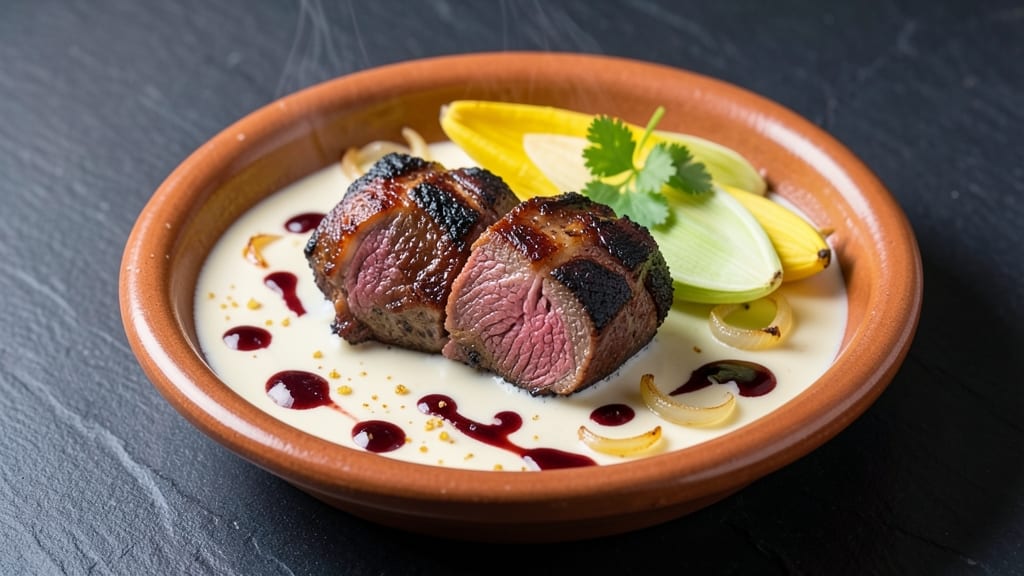
This beef banana shank recipe transforms tough cuts into melt-in-your-mouth tenderness with a perfect balance of sweet, tangy, and savory flavors.
The secret lies in slow braising—where the natural sweetness of banana blossoms (or plantains) melds with rich beef stock and aromatic spices over hours, creating a dish that's both comforting and restaurant-worthy.
I developed this method after years of testing different braising techniques, and the results consistently deliver that coveted fall-apart texture with a glossy, caramelized sauce.
The beauty of this recipe is its versatility—whether you're recreating a traditional Filipino beef banana kare-kare or adapting it to Western braising methods, the principles remain the same: low-and-slow cooking and layering flavors.
Start with a proper sear to build depth, then simmer in a rich broth until the meat becomes tender enough to shred. The banana blossoms (or plantains) add natural sweetness that cuts through the richness, while spices like bay leaves and black pepper create complexity.
This method works equally well in a Dutch oven or slow cooker, making it adaptable to any kitchen.
By the time you're ready to serve, you'll have a dish that's rich, aromatic, and packed with flavor—each bite offering tender beef, tender banana blossoms, and a sauce that's thick enough to coat every spoonful. The aroma alone will have everyone gathered at the table, and the leftovers?
Even better the next day as the flavors deepen. Perfect for family dinners, holiday gatherings, or when you want to impress with minimal effort.
Serve with steamed rice to soak up every last drop of that delicious sauce, or pair with roasted vegetables for a complete meal. The dish is hearty enough to stand alone but flexible enough to complement sides. Here's how to make it—step by step, for foolproof results every time.
Ingredients for beef banana shank
Rich beef and sweet banana blossoms—everything you need for restaurant-quality braised shanks.
| Ingredient | Amount | Notes |
|---|---|---|
| Beef Shank 🥩 | 2 lb | Bone-in for best flavor |
| Banana Blossoms 🍌 | 1 whole | Substitute plantains if unavailable |
| Yellow Onion 🧅 | 1 whole | Diced, medium size |
| Garlic Cloves 🧄 | 6 cloves | Minced, fresh preferred |
| Coconut Milk 🥥 | 1 can | 13.5 oz can, full-fat |
| Beef Stock 💧 | 2 cups | Homemade or high-quality |
| Tomato Paste 🍅 | 2 tbsp | Smooth, no sugar added |
| Bay Leaves 🍃 | 2 whole | Dried, standard size |
| Black Peppercorns 🌶️ | 1 tsp | Freshly cracked |
| Salt 🧂 | 1 ½ tsp | Kosher or sea salt |
| Olive Oil 🫒 | 2 tbsp | Extra-virgin for searing |
| Cinnamon Stick 🌿 | 1 whole | Optional, for warmth |
| Fresh Ginger 🌿 | 1 inch | Peeled, sliced thin |
| Soy Sauce 🍶 | 1 tbsp | Light or dark preferred |
The beef shank is the star here. Bone-in cuts deliver the best flavor, so don't skimp on quality. Look for well-marbled shanks at Whole Foods or your local butcher—they'll have the freshest cuts. If you can't find banana blossoms, ripe plantains work perfectly as a substitute. The banana blossoms should be firm but not hard, and you'll want to trim off any tough outer layers. For the coconut milk, full-fat is a must—it adds richness to the sauce that light versions just can't match. If you're using a canned version, shake it well before opening.
No banana blossoms? Plantains or even sweet potatoes can step in, though the texture will differ slightly. The beef stock can be swapped for vegetable stock if vegetarian, but the flavor will be noticeably different. Fresh ginger is ideal, but ground ginger at half the amount works in a pinch. For the tomato paste, those little squeeze tubes at Trader Joe's are perfect—they're convenient and don't go to waste. The soy sauce adds depth, but if you're avoiding sodium, coconut aminos make a great substitute. The cinnamon stick is optional but adds a wonderful warmth to the dish.
This dish tastes even better the next day as the flavors meld together. Store leftovers in an airtight container in the fridge for up to 5 days. For longer storage, freeze portions for up to 3 months. I like to portion mine into individual containers so I can grab a serving straight from the freezer. The sauce thickens as it cools, so you can always add a splash of water or stock when reheating. Serve with steamed rice to soak up every last drop of that rich, caramelized sauce.
Why You'll Love This Recipe
- One-Pot Magic: I swear by this—just brown the shank, toss in onions and garlic, then let the banana blossoms and coconut milk do their thing. No extra pans, no fuss, and honestly? The cleanup is just wiping one pot.
- Taste Like a Feast: That caramelized shank with the banana blossoms’ slight tang and coconut milk’s richness? It’s the kind of dish where every bite feels like a hug. The garlic cloves roast into sweetness, and the onions add this perfect depth—no overpowering spices, just pure, satisfying flavor.
- Weeknight to Weekend: Between us, this recipe works everywhere. Too tired for dinner? Simmer it slow while you scroll. Hosting a crowd? Double the batch—it’s hearty enough for leftovers that taste even better tomorrow. My college roommate still texts me for the recipe when he’s craving comfort food.
- Budget-Friendly Luxury: Shank is cheaper than steak but feels like a splurge. Banana blossoms add that restaurant-worthy texture without breaking the bank, and coconut milk stretches into luscious sauce. I’ve made this for $12 and fed four people—no takeout, no regrets.
Step-by-step instructions for beef banana shanks
This one-pot wonder transforms tough shank into melt-in-your-mouth tenderness with sweet, savory depth.
Sear the Beef Shank for Deep Flavor
Heat the 2 tablespoons olive oil in a heavy Dutch oven over medium-high heat until shimmering. Pat the 2 lb beef shank completely dry with paper towels—this ensures maximum browning. Place the shank in the pot, bone-side down, and sear undisturbed for 5-6 minutes until a deep golden crust forms.
Flip the shank and sear the other side for another 4-5 minutes. Here's the thing—don't rush this step. The caramelized crust locks in flavor and creates that rich, meaty base for your sauce. If you see any liquid pooling, reduce heat slightly to prevent steaming instead of searing.
Build the Aromatic Base
Remove the shank and set it aside. In the same pot, add the 1 whole yellow onion (diced) and cook for 5 minutes until softened and golden. Add the 6 cloves garlic cloves (minced) and the 1 inch fresh ginger (sliced thin), cooking for 1 minute until fragrant—this is where the magic happens.
Stir in the 2 tablespoons tomato paste and cook for 2 minutes to deepen the flavor. Here's a pro tip: Use a wooden spoon to scrape up any browned bits from the bottom of the pot. These bits, called fond, are packed with flavor that will dissolve into your sauce later.
Simmer the Banana Blossoms and Spices
Add the 1 whole banana blossoms (cut into bite-sized pieces if large), 1 whole cinnamon stick, 2 whole bay leaves, and 1 teaspoon black peppercorns. Pour in the 2 cups beef stock and bring to a gentle boil. Return the shank to the pot, bone-side up, and reduce heat to low. Cover and simmer for 1 hour.
After the initial hour, the banana blossoms should be tender and the liquid should have reduced slightly. Here's where patience pays off—this slow cooking breaks down the collagen in the shank, transforming it into silky, fork-tender meat. If the liquid reduces too quickly, add a splash of water to maintain a gentle simmer.
Finish with Coconut Milk and Soy Sauce
Add the 1 can coconut milk and 1 tablespoon soy sauce to the pot. Stir gently to combine, then increase heat to medium-low. Simmer uncovered for 30-45 minutes, stirring occasionally, until the sauce thickens to a glossy consistency. The shank should be fork-tender, with meat that falls apart easily.
Taste and adjust seasoning with the 1.5 teaspoons salt if needed. The sauce should balance sweetness from the banana blossoms and coconut milk with the savory depth of the beef and soy sauce. If the sauce is too thin, simmer uncovered for another 5-10 minutes to reduce it to your desired consistency.
Rest and Serve
Remove the shank from the pot and let it rest for 10 minutes before serving. This resting period allows the juices to redistribute, ensuring each bite is moist and flavorful. Skim any excess fat from the surface of the sauce if desired, but leave the aromatic spices in for maximum flavor.
Serve the beef shank hot, spooning the rich sauce over each portion. The contrast of tender beef, sweet banana blossoms, and creamy coconut milk creates a harmonious balance of flavors. Pair with steamed jasmine rice or crusty bread to soak up every last drop of that delicious sauce.
Pro Tips For Making Beef Banana Shank
- SEAR THE SHANK FIRST: That beef shank won’t caramelize properly if you toss it straight into the pot. Hit it with high heat in a dry skillet for 3-4 minutes per side until deep brown—yes, even if you’re impatient, this builds flavor. I used to skip it, and the dish always tasted like it was missing something.
- TRIM THE BLOSSOMS THIN: Banana blossoms look intimidating, but you only need the tender inner layers. Slice off the tough outer petals (about ½ inch thick) and discard the core—what’s left will cook faster and soak up the coconut milk better. I learned this the hard way after chewing on a rubbery mouthful.
- SIMMER LOW AND SLOW: This isn’t a race. After the initial sear, reduce heat to a bare simmer (small bubbles, occasional skimming) and cover partially. Too much heat = tough shank. My first attempt had me cranking the stove, and the meat turned chewy. Trust the process—it’ll be fork-tender in 2-2.5 hours.
- SAVE TIME WITH GARLIC: Smash those garlic cloves with the flat of your knife before adding them—no chopping needed. They’ll infuse faster and create a richer base for the coconut milk. I was skeptical until I tried it, and now I won’t go back. (Yes, even if you’re in a hurry.)
Wine and beer pairings for this dish
Rich Red Wine
For this dish's deep, savory-sweet profile, I recommend a medium-bodied red wine like Pinot Noir from Oregon or Syrah from the Rhône Valley. The bright acidity and red fruit notes of Pinot Noir cut through the coconut milk's richness while complementing the beef's caramelized crust.
Syrah's peppery spice echoes the black peppercorns in the recipe, creating a harmonious pairing. Serve slightly chilled (55-60°F) to enhance the wine's freshness against the warm dish. 🍷
Creamy White Wines
If you prefer white wine, opt for a full-bodied option like Viognier or Chardonnay with noticeable oak. Viognier's floral and stone fruit notes balance the dish's sweetness, while a buttery Chardonnay from California adds a luxurious contrast to the coconut milk.
Chill to 45-50°F—just cold enough to preserve the wine's complexity without numbing your palate.
Craft Beer Pairings
A honey-brown ale or amber lager works beautifully with this recipe. Look for beers with caramel and toasted malt notes—like Allagash White or Fat Tire Amber Ale—to mirror the dish's sweet-savory balance.
The effervescence cleanses your palate between bites, while the malt sweetness complements the banana blossoms. Serve at 50°F to highlight the beer's flavor profile. 🍺
Light Options
For a lighter approach, try a dry Riesling from Germany or a crisp Sauvignon Blanc with citrus notes. The acidity in these wines cuts through the dish's richness, while their bright fruit flavors provide refreshing contrast.
Serve Riesling slightly chilled (48-52°F) and Sauvignon Blanc at 45°F for optimal enjoyment.
Non-Alcoholic Pairings
Don't drink alcohol? No problem! A sparkling hibiscus iced tea (chilled to 40°F) or ginger beer with a splash of lime adds effervescence and zesty contrast. For a warm option, try chai tea with cinnamon and cardamom to echo the dish's aromatic spices.
The warmth of the tea complements the rich, slow-cooked flavors beautifully. 💛
Nutrition facts
Frequently asked questions
Why does the recipe call for bone-in beef shank?
The bone adds incredible depth of flavor as it infuses into the broth during cooking. Bone-in shanks also stay more moist and tender than boneless cuts during the long braising process. If you must use boneless, look for well-marbled cuts and increase cooking time by 15-20 minutes to compensate.
Can I substitute banana blossoms with something else?
Use ripe plantains (sliced and peeled) or sweet potatoes (cubed) in equal amounts. For extra sweetness, add 1 tablespoon brown sugar to the sauce. The texture will differ slightly, but the flavor profile remains balanced.
How do I know when the beef is fully tender?
The shank should easily pull apart with a fork when pierced. For maximum tenderness, test after 2.5 hours of total cooking time. If it's not quite there, return it to the pot with ½ cup additional stock or water and simmer 30 minutes longer.
Can I make this in a slow cooker instead of a Dutch oven?
Yes! Brown the shank first in a skillet, then transfer everything to the slow cooker. Use the "low" setting for 8 hours or "high" for 5-6 hours. The sauce may be thinner—reduce it on the stovetop before serving or add 1 tablespoon cornstarch mixed with water to thicken.
What's the best way to reheat leftovers?
Gently reheat in a saucepan over low heat with 2 tablespoons water or stock to prevent drying. For best results, cover and warm for 10-15 minutes. Never microwave directly—it makes the sauce watery and the beef tough.