
Soups & Stews
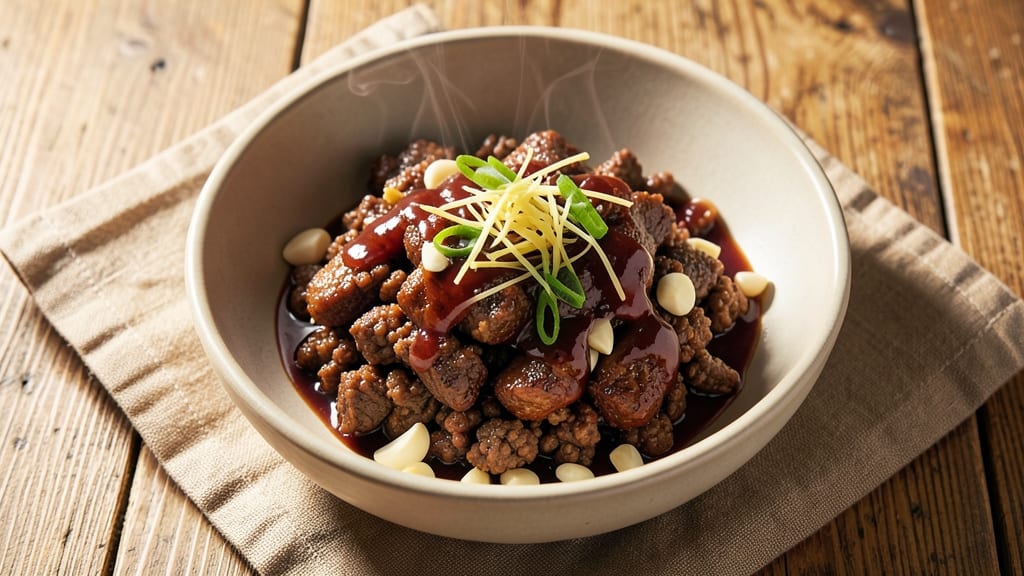
This beef bao filling recipe with five-spice crunch transforms every bao into a flavor explosion. The secret lies in a quick-cook method that develops deep, aromatic flavors while maintaining tender texture—no braising required.
We'll balance traditional five-spice warmth with modern umami boosters like soy sauce and hoisin for that restaurant-quality bite you crave.
What sets this filling apart is the two-stage seasoning: first building a fragrant spice base with garlic, ginger, and five-spice powder, then finishing with a splash of rice vinegar for brightness.
The ground beef cooks just until it reaches 160°F, ensuring juicy results without drying out. We'll also add crispy fried shallots at the end for that signature crunch bao lovers adore.
The result is filling so flavorful it stands up to steamed or pan-fried bao wrappers—no soggy bottoms here. Each bite delivers tender, aromatic beef with layers of sweet, spicy, and umami complexity. The five-spice blend creates warmth that lingers, while the crispy shallots add satisfying texture contrast.
Perfect for making ahead and freezing, this filling keeps its quality for up to 3 months. Whether you're serving traditional steamed bao or modern pan-fried versions, the technique ensures restaurant-quality results every time. Let's get cooking—your bao game is about to level up.
Ingredients for beef bao filling
Pantry staples meet aromatic spices for bao filling that packs restaurant-quality flavor punch.
| Ingredient | Amount | Notes |
|---|---|---|
| Ground Beef (80/20 fat ratio) 🥩 | 1 ½ lb | Lean but flavorful, no pre-seasoned blends |
| Five-Spice Powder 🌶️ | 1 ½ tsp | Authentic Chinese blend, not substitute |
| Fresh Garlic Cloves 🧄 | 6 cloves | Minced, aromatic base essential |
| Fresh Ginger 🌿 | 1 ½ tbsp | Finely grated, not powdered |
| Light Soy Sauce 🍶 | 2 tbsp | Kikkoman preferred, not dark soy |
| Hoisin Sauce 🍶 | 1 tbsp | Authentic Chinese, not sweetened |
| Rice Vinegar 🍶 | 1 tbsp | Seasoned variety for brightness |
| Crispy Fried Shallots 🧅 | ¼ cup | Store-bought or homemade, not onion flakes |
| Sesame Oil 🫒 | 1 tsp | Toasted, not flavored |
| Neutral Oil (like vegetable or canola) 🫒 | 1 tbsp | High smoke point for frying |
| Diamond Crystal Kosher Salt 🧂 | ½ tsp | Fine grain for even seasoning |
| Fresh Shallots 🧅 | 2 whole | Minced, adds delicate onion flavor |
| Granulated Sugar 🍬 | ½ tsp | Balances acidity in filling |
The five-spice powder makes or breaks this—Penzeys brand or bulk bins at Whole Foods deliver authentic warmth. Ground beef needs that 80/20 fat ratio for juiciness (none of that lean stuff), and fresh ginger should smell zesty, not stale. Kikkoman soy sauce is non-negotiable for that classic umami—don't grab the store brand. For crispy fried shallots, Trader Joe's sells them pre-made, but if you're ambitious, fry thin shallot slices in oil until golden. The garlic should be pungent, not milky—smell it before buying.
No five-spice powder? Mix 1/4 tsp each cinnamon, star anise, cloves, fennel, and Szechuan peppercorn—but trust me, it's worth tracking down. Hoisin sauce can be swapped for 1 tbsp soy sauce + 1 tsp molasses, though you'll lose some depth. Fresh ginger powdered? Use 1/2 tsp, but fresh is always better. Crispy shallots missing? Toasted sesame seeds add crunch, though not the same texture. Rice vinegar substitute? Apple cider vinegar works in a pinch, but the flavor won't be identical. Shallots too bitter? Swap for 1/4 cup finely diced red onion—just remember it'll be more assertive.
This filling reheats beautifully—microwave in 30-second bursts with a splash of water to keep it moist. Freezes for 3 months in airtight containers, making it perfect for meal prep. Portion into ice cube trays before freezing for easy bao filling additions later. Day-old filling actually tastes better as flavors meld—just reheat gently. Store cooked filling in the fridge for up to 5 days, though the texture gets slightly denser after day 2. Double the batch—it disappears fast during bao-making marathons.
Why You'll Love This Recipe
- No-Fuss Weeknight Win: I swear by this recipe when I’m too tired to fuss. Brown the beef, toss in the five-spice and ginger—boom—it’s done while I chop veggies for the rest of dinner. That fat ratio (80/20) keeps it juicy without extra work.
- Umami Bomb Combo: The five-spice powder alone makes this taste like a dim sum dream, but add the garlic and ginger? It’s the kind of flavor that lingers. Light soy sauce ties it all together—salty, sweet, and just a little funky.
- Steam-Pot or Snack Attack: Use it stuffed in bao buns, slathered on rice, or even as a taco filling. My kids ask for it cold in wraps when I forget to reheat—proof it’s that versatile. Honestly, I’ve put it in everything.
- Budget Meal That Stretches: Ground beef on sale? This recipe turns it into multiple meals. A pound feeds four, and leftovers reheat beautifully. Between us, it’s my go-to for lazy Sundays or when I’m pinching pennies.
Step-by-step instructions for spiced ground beef with five-spice crunch
This aromatic filling delivers perfect texture and bold flavor every time—just follow these precise steps.
Prepare the Aromatics and Season the Beef
Start by finely mincing the 6 cloves fresh garlic and 2 whole fresh shallots using a sharp knife or food processor. The goal is a paste-like consistency that will distribute evenly through the beef. In a small bowl, combine the minced garlic, shallots, 1.5 tbsp finely grated fresh ginger, 1.5 tsp five-spice powder, 0.5 tsp granulated sugar, and 0.5 tsp Diamond Crystal kosher salt. Mix thoroughly to create a cohesive paste.
In a large bowl, break up the 1.5 lb ground beef (80/20 fat ratio) with your hands until it resembles coarse crumbles. This helps distribute the seasoning more evenly. Add the aromatic mixture to the beef and gently toss with your hands until fully incorporated. The fat content is crucial here—it renders beautifully during cooking and creates that signature juicy texture in bao.
Build the Flavor Base
Heat a large skillet or wok over medium-high heat until hot. Add 1 tbsp neutral oil (like vegetable or canola) and swirl to coat the pan evenly. Working in batches if needed, add the seasoned beef mixture, breaking it apart with a wooden spoon as it cooks. Let it sear undisturbed for 3-4 minutes until the beef releases from the pan and develops a deep brown crust.
Once the beef begins to brown, stir in 2 tbsp light soy sauce and 1 tbsp hoisin sauce. The heat will cause the sauces to caramelize slightly, deepening their flavor. Cook for another 2-3 minutes, stirring occasionally, until the beef is 80% cooked through—it should still have a slightly pink center. This prevents overcooking during the final step.
Finish with Brightness and Crunch
Reduce heat to medium-low and add 1 tbsp rice vinegar. The vinegar brightens the dish and balances the richness of the beef and sauces. Let it simmer for 1-2 minutes until the liquid reduces by half and the aroma becomes more pronounced. Here's the thing—don't walk away. The vinegar evaporates quickly, and you want to preserve that tangy brightness.
Remove the skillet from heat and stir in 0.25 cup crispy fried shallots and 1 tsp sesame oil. The fried shallots add a delightful crunch that contrasts beautifully with the tender beef. The sesame oil infuses the filling with nutty aroma and helps bind everything together. Taste and adjust seasoning if needed—you might want to add a pinch more salt or a splash of rice vinegar to hit your desired balance.
Rest and Prepare for Stuffing
Let the beef filling cool to room temperature (about 15-20 minutes). This resting period allows the flavors to meld and the texture to set slightly, making it easier to handle when stuffing into bao. While it cools, you can gently press the filling into a compact log or leave it loose—it's your preference. The filling should be moist but not soupy, with visible flecks of crispy shallots throughout.
For best results, use the filling within 24 hours of preparation. If storing, keep it refrigerated in an airtight container. The flavors actually improve overnight as the spices continue to infuse. When ready to use, gently reheat in a skillet over medium-low heat for 2-3 minutes just to warm through—no need to cook it again. This keeps the texture perfect for stuffing into your bao.
Pro Tips For Making Beef Bao Filling
- Prep Ginger Like a Pro: Peel that ginger before grating—wet the skin with a damp paper towel, then scrape off the fibrous outer layer with a spoon. I learned this the hard way after struggling to grate stubborn, unpeeled ginger and ending up with bitter, stringy bits in my filling.
- Cook Garlic Low and Slow: Add minced garlic after the beef has browned and push it into the pan with a spoon—this prevents burning. I used to toss it in early and ended up with bitter, charred flavor instead of that sweet, aromatic punch you want in bao filling.
- Don’t Rush the Five-Spice: Toast the five-spice powder in a dry pan for 30 seconds until fragrant before adding it to the beef. This wakes up the flavors—my grandmother swore by it, and it’s the difference between a basic filling and one that actually sings.
- Break Up Beef with a Fork: Use a fork to shred the beef while it’s still hot in the pan—this keeps the texture fine and prevents it from turning into a dense, chewy mess. I was skeptical until I tried it, and now I won’t go back.
Make-ahead tips for this dish
Freezer Prep Tips
Portion the filling into 1-ounce servings using ice cube trays or small silicone molds—this makes it easy to grab just what you need for each bao. Once frozen solid, transfer to a ziplock freezer bag and label with the date.
The filling keeps its texture and flavor for up to 3 months—no freezer burn in sight if you squeeze out excess air before sealing. 🧊
Reheating Perfection
Thaw overnight in the fridge or use the microwave defrost setting for speed. For reheating, I swear by a nonstick skillet on medium-low heat with a splash of water—just 2-3 minutes until warmed through.
Avoid high heat, which can dry out the beef. Stir occasionally to redistribute the crispy shallots for that signature crunch in every bite. 🔥
Fridge Storage Hacks
Store leftovers in an airtight glass container (like Pyrex) for up to 5 days. The filling actually tastes better after day 1 as flavors meld, but texture becomes slightly denser after day 3.
Keep it covered with a damp paper towel to prevent drying out—this works wonders for maintaining moisture. 🥫
Meal Prep Strategy
Double the batch and freeze half immediately—this is my go-to for busy weeks. When ready to use, simply thaw and reheat portions as needed. The filling reheats beautifully, making it perfect for bao-making marathons or last-minute brunch prep. Just remember: room temperature filling stuffs best into bao wrappers. ⏰
Texture Preservation
To keep the crispy shallots from getting soggy during storage, I add them fresh right before stuffing the bao. If you must store them mixed in, keep the filling in the fridge for no more than 2 days before using.
The sesame oil helps maintain that delicate balance of textures when stored properly. 💫
Portion Control
Each bao typically holds about 1.5-2 ounces of filling. For consistency, use a kitchen scale to portion the filling before freezing. This ensures even distribution when you're assembling bao later—no overstuffed or underfilled wrappers. Trust me, this small step makes all the difference in presentation. ✨
Nutrition facts
Frequently asked questions about beef bao filling
Can I use lean ground beef instead of 80/20?
I don't recommend it—the fat content is crucial for juicy texture. The 80/20 ratio renders perfectly during cooking, creating that signature tender, flavorful bite in each bao. If you must use leaner beef, add 1 tablespoon neutral oil to the pan during cooking to compensate for the lost fat.
What if I don't have five-spice powder?
No problem! Mix ¼ teaspoon each of cinnamon, star anise, cloves, fennel seeds, and Szechuan peppercorn for a homemade blend. For a quicker option, use ½ teaspoon each of cinnamon and black pepper. The flavor won't be identical, but it'll still add warmth to your filling.
How do I prevent the filling from drying out in the bao?
Keep the filling moist by adding 1 teaspoon water when reheating, or use it within 24 hours of making for best texture. For extra insurance, wrap the bao tightly in plastic wrap before steaming—this traps moisture and prevents soggy bottoms.
Can I make this filling ahead of time?
Store in an airtight container for up to 5 days in the fridge or 3 months in the freezer. Portion into 1-ounce servings before freezing for easy use. Just thaw overnight in the fridge and reheat gently in a skillet with a splash of water.
What's the best way to add crunch without fried shallots?
Try toasted sesame seeds (½ cup) or crushed potato chips (¼ cup) for a different texture. For authentic crunch, fry thin shallot slices until golden—this creates that signature bao texture that's hard to replicate with store-bought substitutes.