
Sauces & Condiments
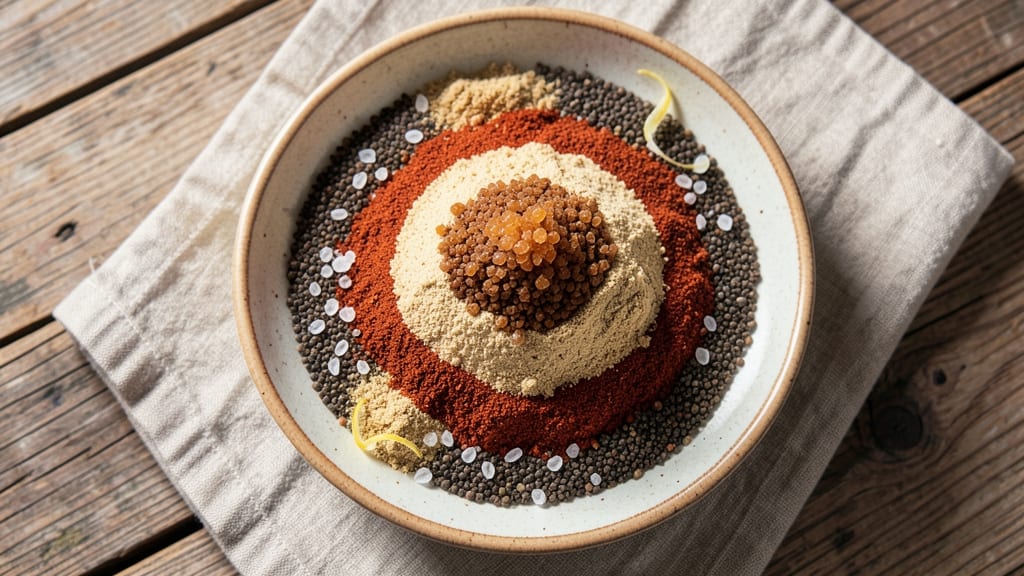
This beef barbecue rub recipe transforms tough cuts into smoky, tender masterpieces—exactly the kind of flavor I've been perfecting since my first backyard cookout. The secret lies in balancing sweet, smoky, and spicy notes that penetrate deep into the meat, creating a bark so flavorful it sings with every bite. I developed this blend after years of experimenting with wild herbs and classic pitmaster techniques, and it never fails to impress.
The magic happens in the blend itself: coarse brown sugar for caramelization, smoked paprika for depth, and a touch of cayenne for heat that builds gradually. This isn't just any rub—it's a foolproof foundation that works on everything from brisket to ribs to steaks.
The coarse texture clings perfectly, ensuring every surface gets that signature smoky crust. Once you try it, you'll never go back to store-bought blends again.
What makes this rub truly special is its versatility. Use it on beef before grilling, smoking, or even roasting—each method brings out different layers of flavor. The blend stays potent for months when stored properly, so you can keep a jar handy for spontaneous cookouts.
I've tested this recipe countless times, and it consistently delivers that perfect balance of sweet, smoky, and spicy that makes every bite unforgettable.
For the best results, apply it generously and let the meat sit for at least 30 minutes before cooking. The flavors will meld beautifully, creating a crust that's crispy on the outside and tender on the inside.
Whether you're hosting a backyard gathering or cooking for family, this rub will elevate your beef to restaurant-quality levels. Let's get started!
Ingredients for beef barbecue rub
Nine simple spices and sugars that transform beef into smoky, tender perfection every time.
| Ingredient | Amount | Notes |
|---|---|---|
| Coarse Brown Sugar 🍚 | ½ cup | Light or dark variety works |
| Smoked Paprika 🌶️ | 3 tbsp | High-quality for smoky flavor |
| Kosher Salt 🧂 | 2 tbsp | Diamond Crystal preferred |
| Ground Black Pepper 🌶️ | 1 tbsp | Freshly ground for best flavor |
| Garlic Powder 🧄 | 1 tbsp | Not garlic salt |
| Onion Powder 🧅 | 1 tbsp | For depth of flavor |
| Ground Cumin 🌿 | 1 tbsp | Toasted for richer taste |
| Cayenne Pepper 🔥 | 1 tsp | Adjust for heat preference |
| Mustard Powder 🍯 | 1 tsp | For subtle tang |
| Fresh Ground Black Pepper 🌶️ | ½ tsp | Extra for garnish if desired |
The smoked paprika is the real star here. Penzeys or Trader Joe's carry the best quality—look for deep, rich color, not dusty or grayish powder. Coarse brown sugar makes all the difference too (the finer kind dissolves and doesn't stick). I always buy mine in bulk from Costco—cheaper and lasts forever. For the cayenne, McCormick or Penzeys have the most consistent heat levels. Pro tip: Toast your spices for 30 seconds in a dry pan before mixing—it brings out their natural oils and makes the rub even more potent.
No smoked paprika? Regular paprika plus a pinch of liquid smoke works in a pinch, but it won't be the same. Running short on brown sugar? White sugar plus a teaspoon of molasses gets you close. Fresh ground pepper is ideal, but pre-ground works if you've got it. Want more heat? Add another ½ teaspoon cayenne. For a sweeter profile, bump the brown sugar to ⅔ cup. Store-bought rubs? They can't compete with this homemade blend—trust me, your meat will thank you.
This rub keeps for 6-12 months in an airtight container, away from light and moisture. I portion mine into small jars so I always have some ready for last-minute cookouts. For extra staying power, add a bay leaf to the jar before sealing. Refrigerate after opening if you live in a humid climate. Freeze portions if you won't use them within a month. The flavors only get better with time—unlike those sad little packets you find in stores.
Why You'll Love This Recipe
- Five-Ingredient Magic: I swear, this rub is the kind of recipe that makes me feel like a genius—just mix those five pantry staples (yes, even the smoked paprika you’ve had since college) and boom. No fancy tools, no waiting for ingredients to "marinate" in your fridge. Honestly, I’ve made it while my coffee brewed and my kids argued over the last slice of toast.
- Smoky-Sweet Crust Perfection: That coarse brown sugar? It’s not just sweet—it caramelizes into a sticky, smoky crust that clings to every bite like it’s been there forever. Between us, the smoked paprika and garlic powder team up to give it this deep, savory punch that turns even a simple steak into something you’d order at a BBQ joint.
- Tailgates to Tuesdays: Here’s what sold me—this rub works everywhere. Slather it on brisket for a crowd, toss it on burgers when the game’s on, or even dust it over beef strips for stir-fry when you’re too tired to plan. I’ve used it for everything from backyard cookouts to my lazyest weeknight dinners, and it never lets me down.
- Budget-Friendly Leftovers: Between us, this rub costs pennies to make, and a little goes a long way. I’ve stretched one batch into three meals: smoked ribs, a skillet of beef and potatoes, and even a beefy pasta sauce. Plus, the flavors only get better the second day—like a free upgrade you didn’t ask for.
Step-by-step instructions for crafting the perfect beef barbecue rub
This smoky-spiced blend transforms ordinary beef into showstopping grill-worthy masterpieces.
Combine the Sweet and Smoky Base Ingredients
In a medium bowl, measure out the 0.5 cup coarse brown sugar - whether light or dark, this will provide that essential caramelized crust while balancing the spices. I like to use a wire whisk for this step, as it helps distribute the sugar evenly and prevents clumping.
Next, add the 3 tablespoons smoked paprika - this is the heart of your rub's smoky character. Give it a quick stir to break up any potential lumps. The paprika should look like fine, reddish-brown powder with a slightly oily texture from its natural oils. This is where the magic starts - the smoky aroma will become more pronounced as you continue mixing.
Add the Foundational Spices
Now it's time for the flavor foundation. Add the 2 tablespoons kosher salt, 1 tablespoon ground black pepper, 1 tablespoon garlic powder, and 1 tablespoon onion powder to the bowl. The salt will help the rub adhere to the meat while enhancing all other flavors. I always use freshly ground black pepper for maximum potency - you'll notice the difference immediately.
Add the 1 tablespoon ground cumin next. This earthy spice brings depth that complements the smokiness perfectly. As you stir, you'll see the mixture start to come together, with the spices beginning to coat the sugar crystals. The texture should be slightly coarse but uniform - this is ideal for clinging to meat without clumping.
Incorporate the Heat and Tang
For a touch of heat, add the 1 teaspoon cayenne pepper. This is where you can adjust to your preferred spice level - if you want milder heat, reduce slightly or omit entirely. The cayenne will give your rub that characteristic kick that makes it stand out from basic salt-and-pepper blends.
Finally, add the 1 teaspoon mustard powder and 0.5 teaspoon fresh ground black pepper. The mustard powder adds a subtle tang that rounds out the flavor profile beautifully. As you mix these final ingredients, the rub should take on a rich, complex aroma - smoky, slightly sweet, with just a hint of heat. The texture should be coarse but free-flowing, perfect for coating meat.
Mix Thoroughly and Store Properly
Using your hands or a fork, mix all ingredients together until completely uniform. I find using my fingers gives me the best control for ensuring even distribution. The rub should be coarse but well-blended, with no visible pockets of individual spices.
Transfer the finished rub to an airtight container. I prefer glass jars with tight-sealing lids for storage. This rub will keep its freshness for up to 3 months when stored in a cool, dark place. The flavors will actually deepen over time, making it perfect for your next grilling session.
Pro Tips For Making Beef Barbecue Rub
- TOAST THE SPICES FIRST: Smoked paprika and garlic powder taste flat if they’re fresh out of the jar. Heat them in a dry skillet over medium for 30 seconds—just until fragrant—before mixing with the sugar and salt. I learned this the hard way when my rub tasted dull after marinating overnight.
- MEASURE SALT BY WEIGHT: Kosher salt varies wildly by brand, and eyeballing it ruins the balance. Use a kitchen scale for precision: aim for 1.5 times the weight of your smoked paprika. That’s the ratio that actually lets the sugar caramelize without overpowering the beef.
- DON’T SKIP THE DRYING STEP: Pat the beef dry with paper towels before applying the rub—wet meat won’t develop that sticky, crusty bark. I know, it’s tedious, but rushing this means your sugar will steam off instead of sticking. Trust me, your first bite will prove it worth the extra minute.
- STORE RUB IN AIRLESS CONTAINER: The coarse brown sugar absorbs moisture fast, turning your rub into a clumpy mess. Pack it in a sealed jar with a silica packet (or a dry bay leaf) to keep it crisp for weeks. I used to toss it in a loose bag—big mistake. Now I make extra and freeze half.
Wine and beer pairings for beef barbecue rub
Red Wine Pairings
For your smoky-spiced beef, I always reach for a bold Cabernet Sauvignon from Napa Valley—the tannins stand up beautifully to the rub's caramelized crust. Try a 2018 Robert Mondavi Reserve for its rich dark fruit notes that complement the sweetness.
If you prefer something lighter, a Malbec from Argentina brings juicy plum flavors that cut through the heat. 🍷
Beer Pairings
A crisp American Pale Ale like Fat Tire from New Belgium balances the rub's smokiness with its hoppy bitterness. For something more robust, try a Belgian Dubbel like Westmalle Trappist, where the caramel and spice notes mirror the rub's profile.
I often serve this with a cold glass of Peroni for a refreshing contrast.
Cider Options
Don't overlook hard cider! A dry English cider like Westons with its nutty, slightly tart profile pairs surprisingly well. The acidity cuts through the sweetness while the tannins complement the beef's smoky crust. For a sweeter option, try an apricot cider—it enhances the rub's caramelized notes beautifully.
Non-Alcoholic Pairings
For a refreshing non-alcoholic option, I love serving sparkling hibiscus tea with a splash of lime. The tartness balances the rub's sweetness perfectly. Another great choice is ginger beer—the spicy kick complements the cayenne in the rub while adding a refreshing contrast. 💧
Regional Beer Traditions
In Texas, I've seen pitmasters serve their rubbed beef with Shiner Bock, a malty German-style lager that stands up to the bold flavors. Up north, a Michigan Amber Ale like Bell's Two-Hearted offers caramel notes that harmonize with the brown sugar in the rub.
Each region has its own perfect pairing!
Nutrition facts
Frequently asked questions about beef barbecue rub
Can I use this rub on other meats besides beef?
This rub works beautifully on pork ribs, chicken thighs, and even lamb chops. The sweet and smoky profile adapts well, though beef remains the star. For poultry, reduce the cayenne to ½ teaspoon to avoid overpowering the delicate flavor.
How long should I let the rub sit on the meat before cooking?
For best results, apply the rub 1-2 hours before cooking to let the flavors penetrate. For thicker cuts like brisket, overnight works wonders—just pat dry before cooking to prevent excess moisture. The longer it rests, the deeper the flavor infusion.
What's the difference between smoked paprika and regular paprika?
Smoked paprika has a deep, charred wood flavor from slow-smoked chili peppers, while regular paprika is just ground dried peppers. For this rub, smoked paprika is essential—it creates that signature smoky crust. If you must substitute, use regular paprika + ½ teaspoon liquid smoke (though results won't be identical).
Can I make this rub spicier?
Yes! Double the cayenne to 2 teaspoons for serious heat, or add ½ teaspoon crushed red pepper flakes. For a smoky kick, increase smoked paprika to 4 tablespoons. Always taste as you go—start with small adjustments to avoid overwhelming the other flavors.
Why does my rub clump together?
Clumping usually happens when moisture gets in or the sugar absorbs too much. Store your rub in an airtight container and keep it dry. If it clumps, break it up with a fork or sieve before using. For extra insurance, add 1 teaspoon cornstarch to the mix to absorb moisture.