
Soups & Stews
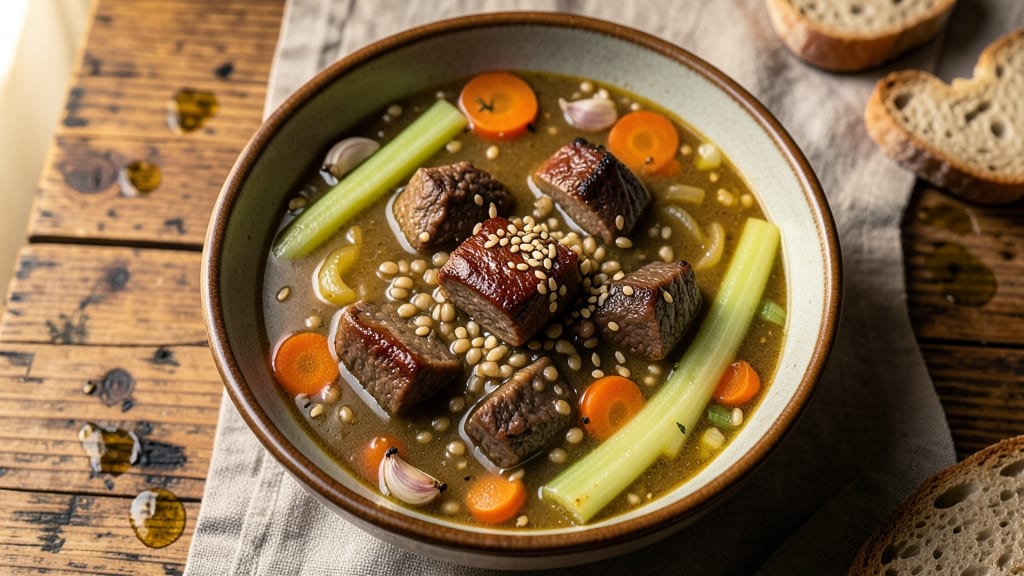
Alton Brown’s beef barley soup transforms tough cuts into rich, hearty perfection with a slow-simmered depth that’s impossible to resist.
The secret lies in browning the beef properly—creating a flavorful crust that forms the soul of the broth—while pearl barley transforms into tender, creamy bites that soak up every layer of savory goodness. This isn’t just soup; it’s a comforting, restaurant-quality meal that builds character as it simmers.
The magic happens in the technique: searing the beef in batches to avoid crowding, deglazing the pan to capture all those caramelized bits, and letting the soup reduce slowly over 2 hours to develop a velvety texture.
No shortcuts here—just time and patience paying off in every spoonful. The result is a soup so deeply flavorful it becomes the centerpiece of any meal, especially on chilly evenings when warmth is essential.
What makes this recipe truly special is how it balances simplicity with sophistication. You’ll start with basic ingredients—beef chuck, carrots, celery, and onions—but the method elevates them into something extraordinary.
The barley softens just enough to hold its shape while absorbing the rich, umami-packed broth, creating a harmony of textures that’s both satisfying and elegant.
Serve it with crusty bread to soak up every last drop or pair it with a simple green salad for balance. The leftovers, if there are any, reheat beautifully, making this the ultimate make-ahead meal. Ready to master this timeless classic? Let’s get started.
Ingredients for beef barley soup recipe alton brown
Transform tough beef into velvety richness with these 15 essential ingredients—where technique meets comfort.
| Ingredient | Amount | Notes |
|---|---|---|
| Beef Chuck Roast 🥩 | 2 lb | Cut into 1-inch cubes, trimmed of fat |
| Pearl Barley 🌾 | 1 cup | Uncooked, rinsed before use |
| Yellow Onion 🧅 | 1 whole | Medium size, chopped |
| Carrots 🥕 | 4 medium | Peeled, cut into 1-inch chunks |
| Celery Stalks 🧄 | 4 whole | Cut into 1-inch pieces |
| Garlic Cloves 🧄 | 6 cloves | Peeled, smashed |
| Tomato Paste 🍅 | ½ cup | High-quality, no sugar added |
| Beef Broth 💧 | 8 cups | Homemade or high-quality store-bought |
| Dry Red Wine 🍷 | 1 cup | Bold variety like Cabernet Sauvignon |
| Fresh Thyme 🌿 | 2 sprigs | Or 1 tsp dried thyme |
| Fresh Parsley 🌿 | ¼ cup | Chopped, for garnish |
| Bay Leaves 🍃 | 2 whole | Removed before serving |
| Salt 🧂 | 2 tsp | Diamond Crystal kosher salt |
| Black Peppercorns 🌶️ | 1 tsp | Freshly cracked |
| Olive Oil 🫒 | ¼ cup | Extra-virgin for searing |
The beef is non-negotiable here. Chuck roast delivers that signature depth—sirloin or ribeye won’t cut it. Trim excess fat to avoid greasy broth but leave some marbling for flavor. Costco or Whole Foods carry pre-cubed chuck, saving you time. For the barley, Bob’s Red Mill is my go-to—the pearl variety holds its shape beautifully. Fresh thyme and parsley from the grocery store’s produce section (not dried) add bright, herbal notes that elevate the dish. The tomato paste? Mutti or San Marzano brands ensure concentrated, sweet flavor without artificial additives.
No red wine? Substitute with extra beef broth—just add 1 tbsp balsamic vinegar for depth. Swapping fresh herbs? Use one-third the amount of dried (e.g., 2 sprigs thyme = 2/3 tsp dried). The carrots and celery can be swapped for leeks or fennel if you prefer, but the classic combo of these three vegetables creates the perfect aromatic base. For the tomato paste, those squeeze tubes from Trader Joe’s work perfectly—they’re convenient and last months in the pantry. If you’re using pre-cubed beef, pat it dry before searing for that crucial crust.
This soup rewards patience—2 hours of simmering develops layers of flavor impossible to rush. Store in the fridge for 4-5 days or freeze for up to 3 months in airtight containers. The barley thickens as it cools, so add a splash of broth when reheating. For meal prep, double the batch—the second day often tastes even better as flavors meld. The bay leaves and thyme sprigs can be removed before serving, but I often leave one sprig in each bowl for presentation (and extra aroma).
Why You'll Love This Recipe
- One-Pot Magic: I swear by this recipe when I’m too tired to scrub pots—just brown the chuck roast, toss in the barley and veggies, and let it simmer. The barley thickens the broth naturally, so no straining or extra steps.
- Deep Umami Bomb: That chuck roast, slow-cooked until tender, melts into the broth like a flavor bomb. The onions and celery caramelize just enough to add a sweet, savory depth that makes every spoonful ridiculously satisfying.
- Leftovers That Shine: Between us, this soup only gets better the next day. The barley absorbs all the rich beefy broth, turning it into a hearty, textured bite—perfect for lunches or freezing for those nights when you’d rather not cook.
- Budget Feast: A single chuck roast stretches to feed four (or five if you’re me and my bottomless appetite). The barley and veggies are cheap staples, but the result? A restaurant-worthy bowl for a fraction of the price. Win.
Step-by-step instructions for beef barley soup
This method delivers rich, slow-simmered beef barley soup with perfect barley texture and deep flavor.
Sear the Beef Chuck Roast for Maximum Flavor
Pat the 2 lb beef chuck roast completely dry with paper towels—this ensures a proper sear. Heat the 0.25 cup olive oil in a large Dutch oven over medium-high heat until shimmering. Working in batches if needed, add the beef cubes and sear undisturbed for 3-4 minutes per side until deeply browned and caramelized. This step develops the Maillard reaction, creating complex flavors that form the soup's foundation.
Real talk: Don't rush this. You want each piece to develop that rich crust. If your pan gets crowded, work in batches and let the oil recover its temperature between additions. Transfer the browned beef to a plate and set aside, leaving all the browned bits in the pot—they'll dissolve into the soup later.
Build the Aromatic Vegetable Base
In the same Dutch oven, add the chopped 1 whole yellow onion, 4 medium carrots, and 4 whole celery stalks. Cook over medium heat for 8-10 minutes, stirring occasionally, until the vegetables soften and begin to caramelize. Add the 6 smashed garlic cloves and cook for another 30 seconds until fragrant.
Here's the thing—this vegetable base forms the flavor backbone of your soup. The onions should be translucent but not browned, and the carrots should yield slightly when pierced with a knife. If they're sticking, add a splash of beef broth to deglaze and scrape up those flavorful browned bits from the bottom of the pot.
Develop the Sauce with Wine and Tomato Paste
Pour in the 1 cup dry red wine and scrape up all the browned bits from the bottom of the pot. Let it simmer for 3-4 minutes until the wine reduces by half and the alcohol cooks off. Stir in the 0.5 cup tomato paste and cook for another 2 minutes, stirring constantly, until it darkens slightly and blends smoothly into the mixture.
This is where the soup's depth comes from. The wine adds acidity and complexity, while the tomato paste provides umami richness. Don't skip this reduction step—it's what transforms good soup into exceptional soup. The mixture should coat the back of a spoon and smell like a sophisticated sauce.
Combine Liquids and Simmer the Soup
Return the browned beef to the pot. Add the 8 cups beef broth, 2 sprigs fresh thyme, 2 whole bay leaves, 2 tsp salt, and 1 tsp freshly cracked black peppercorns. Bring to a gentle boil, then reduce heat to low, cover partially, and let it simmer for 1 hour 30 minutes. The soup should bubble gently but not vigorously—this ensures even cooking without boiling over.
After the initial hour, add the rinsed 1 cup pearl barley. Continue simmering for another 30-45 minutes, until the barley is tender but still has a slight bite. The barley should be plump and al dente—if it's mushy, you've overcooked it. Taste the broth occasionally and adjust seasoning if needed, adding more salt or pepper as necessary.
Finish and Serve with Fresh Herbs
Remove the bay leaves and thyme sprigs. Stir in the chopped 0.25 cup fresh parsley just before serving. Ladle the soup into bowls, making sure each serving gets its share of tender beef and barley. The soup should be rich and hearty, with the barley holding its shape and the beef falling apart easily when pierced with a fork.
Serve immediately while hot, with crusty bread on the side. The soup will continue to develop flavor as it sits, but it's best enjoyed fresh from the pot. If you have leftovers, they'll actually taste better the next day as the flavors meld further.
Pro Tips For Making Beef Barley Soup Recipe Alton Brown
- Sear the Chuck Roast First: I learned this the hard way—skipping the sear means flavorless broth. Pat the roast dry, then hit it with high heat in the Dutch oven until deep brown on all sides. That crust locks in juices and builds depth you’ll taste in every spoonful.
- Cut the Barley in Half: Pearl barley takes forever to cook if you don’t prep it right. Split each grain with a chef’s knife or pulse briefly in a food processor—this cuts cooking time by nearly 40 minutes. (Yes, it looks weird, but it works.)
- Don’t Overcrowd the Pot: I used to toss everything in at once, and the soup turned watery. Brown the veggies in batches—onions first, then carrots and celery—so they caramelize instead of steam. Patience here makes the broth richer.
- Use a Meat Thermometer: The recipe says “tender,” but that’s vague. Pull the beef at 205°F—it’ll shred easily and stay juicy. If you guess, you’ll either have dry chunks or undercooked meat. (Your future self will thank you.)
Common mistakes when making great beef barley soup recipe alton brown
Skipping the Sear
This is the #1 mistake I see—skipping the beef sear or doing it too quickly. The Maillard reaction that happens during searing creates deep, complex flavors that transform ordinary broth into something extraordinary.
I've made this soup both ways, and the difference is night and day. Use a large Dutch oven and work in batches if needed to get that perfect crust on each piece. 🔥
Overcrowding the Pot
Adding all the beef at once leads to steaming instead of searing, which means flavorless meat. I learned this the hard way—my first attempt had beef that tasted bland because it cooked in its own juices.
Work in batches, and let the oil recover its heat between additions. A 12-quart Dutch oven is ideal for this recipe.
Under-Simmering the Barley
Pearl barley needs 30-45 minutes of simmering to reach perfect tenderness. I've seen people add it early and end up with mushy, pasty barley that ruins the texture.
Add it after the initial 1.5-hour simmer and check it frequently. It should be tender but still hold its shape—like al dente pasta.
Using Low-Quality Broth
Store-bought broth can make or break your soup. I used to use the cheapest option, and the results were disappointing. Now I make my own or use Kirkland Signature beef broth from Costco.
The difference in depth of flavor is remarkable. If you must use store-bought, look for brands with no added preservatives.
Ignoring the Wine Reduction
Many recipes call for adding wine and then immediately adding broth, but that skips the crucial reduction step. The wine needs to reduce by half to cook off the alcohol and concentrate its flavors.
I learned this from watching Alton Brown's show—he always emphasizes this step. Don't rush it; let it simmer until it's reduced and fragrant.
Over-Salting Early
Adding all the salt at once can make your soup inedible if you misjudge. Instead, add half the salt with the broth and adjust to taste at the end.
I've had to fix soups that were too salty by adding potatoes to dilute the saltiness—don't make that mistake. Taste as you go and adjust gradually.
Nutrition facts
Frequently asked questions
Why does Alton Brown's recipe use pearl barley instead of quick barley?
Pearl barley holds its shape beautifully and absorbs flavors without turning mushy, creating that perfect al dente texture. Quick barley would dissolve too quickly and make the soup overly thick. The 30-45 minutes of simmering time transforms pearl barley into tender, hearty bites that contrast perfectly with the rich beef broth.
Can I substitute beef chuck with another cut of beef?
While chuck roast is ideal for its marbling and flavor, you can use chuck shoulder or short ribs in a pinch. Avoid lean cuts like sirloin—they won't develop enough richness. If using ribs, trim excess fat and reduce the simmering time by 15 minutes since they cook faster.
How do I know when the barley is perfectly cooked?
The barley should be tender but still hold its shape—like al dente pasta. Test by tasting a grain: it should be soft with a slight bite. Overcooked barley turns mushy and pasty, while undercooked barley remains hard. The 30-45 minutes simmering time after adding barley is critical for this texture.
Can I make this soup in a slow cooker?
Yes, but with adjustments! Sear the beef first, then transfer everything (including the wine and tomato paste) to the slow cooker. Cook on low for 6-7 hours or high for 3-4 hours. The barley will absorb more liquid, so add 1 extra cup of broth if needed. The slow cooker method is great for hands-off cooking but may yield slightly softer barley.
What's the best way to reheat leftovers?
Gently reheat on the stovetop over low heat with a splash of broth to prevent drying. Never microwave directly—it can make the barley rubbery. If the soup thickens too much, stir in a little extra broth or water. Leftovers actually improve as flavors meld, so this soup tastes even better the next day!