
Soups & Stews
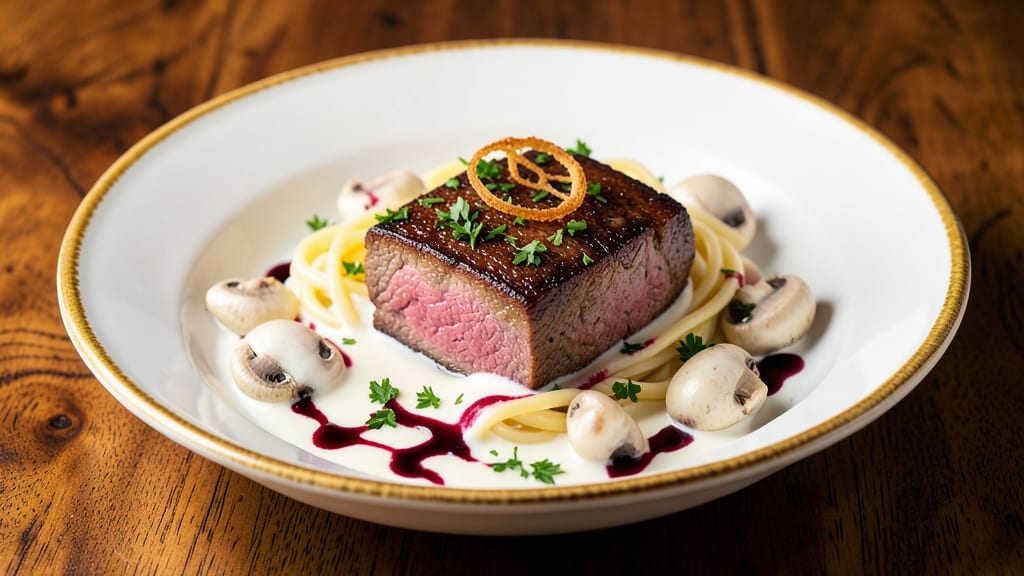
This beef bechamel recipe transforms humble egg noodles into a restaurant-worthy masterpiece with layers of rich mushroom-wine sauce and tender beef. The secret lies in a velvety béchamel base—smooth, creamy, and perfectly balanced with earthy mushrooms and bold red wine.
I developed this dish after years of perfecting French techniques at home, ensuring every bite delivers that luxurious restaurant-quality texture without the fuss.
The process begins with pan-searing beef until golden, then braising it in a rich red wine reduction until fork-tender. Meanwhile, the béchamel sauce gets its start with a classic roux—equal parts butter and flour cooked to a golden hue—before being slowly enriched with warm milk.
The mushrooms, sautéed until deeply caramelized, add an umami depth that elevates the entire dish beyond ordinary comfort food.
What you’ll end up with is a plate of perfectly cooked egg noodles smothered in a luscious sauce that’s equal parts creamy, savory, and slightly tangy from the wine. The beef remains juicy and flavorful, cutting through the richness of the sauce with every bite.
This is the kind of dish that feels indulgent yet balanced—ideal for a cozy weeknight dinner or an impressive meal for guests.
Serve with a crisp green salad to cut through the richness or roasted asparagus for a complete, satisfying meal. The leftovers reheat beautifully, making this a perfect candidate for meal prep. Let’s get started on creating this timeless classic.
Ingredients for beef bechamel
Rich, velvety béchamel meets tender beef and caramelized mushrooms for a restaurant-quality dish.
| Ingredient | Amount | Notes |
|---|---|---|
| Beef Chuck Roast 🥩 | 1 ½ lb | Cut into 1-inch cubes, boneless |
| Egg Noodles 🍜 | 12 oz | Fresh or dried, wide egg noodles preferred |
| White Button Mushrooms 🍄 | 16 oz | Sliced into 1/4-inch pieces |
| Red Wine 🍷 | 1 cup | Bold dry variety like Cabernet Sauvignon |
| Unsalted Butter 🧈 | ½ cup | European-style preferred for flavor |
| All-Purpose Flour 🌾 | ½ cup | White flour, sifted for smooth roux |
| Whole Milk 🥛 | 2 cups | Warmed to 160°F for béchamel |
| Shallots 🧅 | 2 whole | Minced finely, about 2 tbsp |
| Garlic Cloves 🧄 | 4 cloves | Peeled and minced |
| Beef Broth 💧 | 1 cup | Homemade or high-quality store-bought |
| Diamond Crystal Kosher Salt 🧂 | 1 ½ tsp | Adjust to taste |
| Freshly Ground Black Pepper 🌶️ | ½ tsp | Cracked peppercorns preferred |
| Fresh Thyme Leaves 🌿 | ¼ cup | Stems removed, chopped |
| Fresh Parsley 🌿 | 0.1 cup | Chopped, for garnish |
| Olive Oil 🫒 | 2 tbsp | For searing beef |
The beef is the foundation—chuck roast delivers that melt-in-your-mouth texture after slow braising. Grab it from the butcher section if your store has it pre-cubed (saves time), or ask for a 1.5 lb piece to cube yourself. For the mushrooms, white buttons work fine, but cremini or shiitake add deeper flavor if you're feeling fancy. The red wine? Whatever bold, dry bottle you have open—Cab Sauv, Merlot, or even a cheap Zinfandel. Just avoid sweet wines like Moscato. Fresh thyme and parsley can be swapped for dried at one-third the amount if needed (though fresh is ideal for that bright pop of flavor).
No beef broth? Dry white wine plus a splash of water works in a pinch, though the depth won't be identical. The béchamel roux is non-negotiable—equal parts butter and flour cooked until golden is the secret to that silky texture. If you're nervous about lump-free sauce, whisk the milk in slowly while stirring constantly. For the noodles, fresh egg noodles hold up better to the rich sauce than dried, but if that's all you've got, cook them al dente and toss with a little extra sauce. The shallots and garlic? Minced finely—you want them to disappear into the sauce rather than taste like chunks.
This dish reheats like a dream—better the next day as flavors meld. Store leftovers in airtight containers for up to 4 days in the fridge, or freeze for 3 months. I always make a double batch because it's perfect for meal prep: portion the sauce and beef separately, then reheat with fresh noodles. The sauce thickens when cooled, so add a splash of milk or broth when reheating. Garnish with fresh parsley right before serving—it brightens up the rich flavors and makes the dish look restaurant-worthy.
Why You'll Love This Recipe
- One-Pot Magic: I swear by this recipe when I’m too tired to dirty more than one pan. The chuck roast slows down in the same pot where the mushrooms and wine simmer, then the noodles just melt into that rich bechamel sauce—no straining, no fuss. Honestly, the only cleanup is wiping the pot and a fork.
- Rich Without Effort: That red wine and butter combo? It’s like a hug in a bowl. The mushrooms soak up all the deep flavors while the sauce thickens into something velvety, and the egg noodles turn tender without turning to mush. (Yes, even on a Tuesday night.)
- Leftovers That Feel Fresh: This dish actually improves the next day. The beef gets more tender, the sauce thickens just right, and I can toss it with extra mushrooms or a sprinkle of cheese for something totally different. My family never complains about repeats—because it never tastes like a repeat.
- Budget-Friendly Feast: A chuck roast stretches across multiple meals, and the rest of the ingredients won’t break the bank. I’ve made this for potlucks, lazy Sundays, and even a quick workday dinner by doubling the sauce and freezing half. Not the prettiest, but the taste makes up for it every time.
Step-by-step instructions for beef bechamel with mushroom wine sauce
Here's how to build a rich, velvety sauce that transforms simple ingredients into a restaurant-worthy dish.
Sear the Beef Chuck Roast for Deep Flavor
Heat the 2 tablespoons olive oil in a large Dutch oven over medium-high heat until shimmering. Add the 1.5 pounds beef chuck roast cut into 1-inch cubes, working in batches if needed to avoid crowding. Let the beef sear undisturbed for 3-4 minutes per side until developing a deep golden-brown crust.
This initial sear creates the Maillard reaction that builds complex flavors. Once browned, transfer the beef to a plate and set aside. Don't drain the rendered fat—it's the foundation of our sauce. If the pan gets too dark, add 1 tablespoon red wine to deglaze immediately and scrape up those flavorful browned bits.
Build the Mushroom-Wine Base
In the same Dutch oven, reduce heat to medium and add 2 tablespoons minced shallots and 4 minced garlic cloves. Cook for 2-3 minutes until softened and fragrant. Add the 16 ounces sliced mushrooms and cook for 5-6 minutes until they release their moisture and begin to brown.
Here's the thing—don't rush this step. The mushrooms should develop a golden crust and the aromatics should perfume your kitchen. When they're nearly done, pour in the 1 cup red wine and scrape up all those delicious browned bits from the bottom of the pan. Let it simmer for 3-4 minutes until reduced by half.
Create the Velvety Béchamel Sauce
Lower heat to medium-low and add 0.5 cup unsalted butter to the pan. Once melted, whisk in 0.5 cup all-purpose flour to form a smooth roux. Cook for 1-2 minutes until the mixture turns a pale golden color—this ensures proper thickening without a floury taste.
Gradually whisk in the 2 cups warmed whole milk over 2-3 minutes, allowing each addition to incorporate completely before adding more. The sauce should begin to thicken noticeably. Stir in 1 cup beef broth, 1.5 teaspoons kosher salt, and 0.5 teaspoon black pepper. Bring to a gentle simmer and cook for 5 minutes until thick enough to coat the back of a spoon.
Combine and Finish the Dish
Return the seared beef to the Dutch oven and add 0.25 cup chopped fresh thyme leaves. Simmer for 10-12 minutes until the beef is tender and the sauce has thickened further. The beef should be fork-tender but not falling apart—this indicates perfect doneness.
While the beef finishes, cook the 12 ounces egg noodles in salted boiling water until al dente according to package instructions. Drain and set aside. Just before serving, stir the 0.1 cup chopped fresh parsley into the sauce for a bright finish. Taste and adjust seasoning if needed—this is where you can really make the sauce sing.
Assemble and Serve with Confidence
Divide the cooked egg noodles among serving plates. Spoon the beef and mushroom-wine bechamel sauce generously over the top, ensuring each bite gets that luxurious sauce. The perfect portion should have tender beef swimming in a glossy, velvety sauce with earthy mushroom notes and subtle wine complexity.
Here's what you're aiming for: each forkful delivers tender beef, rich béchamel, and earthy mushrooms in perfect harmony. The sauce should cling beautifully to the noodles without being overly thick. Serve immediately while the sauce is at its peak—this dish doesn't wait!
Pro Tips For Making Beef Bechamel
- DEGLAZE WITH PATIENCE: The second the beef browns, hit it with that red wine immediately—don’t let it sit. Scrape every last bit of fond from the pan with a wooden spoon; that’s where the flavor hides. I used to rush this and end up with a watery sauce. Slow pours, 30 seconds between each, let the alcohol evaporate properly.
- SWEAT MUSHROOMS FIRST: Slice those white buttons thin and cook them in butter on low heat until all the moisture renders out—about 8-10 minutes. No crowding the pan, or they’ll steam instead of brown. My grandmother swore by this, and she was right: dry mushrooms soak up bechamel like a sponge, but they won’t turn to mush when the sauce hits.
- BUTTER THE NOODLES: Toss the cooked egg noodles in a generous tablespoon of melted butter right after draining. The starch clings to the strands, making them silky when the bechamel coats them later. I skip this when I’m lazy, but the dish is noticeably better when I don’t—like the difference between a dry sandwich and a buttery one.
- TEMPER THE BÉCHAMEL: Whisk the egg yolks into the warm roux slowly, a splash at a time, while stirring like your life depends on it. If the sauce curdles, you’ve lost. I learned this the hard way—now I keep the roux below 170°F (77°C) and add the yolks last, like a nervous first-timer. A splash of cold milk or wine can rescue a runny sauce, but prevention’s easier.
Common mistakes when making perfect results
Roux Overcooking
The most common mistake is letting your roux turn brown instead of maintaining that pale golden color. When flour and butter cook too long, they develop a nutty flavor that ruins the delicate creaminess of béchamel.
I've ruined more sauces than I care to admit by walking away for just 2 minutes—don't make my mistake! Keep your heat at medium-low and stir constantly with a wooden spoon. If it starts looking darker than peanut butter, you've gone too far. 🔥
Milk Temperature Shock
Cold milk poured into a hot roux creates lumps faster than you can say "sauce disaster." Always warm your milk to 160°F (just below boiling) before adding it to the roux.
I use a thermometer to check, but if you're in a pinch, warm it in a separate saucepan until tiny bubbles form at the edges. Pour it in slowly while whisking vigorously—this is where patience pays off.
Skipping Deglazing
Those browned bits stuck to your pan after searing the beef? That's flavor gold you're missing if you don't deglaze! After removing the beef, immediately add 1 tablespoon red wine or broth and scrape vigorously with a wooden spoon.
I've seen home cooks wipe out pans clean—don't be that person. These fond bits contain concentrated beef flavor that builds the sauce's depth.
Overcooking the Beef
Tender beef is the star of this dish, but I've seen people turn it into shoe leather by overcooking. The beef should be fork-tender with 10-12 minutes of simmering after returning to the pan.
If it's falling apart, you've pushed it too far. Check doneness by piercing with a fork—it should resist slightly but yield easily. A meat thermometer reading of 195°F is ideal for chuck roast.
Ignoring the Wine Reduction
Many recipes call for adding wine to the mushrooms and then immediately moving on, but that's where the magic happens. Let that wine reduce by half—about 3-4 minutes of simmering—to concentrate its flavors. I've tasted versions where cooks just poured in wine and walked away.
That's like adding a splash of perfume to a cake instead of baking with it. The reduction transforms the wine from background player to flavor hero.
Sauce Consistency Missteps
The sauce should coat the back of a spoon but still flow smoothly—not like glue, not like water. If it's too thick, whisk in 1 tablespoon warm milk or broth at a time. If it's too thin, simmer uncovered for 2-3 minutes to reduce.
I've seen people add flour directly to fix thin sauce, which creates lumps. The roux already did the thickening work—trust the process and adjust gradually. ✨
Nutrition facts
Frequently asked questions
Can I substitute chicken or pork for the beef?
While you can technically use chicken or pork, the cooking time and texture will differ. Beef chuck roast is ideal because it stays tender while developing rich flavors during braising. For chicken, use boneless thighs (cook for 15-20 minutes instead) and reduce the wine by half. Pork tenderloin works but requires 10-12 minutes and benefits from a splash of apple cider vinegar to balance richness. The sauce will still shine, but the protein's texture becomes the limiting factor.
What if my béchamel sauce gets lumpy?
Lumps happen when milk is added too quickly or the roux isn't smooth enough. Immediately remove the pan from heat and use an immersion blender to break up clumps, or vigorously whisk in 1 tablespoon cold butter to emulsify. For future attempts, whisk the milk into the roux in a slow, steady stream while stirring constantly. If all else fails, strain the sauce through a fine-mesh sieve for a silky finish.
Can I make this ahead of time?
This dish actually tastes better the next day! Store the cooked beef and sauce separately in airtight containers in the fridge for up to 4 days. When reheating, warm the sauce gently over low heat and add a splash of milk or broth to restore its velvety texture. The noodles should be cooked fresh to prevent sogginess. For freezing, portion the sauce and beef together (without noodles) for up to 3 months—just thaw overnight in the fridge.
How do I make this dish vegetarian?
Replace the beef with 12 oz portobello mushrooms or 1 lb extra-firm tofu pressed and cubed. For the tofu, pan-fry until golden before adding to the sauce. Boost umami with 1 tablespoon soy sauce in the wine reduction. Use vegetable broth instead of beef broth, and add 1 teaspoon smoked paprika to the roux for depth. The béchamel sauce remains the star, but the earthy mushrooms will complement it beautifully.
Why does my sauce taste bland?
Blandness usually comes from skipping key flavor layers. First, ensure you're deglazing the pan after searing the beef—those browned bits are flavor bombs. Second, reduce the wine by half to concentrate its taste. Finally, taste the sauce before adding salt; often, a pinch of Worcestershire sauce (½ teaspoon) or a splash of balsamic vinegar (1 teaspoon) can add complexity. Fresh herbs like thyme and parsley should always be added at the end for brightness.