
Soups & Stews
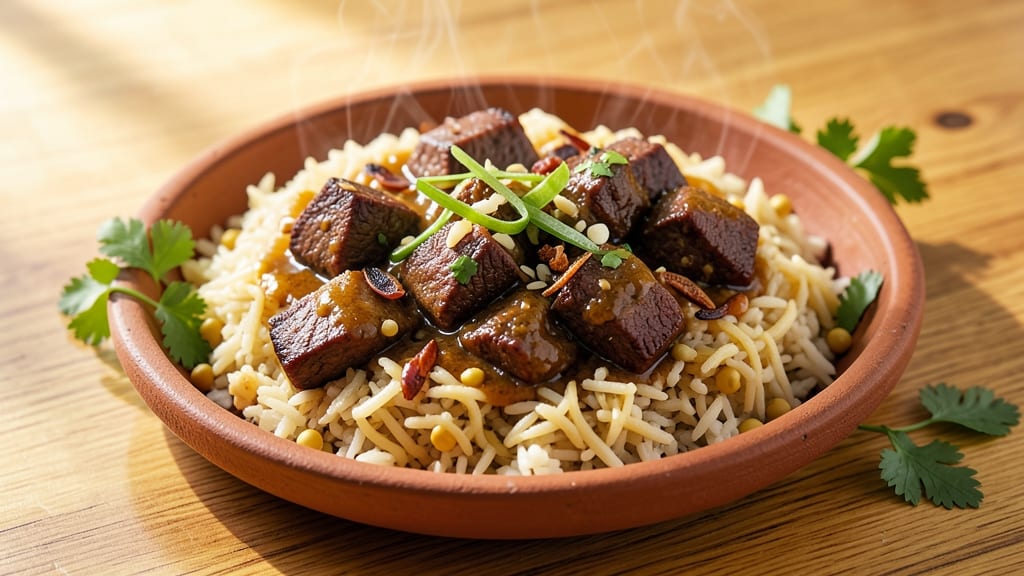
This beef bhuna khichuri recipe brings the heart of Bengali cuisine to your kitchen, blending a rich beef stew with fragrant rice and lentils in one comforting dish.
The slow-cooked beef infuses with warm spices like cumin, coriander, and garam masala, while the rice-lentil base absorbs the deep flavors—creating a meal that’s both hearty and deeply satisfying.
I’ve perfected this technique to ensure every bite delivers the perfect balance of tender beef, aromatic rice, and spiced gravy, all without requiring complicated steps.
The magic lies in the layered cooking process: first marinating the beef with yogurt and spices, then slow-cooking it until fall-apart tender, and finally combining it with the tempered rice-lentil mixture.
This one-pot wonder is traditionally cooked in a heavy pot to trap steam, enhancing the flavors as they meld together over time. The result is a dish that’s as nourishing as it is flavorful, perfect for a cozy family dinner or a special occasion.
What makes this recipe stand out is its ability to transform simple ingredients into something extraordinary. The beef becomes melt-in-your-mouth tender, while the rice and lentils soak up the rich, spiced gravy, creating a dish that’s both comforting and deeply flavorful.
Whether you’re serving it with a side of mustard oil or a cooling cucumber raita, this Bengali classic is sure to become a staple in your home.
Ready to master this dish? The step-by-step instructions will guide you through marinating the beef, slow-cooking the stew, and assembling the khichuri—all while keeping the flavors authentic and the process straightforward. Let’s get started!
Ingredients for beef bhuna khichuri recipe bengali
The heart of Bengali comfort food—spiced beef, fragrant rice, and lentils in one aromatic pot.
| Ingredient | Amount | Notes |
|---|---|---|
| Beef Chuck Roast 🥩 | 1 ½ lb | Cut into 1-inch cubes, boneless |
| Plain Yogurt 🥛 | ½ cup | Whole milk preferred for richness |
| Basmati Rice 🍚 | 1 cup | Uncooked, long-grain preferred |
| Yellow Lentils 🌾 | ½ cup | Rinsed thoroughly, no need to soak |
| Fresh Ginger 🧄 | 2 tbsp | Finely grated, fresh is best |
| Garlic Cloves 🧄 | 6 cloves | Peeled, minced finely |
| Ground Cumin 🌿 | 1 tbsp | Toasted for deeper aroma |
| Ground Coriander 🌿 | 1 tbsp | Freshly ground preferred |
| Turmeric Powder 🌶️ | ½ tsp | Bright yellow color, no lumps |
| Garam Masala 🌶️ | 1 tbsp | Authentic blend preferred |
| Red Chili Powder 🔥 | 1 tsp | Adjust for heat preference |
| Onion 🧅 | 1 whole | Medium, finely chopped |
| Tomato Paste 🍅 | 2 tbsp | High-quality, no water added |
| Bay Leaf 🌿 | 1 whole | Fresh or dried, one leaf |
| Salt 🧂 | 1 ½ tsp | Diamond Crystal preferred |
| Mustard Oil 🫒 | 2 tbsp | For finishing, optional |
| Fresh Cilantro 🌿 | ¼ cup | Chopped, for garnish |
The beef is non-negotiable here. Chuck roast gives you that melt-in-your-mouth texture—sirloin stays tough. Grab it from the butcher section at Whole Foods or your local Indian grocery (they often have pre-cut chunks). For the spices, Patel Brothers or Spicewalla are gold mines, but the grocery store's garam masala works too—just check the ingredients for fillers. Fresh ginger and garlic? Buy extra—you'll want them for other dishes too. The yogurt should be thick and plain—Fage or Siggi's are my go-tos, but any whole-milk yogurt works.
No garam masala? Mix equal parts cumin, coriander, cinnamon, cardamom, and cloves—it's not identical, but it'll get you close. Short on time? Pre-cut beef from the deli counter saves chopping. The tomato paste can be the squeeze-tube kind (no waste, lasts forever), but San Marzano paste is worth it if you're splurging. For the lentils, yellow or brown lentils work—just don't use red lentils (they'll turn mushy). And if you're avoiding mustard oil, ghee or olive oil finishes beautifully instead.
This dish tastes even better the next day—make extra. Store in an airtight container in the fridge for 4-5 days, or freeze portions for 3 months. The rice-lentil base keeps well separately too, so you can reheat just the beef if you're short on time. For serving, mustard oil drizzled over hot khichuri is traditional, but a squeeze of lemon works in a pinch. Leftovers reheat perfectly with a splash of water—just stir gently to avoid mush.
Why You'll Love This Recipe
- One-Pot Wonder: I swear by this when I’m too tired to juggle pots—just brown the beef, toss in the rice and lentils, and let it simmer. The yogurt thickens everything into one rich, fragrant dish with zero extra cleanup.
- Ginger-Beef Magic: That slow-cooked beef with fresh ginger? It melts in your mouth like a tender, spiced hug. The yellow lentils add earthiness, and the basmati rice soaks up all the smoky-sweet gravy—no dry bites here.
- Weeknight to Party: Same recipe, totally different vibes. Serve it in a bowl with raita for a lazy Sunday or pile it high on a platter for guests—just add a side of pickles or a squeeze of lemon. Honestly, it’s my go-to when I don’t want to stress.
- Budget-Friendly Feast: A whole roast feeds six for next to nothing, and leftovers reheat like a dream. Between us, this is how I stretch my grocery budget without sacrificing flavor—rich, hearty, and still cheap enough to make twice a week.
Step-by-step instructions for beef bhuna khichuri
Here's how to craft this hearty Bengali one-pot wonder with tender beef and fragrant spiced rice.
Prepare the Beef and Aromatics
Begin by cutting the 1.5 lb beef chuck roast into 1-inch cubes, trimming any excess fat. In a large pot, heat 2 tablespoons mustard oil over medium-high heat until shimmering. Add the beef cubes in a single layer and sear for 5-6 minutes, stirring occasionally, until they develop a deep golden-brown crust. This step builds flavor through the Maillard reaction - don't rush it or the beef will release too much liquid too soon.
Once the beef is well-browned, remove it from the pot and set aside. In the same pot, add the 1 whole onion (finely chopped) and cook for 4-5 minutes until softened and golden. Add the 2 tablespoons fresh ginger and 6 cloves garlic cloves (minced), stirring for 30 seconds until fragrant. Here's where the magic starts - you should smell that aromatic base developing.
Build the Spice Base
Lower the heat to medium and add the 1 tablespoon ground cumin, 1 tablespoon ground coriander, 0.5 teaspoon turmeric powder, and 1 teaspoon red chili powder. Stir vigorously for 1 minute until the spices bloom and release their oils - you'll see them sizzle and darken slightly. This is crucial for developing depth of flavor.
Add the 2 tablespoons tomato paste and cook for 2 minutes, stirring constantly, until it darkens and becomes slightly sticky. Pour in 2 cups water (measured separately) and bring to a gentle simmer. Return the beef to the pot along with any accumulated juices. Add the 1 whole bay leaf and bring everything to a rolling boil. Once boiling, reduce heat to low, cover partially, and let it simmer for 45 minutes, stirring occasionally.
Combine Rice and Lentils
After the beef has simmered for 45 minutes, add the 1 cup basmati rice and 0.5 cup yellow lentils (rinsed). Stir gently to combine with the beef and spice mixture. The rice should be mostly submerged - if not, add ½ cup more water. Add 1.5 teaspoons salt and 0.5 cup plain yogurt, stirring well to distribute evenly.
Bring the mixture back to a boil, then immediately reduce heat to low, cover completely, and let it cook for 25-30 minutes. The key here is patience - you want the rice to absorb all the liquid and become tender while the beef remains juicy. After 20 minutes, check the rice - it should be tender but still have a slight bite. If it's not done, cook for another 5 minutes with the lid slightly ajar to let excess steam escape.
Finish with Garam Masala
Once the rice is tender and the beef is fork-tender (it should pull apart easily), remove the bay leaf. Stir in the 1 tablespoon garam masala and cook for 2-3 minutes on low heat. This final step infuses the dish with that signature warm, earthy aroma that makes bhuna khichuri so special. Taste and adjust seasoning - you might need a pinch more salt or chili powder depending on your preference.
Remove from heat and let it sit covered for 5 minutes. This resting period allows the flavors to meld together perfectly. Garnish with 0.25 cup fresh cilantro just before serving. The dish should have a rich, spiced broth that coats every bite of tender beef and perfectly cooked rice. Serve immediately with a side of raita or fresh green chutney for the full Bengali experience.
Pro Tips For Making Beef Bhuna Khichuri Recipe Bengali
- Brown the Beef Slowly: Start with low heat for the first 10 minutes while searing—this renders fat without burning it. I used to rush this, and the dish ended up bitter. Let the beef release its juices gradually, then crank the heat for the final crust.
- Grate Ginger Like a Pro: Use a microplane or fine grater for ginger, not a knife—this keeps the texture smooth and prevents clumps in the yogurt marinade. My grandmother swore by this, and it actually makes the dish taste fresher.
- Don’t Overcrowd the Pot: Cook the lentils and rice separately for khichuri, then mix them at the end. Crowding the pot turns the lentils mushy and the rice gluey—this dish needs texture, not a paste.
- Temper the Yogurt First: Warm the yogurt with a pinch of salt and ginger before adding it to the bhuna—this prevents curdling when it hits the hot beef. I learned this the hard way after a lumpy, sad sauce.
Wine and beer pairings for these flavors
Traditional Pairings
Bengali cuisine pairs beautifully with light, aromatic wines that complement the dish's rich spices without overpowering them. A dry Riesling from Germany—specifically a Mosel or Rheingau—works wonders. Its crisp acidity and citrus notes cut through the beef's richness while enhancing the garam masala's warmth.
The slight sweetness in some Rieslings also balances the dish's spice, making every bite more harmonious. 🍷
Beer Recommendations
For beer lovers, a German Helles or Pilsner is ideal. The clean, malty profile of a Weihenstephaner Original or Spaten Optimator complements the beef's depth without clashing.
If you prefer something more robust, a Belgian Witbier like Hoegaarden adds a subtle citrus and coriander note that mirrors the dish's aromatic spices. Avoid heavy stouts or IPAs—they’ll overpower the delicate flavors of the khichuri.
Non-Alcoholic Options
For a refreshing non-alcoholic pairing, try sparkling lime soda or mango lassi. The effervescence of San Pellegrino or Sprite cleanses the palate between bites, while the creamy sweetness of lassi soothes the spice.
I often serve a cool glass of coconut water with a squeeze of lime—it’s hydrating and balances the dish’s richness perfectly. 🥤
Regional Twists
In Bengal, this dish is often enjoyed with mustard oil or green chutney on the side. For a modern twist, pair it with a spicy tomato-onion salad or cucumber raita to add freshness.
If you're serving it at a gathering, a lightly sweetened rose water or saffron-infused milk (kheer) can elevate the experience, especially during festive occasions like Durga Puja.
Wine and Beer Storage Tips
Store your Riesling in a cool, dark place (around 50-55°F) for up to 3 months after opening—refrigerate it once opened. For beer, keep Helles or Witbiers in the fridge for 5-7 days post-opening, or transfer to a beer bottle with a beer cap to extend freshness.
If you’re serving multiple bottles, chill them in an ice bucket for 20 minutes before pouring to preserve their crispness.
Nutrition facts
Frequently asked questions about beef bhuna khichuri
Can I make this recipe with chicken instead of beef?
Yes, but the cooking time and texture will differ. Chicken should cook for 25-30 minutes instead of 45 minutes for beef, and you'll want to use boneless thighs (they stay juicier than breasts). The rice-lentil base remains the same, but reduce the cooking time by 10 minutes since chicken absorbs flavors faster.
Why does my beef come out tough instead of tender?
This usually happens from one of three issues: not enough searing (beef needs that golden crust), too much liquid (keep it to 2 cups max), or high heat (always simmer gently). For extra tenderness, add 1 teaspoon baking soda to the marinade—it helps break down collagen. The beef should pull apart easily with a fork when done.
What's the secret to getting perfectly cooked rice in khichuri?
The key is the two-stage cooking: first simmer the beef until tender, then add rice/lentils with just enough water to cover (½ inch above ingredients). The rice absorbs the beef's spiced broth perfectly. If it's undercooked, add 2 tablespoons water and cook 5 more minutes covered. Never stir while cooking—it releases starches and makes the rice mushy.
Can I prepare this dish ahead of time?
This dish actually tastes better the next day! Store in an airtight container in the fridge for 3-4 days or freeze for 3 months. Reheat gently on low heat with 2 tablespoons water to restore moisture. The flavors meld beautifully overnight, making it even more aromatic. For serving, reheat until piping hot and garnish with fresh cilantro.
What's the difference between bhuna khichuri and regular khichuri?
Regular khichuri is just rice and lentils cooked together, while bhuna khichuri adds a spiced protein base (traditionally beef, chicken, or fish) that's slow-cooked with aromatic spices. The bhuna version has a richer, more complex flavor profile from the meat's long cooking process and the layered spices. Think of it as khichuri's hearty cousin!