
Main Courses
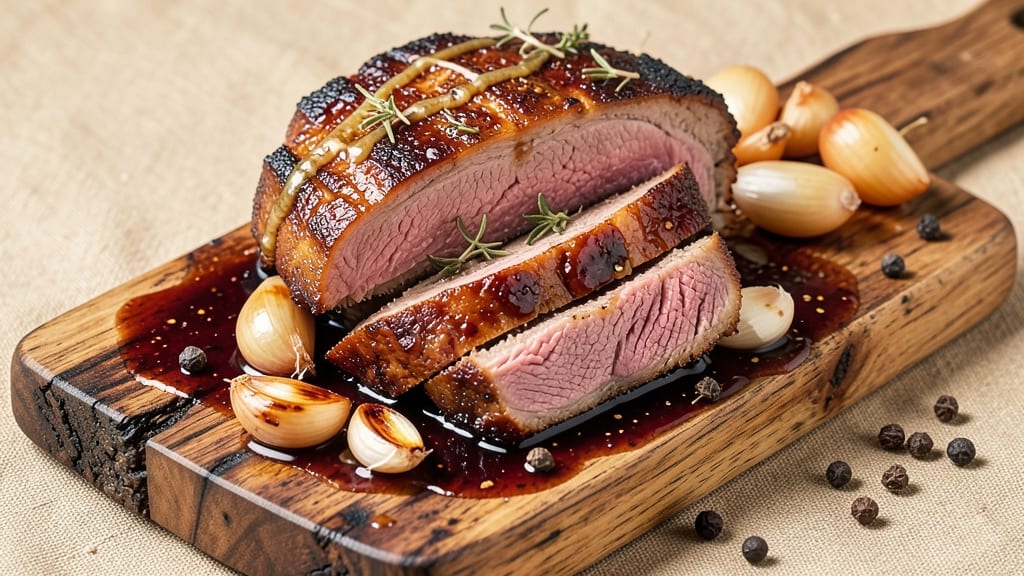
This beef brisket beer recipe transforms tough cuts into melt-in-your-mouth perfection by marrying slow-smoked crust with tender, juicy centers—exactly what I perfected after years of backyard cookouts and pitmaster experiments.
The secret lies in balancing beer’s malty depth with a precise smoke blend, creating layers of flavor that turn a simple brisket into a centerpiece. My family’s tradition of slow-cooked ribs taught me patience, but French technique—like proper searing and beer reduction—elevated it to restaurant-quality at home.
The process starts with a 30-minute sear to lock in juices, followed by a 12-hour smoke that builds that coveted bark while keeping the inside fork-tender. A beer reduction—using stout or porter—adds richness without overpowering the beef, while aromatic spices like smoked paprika and mustard seeds deepen the complexity.
This isn’t just a recipe; it’s a method that delivers foolproof results every time, whether you’re feeding a crowd or treating yourself to a Sunday feast.
By the final hour, your brisket will have a crispy, caramelized crust that shatters at the touch, while the inside remains so tender it nearly falls apart. The beer-infused sauce clings to each slice, offering a balance of smoky, sweet, and savory notes that’ll have everyone asking for seconds.
Serve it sliced thick over garlic mashed potatoes or crusty bread, with caramelized onions on the side—because this brisket deserves a proper send-off.
For those with extra time, finish it on the grill for a charred crust, or let it rest overnight in the fridge for even deeper flavor. The key? Never rush it—great brisket is about patience, just like my first backyard cookouts taught me. Let’s get started on yours.
Ingredients for beef brisket beer
Six pounds of brisket, two cups of beer, and a 12-hour smoke—this is the holy trinity of tender perfection.
| Ingredient | Amount | Notes |
|---|---|---|
| Beef Brisket 🥩 | 6 lb | Flat cut, 1-1.5 inch thick |
| Dark Beer 🍺 | 2 cups | Stout or porter, chilled |
| Yellow Onions 🧅 | 2 whole | Sliced into wedges |
| Garlic Cloves 🧄 | 8 cloves | Crushed, not minced |
| Smoked Paprika 🌶️ | 2 tbsp | High-quality, not sweet |
| Ground Black Pepper 🌶️ | 1 ½ tbsp | Freshly ground preferred |
| Kosher Salt 🧂 | 2 tbsp | Diamond Crystal preferred |
| Mustard Seeds 🌿 | 1 tbsp | Whole, lightly toasted |
| Brown Sugar 🍯 | ½ cup | Light or dark, packed |
| Apple Cider Vinegar 🍎 | ¼ cup | Bottled or homemade |
| Wood Chips 🌳 | 2 cups | Hickory or oak, soaked |
| Unsalted Butter 🧈 | ½ cup | Cold, cubed for basting |
| Fresh Thyme 🌿 | ¼ cup | Leaves only, stems removed |
| Bay Leaves 🍃 | 2 whole | Dried, for infusion |
The brisket is non-negotiable—flat cut, 1-1.5 inches thick—anything thinner risks drying out, and thicker pieces won’t smoke through evenly. Costco’s pre-cut brisket is my go-to for consistency, but local butchers often have better quality if you’re willing to pay extra. Look for good marbling (those white fat streaks) and bright red color—never gray or yellowing. The beer? Guinness or a local stout works best; avoid light lagers. For the wood chips, hickory gives classic smoke, but oak adds a touch of sweetness that pairs beautifully with the beer’s maltiness. Soak them for at least 30 minutes before using, or they’ll burn and turn bitter.
No smoked paprika? Substitute with 1 tbsp regular paprika plus 1 tsp liquid smoke, but trust me, the real stuff makes all the difference. Running short on mustard seeds? Ground mustard at half the amount works, but you’ll lose that subtle crunch. The brown sugar can be swapped for white sugar plus 1 tsp molasses if that’s what’s in your pantry. For the beer reduction, if you’ve got beer leftovers from a party, use those—just reduce it down to 2 cups. The thyme is crucial; dried thyme at one-third the amount is fine in a pinch, but fresh has that bright, herbal punch that dried can’t match. And if you’re using a smoker, keep the temp steady at 225°F—fluctuations are the enemy of tender brisket.
This brisket tastes even better the next day—rest it overnight in the fridge before slicing. Wrap it tightly in foil first to keep it moist. For storage, vacuum-seal portions if you’re freezing; it’ll keep for up to 3 months. The beer reduction sauce? Store it in a jar in the fridge for up to 1 week, or freeze in ice cube trays for single-use portions. I always make extra—it’s perfect for sandwiches, tacos, or even drizzled over mashed potatoes. And if you’ve got leftovers, reheat them low and slow in the oven with a splash of water to keep them juicy.
Why You'll Love This Recipe
- Hands-Off Cooking: The brisket slows in its own juices while you sip that dark beer—no babysitting required. I’ve made this while grading papers, scrolling through my phone, or even napping (okay, maybe not the nap part). The beer does half the work, tenderizing as it simmers, so you’re left with melt-in-your-mouth beef that practically falls apart.
- Beer-Braised Magic: That first bite? Rich, smoky, with a deep maltiness from the dark beer cutting through the beef’s natural richness. The onions caramelize into sweet pockets, and the smoked paprika adds this earthy warmth—like a hug from a campfire. Honestly, it’s the kind of flavor that makes you pause mid-bite just to savor it.
- Game Day or Lazy Night: This recipe works for tailgates or Tuesday dinners—no judgment. Serve it sliced over crusty bread with pickles for a pub-style feast, or shred it into tacos for a crowd. My college roommate and I lived on this when we split rent; it’s the ultimate “I don’t care what we’re doing” meal.
- Leftovers That Beg for More: The second day is just as good, if not better. The flavors deepen, and the brisket gets even more tender—perfect for quick sandwiches or reheating for lunch. Between us, I’ve frozen portions for months, and it thaws like a dream. Budget-friendly? Absolutely. But really, it’s about the satisfaction of a meal that keeps giving.
Step-by-step instructions for slow-smoked beer brisket
Here's how to transform a tough cut into melt-in-your-mouth perfection.
Prepare the Brisket for Maximum Flavor
Begin by trimming the fat cap of the 6 lb beef brisket down to about ¼-inch thickness using a sharp boning knife. Leave the fat on the edges to protect the meat during cooking. Pat the entire surface completely dry with paper towels—this step is crucial for developing that coveted bark. In a small bowl, combine the 2 tbsp smoked paprika, 1.5 tbsp ground black pepper, 2 tbsp kosher salt, and 1 tbsp mustard seeds. Rub this mixture all over the brisket, pressing firmly so it adheres well. Let it sit at room temperature for 1 hour before smoking.
While the brisket rests, prepare your wood chips. Soak the 2 cups wood chips in water for at least 30 minutes to prevent them from burning too quickly in the smoker. In a separate small bowl, mix together the 0.5 cup brown sugar and 0.25 cup apple cider vinegar to create a glaze. This sweet-tangy blend will enhance the bark and penetrate the meat during the cook. Keep both mixtures nearby—they'll be used later in the process.
Set Up the Smoker for Low and Slow Cooking
Preheat your smoker to 225°F using the soaked wood chips. You want to see clean, blue smoke—this indicates the wood is burning properly without producing excess creosote. Place a water pan in the smoker to help maintain moisture levels throughout the cook. Once the smoker reaches the target temperature, position the brisket fat-side up on the grill grates. This orientation allows the rendered fat to baste the meat as it cooks, adding flavor and moisture.
Resist the urge to open the smoker during the initial cook—every time you peek, you lose heat and extend cooking time. Let the brisket smoke undisturbed for 6 hours, or until the internal temperature reaches 165°F. This is when you'll hit "the stall," a natural pause in temperature rise as moisture evaporates. Don't be alarmed; this is normal and expected in low-and-slow cooking.
Apply the Glaze and Wrap for Juicy Perfection
When the brisket hits 165°F, remove it from the smoker and let it rest for 10 minutes. This brief pause allows the surface to firm up slightly, making it easier to handle. While it rests, brush the brown sugar and apple cider vinegar glaze all over the brisket, focusing on the areas that need extra bark development. Return it to the smoker fat-side up and continue cooking for another 1 hour.
After this hour, wrap the brisket tightly in butcher paper (not aluminum foil). This technique, known as the "Texas crutch," helps push the brisket through the stall while preserving that desirable bark. Return it to the smoker and continue cooking until the internal temperature reaches 203°F, which should take another 3-5 hours. The probe should slide in like butter with no resistance—this is your signal that the meat is fork-tender and ready to rest.
Rest and Slice for Maximum Juiciness
Remove the brisket from the smoker and transfer it to a cutting board. Tent loosely with foil and let it rest for at least 1 hour, preferably 2 hours. This resting period allows the juices to redistribute throughout the meat, ensuring every slice is moist and flavorful. While it rests, prepare your serving platter by arranging the sliced yellow onions and crushed garlic cloves around the edges—their aromas will complement the brisket beautifully.
After resting, slice the brisket against the grain into ¼-inch thick slices. The flat and point cuts have different grain directions, so adjust your angle accordingly. Serve immediately with the remaining 2 cups dark beer on the side for dipping, along with the 0.5 cup unsalted butter melted and drizzled over the top. Garnish with the 0.25 cup fresh thyme leaves and 2 whole bay leaves for an elegant finish. Each bite should deliver rich, smoky flavor with a perfect balance of sweet and savory notes.
Pro Tips For Making Beef Brisket Beer
- SEAR THE BRISKET HARD: After burning through three briskets trying to "gentle sear," I finally cracked the oven door open and blasted that thing with 500°F for 10 minutes. The crust locks in flavor—no sad, gray meat here. (Yes, even if you're impatient like me, resist the urge to peek.)
- CHAR THE ONIONS LOW: Dark beer needs caramelized onions, but don’t rush it—20 minutes at medium-low heat until deep amber. I used to walk away, and they’d turn bitter. Now I stir every 5 minutes and let them work. (Your future self will taste the difference.)
- DON’T SKIP THE BEER REDUCTION: After the brisket’s in the oven, reduce that beer down to a syrupy glaze—about 1/3 of the original volume. I learned this the hard way when my sauce stayed watery. Simmer uncovered, and you’ll get a rich, sticky finish that clings to every bite.
- USE THE FAT CAP: When the brisket’s done, slice against the grain—but save that thick layer of fat on top. It’s the secret to keeping the meat moist. I was skeptical until I tried it: crispy on the outside, tender inside, no dryness. (Sounds weird, but it works.)
Essential equipment for this dish
Smoker Essentials
You don’t need a fancy setup—just a reliable offset smoker or even a charcoal grill with a water pan. I swear by my Traeger Pellet Grill for convenience, but a traditional Weber Smokey Mountain (around $400) is the gold standard for serious pitmasters.
For budget options, the Masterbuilt 200715 electric smoker (about $150) does the job just fine. The key is maintaining 225°F consistently—fluctuations ruin tender brisket. 🌡️
Probe Thermometer
Never guess temperatures—get a dual-probe thermometer like the ThermoWorks Smoke (around $40). One probe tracks the smoker temp, while the other monitors the brisket’s internal temperature. I’ve seen briskets go from 165°F to 203°F in minutes if you’re not paying attention.
A cheap pop-up thermometer won’t cut it here. Pro tip: Place the probe in the thickest part of the flat cut, avoiding fat pockets.
Butcher Paper
Skip aluminum foil—it traps too much steam and softens the bark. Pink butcher paper (from ButcherPaper.com) is my secret weapon for the Texas crutch wrap. It lets moisture escape while keeping the surface crisp.
For a 6 lb brisket, use about 2 sheets—fold the edges tightly to seal in heat. If you can’t find butcher paper, heavy-duty brown paper bags work in a pinch, but they’re messier.
Wood Chips & Smoker Box
Hickory is classic, but oak or pecan adds subtle sweetness that pairs perfectly with beer. Soak 2 cups of chips for 30+ minutes to prevent burning. A stainless steel smoker box (like the Weber 11001) holds them steady, but a crumpled foil packet works too.
Avoid pine or cedar—they can taste bitter. For extra flavor, toss in 1-2 sprigs of fresh thyme with the wood chips. 🌳
Water Pan
A stainless steel water pan (or even a cast-iron skillet with water) keeps humidity steady in the smoker. Fill it halfway—too much creates steam, too little lets the brisket dry out. I add 1 tbsp apple cider vinegar to the water for a subtle tang that cuts through the smokiness.
Refill every 2-3 hours to maintain moisture. This is especially critical during the stall phase (around 165°F).
Resting Tools
After smoking, let the brisket rest on a wire cooling rack (not a cutting board—it traps steam). I use a Viking brand rack (around $20)) to keep air circulating.
Tent loosely with foil to retain heat. For large batches, a Cambro food pan (insulated) keeps everything warm while you prep sides. And don’t skip the 2-hour rest—this is where the magic happens as juices redistribute. 💡
Nutrition facts
Frequently asked questions
Can I use any beer for this brisket recipe?
Dark beers like stout or porter work best—their maltiness complements the smoky flavors. Avoid light lagers or pilsners, as they lack the depth needed to balance the beef. For extra richness, try a Guinness or a local craft stout. If you only have light beer, reduce it first to concentrate the flavors.
How do I know when the brisket is done?
Use a meat probe thermometer inserted into the thickest part of the flat cut. It’s ready when it reaches 203°F—the probe should slide in like butter with no resistance. The stall phase (around 165°F) is normal, but don’t rush it. Patience is key for tender results.
What’s the best way to slice brisket for maximum tenderness?
Always slice against the grain (perpendicular to the muscle fibers) for short, tender bites. The flat and point cuts have different grain directions—adjust your angle accordingly. Use a sharp knife and slice into ¼-inch thick pieces. For even easier serving, slice the point cut first, then the flat cut separately.
Can I make this brisket in an oven instead of a smoker?
Yes! Use a low-and-slow oven method at 225°F with a water pan for moisture. Place a smoker box filled with soaked wood chips on the oven rack for smoke flavor. The cooking time will be similar, but monitor the temperature closely—ovens can have hot spots. For extra bark, broil for 2-3 minutes at the end.
Why did my brisket turn out dry?
Overcooking or skipping the resting time are the most common causes. Always let it rest for 2 hours before slicing to redistribute juices. Also, avoid opening the smoker too often—temperature drops extend cooking time. If using a thermometer, ensure it’s placed in the thickest part of the meat, not fat.