
Main Courses
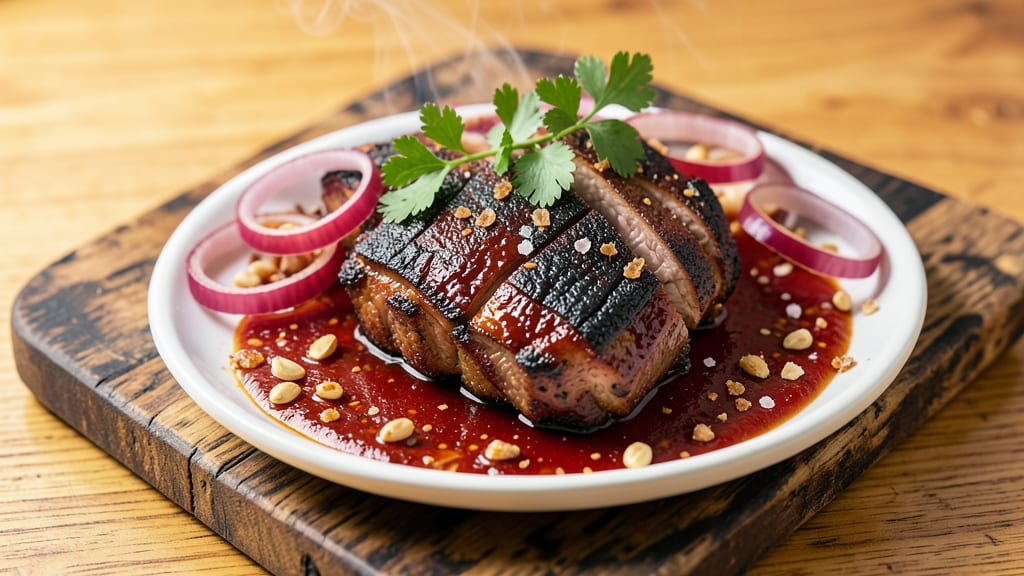
This beef brisket burnt ends recipe turns tough cuts into irresistible, smoky-sweet bites that melt at the touch—where slow cooking meets pure satisfaction. I’ve perfected this recipe over years of backyard cookouts and pitmaster competitions, where the difference between good and legendary brisket comes down to patience and precision.
The key? A perfect blend of spices, low-and-slow heat, and knowing exactly when to pull those rich, caramelized ends from the smoke.
This isn’t just another brisket recipe—it’s a foolproof method that delivers tender, flavor-packed meat with a deep mahogany crust, ready in about 12 hours of hands-off cooking.
We start with a dry rub that clings to the meat like armor, then let the smoke work its magic while you handle the rest of your day. The result?
Shreds so tender they fall apart at the first pull, infused with a perfect balance of smoky, sweet, and savory notes that’ll have everyone reaching for seconds.
By the time you’re done, you’ll have a restaurant-quality centerpiece that pairs beautifully with classic sides like cornbread, creamy coleslaw, or buttery mashed potatoes. The burnt ends—those precious, caramelized nuggets—are the star, but the whole brisket is worth the wait.
This is the kind of meal that turns weeknights into celebrations, and once you try it, you’ll never settle for less.
Whether you’re cooking in a smoker, oven, or slow cooker, this recipe adapts to your setup while delivering professional results every time. Let’s get started on a dish that’s equal parts science and art—where the smoke tells the story and the flavor does the talking.
Ingredients for beef brisket burnt ends
Sixteen essentials for brisket that melts like butter and tastes like victory.
| Ingredient | Amount | Notes |
|---|---|---|
| Beef Brisket Point Cut 🥩 | 4 lb | Whole packer cut, fat cap intact |
| Yellow Onion 🧅 | 1 whole | Medium size, sliced into wedges |
| Garlic Cloves 🧄 | 8 cloves | Fresh, peeled and smashed |
| Brown Sugar 🍯 | ½ cup | Packed light, dark variety |
| Kosher Salt 🧂 | ¼ cup | Diamond Crystal preferred |
| Smoked Paprika 🌶️ | 2 tbsp | High-quality, not pre-mixed |
| Ground Black Pepper 🌶️ | 1 tbsp | Freshly cracked preferred |
| Dried Thyme 🌿 | 1 tbsp | Or 1 tbsp fresh thyme leaves |
| Ground Cumin 🌿 | 1 tbsp | Toasted for deeper flavor |
| Blackstrap Molasses 🍯 | ¼ cup | For rich, deep sweetness |
| Apple Cider Vinegar 🍎 | ½ cup | For tangy balance |
| Beef Broth 💧 | 1 cup | Low-sodium preferred |
| Yellow Mustard 🍯 | 1 tbsp | For subtle tang |
| Wood Chips (Hickory or Oak) 🌳 | 1 package | Soaked for 1 hour minimum |
| Butter 🧈 | ¼ cup | Unsalted, for basting |
The brisket cut is non-negotiable here—point cut delivers the most marbling and flavor. Costco or local butchers are your best bets for quality; avoid pre-trimmed cuts that lose too much fat. Look for a piece with a good fat cap (at least 1/4 inch thick)—this is what keeps the meat moist during those long hours in the smoker. If you're buying whole, trim just the edges to keep that protective fat layer intact. The spices? Penzeys or bulk bins at Whole Foods carry the best quality, but don't stress if you can't find them—just make sure your smoked paprika has a deep, smoky aroma, not a dusty one.
No smoked paprika? Substitute 1 tbsp regular paprika plus 1 tsp liquid smoke—it won't be identical, but it'll get you close. Running short on molasses? Honey or maple syrup at half the amount works in a pinch, though molasses gives that unmistakable depth. The apple cider vinegar might seem like an odd addition, but trust me—it cuts through the richness and makes those burnt ends sing. Trader Joe's has a great organic version that's perfect for this. For the wood chips, if you can't find hickory or oak, cherry or pecan will give you a slightly sweeter smoke profile. And if you're cooking indoors, soak your wood chips overnight to prevent flare-ups.
This rub keeps for 3 months in an airtight container—make extra and store it in the pantry. The brisket itself? Wrap it tightly in butcher paper or foil after the first 4-5 hours to speed up the cooking process (this is called the Texas Crutch). Reheat burnt ends gently in the oven with a splash of beef broth to keep them moist. They're even better the next day—plan ahead. And if you're feeling ambitious, freeze portions of the rub for your next cookout. Just thaw it overnight in the fridge before applying.
Why You'll Love This Recipe
- One-Pan Magic: Honestly, I swear by this recipe because it’s that simple—just toss the brisket point, onions, and garlic on a sheet pan, sprinkle brown sugar and salt, and let the oven do the work. No flipping, no fussing, no extra pots.
- Caramelized Crunch: That crispy, sticky exterior with tender meat inside? It’s the brown sugar and salt working their magic while the onions caramelize. The first bite is like a hug in food form—sweet, smoky, and ridiculously satisfying.
- Leftovers for Days: Between us, I make this for Sunday dinner and still have enough for sandwiches by Wednesday. The burnt ends keep well, and reheating them is just about tossing them in the oven until they’re warm and crispy again.
- Budget-Friendly Feast: A single brisket point cut feeds four, and the ingredients won’t break the bank. I’ve fed my whole family plus my neighbor’s kids with one pan—no takeout needed, just pure, delicious comfort.
Step-by-step instructions for beef brisket burnt ends
Here's how to transform brisket point into melt-in-your-mouth burnt ends with deep smoky-sweet flavor.
Trim and Season the Brisket Point
Begin by trimming the fat cap of the 4 lb beef brisket point cut down to about ¼ inch thickness using a sharp boning knife. Leave the fat on the edges to protect the meat during cooking. Pat the surface completely dry with paper towels—this ensures maximum crispiness when smoked.
In a small bowl, combine the 0.25 cup kosher salt, 2 tbsp smoked paprika, 1 tbsp ground black pepper, 1 tbsp dried thyme, and 1 tbsp ground cumin. Rub this dry mixture evenly over all sides of the brisket, pressing it into the meat so it adheres well. Let the seasoned brisket sit at room temperature for 30 minutes before smoking—this allows the seasoning to penetrate and the meat to cook more evenly.
Smoke the Brisket Low and Slow
Preheat your smoker to 225°F using the soaked wood chips (hickory or oak). Place the brisket point cut fat-side up on the smoker grate and close the lid. Smoke undisturbed for 6-8 hours, maintaining a consistent temperature. The reason for this long cook time is to break down the tough connective tissue, transforming it into tender, flavorful burnt ends.
After 6 hours, check the internal temperature using a meat thermometer. When it reaches 165°F, wrap the brisket tightly in butcher paper (not aluminum foil) and return it to the smoker. This "Texas crutch" technique helps push the meat through the stall while preserving that coveted bark. Continue smoking until the internal temperature reaches 200-205°F, which should take an additional 4-6 hours.
Prepare the Braising Liquid
While the brisket smokes, prepare the braising liquid by combining the 1 whole yellow onion (sliced into wedges), 8 cloves garlic cloves (peeled and smashed), 0.5 cup brown sugar, 0.25 cup blackstrap molasses, 0.5 cup apple cider vinegar, 1 cup beef broth, and 1 tbsp yellow mustard in a large Dutch oven. Bring this mixture to a boil over medium-high heat, then reduce to a simmer for 15 minutes to allow the flavors to meld.
Once the brisket reaches 200-205°F, remove it from the smoker and let it rest for 15 minutes. Then, cut the brisket into 1-inch chunks and add them to the braising liquid. Stir gently to coat the meat in the flavorful mixture. The chunks should be mostly submerged, but don't worry if they're not fully covered—they'll finish cooking in the liquid.
Braise Until Tender and Glazed
Return the Dutch oven to the stovetop and bring the liquid to a gentle simmer over low heat. Cover and let it cook for 2-3 hours, stirring occasionally, until the meat is fork-tender and the liquid has reduced to a thick, glossy glaze. The burnt ends should be falling apart easily, and the sauce should coat the back of a spoon.
Once the burnt ends are tender, stir in the 0.25 cup butter and let it melt into the sauce, enriching the flavor and adding a velvety texture. Taste and adjust the seasoning if needed—you may need a touch more salt or a splash of apple cider vinegar to balance the sweetness. The burnt ends are ready when they're glazed, tender, and bursting with smoky-sweet flavor.
Rest and Serve
Transfer the burnt ends and braising liquid to a serving dish and let them rest for 10 minutes before serving. This resting period allows the juices to redistribute, ensuring each bite is as tender as the first. Serve the burnt ends with the glaze spooned over the top, and don't forget to pass around the extra sauce—it's where all the magic happens.
These burnt ends are perfect for sandwiches, tacos, or serving as a standalone dish with crusty bread to soak up every last drop of that smoky-sweet sauce. The key to their success lies in the patience of the low-and-slow smoke, followed by the deep, caramelized flavors of the braise. You'll want to make this again and again—it's that good.
Pro Tips For Making Beef Brisket Burnt Ends
- Trim the Fat First: Cut away the thickest layer of fat from the brisket point before cooking—it’s not just about looks. That extra fat can steam the meat instead of rendering down into flavorful crisp, and it’ll make your pan sear cleaner without a grease fire. I used to skip this, then realized my burnt ends were always slightly soggy.
- Roast Onions Low and Slow: Caramelize the onions in a 300°F oven for 45-60 minutes before adding them to the brisket—no need for high heat. They’ll break down into a sweet, jammy texture that clings to the meat, and you won’t waste time babysitting a skillet. (Yes, even if you’re impatient like me.)
- Salt the Meat Twice: Generously season the brisket point with salt before searing, then again after it’s rested. The first layer helps draw out moisture for a better crust, while the second locks in flavor after the meat relaxes. I learned this the hard way—dry, bland burnt ends are no one’s idea of a good time.
- Finish with a Sugar Glaze: After searing, toss the brisket with brown sugar and a splash of water, then broil for 3-5 minutes. The sugar caramelizes into a sticky, glossy finish that makes every bite taste like it was slow-cooked twice. (Your future self will thank you—it’s the thing that matters most.)
Wine and beer pairings for this recipe
Red Wine Pairings
For these rich, smoky-sweet burnt ends, I reach for bold reds that stand up to the depth of flavor. A Zinfandel from California—especially one with 14-15% ABV—cuts through the fat while complementing the molasses and blackstrap notes.
I love Ravenswood Old Vine Zinfandel for its jammy berry flavors and peppery finish. If you prefer something smoother, a Cabernet Sauvignon from Napa Valley with its dark fruit and velvety tannins works beautifully. 🍷
Malbec Magic
Argentinian Malbec is my go-to for a more international twist—its dark plum and cocoa notes harmonize perfectly with the caramelized edges of the burnt ends. Look for a bottle from Mendoza with 13.5-14.5% ABV, like Catena Zapata.
The wine's natural acidity also helps cleanse your palate between bites, making it ideal for a full brisket feast. Pro tip: Decant it for 30-45 minutes before serving to soften the tannins.
Beer Pairings
A crisp amber ale bridges the gap between the smoky meat and the sweet glaze. I adore Leinenkugel's Summer Shandy—its citrusy hop notes and light body balance the richness without overpowering.
For something heartier, a Belgian Dubbel like Westmalle Trappist brings caramel and raisin flavors that mirror the burnt ends' sweetness. Keep it cold but not ice-cold—around 50-55°F to preserve the malt profile. 🍺
Craft Stout Contrast
If you're serving burnt ends on crusty bread or in tacos, a dark stout like Guinness or Founders Kentucky Breakfast Stout adds a roasted maltiness that contrasts the smoky sweetness. The coffee and chocolate notes in the stout create a complex flavor dance.
Serve it slightly warmer than room temperature—around 55°F)—to highlight its depth. This pairing feels indulgent, like a dessert after a hearty meal.
Non-Alcoholic Options
Don't overlook the power of a well-crafted mocktail. I blend sparkling apple cider with a splash of ginger beer and a dash of molasses—the same ingredients in your rub! Add ice and a cinnamon stick for garnish.
For something more robust, try a smoked tea—steep black tea with a hickory wood chip (yes, really!) for 10 minutes before serving over ice. It mimics the smoky depth without alcohol. 💫
Nutrition facts
Frequently asked questions
What's the secret to getting perfectly tender burnt ends?
The magic happens in two phases: low-and-slow smoking breaks down the connective tissue, while the braising liquid (with molasses and vinegar) tenderizes further. The key is patience—don't rush the 200-205°F internal temp, even if it takes 12 hours total. The molasses caramelizes into a glaze that keeps them moist while adding that signature sweetness.
Can I make burnt ends in an oven instead of a smoker?
Preheat your oven to 275°F and place the brisket on a rack over a baking sheet with 1 cup water (for moisture). Smoke substitute: Add 1 tbsp liquid smoke to the braising liquid. Cook for 6-8 hours until tender, then wrap in butcher paper and finish at 300°F for 2 more hours. The texture won't be identical, but it'll still be delicious.
How do I store or reheat leftover burnt ends?
Store in an airtight container with the braising sauce for up to 4 days in the fridge. To reheat, place in a skillet with 1-2 tbsp beef broth over low heat until warmed through (10-15 minutes). For leftovers, freeze portions in the sauce for up to 3 months. Thaw overnight in the fridge before reheating. Never microwave—it turns the meat rubbery.
What's the best way to serve burnt ends?
They're perfect for sliders on toasted brioche, tacos with pickled onions, or as a standalone dish with cornbread to soak up the sauce. For a restaurant-style presentation, arrange them on a platter with extra glaze drizzled over the top. Pair with creamy coleslaw or roasted sweet potatoes to balance the richness.
Why did my burnt ends turn out dry?
Most likely, you overcooked them past 205°F or didn't rest the meat after smoking. Always wrap in butcher paper (not foil) during the stall, and never exceed 205°F. The braising liquid should be reduced but still glossy—if it's bone-dry, add 1-2 tbsp beef broth while reheating. Dryness usually means the meat lost moisture during cooking.