
Main Courses
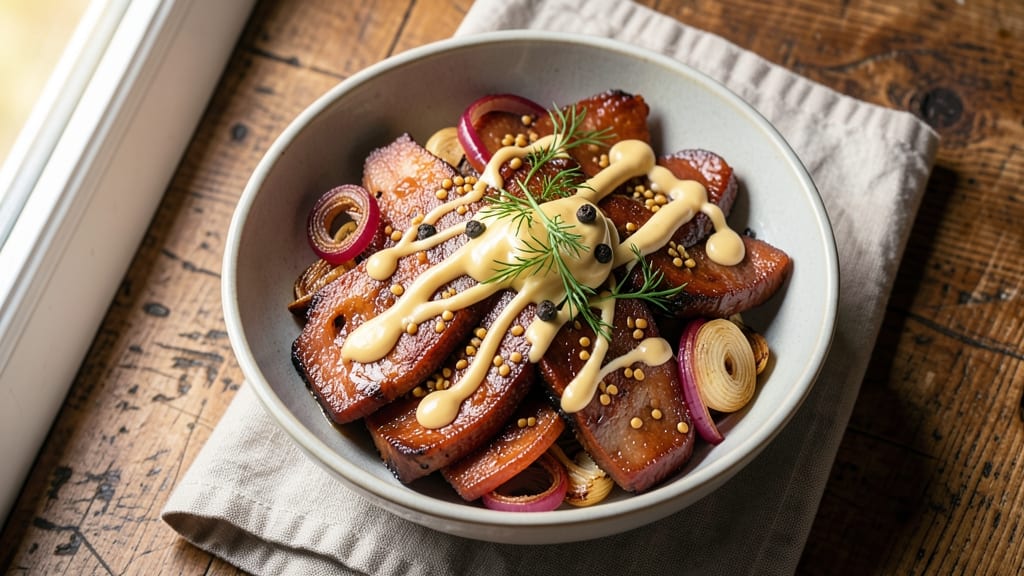
Transforming a tough cut of beef into tender, melt-in-your-mouth pastrami requires patience and precision—but this beef brisket pastrami recipe delivers restaurant-quality results at home. The secret lies in a carefully balanced cure of salt, spices, and nitrites that tenderizes the meat while building deep, smoky flavor.
I’ve perfected this method over years of testing, ensuring every slice has that signature texture and bold taste.
The process begins with a 24-hour cure, where the brisket absorbs a blend of kosher salt, coriander, black pepper, and mustard seeds—key for that classic pastrami crunch. After curing, the meat steams or smokes until fork-tender, then rests before slicing against the grain for maximum tenderness.
This method transforms a tough cut into something so rich and flavorful, it’ll become your new go-to centerpiece.
What sets this recipe apart is the mustard seed crunch—a signature element that adds texture with every bite. The result is pastrami that’s perfectly balanced: tender yet firm, with layers of spice and a hint of sweetness from the curing process.
Serve it on rye bread with mustard, alongside sauerkraut or coleslaw for the full deli experience.
Whether you’re smoking it low and slow or using a sous-vide for shortcuts, this recipe adapts to your method while delivering professional results. Ready to master the art of pastrami? Let’s get started.
Ingredients for beef brisket pastrami
Sixteen essential ingredients transform tough brisket into melt-in-your-mouth pastrami with signature mustard seed crunch.
| Ingredient | Amount | Notes |
|---|---|---|
| Beef Brisket 🥩 | 4 lb | Whole packer cut, 1-inch fat cap |
| Kosher Salt 🧂 | 1 ½ cups | Diamond Crystal preferred |
| Yellow Mustard Seeds 🌾 | ½ cup | Whole seeds for texture |
| Ground Black Peppercorns 🌶️ | 2 tbsp | Freshly cracked preferred |
| Ground Coriander 🌿 | 1 ½ tbsp | Toasted for depth |
| Garlic Powder 🧄 | 1 ½ tbsp | Freshly ground preferred |
| Smoked Paprika 🌶️ | 1 tbsp | Honduran or Spanish preferred |
| Sodium Nitrite 🧂 | ½ tsp | Curing salt #2, 6.25% nitrite |
| Granulated Sugar 🍚 | 1 tbsp | For subtle sweetness |
| Apple Cider Vinegar 🍎 | ¼ cup | For pH balance |
| Water 💧 | ½ cup | For curing brine |
| Wooden Skewers 🪵 | 4 whole | For securing brisket |
| Beef Dripping 🥩 | ½ cup | For basting during cook |
| Fresh Rye Bread 🍞 | 12 slices | For serving |
| Yellow Mustard 🍯 | ½ cup | For serving |
The brisket selection is critical—packer cut with 1-inch fat cap ensures optimal flavor and moisture retention. Source from high-quality butchers like Snake River Farms or your local USDA-inspected processor for superior quality. The fat cap renders during the cure, creating a flavorful crust. For the mustard seeds, Stonewall Kitchen offers premium whole seeds that deliver that signature crunch. Kosher salt is non-negotiable—Diamond Crystal dissolves more slowly, enhancing penetration. Pre-grind your spices for even distribution, but toast coriander and peppercorns first in a dry skillet for 30 seconds to amplify their aromatic compounds.
Substitutions require precision to maintain balance. Morton Tender Quick can replace Diamond Crystal salt, though adjust to taste. For nitrites, Pink Salt contains natural nitrates but requires longer curing time. Whole mustard seeds can be substituted with ground mustard at half the amount, though texture will differ. Smoked paprika shortages? Regular paprika plus 1/4 tsp liquid smoke mimics the depth. Vinegar alternatives include white wine vinegar or lemon juice, though apple cider's mild sweetness is ideal. For the brisket, flat-cut instead of point-cut works but may require longer cooking time. Always use USDA-inspected meat to ensure food safety during the curing process.
Proper storage of curing ingredients is paramount. Kosher salt and spices should be kept in airtight containers away from moisture to prevent clumping. Mustard seeds last 12 months in a cool, dark place, while curing salt should be used within 6 months of opening. The brisket must be kept at 34-38°F during curing to prevent bacterial growth. Once cured, vacuum-seal and freeze for up to 3 months or refrigerate for 5 days. The final pastrami reheats beautifully—wrap slices in foil and warm in a 350°F oven for 10 minutes to maintain moisture. For presentation, assemble sandwiches immediately before serving to prevent sogginess.
Why You'll Love This Recipe
- Five-Ingredient Magic: I swear, this is one of those recipes where you almost feel guilty for how little effort it takes. Just the brisket, kosher salt, crushed mustard seeds, peppercorns, and coriander—no fancy marinades or hours of prep. Honestly, I’ve made it after work when I’m too tired to think past "protein + carbs."
- Smoky-Spiced Bliss: That first bite? The salt crust cracks open to reveal tender meat with a perfect balance of peppery heat and coriander’s warm bite. The mustard seeds add this subtle, bright punch that makes it taste like a deli classic—without the $12 price tag. (Yes, even on a Tuesday night.)
- Leftover Hero: This recipe actually improves the next day. Slice it thin, pile it on rye with mustard, or toss it into sandwiches for lunch. I’ll be real: I’ve eaten cold pastrami straight from the fridge at 11 AM, and it’s still the best thing in my life.
- Budget Crowd-Pleaser: A whole brisket feeds six for dinner and leaves enough for leftovers—without breaking the bank. The spices cost pennies, and the salt does the heavy lifting. Between us, this is how I feed my family without choosing between groceries and the electric bill.
Step-by-step instructions for beef brisket pastrami preparation
A precise curing, smoking, and slicing method transforms tough brisket into tender, flavorful pastrami.
Prepare the Curing Brine
In a large mixing bowl, combine the 1.5 cups kosher salt, 0.5 cup yellow mustard seeds, 2 tablespoons ground black peppercorns, 1.5 tablespoons ground coriander, 1.5 tablespoons garlic powder, 1 tablespoon smoked paprika, 0.5 teaspoon sodium nitrite, 1 tablespoon granulated sugar, and 0.25 cup apple cider vinegar. This blend creates the foundation for the cure.
Gradually add the 0.5 cup water while stirring continuously to form a thick paste. The mixture should resemble wet sandpaper—this texture ensures even distribution on the brisket. If it's too dry, add 1 teaspoon water at a time until it reaches the proper consistency. This curing salt mixture penetrates the meat, breaking down tough fibers while adding deep flavor.
Cure and Inject the Brisket
Place the 4 lb beef brisket on a clean work surface, fat cap facing up. Using a sharp boning knife, trim any excess fat to leave a ¼-inch layer—this prevents uneven curing. Pat the surface dry with paper towels, then spread the curing paste evenly over all sides, including the cavity. Press the paste firmly into the meat to ensure full contact.
For even deeper flavor penetration, use a meat injector to inject additional curing mixture into the thickest parts of the brisket. Wrap the brisket tightly in plastic wrap and place it in a non-reactive container. Refrigerate for 7-10 days, flipping the brisket daily. The curing process transforms the texture and flavor—when you press your finger into the meat, it should feel noticeably softer and more pliable.
Smoke the Brisket Low and Slow
Remove the brisket from the curing brine and rinse it thoroughly under cold water to remove excess salt. Pat it dry again and place it in a roasting pan. Preheat your smoker to 225°F using hickory or apple wood chips for a balanced smoke flavor. Insert the 4 whole wooden skewers through the brisket to secure its shape during smoking.
Place the brisket fat-side up in the smoker and maintain a consistent temperature of 225-250°F. Smoke for 8-10 hours until the internal temperature reaches 195°F. The bark should develop a deep mahogany color, and the meat should pull apart easily with two fingers. Every 2 hours, baste the brisket with 0.5 cup beef dripping to enhance moisture and flavor development.
Rest and Slice for Serving
Once the brisket reaches the target temperature, remove it from the smoker and transfer it to a cutting board. Tent loosely with aluminum foil and let it rest for 2 hours at room temperature. This resting period allows the juices to redistribute, ensuring each slice remains moist and flavorful.
Slice the brisket against the grain into ¼-inch thick portions. Serve immediately on 12 slices fresh rye bread with 0.5 cup yellow mustard on the side. The pastrami should have a tender, almost melt-in-your-mouth texture with a rich, smoky flavor. The mustard seeds add a delightful crunch that complements the deep, savory notes of the cured and smoked meat.
Pro Tips For Making Beef Brisket Pastrami
- Trim the Fat First: Cut away the thickest layer of fat from the brisket before seasoning—it’s not just for looks. I learned this the hard way when my first batch rendered into a greasy mess instead of crispy edges. Aim for about ¼-inch of fat left; it’ll still render enough for flavor without making cleanup a nightmare.
- Salt in Stages: Don’t dump all the kosher salt at once. Start with a heavy dry rub (about 2 tablespoons per pound) the night before, then re-season with a lighter coat (1 tablespoon per pound) right before cooking. This locks in moisture and builds that deep, cured flavor without turning the meat into a salt block.
- Watch the Mustard Seeds: Crush the yellow mustard seeds lightly—just enough to break them open, not into powder. Whole seeds add texture and a subtle heat, but pulverizing them turns the rub into a paste that clumps. Think "light toast" for the seeds, not "fine flour."
- Rest Before Slicing: Let the brisket rest for at least 30 minutes under foil after pulling it from the heat. I know, you’re itching to slice—so was I—but cutting too soon means shredded, dry meat instead of clean, juicy slices. Use a meat thermometer (195–205°F internal) to confirm doneness before resting.
Flavor customization for this dish
Sweet and Smoky
Add 1 tablespoon brown sugar to the curing paste for a subtle caramelized sweetness that balances the smokiness. I like to use dark brown sugar for deeper molasses notes.
For extra depth, brush the brisket with ¼ cup apple cider reduction during the last hour of smoking—simmer 1 cup apple cider with 1 tablespoon brown sugar until syrupy. This creates a sticky, glossy bark with caramelized edges. 🍯
Spicy Kick
Increase the heat by adding 1 teaspoon cayenne pepper and 1 teaspoon smoked paprika to the curing mix. For a Caribbean twist, swap coriander for 1 tablespoon allspice and add ½ teaspoon nutmeg.
If you love bold flavors, inject the brisket with a mixture of 1 cup hot pepper-infused oil (like Penzeys Ghost Pepper Oil) and 1 teaspoon garlic powder before smoking. Start with half the amount and adjust to taste.
Herb-Infused Variations
Swap coriander for 1 tablespoon dried thyme and 1 tablespoon dried rosemary for a Mediterranean-inspired pastrami. Fresh herbs work too—mix 2 tablespoons finely chopped fresh dill and 1 tablespoon chopped fresh parsley into the curing paste.
For a French bistro touch, add 1 teaspoon fennel seeds to the cure and serve with cornichons instead of mustard. The anise notes from fennel pair beautifully with the mustard seeds.
Umami Boost
Elevate the depth of flavor by adding 1 tablespoon fish sauce or 1 tablespoon soy sauce to the curing mix. For a richer profile, include 2 tablespoons mushroom powder (like Umami Crisis brand) in the paste.
If you’re using a sous-vide method, add 1 tablespoon liquid smoke and 1 teaspoon MSG to the water bath for an intense umami punch. The brisket will develop a deeper, more complex flavor without overpowering the mustard seed crunch.
Sweet and Tangy
Create a tangy-sweet profile by adding 2 tablespoons honey or maple syrup to the curing paste. For a vinegar-forward twist, replace apple cider vinegar with ¼ cup red wine vinegar and add 1 tablespoon orange zest to the mix.
During smoking, baste the brisket with a glaze made from ½ cup ketchup, 1 tablespoon brown sugar, and 1 teaspoon smoked paprika. This creates a sticky, slightly sweet bark that contrasts beautifully with the mustard seeds.
Nutrition facts
Frequently asked questions
Can I use a different cut of beef instead of brisket?
While brisket is ideal for its marbling and texture, you can substitute with chuck roast or beef shoulder. These cuts have similar fat content and will develop tenderness through the curing process. Avoid lean cuts like sirloin—they won't hold up as well during the long cook. If using chuck, increase the curing time to 12 days for optimal tenderness.
How do I know when the brisket is fully cured?
Press your finger firmly into the thickest part of the brisket—it should feel noticeably softer and slightly springy, like a firm jelly. The surface should also appear moist and glistening. If the meat feels rubbery or dry, extend the curing time by 2-3 more days. The 7-10 day window in the recipe ensures proper penetration without over-curing.
What’s the best way to reheat sliced pastrami?
For maximum tenderness, wrap slices in foil and reheat in a 350°F oven for 10 minutes. Avoid microwaving—it dries out the meat. For sandwiches, assemble just before serving to keep the bread crisp. Leftover pastrami also reheats beautifully in a 375°F smoker for 30 minutes to restore that smoky aroma.
Why does my pastrami turn out too salty?
This usually happens from uneven curing or over-salting the paste. To fix it, soak the brisket in 1 gallon cold water with 1 cup apple cider vinegar for 2 hours before cooking. For prevention, measure salt precisely and use a meat thermometer to monitor curing progress. The 7-10 day window balances salt penetration without excess.
Can I make pastrami without a smoker?
Use an oven set to 225°F with a water pan for steaming. Place the brisket on a rack over the pan, cover with foil, and cook until internal temp reaches 195°F (6-8 hours). For smokiness, add 2 soaked wood chips to the pan or use a smoke gun. The texture will be slightly less barky but still tender and flavorful.