
Main Courses
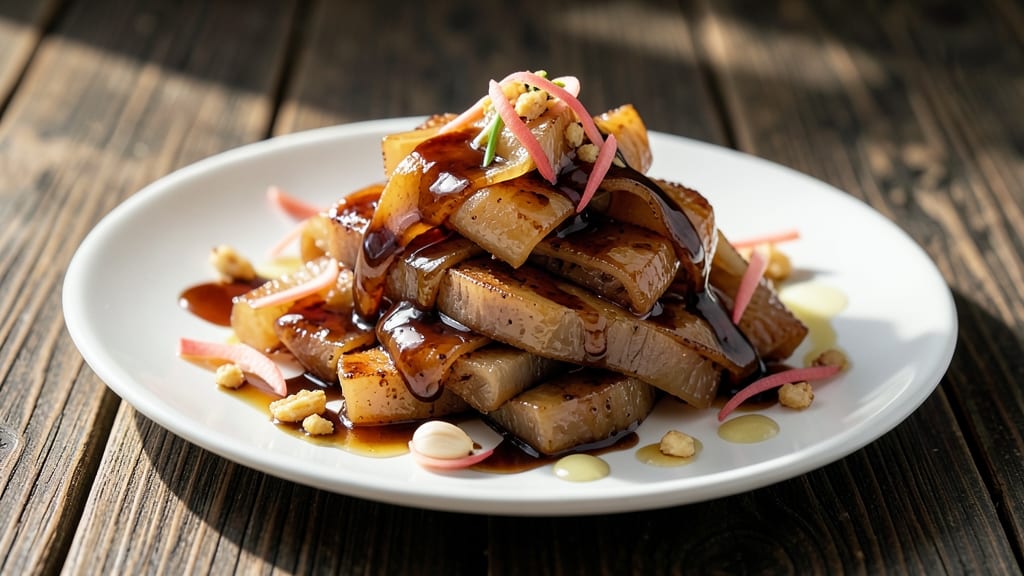
This beef honeycomb tripe recipe transforms a humble cut into a restaurant-worthy dish with crispy edges and creamy, melt-in-your-mouth texture. The secret lies in a precise marinade and slow braising process that tenderizes the tripe while building layers of sweet-savory depth—think caramelized garlic, soy, and a touch of honey.
I developed this recipe after years of perfecting the balance between texture and flavor, ensuring every bite delivers that satisfying contrast.
Traditionally prepared in Filipino and Chinese kitchens, honeycomb tripe gets its name from the distinctive honeycomb pattern formed when cooked properly. The process begins with thorough cleaning and parboiling to remove impurities, followed by marinating in a blend of soy sauce, vinegar, and spices.
What makes this dish special is how the crispy exterior gives way to tender, almost custard-like tripe—a texture that’s both surprising and addictive.
By the time you’re done, you’ll have a dish that’s rich, umami-packed, and perfectly balanced—crispy on the outside, creamy within, with a glossy glaze that ties everything together.
Serve it with steamed jasmine rice and quick-pickled vegetables to cut through the richness, or pair it with a simple stir-fry for a complete meal. The best part? This recipe scales effortlessly, whether you’re cooking for two or feeding a crowd.
Fair warning: tripe is high in purines, so moderation is key if you’re sensitive to uric acid. But for those willing to embrace it, this dish is a game-changer—transforming a tough cut into something luxurious with minimal effort. Let’s get started on creating your own crispy-creamy masterpiece.
Ingredients for beef honeycomb tripe
Crispy edges meet creamy tripe—this recipe delivers restaurant-quality texture with just 14 ingredients.
| Ingredient | Amount | Notes |
|---|---|---|
| Beef Tripe (Honeycomb) 🥩 | 1 ½ lb | Cleaned and parboiled, cut into strips |
| Dark Soy Sauce 🥄 | ½ cup | For deep umami flavor |
| Rice Vinegar 🍶 | ¼ cup | White or seasoned preferred |
| Honey 🍯 | ¼ cup | Light or dark variety |
| Garlic Cloves 🧄 | 8 cloves | Minced for marinade and cooking |
| Fresh Ginger 🌿 | 2 tbsp | Grated, for aromatic depth |
| Sesame Oil 🫒 | 1 tbsp | Toasted for nutty aroma |
| Sugar 🍚 | 1 tbsp | White granulated preferred |
| Black Peppercorns 🌶️ | 1 tsp | Coarsely cracked, not powdered |
| Star Anise 🌟 | 2 whole | For subtle licorice note |
| Bay Leaves 🌿 | 2 whole | For earthy aroma |
| Vegetable Oil 🫒 | ½ cup | High smoke point for frying |
| Water 💧 | 2 cups | For braising liquid |
| Jasmine Rice 🍚 | 1 ½ cups | Uncooked, for serving |
The tripe is the star, so source it carefully. Asian markets often carry pre-cleaned honeycomb tripe, but if you're buying whole, ask for the honeycomb section—the thick, fibrous pieces that develop that signature pattern. Look for bright, not slimy—fresh tripe should have a clean, slightly metallic scent. If you're prepping it yourself, the parboiling step is non-negotiable: simmer in water with vinegar and salt for 30 minutes to remove impurities. I always double-check the water changes color—murky means it needs more time. For the soy sauce, Lee Kum Kee dark soy gives that authentic deep color, but any high-quality dark soy will work.
No star anise? Cinnamon stick or a pinch of ground cinnamon adds warmth, though it won’t match the licorice note. Running short on sesame oil? Toasted peanut oil works in a pinch, but the flavor shifts slightly. The honey can be swapped for brown sugar dissolved in water if you're avoiding sweetness, though the glaze won’t be as glossy. For the garlic, garlic powder at half the amount is better than skipping it entirely. And if you’re prepping ahead, the marinade keeps for 3 days in the fridge—just don’t let the tripe sit in it too long before cooking, or it’ll turn mushy.
This dish tastes even better the next day, so make extra. Store leftovers in the fridge for 4-5 days or freeze for 3 months—the flavors deepen over time. For reheating, a splash of water or broth prevents drying out. The tripe reheats beautifully in a skillet with a little oil, or you can bake it at 350°F until warmed through. If you’re prepping for a crowd, double the marinade and cook in batches—the crispy texture suffers if you overcrowd the pan.
Why You'll Love This Recipe
- One-Pot Magic: I swear by this recipe because it’s literally one pot—no chopping boards, no extra pans. Just sear the tripe, toss in the dark soy and honey, and let the garlic and vinegar work their magic. Twenty minutes later, you’re done.
- Sweet-Savory Balance: That honey glaze? It’s the star. The dark soy gives it depth, the rice vinegar cuts through the richness, and the garlic—oh, the garlic—turns this humble tripe into something ridiculously good. Not too sweet, not too salty, just spot-on.
- Meal Prep MVP: I make a big batch on Sundays and store it in the fridge for the week. It reheats like a dream—just a quick stir-fry or microwave—and it’s still packed with flavor. Honestly, it’s my go-to for lazy nights or when I need a hearty lunch without the fuss.
- Budget Flexibility: Tripe is cheap, but this recipe makes it feel premium. A single honeycomb feeds four, and the leftovers? Even better the next day. Between us, this is how I stretch my grocery budget without sacrificing taste—no one has to know it’s not filet mignon.
Step-by-step instructions for beef honeycomb tripe with sweet-savory glaze
Here's how to transform tough tripe into a restaurant-worthy dish with perfect crispy edges and velvety texture.
Prepare the Tripe for Maximum Texture
Begin by rinsing the 1.5 lb beef tripe (honeycomb) thoroughly under cold water to remove any remaining impurities. I like to soak it in cold water for 15 minutes, changing the water twice, to ensure all traces of off-flavors are gone. This preparation step is crucial—it removes any lingering gamey taste that can ruin the delicate balance of flavors we're building.
After rinsing, pat the tripe completely dry with paper towels. Then, cut it into ½-inch thick strips using a sharp chef's knife. The strips should be uniform in size to ensure even cooking. Place the cut tripe in a large bowl and set aside—we'll work with it in stages to develop that perfect crispy-creamy texture.
Create the Sweet-Savory Marinade
In a medium saucepan, combine the 0.5 cup dark soy sauce, 0.25 cup rice vinegar, 0.25 cup honey, 1 tbsp sugar, 8 cloves minced garlic, 2 tbsp grated fresh ginger, 2 whole star anise, and 2 whole bay leaves. Bring this mixture to a gentle simmer over medium heat, stirring constantly for 5 minutes until the honey and sugar dissolve completely.
Here's the thing—this marinade needs to develop flavor while we prepare the tripe. The dark soy sauce provides deep umami, while the rice vinegar and honey create that signature sweet-savory balance. Let the mixture cool to room temperature before using. The star anise and bay leaves infuse subtle aromatic notes that elevate the dish from good to exceptional.
Parboil and Parfume the Tripe
In a large pot, combine 2 cups water and the cooled marinade. Bring to a boil over high heat, then add the tripe strips. Reduce heat to medium-low and simmer for 20 minutes, stirring occasionally. This parboiling step is essential—it tenderizes the tripe without fully cooking it, preparing it for the crispy finish while infusing it with the marinade's complex flavors.
After 20 minutes, drain the tripe and let it cool slightly. The tripe should be tender but still hold its shape—you'll see it's transformed from tough to pliable. While it's cooling, heat 0.5 cup vegetable oil in a large skillet over medium-high heat until it shimmers. This is where the magic happens—the oil will create that coveted crispy exterior while the interior remains tender.
Achieve the Crispy-Creamy Texture
Working in batches, carefully add the parboiled tripe strips to the hot oil, being gentle to avoid breaking them. Cook for 3-4 minutes per side until the edges become deep golden brown and crispy. The key here is patience—don't crowd the pan or the oil temperature will drop, preventing proper crisping. You'll know it's ready when the tripe releases easily from the pan and has developed a beautiful caramelized crust.
As the tripe cooks, remove it from the pan and set aside on a paper towel-lined plate. Keep the oil in the pan—we'll use it to build our sauce. Add 1 tbsp toasted sesame oil to the pan and stir for 30 seconds to infuse that nutty aroma into the cooking oil. Then, pour in ½ cup of the reserved parboiling liquid and scrape up any browned bits from the bottom of the pan. These bits are pure flavor—don't miss this step!
Finish with Jasmine Rice and Serve
While the tripe rests, cook the 1.5 cups jasmine rice according to package instructions, using 1 cup water for every 1 cup rice. The rice should be fluffy and separate—this delicate texture contrasts beautifully with the rich, crispy tripe. As the rice finishes cooking, stir in 1 tsp coarsely cracked black peppercorns and 1 tbsp toasted sesame oil for an aromatic finish.
To serve, arrange the crispy tripe strips over the jasmine rice, spooning the reduced sauce generously over the top. The contrast of textures—crispy edges, creamy interior, and fluffy rice—makes every bite unforgettable. Garnish with additional cracked black pepper if desired. This dish delivers on its promises: the tripe is crispy on the outside with a creamy, tender interior, all wrapped in a sweet-savory glaze that sings with aromatic complexity.
Pro Tips For Making Beef Honeycomb Tripe
- Parboil First: Honeycomb tripe needs a 15-minute head start in boiling water with a splash of vinegar—this softens it enough to slice cleanly without turning to mush later. I used to skip this and ended up with chewy, uneven pieces that fought me the whole way.
- Slice Against the Grain: Cut the tripe at a 45-degree angle, following the natural honeycomb pattern—this keeps it tender when braised. Thick slices? You’ll regret it. Thin ones? They’ll fall apart. Aim for ½-inch strips, no thicker than your pinky.
- Don’t Rush the Soy: Dark soy sauce needs time to caramelize—let it simmer uncovered for 5 minutes after adding to the pan before tossing in the tripe. Rushing it means you’ll just be coating the tripe in bitter, underdeveloped sauce instead of that glossy, deep flavor.
- Balance the Sweet-Sour: For every tablespoon of honey, add 2 tablespoons of rice vinegar—this cuts the cloying sweetness and keeps the dish bright. I learned this after making a batch so sticky it could’ve glued a roof on. The vinegar also tenderizes the tripe while you wait.
Serving suggestions for leftovers
Rice Pairings
Jasmine rice is my go-to base for this dish—its delicate floral notes complement the rich, umami depth of the tripe beautifully. Cook 1.5 cups uncooked jasmine rice with 1 cup water until fluffy, then finish with 1 tbsp toasted sesame oil and 1 tsp cracked black pepper for extra aroma.
For a heartier option, try brown rice or forbidden black rice—both hold up well to the dish's bold flavors while adding nutty or earthy undertones. 🍚
Quick-Pickled Veggies
Bright, tangy pickles cut through the richness perfectly. Thinly slice 1 cup daikon radish or carrots and quick-pickle them in ½ cup rice vinegar, 1 tbsp sugar, and a pinch of salt for 20 minutes.
The crisp texture and acidity refresh your palate between each crispy bite. I also love adding thinly sliced cucumber or red onion for extra crunch and color.
Stir-Fried Greens
For a lighter option, stir-fry 2 cups bok choy or garlic chives with 1 tbsp neutral oil, 1 minced garlic clove, and a splash of soy sauce. The greens add freshness and contrast the dish's richness.
Cook for just 2-3 minutes to maintain their vibrant color and crisp texture. A sprinkle of toasted sesame seeds adds extra crunch and nuttiness. 🌱
Garlic Butter Mushrooms
Sauté 8 oz cremini mushrooms in 2 tbsp butter with 3 minced garlic cloves until golden and tender. The earthy mushrooms pair wonderfully with the tripe's sweet-savory glaze.
For extra depth, finish with a pinch of thyme or rosemary. This side adds a luxurious touch that feels special without overwhelming the main dish.
Spicy Chili Oil
Drizzle the finished tripe with 1 tbsp chili oil (homemade or store-bought) for a kick. The heat from the chili oil cuts through the richness while adding a smoky depth.
I like to make my own by infusing neutral oil with dried chili flakes and garlic cloves for 10 minutes at low heat. This simple addition transforms the dish into something truly memorable. 🌶️
Garnishes for Elevation
Don't underestimate the power of finishing touches! Fresh cilantro or Thai basil adds brightness, while toasted sesame seeds or crushed peanuts contribute texture. A drizzle of hoisin sauce or sriracha mayo takes it to the next level.
These garnishes feel like restaurant-quality details that make your dish shine without extra effort.
Nutrition facts
Frequently asked questions
What makes honeycomb tripe different from other tripe cuts?
Honeycomb tripe gets its name from the distinctive honeycomb pattern that forms when cooked properly. Unlike regular tripe, it comes from the cow's lower stomach and has a thicker, more fibrous texture that develops that signature look when braised or fried. This cut is prized for its ability to achieve that perfect crispy-creamy contrast—tender inside with crispy edges that hold their shape beautifully.
How do I know when the tripe is properly cleaned before cooking?
Fresh tripe should smell clean and slightly metallic, never sour or overly gamey. Rinse it thoroughly under cold water, then soak in cold water for 15 minutes, changing the water twice. If the water remains murky after soaking, continue until it runs clear—this ensures all impurities are removed before cooking. The tripe should also be firm to the touch, not slimy.
Can I substitute dark soy sauce in this recipe?
While dark soy sauce is ideal for that rich, deep color, you can substitute with 1 tbsp molasses or 1 tsp caramel color mixed with regular soy sauce. For flavor, add an extra ½ tsp sugar to compensate for the lost depth. Just note that the dish won't have the same glossy finish, but the taste will still be delicious. Lee Kum Kee is the brand I recommend for authentic results.
Why is the parboiling step so important?
Parboiling removes impurities, tenderizes the tripe, and infuses it with flavor from the marinade. Skipping this step can leave the tripe tough or retain off-flavors. The 20-minute simmer at medium-low heat is key—it breaks down collagen without fully cooking the tripe, preparing it for the crispy finish. Think of it as a flavor primer that sets the stage for the final texture.
How do I reheat leftover tripe without drying it out?
Reheat in a skillet with 1 tbsp oil over medium heat for 3-4 minutes, adding a splash of water or broth to keep it moist. For oven reheating, cover with foil and bake at 350°F for 10 minutes. Never microwave—it turns the tripe rubbery. The leftovers actually improve in flavor, so don't hesitate to make extra!