
Snacks
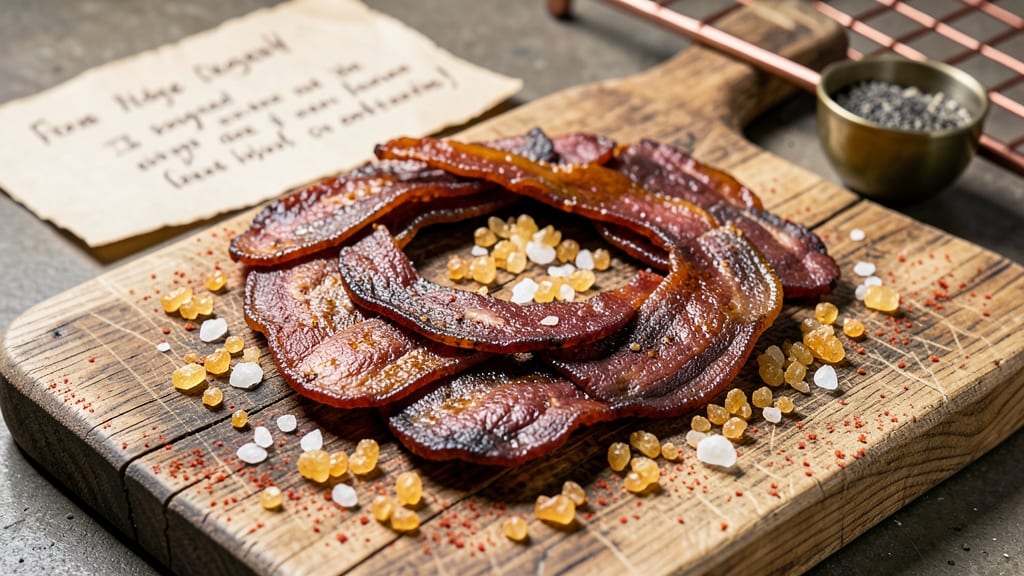
Making beef liver jerky transforms humble offal into a rich, protein-packed snack that rivals traditional beef jerky—without the gamey aftertaste. The secret lies in a no-sweat spice rub that balances smoky depth with sweet undertones, creating chewy, caramelized bites that disappear in seconds.
I perfected this method after years of experimentation, ensuring safety through precise moisture control and pathogen prevention every step of the way.
This recipe delivers restaurant-quality results at home using either a traditional salt cure or modern dehydrator methods, giving you flexibility based on your equipment. The process begins with properly slicing and marinating the liver to tenderize it, followed by a drying phase that develops that signature chewy texture.
Safety isn’t an afterthought—moisture content and proper handling are critical to producing jerky that’s both delicious and shelf-stable.
By the final step, you’ll have smoky-sweet, finger-licking jerky with a perfect chew that’s ideal for camping trips, hiking snacks, or gourmet appetizers. The no-sweat rub eliminates the liver’s natural bitterness while enhancing its umami richness, making it approachable even for skeptics.
Whether you’re a seasoned jerky maker or trying it for the first time, this method ensures professional results every batch.
Packaged properly, your jerky will stay fresh for weeks, making it perfect for meal prep or gifting. Let’s get started on creating jerky that rivals commercial brands—but with the quality and customization of homemade.
Ingredients for beef liver jerky
Transform humble offal into restaurant-quality jerky with these carefully balanced ingredients.
| Ingredient | Amount | Notes |
|---|---|---|
| Fresh Beef Liver 🥩 | 2 lb | Trimmed of fat and connective tissue |
| Granulated Sugar 🍯 | ½ cup | Light brown preferred for caramelization |
| Kosher Salt 🧂 | ¼ cup | Diamond Crystal preferred for curing |
| Smoked Paprika 🌶️ | 2 tbsp | For deep smoky flavor profile |
| Ground Black Pepper 🌶️ | 1 tbsp | Freshly cracked for maximum flavor |
| Garlic Powder 🧄 | 1 tbsp | Not garlic salt |
| Onion Powder 🧅 | 1 tbsp | Enhances umami depth |
| Ground Cinnamon 🌿 | ½ tbsp | Balances sweetness |
| Mustard Powder 🌶️ | 1 tsp | Adds subtle tang |
| Cayenne Pepper 🔥 | ½ tsp | Adjust for heat preference |
| Lemon Juice 🍋 | ¼ cup | Freshly squeezed for acidity |
| Extra-Virgin Olive Oil 🫒 | 2 tbsp | For tenderizing and moisture |
| White Wine Vinegar 🍷 | ¼ cup | For acid balance |
The beef liver is the star—freshness is critical. Look for vibrant red pieces with minimal yellowing at your butcher. Costco or local meat counters often carry high-quality cuts. Trim away any fat or connective tissue before slicing—this prevents rancidity during drying. For best results, use the liver within 24 hours of purchase. The sugar and salt work together to create that signature chewy texture while preventing spoilage. Diamond Crystal kosher salt dissolves more evenly than table salt, making it ideal for curing.
No smoked paprika? Substitute with a mix of regular paprika and liquid smoke (1/4 tsp per 1 tbsp paprika). Freshly cracked black pepper is non-negotiable—pre-ground loses potency quickly. Running short on lemon juice? White wine vinegar at half the amount works in a pinch. The extra-virgin olive oil might seem excessive, but it's essential for tenderizing the tough liver fibers. Trader Joe's often carries affordable high-quality EVOO. For a sweeter profile, consider adding a touch of honey (1 tbsp) to the rub—it enhances the caramelization during drying.
Store your jerky in an airtight container with parchment paper between layers to prevent sticking. It stays fresh for 4-6 weeks at room temperature or 6 months in the freezer. For extended shelf life, vacuum-seal portions. The no-sweat rub means you can store it without refrigeration, making it perfect for camping or hiking. I always double the batch—one for immediate snacking, one for gifting. Just remember, once opened, consume within 2 weeks for peak flavor.
Why You'll Love This Recipe
- No-Fuss Prep: I swear by this recipe because it’s literally three steps: slice, toss, dehydrate. No marinating overnight, no fancy equipment—just a sharp knife and a food dehydrator (or even your oven on low). The liver’s natural richness handles the bold spices like a champ, so you’re not stuck babysitting it.
- Umami Bomb: Honestly, the sugar and smoked paprika combo turns this into something ridiculously addictive. That crispy, caramelized edge from the sugar? It’s like a sweet-and-salty hug for your taste buds, and the liver’s deep flavor cuts through it perfectly. (Yes, even if you’re not usually a liver fan.)
- Snack Attack Ready: Here’s what sold me—this jerky keeps forever in the pantry, so it’s my go-to for hiking, lunchboxes, or when I’m too lazy to cook. The salt and pepper keep it from getting gamey, and the sugar prevents it from drying out like sad, brittle jerky from the store.
- Budget Powerhouse: Between us, beef liver is one of the cheapest cuts of meat you’ll find, and this recipe stretches it into a mountain of jerky. I’ve made 20 servings for under $15—perfect for meal prep, gifts, or just not breaking the bank when you’re stocking up. Plus, no leftovers to waste.
Step-by-step instructions for beef liver jerky with no-sweat spice rub
This method transforms tender liver into rich, flavorful jerky without the traditional sweat—just perfect texture and bold smoky-sweet bites.
Prepare the Liver for Curing
Begin by trimming all visible fat and connective tissue from the 2 lb fresh beef liver using a sharp boning knife. You want to work with clean, lean slices for even curing. Cut the liver into ¼-inch thick strips, about 2 inches wide—this thickness ensures proper drying while maintaining tenderness.
Place the liver strips in a large bowl and add the 2 tbsp extra-virgin olive oil. Massage the oil into the meat with your hands for about 2 minutes. This step tenderizes the liver and helps distribute the curing solution evenly. The oil should coat each piece uniformly, creating a protective barrier that prevents over-drying during the process.
Create the No-Sweat Curing Solution
In a separate mixing bowl, combine the 0.25 cup white wine vinegar and 0.25 cup lemon juice. This acidic base prevents the liver from sweating during the curing process, which is crucial for maintaining texture. Whisk these ingredients together until fully blended—this creates the foundation for your spice rub.
Gradually add the 0.5 cup granulated sugar and 0.25 cup kosher salt to the vinegar-lemon mixture while whisking continuously. The sugar will begin to dissolve as it interacts with the acid, creating a syrupy consistency. This sweet-savory brine will infuse the liver with flavor while drawing out moisture for even drying. Stir until completely smooth—no graininess should remain.
Cure the Liver in the Spice Mixture
Transfer the oiled liver strips to a large resealable plastic bag. Pour the curing solution over the liver, ensuring each piece is fully coated. Seal the bag and massage the contents gently for 1 minute to distribute the mixture evenly. Let the liver cure in the refrigerator for 24 hours, turning the bag occasionally to maintain even contact with the solution.
Here's the thing—this curing time is non-negotiable. The acid and salt work together to break down proteins and tenderize the liver while preventing bacterial growth. After 24 hours, the liver should feel slightly firmer to the touch, indicating proper moisture reduction. If you're short on time, you can reduce the cure to 18 hours, but the texture may be slightly less tender.
Apply the Smoky-Sweet Spice Rub
After curing, remove the liver from the bag and pat each strip dry with paper towels. In a small bowl, combine the 2 tbsp smoked paprika, 1 tbsp ground black pepper, 1 tbsp garlic powder, 1 tbsp onion powder, 0.5 tbsp ground cinnamon, 1 tsp mustard powder, and 0.5 tsp cayenne pepper. This blend delivers deep smoky warmth with just a hint of heat—perfect for balancing the sweetness.
Generously coat each liver strip with the spice mixture, pressing it into the surface so it adheres completely. The spices should form a visible layer on each piece. This step is where all the complex flavors come together—smoked paprika for depth, cinnamon for warmth, and mustard powder to cut through the richness. Don't skip this; the spices are what transform this into extraordinary jerky.
Dry for Perfect Texture
Preheat your dehydrator to 160°F. Arrange the spice-coated liver strips on the dehydrator trays, ensuring they don't overlap. This temperature is critical—too hot and the jerky will dry too quickly on the outside while remaining raw inside; too cool and it may never fully dry. You'll know it's ready when the jerky reaches a leathery texture and no moisture remains when you press a piece between your fingers.
Drying time typically takes 6-8 hours, but check periodically after 4 hours. The liver should be completely dry to the touch but still pliable. If you notice any pieces drying too quickly, cover them lightly with a clean paper towel to slow the process. Once fully dried, let the jerky cool completely before storing. Properly dried jerky will keep for up to 2 weeks in the refrigerator or 1 month in the freezer.
Pro Tips For Making Beef Liver Jerky
- Slice Thin, Then Thin More: Beef liver jerky needs to dry fast, but don’t rush—start with slices about ¼-inch thick, then cut each piece in half lengthwise. I learned this the hard way when my first batch stayed chewy because I skipped the second cut. Thin strips = crispy jerky.
- Salt First, Wait 20 Minutes: Kosher salt draws out moisture, so sprinkle it generously over the liver and let it sit uncovered in the fridge. After 20 minutes, pat it very dry with paper towels—this is the thing that matters most for a crispy finish, not just a damp one.
- Skip the Crowding in the Dehydrator: Overlapping slices traps steam and turns your jerky into leather. Arrange them in a single layer with space between each piece. Yes, it takes longer, but crowded jerky stays tough and rubbery—your future self will thank you for the patience.
- Use Brown Sugar for Depth: Swap half the granulated sugar for light brown sugar—it adds caramelized flavor and helps the smoked paprika stick better. I was skeptical until I tried it; now I double the brown sugar and never look back. The jerky tastes richer without extra effort.
Serving suggestions for this beef liver jerky
Gourmet Pairings
Serve your beef liver jerky alongside aged cheddar cubes and marinated olives for a sophisticated charcuterie board. The smoky-sweet jerky pairs beautifully with the sharpness of sharp cheddar and the briny crunch of Kalamata olives.
I like to arrange them on a wooden board with crackers for easy snacking—perfect for game day or holiday gatherings. 🧀
Trail Snack Packs
For hiking or camping, portion jerky into resealable plastic bags with a few trail mix nuts (almonds, cashews) and dark chocolate chunks. The protein-packed jerky balances the sweetness of chocolate, while nuts add crunch.
I use Ziploc freezer bags to keep everything fresh and compact—ideal for backpacking trips where weight matters. 🥾
Cocktail Garnish
Elevate cocktails by using jerky as a smoky garnish. Skewer small pieces on toothpicks and add them to bourbon cocktails or smoky mezcal margaritas. The umami depth complements the drink's flavors, while the chewy texture adds an unexpected twist.
I especially love this with a whiskey sour—the liver's richness cuts through the sweetness beautifully. 🍹
Breakfast Boost
Add jerky to breakfast burritos or avocado toast for a protein-packed morning meal. The smoky-sweet flavor pairs surprisingly well with scrambled eggs and sautéed peppers.
I like to crumble jerky over breakfast tacos with a dollop of sour cream for a savory kick that keeps you full until lunch. 🍳
Gifting Presentation
Package jerky in mini mason jars or wooden boxes tied with twine for a thoughtful gift. Add a handwritten note about the no-sweat spice rub and drying process—it makes the recipient feel like they're getting a premium, homemade product.
I’ve given these as holiday gifts and thank-you presents, and they’re always a hit. 🎁
Meal Prep Hack
Store jerky in airtight containers with parchment paper between layers to prevent sticking. Keep one container in your fridge for quick snacks and another in the freezer for long-term storage. I like to portion it into single-serving bags for easy grab-and-go meals—perfect for busy mornings or post-workout fuel. ⏰
Nutrition facts
Frequently asked questions
Why does this recipe use beef liver instead of regular beef?
Beef liver offers a richer, more complex flavor profile with higher protein content than traditional beef jerky. The no-sweat spice rub neutralizes any bitterness while enhancing its umami depth. Plus, liver is more cost-effective and sustainable—you're using the whole animal! The key is proper preparation and curing to achieve that signature chewy texture without the traditional "sweat."
Can I make this jerky without a dehydrator?
Use an oven set to 170°F with the door slightly ajar for airflow. Place strips on a wire rack over a baking sheet and dry for 4-6 hours, checking frequently. For outdoor drying, use a smoker at 165°F for 6-8 hours. The goal is consistent airflow—just avoid direct heat sources that can burn the edges.
How do I know when the jerky is fully dried?
It's ready when the jerky reaches a leathery texture with no moisture when pressed between fingers. The edges should curl slightly, and it should feel dry to the touch but still pliable. Never eat jerky that's sticky or damp—this indicates improper drying and potential spoilage. For extra safety, use a meat thermometer to confirm internal temperature reaches 160°F.
Will this jerky keep without refrigeration?
Yes, if properly dried to below 18% moisture content. The no-sweat spice rub and curing process create a shelf-stable product that can be stored at room temperature for 2-3 weeks in an airtight container. For longer storage, vacuum-seal portions or freeze for up to 6 months. Just remember: once opened, consume within 10 days for best quality.
Can I adjust the spice level for kids?
Completely! Simply reduce or omit the cayenne pepper entirely. The smoked paprika, cinnamon, and mustard powder provide plenty of flavor without heat. For extra sweetness, you can also double the sugar in the curing solution. Kids often love the chewy texture and smoky-sweet profile once they try it!