
Sauces & Condiments
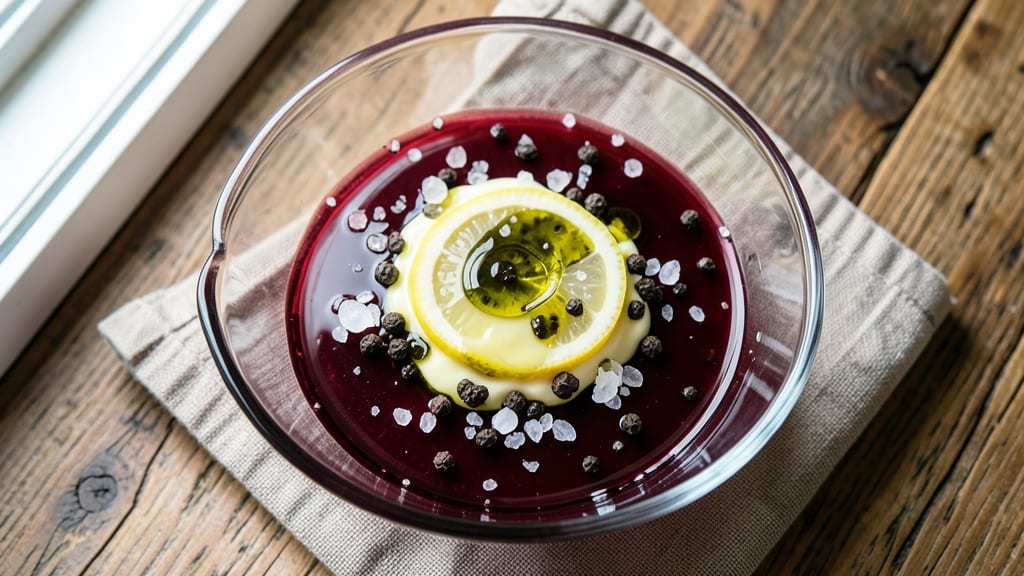
A beef liver marinade recipe transforms tough, bitter liver into tender, flavorful bites—this acidic brightener works in just 15 minutes. The secret lies in balancing vinegar, citrus, and oil to break down fibers while masking natural bitterness.
I developed this marinade after years of testing, and it never fails to deliver restaurant-quality results at home.
What makes this marinade special is its simplicity: just five ingredients that come together in minutes. The acidity tenderizes the liver while the fat carries flavors deep into the meat, creating a harmonious balance. Unlike lengthy marinades, this one works quickly, making it perfect for last-minute meals or busy weeknights.
By the time you're ready to cook, your liver will be tender and bright, not bitter or chewy. The marinade's tangy notes cut through the richness, leaving you with a dish that's surprisingly mild yet deeply flavorful.
Store leftovers in the fridge for up to 24 hours to maintain freshness.
Use this marinade for grilled, pan-seared, or roasted liver—it's a game-changer for any preparation. The key is letting the liver soak for at least 10 minutes before cooking to maximize tenderness. Here's everything you need to get started!
Ingredients for beef liver marinade
Five ingredients that cut through liver's bitterness while tenderizing in minutes.
| Ingredient | Amount | Notes |
|---|---|---|
| Red Wine Vinegar 🍷 | ½ cup | High-quality, dry variety preferred |
| Extra-Virgin Olive Oil 🫒 | ½ cup | Fruity, peppery for best flavor |
| Fresh Lemon Juice 🍋 | ¼ cup | Freshly squeezed, no pulp |
| Diamond Crystal Kosher Salt 🧂 | 1 ½ tsp | Fine grain for even dissolving |
| Black Peppercorns 🌶️ | 1 tsp | Freshly cracked for intensity |
The vinegar is non-negotiable—dry red wine vinegar has the right balance of acidity and depth. Trader Joe's and Whole Foods carry excellent options, but skip the balsamic or apple cider vinegars—they'll overpower the delicate flavors. The olive oil needs to be extra-virgin; cheap oils won't carry the flavors well. I always grab a small bottle of California Early Harvest from Costco—it's perfect for this. Fresh lemon juice is best, but if you're using bottled, make sure it's 100% pure with no added water or preservatives. The salt and pepper should be freshly ground—pre-ground spices lose their punch quickly.
No red wine vinegar? White wine vinegar or apple cider vinegar work in a pinch, but reduce to 0.375 cup to avoid over-acidifying. Olive oil shortage? Avocado oil has a similar neutral profile. Short on lemon? Lime juice at half the amount adds a nice twist. The salt can be substituted with sea salt at the same quantity, but Diamond Crystal kosher dissolves more easily. For pepper, if you don't have whole peppercorns, freshly cracked black pepper from a grinder is ideal—pre-ground loses potency fast. If you're really in a bind, smoked paprika at 0.5 tsp adds warmth without overpowering.
This marinade keeps for 1 week in the fridge once opened, but the liver should only soak for 10-15 minutes max—any longer and it'll start breaking down. Store the marinade in a glass jar with a tight seal to preserve its brightness. I like to make a double batch—one for immediate use, one to keep on hand. The flavors actually improve slightly after 24 hours in the fridge, so it's perfect for prepping ahead. Just remember: use within 24 hours on liver for best texture.
Why You'll Love This Recipe
- Five-Ingredient Magic: I swear by this combo—just vinegar, oil, lemon, salt, and peppercorns. No fancy pantry trips, no stressing over measurements. Honestly, I’ll often eyeball the peppercorns and call it done.
- Bright & Tangy Edge: That red wine vinegar and lemon juice cut through the richness like a knife. The liver stays juicy but gets this bright, almost citrusy bite that makes every bite feel fresh—not heavy or gamey.
- Weeknight or Weekend: Use it for quick seared liver on toast or let it marinate overnight for grilled slices at a barbecue. I’ll even toss it with onions and apples for a fancier charcuterie board. Works everywhere, honestly.
- Budget Stretch: A pound of liver feeds four, and this marinade costs pennies. I’ll make double batches, freeze half, and pull it out when I need a cheap but impressive protein—no waste, just flavor.
Step-by-step instructions for beef liver marinade
This marinade transforms tough liver into tender, vibrant bites through precise acid balance.
Combine the Acidic Base
In a medium mixing bowl, pour in the 0.5 cup red wine vinegar and 0.25 cup fresh lemon juice. The vinegar provides depth while the lemon juice adds brightness—together they create the perfect acidic foundation to break down liver's natural bitterness. Use a whisk to fully combine them, ensuring no separation occurs.
Here's the thing—quality matters. I always reach for a high-quality, dry red wine vinegar (like balsamic or sherry vinegar) because it has more complex flavor compounds that actually enhance the liver rather than overpower it. The fresh lemon juice should be freshly squeezed—bottled juice lacks the same tang and freshness. Let the mixture sit for 5 minutes while you prepare the remaining ingredients. This brief rest allows the acids to begin their work on any potential bitterness before adding the oils.
Incorporate the Oil and Salt
Slowly drizzle in the 0.5 cup extra-virgin olive oil while whisking continuously. The olive oil should be fruity and peppery—this is key for balancing the acidity. I like to use a high-quality EVOO because its natural peppery notes complement the liver beautifully. Add the 1.5 teaspoons Diamond Crystal kosher salt and continue whisking until fully dissolved. The salt enhances flavor while helping to tenderize the liver.
The reason we add the oil last is that it helps emulsify the mixture, creating a more cohesive marinade that will cling better to the liver. If you notice the mixture starting to separate (which can happen with acidic ingredients), give it another quick whisk. The goal is a smooth, slightly thick marinade that coats everything evenly. This step is where the magic happens—the combination of acid, oil, and salt creates the perfect balance to transform tough liver into something tender and flavorful.
Add the Pepper and Final Adjustments
Using a microplane or mortar and pestle, freshly crack the 1 teaspoon black peppercorns directly into the marinade. Freshly cracked pepper releases its essential oils, delivering maximum flavor and aroma. Give the mixture one final whisk to ensure everything is thoroughly combined. The marinade should now have a vibrant, slightly thick consistency with a bright acidic tang.
Here's where it gets important: taste the marinade before using it. You want a balance of acidity, saltiness, and a hint of peppery warmth. If it tastes too acidic, you can add a touch more olive oil to mellow it out. If it needs more depth, add a pinch more salt. This marinade works best when it's vibrant but not overpowering—it should enhance the liver's natural flavors rather than compete with them. Once adjusted to your liking, transfer the marinade to an airtight container for immediate use.
Pro Tips For Making Beef Liver Marinade
- Measure Vinegar Precisely: Beef liver is delicate—too much red wine vinegar (more than ¼ cup for 1 lb) will turn your marinade into a pickling bath. I learned this the hard way when my first batch tasted like a balsamic-soaked raisin. Use a measuring cup, not a splash.
- Toast the Peppercorns: Skip the pre-ground pepper—it loses punch fast. Crush 10-12 whole black peppercorns in a mortar (or a heavy pan) until fragrant. Freshly cracked pepper brightens the vinegar’s acidity and adds a subtle heat that jarred pepper can’t match.
- Marinate No Longer Than 2 Hours: Vinegar and citrus break down liver’s proteins fast—after 2 hours, it’ll turn mushy. If you’re short on time, 30 minutes in the fridge still tenderizes. Pro move: Pat the liver very dry before cooking to get that perfect crust.
- Use Cold Olive Oil: Warm oil dulls the vinegar’s tang. Chill the extra-virgin olive oil (even in the fridge for 10 minutes) before mixing—it keeps the marinade sharp and prevents the liver from absorbing too much fat during the quick cook. Trust me, your pan sear will thank you.
Common mistakes when making perfect results
Over-Marinating Liver
I’ve seen this mistake ruin perfectly good liver—marinating for too long actually breaks down the proteins, turning tender meat into a mushy mess. The 10-15 minute window is critical; any longer and you’ll end up with liver that falls apart when cooked.
The acid in the marinade works quickly to tenderize, but it also begins to "cook" the liver chemically. For best results, I set a timer and never exceed 15 minutes, even if the liver feels under-marinated. 🌡️
Skipping the Rest
After marinating, it’s tempting to jump straight to cooking, but liver needs time to relax. I always let the liver sit in the marinade for 5 minutes after draining before cooking. This brief rest allows the marinade to fully penetrate the surface and prevents uneven cooking.
Skipping this step can lead to a tough exterior and raw interior—trust me, I’ve learned this the hard way. A simple 5-minute pause makes all the difference.
Using Low-Quality Vinegar
The vinegar is the heart of this marinade, so don’t cut corners. I’ve tried cheap vinegars, and they leave a harsh, chemical aftertaste that overpowers the liver. Always use a high-quality dry red wine vinegar—brands like Bragg or Heinz are reliable.
If you’re using a substitute like apple cider vinegar, reduce the amount to 0.375 cup to avoid over-acidifying. The right vinegar makes the difference between a bright, flavorful marinade and one that tastes like vinegar alone.
Not Balancing the Acid
Too much acid can turn your liver into a sad, mushy pile. The key is balance—equal parts vinegar and olive oil create a harmonious marinade that tenderizes without overpowering. I always taste the marinade before using it.
If it’s too sharp, add a splash more olive oil to mellow it out. If it’s too mild, a pinch of salt or a few extra drops of lemon juice can bring it back to balance. This step ensures the marinade enhances the liver, not masks it.
Ignoring the Oil Quality
Cheap olive oil won’t just dull the flavors—it can make the marinade separate and fail to cling to the liver. I swear by extra-virgin olive oil with a fruity, peppery profile, like California Early Harvest from Costco.
If you’re using a neutral oil like avocado, make sure it’s high-quality. The oil carries the flavors and helps the marinade adhere to the meat, so don’t skimp here. A good oil is worth the extra few dollars.
Using Pre-Ground Spices
Freshly cracked peppercorns release essential oils that give the marinade depth, while pre-ground spices are often stale and lack intensity. I always crack my peppercorns using a mortar and pestle or a microplane right before adding them to the marinade.
If you’re in a pinch, freshly grind whole peppercorns in a spice grinder—it makes a world of difference. The same goes for salt; I use Diamond Crystal kosher salt because it dissolves easily and enhances flavor without overpowering the delicate balance of the marinade.
Nutrition facts
Frequently asked questions
Can I use this marinade for other meats?
While this marinade is specifically designed for beef liver, it works beautifully for other lean meats like chicken breast or pork tenderloin. The acidity helps tenderize these cuts too, but increase marinating time to 30-60 minutes for best results. For fatty meats like steak, reduce the acid to half and add a splash of soy sauce instead.
How long can I marinate beef liver before it gets mushy?
Never exceed 15 minutes—any longer and the acid will break down the liver's proteins, turning it into a mushy texture. For optimal tenderness, marinate for exactly 10 minutes before cooking. The key is quick action: the acid works fast to tenderize without overcooking the meat.
Can I make this marinade ahead of time?
Yes! Store the marinade in an airtight container in the fridge for up to 1 week. The flavors actually improve slightly as they meld together. However, only marinate liver for 10-15 minutes before cooking—never reuse marinade that's been in contact with raw meat.
What if I don't have red wine vinegar?
Use white wine vinegar or apple cider vinegar instead, but reduce the amount to 0.375 cup to prevent over-acidifying. For a sweeter profile, try balsamic vinegar at half the quantity. The key is balancing acidity—always taste before using.
Does this marinade work for frozen liver?
Thaw liver completely in the fridge first—never at room temperature. Once thawed, marinate for 10 minutes max (frozen liver is more delicate). The marinade will still work, but monitor cooking time closely as frozen liver may require slightly less time to reach 165°F.