
Main Courses
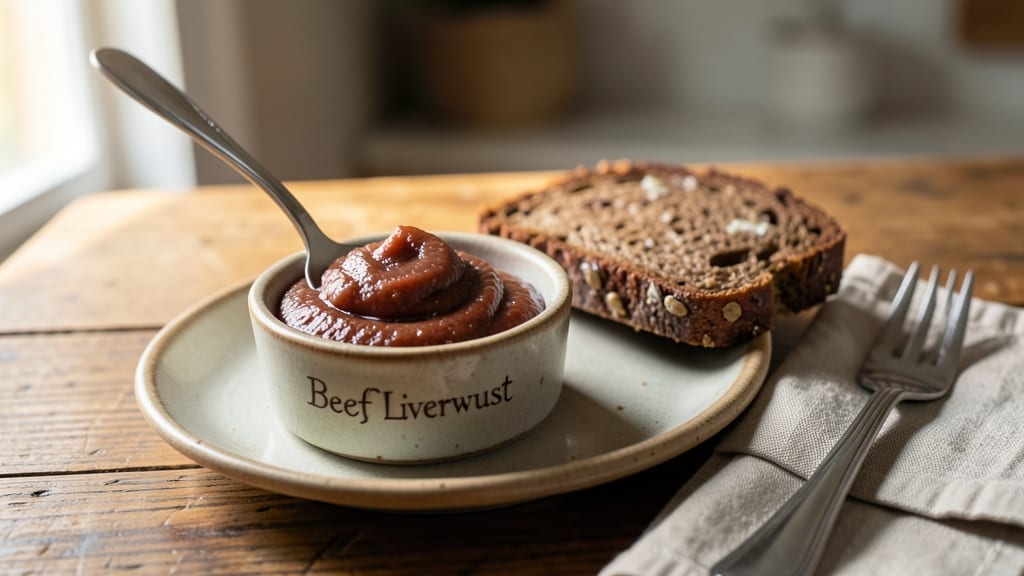
Creating homemade beef liverwurst transforms a simple spread into a rich, velvety masterpiece with layers of savory depth. This traditional recipe delivers a perfectly blended texture that’s ideal for sandwiches, appetizers, or charcuterie boards.
The key lies in balancing liver, fat, and spices to achieve that signature smooth yet slightly coarse finish—no shortcuts here, just precise technique.
What sets this liverwurst apart is the slow-cooking method, which develops flavor without overpowering the natural richness of the meat. You’ll start with ground beef liver and fat, seasoned with classic herbs and spices, then simmered until tender.
The texture becomes velvety yet retains just enough structure to hold its shape when spread. This isn’t your average processed spread—it’s restaurant-quality, made from scratch.
By the time you’re done, you’ll have a spread that’s perfectly balanced—savory, slightly tangy, and rich enough to stand alone. Serve it on rye bread with mustard, in sandwiches, or as an appetizer with crackers.
The flavor intensifies as it rests, making it even more rewarding the next day. Let’s get started on this timeless recipe.
Pro tip: For the best results, use fresh beef liver and render the fat properly—this ensures a smooth, spreadable consistency without bitterness. The slow cooking process is worth the wait, as it transforms tough cuts into something luxurious.
Store it in the fridge for up to two weeks or freeze for longer shelf life. This is liverwurst done right.
Ingredients for beef liverwurst
Twelve ingredients transform into a luxurious liverwurst with restaurant-quality texture and depth.
| Ingredient | Amount | Notes |
|---|---|---|
| Fresh Beef Liver 🥩 | 1 ½ lb | High-quality, trimmed of connective tissue |
| Beef Fatback 🍖 | ½ lb | Rendered and cooled, not crisped |
| Yellow Onion 🧅 | 1 whole | Medium size, finely chopped |
| Garlic Cloves 🧄 | 6 cloves | Fresh, minced for aromatic depth |
| Fresh Thyme Leaves 🌿 | ½ cup | Stems removed, finely chopped |
| Fresh Parsley Leaves 🌿 | ¼ cup | Flat-leaf, finely chopped |
| Ground Black Pepper 🌶️ | 1 tsp | Freshly cracked, coarse grind |
| Ground Nutmeg 🌶️ | ¼ tsp | Freshly grated for warmth |
| Ground Cloves 🌶️ | ¼ tsp | Whole cloves ground fine |
| Diamond Crystal Kosher Salt 🧂 | 1 ½ tsp | Fine grain, adjusted to taste |
| White Vinegar 💧 | 1 tbsp | Distilled, for subtle tang |
| Heavy Cream 🥛 | ¼ cup | Full-fat, for velvety finish |
| Unsalted Butter 🧈 | 2 tbsp | Cold, cubed for blending |
The liver and fatback are the foundation—freshness is non-negotiable. Source liver from a trusted butcher (look for bright red, not grayish hues) and render the fatback yourself for optimal flavor. Whole Foods or local specialty grocers often carry premium cuts, though standard markets will suffice if the meat is vibrant. Avoid pre-ground liver, as it oxidizes quickly. For the fat, render it slowly in a cold pan to preserve moisture, then chill completely before using—this prevents greasiness in the final spread. The herbs should be freshly harvested; dried substitutes will lack complexity, though they can be used at half the quantity in a pinch.
Substitutions require precision to maintain balance. If fresh thyme is unavailable, dried thyme at one-third the amount works, but the flavor profile shifts slightly. Nutmeg can be omitted entirely if you dislike its warmth, but cloves are essential for that classic liverwurst bite—omit only if sensitive to strong spices. For tang, white wine vinegar may replace vinegar, though the acidity differs. The heavy cream can be swapped for crème fraîche (reduce by 2 tbsp) for a tangier finish. If butter is unavailable, cold duck fat mimics its richness, though texture may vary slightly. Always taste as you blend—adjust salt and vinegar incrementally to avoid overpowering the liver’s natural flavor.
Proper storage preserves texture and flavor. Transfer the finished liverwurst to a sterilized glass jar with a layer of plastic wrap pressed directly onto the surface to prevent oxidation. Refrigerate for up to 2 weeks, though flavor peaks after 3-5 days of resting. For longer storage, freeze in airtight containers for up to 3 months. Thaw gradually in the fridge—never at room temperature. When ready to serve, let it sit at room temperature for 15-20 minutes to soften slightly, enhancing spreadability. Portion into small jars for gift-giving; the rich aroma makes it a standout charcuterie addition.
Why You'll Love This Recipe
- No-Fuss Grind: I swear by this recipe because it’s literally three steps: chop, pulse, and pack. The food processor does all the work—no hand-chopping onions until your eyes water or wrestling with a meat grinder. Honestly, I make a double batch on Sundays just because it’s that easy.
- Rich Umami Bomb: That beef liver? It’s like a tiny flavor explosion—deep, meaty, and slightly sweet when cooked right. The fatback keeps it creamy without being greasy, and the thyme? It’s the secret that makes this taste like something from a deli counter, not my kitchen.
- Party in a Jar: This stuff is ridiculously versatile. Slather it on rye for a quick lunch, mix it into mashed potatoes for a hearty dinner, or even stuff it into peppers for a showstopper appetizer. I’ve even used it as a burger binder—yes, it’s that good.
- Budget Magic: A pound of liver and fatback stretches into way more than you’d expect. I make enough for a week’s worth of breakfasts, and it keeps in the fridge for days without spoiling. Between us, it’s the most cost-effective way to add serious flavor to meals without breaking the bank.
Step-by-step instructions for beef liverwurst
Mastering this recipe delivers a velvety, perfectly seasoned spread that rivals artisanal charcuterie.
Render and Prepare the Fatback
In a heavy-bottomed skillet, cook the 0.5 lb beef fatback over medium-low heat for 15-20 minutes until fully rendered but not browned. The fat should separate completely, leaving behind crispy, translucent sheets. Drain through a fine-mesh sieve into a heatproof bowl, pressing gently to extract every last drop. Reserve all the rendered fat—this is the foundation of your liverwurst's texture and flavor.
While the fat renders, trim any visible connective tissue from the 1.5 lb fresh beef liver using a sharp boning knife. This step ensures a smooth, silky texture rather than a fibrous result. Once trimmed, cut the liver into ¼-inch cubes and set aside. The cold rendered fat will help stabilize the mixture later, preventing a greasy final product.
Sauté Aromatics for Depth of Flavor
In the same skillet (no need to clean it—the fond adds flavor), add the finely chopped yellow onion and cook over medium heat for 8-10 minutes until softened and translucent. Add the minced garlic cloves and cook for an additional 1-2 minutes until fragrant but not browned. Here's the thing—garlic burns quickly, so keep the heat moderate and stir frequently.
Remove the skillet from heat and stir in the 0.5 cup fresh thyme leaves and 0.25 cup fresh parsley leaves. Let the mixture cool completely before proceeding. The herbs should be wilted but still vibrant, infusing the fatback mixture with herbal brightness. If any moisture remains, drain it carefully to maintain the proper consistency.
Blend Ingredients for a Silky Texture
In a food processor fitted with the metal blade, combine the cooled rendered fatback, liver cubes, sautéed onion-garlic-herb mixture, 1.5 tsp diamond crystal kosher salt, 1 tsp ground black pepper, 0.25 tsp ground nutmeg, 0.25 tsp ground cloves, and 1 tbsp white vinegar. Pulse 8-10 times until the mixture is finely ground but not pasty. Stop occasionally to scrape down the sides to ensure even blending.
The goal is a smooth, spreadable consistency—like a thick pâté. If the mixture feels too dry, add 1-2 teaspoons of the reserved rendered fat to lubricate. Avoid over-processing, or the liverwurst will turn greasy. Taste and adjust seasoning; the vinegar brightens the richness, while the spices add warmth and complexity.
Finish with Cream and Butter for Velvety Perfection
Transfer the liverwurst mixture to a mixing bowl and fold in the 0.25 cup heavy cream and 2 tbsp cold unsalted butter using a rubber spatula. The butter should be cut into small cubes for even distribution. Mix until fully incorporated, achieving a homogeneous, glossy texture. This step elevates the spread from rustic to refined, adding a luxurious mouthfeel.
For best results, cover the bowl with plastic wrap pressed directly onto the surface to prevent a skin from forming. Chill in the refrigerator for at least 4 hours, or preferably overnight. The longer it rests, the more cohesive and flavorful the liverwurst becomes. When ready to serve, spoon directly from the bowl—no need to reheat.
Pro Tips For Making Beef Liverwurst
- Trim That Fatback First: Cut the fatback into ¼-inch dice before you even think about cooking the liver—this size guarantees even rendering and prevents greasy clumps in your final spread. I used to skip this and ended up with a lumpy mess that took forever to blend.
- Sear Liver in Batches: Crowd the pan and you’ll steam the liver instead of sear it. Work in 2-pound chunks max, and don’t move them until they’ve developed a deep brown crust—about 3 minutes per side. Trust me, the flavor difference is night and day.
- Soak Thyme in Ice Water: Pluck the thyme leaves right off the stems and give them a quick 10-second soak in ice water before adding to the mix. This strips bitterness and keeps the flavor bright—no more muddled herb notes in your final spread.
- Pulse, Don’t Blend, the Onion: After cooking, let the onion cool slightly, then pulse it in the food processor just until it’s a rough paste—not a smooth purée. You want texture, not a gluey mess that makes the liverwurst taste like onion soup.
Serving suggestions for leftovers
Classic Sandwich Spread
This liverwurst shines as the star of a classic Reuben sandwich. Spread a generous layer—about 2-3 tbsp—on toasted rye bread, then top with thinly sliced corned beef, Swiss cheese, and Russian dressing.
Toast in a skillet until the cheese melts and the bread crisps. The liverwurst's richness pairs perfectly with the tangy dressing and melty cheese for a nostalgic taste. 🥪
Charcuterie Board Star
Elevate your charcuterie board by pairing liverwurst with crusty baguette slices, cornichons, and pickled mustard seeds. Serve alongside aged cheddar cubes and dried apricots for a sweet-savory contrast.
The liverwurst's bold flavor cuts through the richness, making it a standout centerpiece. Use a quart ceramic dish for easy serving and presentation.
Breakfast Pairings
Start your day with liverwurst on buttery English muffins, topped with poached eggs and crispy bacon. The liverwurst adds a savory depth that complements the eggs' richness.
For a sweeter twist, add a drizzle of honey or maple syrup to balance the saltiness. This breakfast combo is hearty and satisfying, perfect for weekend mornings. 🍳
Appetizer Bites
Create elegant appetizer bites by spreading liverwurst on mini croissant rounds or water crackers. Top with thinly sliced radishes and fresh dill sprigs for color and freshness.
Serve with a side of whipped crème fraîche for dipping. These bites are perfect for parties or game day—guests will love the rich, savory flavor in bite-sized portions.
Gourmet Toast Topper
Transform simple toast into a gourmet dish by spreading liverwurst on sourdough or brioche. Top with caramelized onions and a sprinkle of crispy fried shallots for added texture. Finish with a drizzle of truffle oil for an extra touch of luxury.
This elevated toast is ideal for brunch or as a sophisticated snack. Use a cast-iron skillet to toast the bread to perfection.
Savory Tart Filling
For a unique twist, use liverwurst as a filling in mini puff pastry tarts. Spread a thin layer on the pastry base, then top with a slice of Gruyère cheese before baking. The liverwurst's richness pairs beautifully with the buttery pastry and melty cheese.
Serve warm with a side of spicy mustard for dipping. These tarts are perfect for holiday gatherings or as a savory appetizer. 🥧
Nutrition facts
Frequently asked questions
Why does homemade liverwurst taste different from store-bought?
Fresh ingredients and traditional methods make all the difference! Store-bought versions often use preservatives, fillers, and pre-ground meat, which can make them taste bland or greasy. Homemade liverwurst relies on high-quality beef liver, carefully rendered fatback, and fresh herbs for a rich, velvety texture with layers of flavor that mass-produced spreads simply can't match.
Can I substitute pork fatback for beef fatback?
Yes, but expect subtle flavor differences. Pork fatback has a slightly sweeter taste, which can mellow the liver's richness. Use the same quantity, but reduce the vinegar by ½ tsp to balance the flavor. For authenticity, stick with beef fatback—it complements the liver's natural taste perfectly.
What if my liverwurst turns out too greasy?
Too much fat is usually the culprit, but don't worry—it's fixable! Chill the mixture overnight, then spoon off excess fat that rises to the top. For a smoother texture, blend in 1 tbsp cold heavy cream or 1 tsp cornstarch mixed with water to absorb excess moisture. Always taste as you go to adjust seasoning.
How long will homemade liverwurst keep in the fridge?
Properly stored, it stays fresh for 2 weeks in the refrigerator. For longer storage, freeze in airtight containers for up to 3 months. Thaw slowly in the fridge—never at room temperature—to preserve texture. The flavor actually improves after 3-5 days of resting, so make a fresh batch when ready to serve.
Can I make liverwurst without a food processor?
Use a sharp knife to finely chop the liver and fatback by hand. For best results, pulse in a food processor first to break down the meat, then finish by hand. The texture will be slightly coarser but still delicious. Just ensure all ingredients are finely minced for that signature smooth spreadability.