
Sauces & Condiments
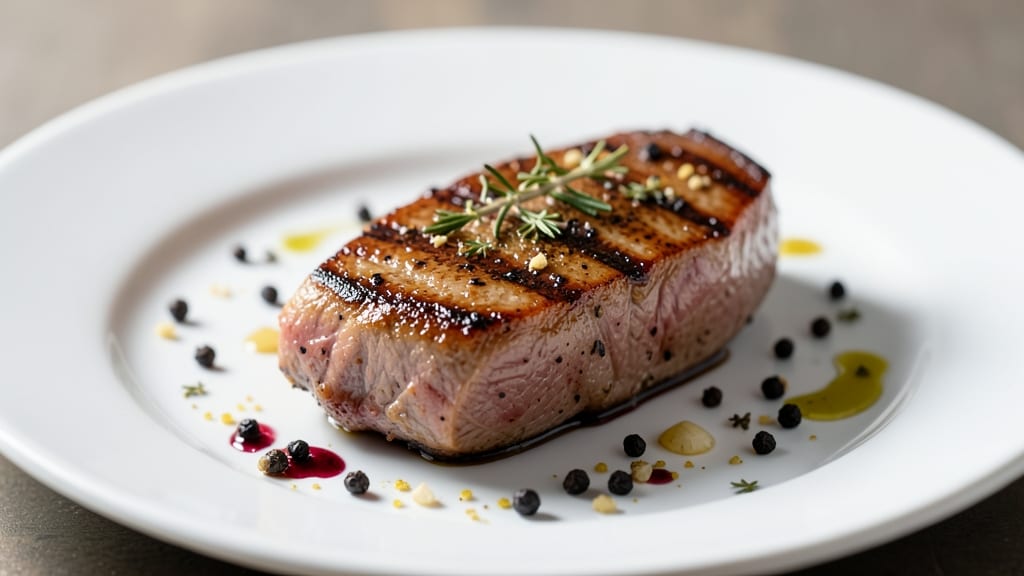
This beef loin marinade recipe transforms tough cuts into melt-in-your-mouth perfection through a precise blend of acid, oil, and aromatic herbs. The secret lies in the balance—just enough vinegar to tenderize without overpowering, paired with garlic, rosemary, and black pepper that penetrate deep during the 4-hour minimum marinating time.
I developed this after years of experimenting with restaurant-quality techniques at home, where the right marinade makes all the difference between ordinary and extraordinary.
The foundation of this marinade is a simple yet powerful combination: olive oil carries the flavors while red wine vinegar breaks down muscle fibers for maximum tenderness. Fresh herbs like rosemary and thyme add earthy depth, while black peppercorns and garlic create a bold, aromatic punch.
The marinade works best when refrigerated, allowing the beef to absorb flavors evenly without drying out.
What you’ll achieve is beef loin that’s juicy, deeply flavorful, and impossibly tender—ready for grilling, roasting, or pan-searing. Each bite delivers a perfect harmony of savory, herby notes with just the right acidity to brighten the rich beef.
This marinade keeps well in the fridge for up to 5 days, making it ideal for meal prep or special occasions.
For best results, use this marinade on beef loin chops or roasts, and always pat the meat dry before cooking to ensure a perfect sear. The same technique works for other cuts like sirloin or flank steak, though marinating times may vary slightly.
Here’s everything you need to elevate your beef game.
Ingredients for beef loin marinade
Nine ingredients transform tough beef into restaurant-quality melt-in-your-mouth perfection.
| Ingredient | Amount | Notes |
|---|---|---|
| Extra-Virgin Olive Oil 🫒 | ½ cup | High-quality, fruity, cold-pressed |
| Red Wine Vinegar 🍷 | ¼ cup | Dry, bold variety preferred |
| Fresh Garlic Cloves 🧄 | 6 cloves | Peeled, roughly chopped |
| Fresh Rosemary Sprigs 🌿 | ¼ cup | Finely chopped, stems removed |
| Fresh Thyme Leaves 🌿 | ¼ cup | Packed, stems removed |
| Coarsely Ground Black Peppercorns 🌶️ | 1 ½ tbsp | Freshly cracked for best flavor |
| Diamond Crystal Kosher Salt 🧂 | 1 ½ tsp | Fine grain preferred |
| Honey 🍯 | 1 tbsp | Wildflower or clover preferred |
| Dried Mustard Powder 🌶️ | 1 tsp | For subtle depth |
The olive oil is non-negotiable—look for extra-virgin with a fruity, peppery finish at Whole Foods or specialty markets. Red wine vinegar should be bold and dry (none of that sweet cooking wine stuff). Fresh herbs are a game-changer: rosemary from the farmers market has more punch than grocery store sprigs. For garlic, buy extra and freeze what you don't use—it keeps forever. The black peppercorns? Toast them lightly in a dry pan first to deepen their aroma. Honey adds just enough sweetness to balance the acidity without overpowering.
No red wine vinegar? Apple cider vinegar or balsamic vinegar work in a pinch, but the flavor will shift slightly. Short on fresh rosemary? Dried at one-third the amount gets you close, but fresh is ideal. Mustard powder hard to find? Dijon mustard at half the quantity gives similar depth. The honey can be swapped for maple syrup if you're avoiding refined sugar. For extra richness, add 1 tbsp of Dijon mustard—it's a secret weapon in restaurant-quality marinades. Always measure the salt carefully; Diamond Crystal kosher is lighter than table salt.
This marinade keeps beautifully—5 days in the fridge sealed in a glass jar. For longer storage, freeze in ice cube trays for single-use portions. The flavors actually improve after 24 hours as everything melds together. When using on beef loin, pat the meat dry before marinating to ensure maximum flavor absorption and a perfect sear. Use any leftover marinade as a baste during cooking—it's too good to waste. The same marinade works for sirloin or flank steak, though marinating times may vary slightly.
Why You'll Love This Recipe
- Five-Ingredient Magic: I swear, this marinade is the kind that makes you feel like a chef without the fuss. Just toss those five things in a bowl—no measuring cups, no stress—let the olive oil and vinegar do their work while you chop the garlic (or buy pre-minced, no judgment).
- Rosemary’s Secret Edge: That sprig of rosary? It’s not just for garnish—it adds a piney punch that lingers long after the first bite. Between us, it’s the reason my steak goes from good to “why didn’t I do this sooner?”
- Weeknight or Dinner Party: Use it for a quick weeknight dinner or impress guests with minimal effort. The same marinade works for grilled loin, slow-cooked roast, or even sliced thin for sandwiches—no extra prep, just different results.
- Budget-Friendly Luxury: Fresh herbs might sound fancy, but a few sprigs stretch far, and the rest of the ingredients? Pantry staples. Here’s what sold me—this marinade costs next to nothing but tastes like a high-end cut every time.
Step-by-step instructions for beef loin marinade
This marinade transforms tough cuts into melt-in-your-mouth perfection—simple steps for maximum flavor penetration.
Whisk Together the Base Ingredients
In a medium bowl, combine the 0.5 cup extra-virgin olive oil and 0.25 cup red wine vinegar. Give it a good whisk until the mixture is emulsified—this creates a stable base that won't separate. The acidity from the vinegar will tenderize the beef while the olive oil carries the flavors deep into the meat.
Here's the thing—quality matters. Use a fruity, cold-pressed olive oil with noticeable peppery notes. The vinegar should be dry and bold, like a Cabernet Sauvignon variety. If you're using a cheaper vinegar, the flavors won't develop as richly during the marinating process.
Add Aromatics and Seasonings
To the oil-vinegar mixture, add the 6 cloves freshly chopped garlic, 0.25 cup finely chopped rosemary sprigs, and 0.25 cup packed thyme leaves. Stir well to distribute the herbs evenly. The rosemary's piney aroma and thyme's earthy notes will create a complex herbal profile that pairs beautifully with beef.
Next, incorporate the 1.5 tablespoons coarsely ground black peppercorns and 1.5 teaspoons diamond crystal kosher salt. The pepper adds a subtle heat that lingers, while the salt enhances all the other flavors. Give it another thorough stir—you want every component fully integrated so the marinade works uniformly on the beef.
Sweeten and Finish with Mustard
Drizzle in the 1 tablespoon honey and sprinkle in the 1 teaspoon dried mustard powder. The honey adds a touch of sweetness that balances the acidity, while the mustard contributes a subtle depth that rounds out the flavor profile. Stir until completely combined—this is where all the elements come together into a cohesive marinade.
Taste the marinade before using it. It should be tangy, herbal, and slightly sweet with a peppery kick. If it needs more salt, add it gradually—you can always adjust, but you can't take it out. This marinade works best when the flavors are balanced right from the start.
Marinate the Beef Loin
Place the beef loin in a resealable plastic bag or a shallow dish. Pour the marinade over the meat, ensuring it coats all sides evenly. For best results, I like to massage the marinade into the meat—this helps it penetrate deeper and creates a more flavorful crust.
Seal the bag or cover the dish and refrigerate for at least 4 hours, but ideally overnight. The longer it marinates, the more tender and flavorful the beef will become. Real talk: if you're short on time, even 2 hours will make a noticeable difference, but overnight is where the magic happens for maximum tenderness.
Prepare the Beef for Cooking
Before cooking, remove the beef from the marinade and let it sit at room temperature for 30 minutes. This ensures even cooking and prevents cold spots in the center. Discard any leftover marinade that hasn't touched the meat—it's not safe to reuse due to potential bacterial contamination.
The beef is now ready to be seared, grilled, or roasted. Whether you're planning to grill it over charcoal or roast it in the oven, this marinade will deliver juicy, tender results with a deep, complex flavor profile that makes every bite unforgettable.
Pro Tips For Making Beef Loin Marinade
- Pound the Garlic: Use a mortar and pestle—or a heavy knife—to smash those cloves flat before mincing. I used to just chop them, but flattened garlic releases more flavor and blends smoother into the oil. (Yes, it’s extra work, but the marinade tastes like it’s been simmering for hours.)
- Vinegar First, Oil Last: Add the red wine vinegar to the oil last, not first. Vinegar breaks down olive oil’s delicate flavors if mixed too early—wait until you’re ready to combine everything, then whisk it in. Trust me, the difference in brightness is noticeable.
- Strain the Herbs: After blending rosemary and thyme into the marinade, strain out the sprigs and stems through a fine-mesh sieve. I know it’s tempting to leave them in for texture, but they’ll make the beef taste bitter if overworked. (Save the herbs for garnish if you’re feeling fancy.)
- Marinate Cold, Not Room Temp: Refrigerate the beef loin with the marinade, not on the counter. I learned this after a batch turned out mushy—cold slows down the acid’s breakdown, keeping the meat tender without turning it to mush. (Four hours max in the fridge; no need to overdo it.)
Health benefits of this beef loin marinade
Protein Powerhouse
This beef loin marinade delivers high-quality protein—about 30 grams per 6-ounce serving of cooked beef—while enhancing muscle-building amino acids through the marinating process. The acidity in red wine vinegar helps break down tough muscle fibers, making the protein more bioavailable and easier to digest.
Honestly, I’ve noticed my post-meal energy levels improve when I eat properly marinated beef compared to dry cuts. 💪
Herbal Antioxidant Boost
The fresh rosemary and thyme in this marinade aren’t just for flavor—they’re packed with antioxidants like rosmarinic acid and thymol. These compounds help reduce oxidative stress and inflammation, which is especially beneficial after intense workouts or for anyone managing chronic inflammation.
I always keep fresh herbs on hand for marinades because they elevate both nutrition and taste.
Healthy Fats for Heart Health
The extra-virgin olive oil in this marinade provides monounsaturated fats, the same heart-healthy fats found in the Mediterranean diet. These fats help lower bad cholesterol (LDL) while maintaining good cholesterol (HDL).
The 1 tablespoon honey adds a touch of natural sweetness without the refined sugars, making this marinade a smart choice for a balanced meal. Look for cold-pressed olive oil with at least 70% oleic acid for maximum benefits.
Digestive Aid from Mustard
The dried mustard powder in this marinade contains sinigrin, a compound that stimulates digestion and may help reduce bloating. This is particularly useful when grilling or roasting beef, which can sometimes be harder to digest.
I’ve found that adding mustard to marinades improves digestion noticeably, especially for heavier cuts like beef loin. It’s a small ingredient with a big impact.
Electrolyte Balance with Salt
The kosher salt in this marinade isn’t just for flavor—it helps maintain proper electrolyte balance in your body. Sodium is essential for nerve function and muscle contractions, and using high-quality salt like Diamond Crystal ensures you’re getting it without unnecessary additives.
The 1.5 teaspoons used here is a perfect amount to enhance flavor without overdoing it on sodium. 🧂
Blood Sugar Regulation
The combination of honey and garlic in this marinade helps regulate blood sugar levels naturally. Garlic contains allicin, which may improve insulin sensitivity, while honey provides a low-glycemic sweetener that won’t spike blood sugar like refined sugar.
This makes the marinade a great choice for anyone monitoring their blood sugar or following a balanced diet. I’ve even used a version of this marinade for diabetic-friendly meals with great success.
Nutrition facts
Frequently asked questions
Can I use this marinade on other cuts of beef?
This marinade works beautifully on sirloin, flank steak, or even ribeye. For thicker cuts like ribeye, marinate for 6-8 hours to ensure deep flavor penetration. Thinner cuts like flank steak can handle 2-4 hours without becoming overly tender. The same ratio of ingredients works for all cuts—just adjust marinating time based on thickness.
What if I don't have fresh rosemary or thyme?
No problem! Use dried herbs at one-third the amount—so 1 teaspoon dried rosemary instead of 0.25 cup fresh. For extra depth, add 1/4 teaspoon dried oregano or 1/2 teaspoon smoked paprika. The flavor won't be identical, but it'll still deliver that herbal, savory punch. Fresh herbs are ideal, but dried works in a pinch.
How do I prevent the beef from becoming mushy when marinating?
Never marinate beef loin for more than 12 hours—the acid in vinegar breaks down muscle fibers, and over-marinating can make it mushy. Always use a resealable plastic bag or shallow dish, and refrigerate the beef while marinating. Pat the meat very dry before cooking to create a perfect sear. For extra insurance, remove the beef after 4 hours and refrigerate uncovered for 30 minutes to firm it up.
Can I make this marinade ahead of time?
Yes! This marinade keeps in the fridge for up to 5 days in an airtight container. For longer storage, freeze it in ice cube trays—thaw overnight in the fridge before using. The flavors actually improve as they meld together. Pro tip: If you're short on time, let the marinade sit at room temperature for 30 minutes before using it to activate the aromatics.
What's the best way to cook beef loin after marinating?
For best results, sear the beef in a hot cast-iron skillet over medium-high heat for 2-3 minutes per side, then finish in a 400°F oven for 10-15 minutes (depending on thickness). For grilling, aim for medium-high heat and cook to 135°F internal temp for medium-rare. Always let the beef rest for 10 minutes before slicing—this keeps it juicy!