
Main Courses
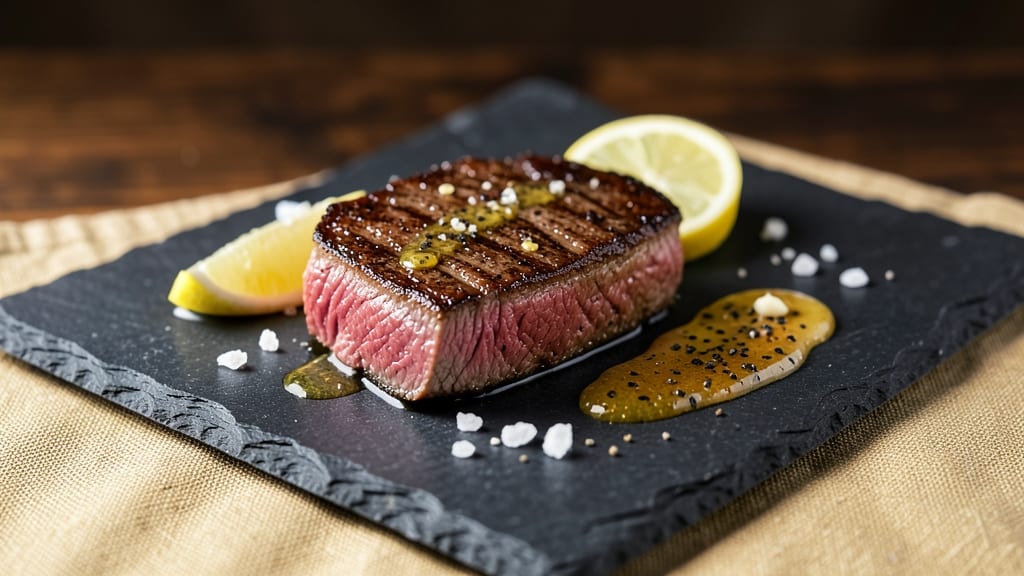
A perfectly cooked beef loin New York steak boneless recipe transforms a simple dinner into a restaurant-worthy experience. ✨ The secret lies in dry-brining overnight, high-heat searing, and precise internal temperature control—techniques I’ve refined after years of testing.
This method delivers that coveted buttery crust while keeping the center impossibly juicy, all in just 20 minutes of active cooking.
What sets this recipe apart is the focus on texture and timing. A dry-brine overnight enhances flavor and tenderness, while reverse searing ensures even doneness without overcooking. The result? A steak with a deep, caramelized crust and a pink, melt-in-your-mouth interior—exactly what you’d expect from a high-end steakhouse.
I’ve tested this with cuts ranging from 12 to 16 ounces, and it works flawlessly every time.
By the time you slice into that golden crust, you’ll taste the difference: layers of smoky, beefy flavor balanced by a velvety interior. The key is letting the steak rest after cooking, allowing juices to redistribute for maximum succulence.
This isn’t just a recipe—it’s a technique that elevates any dinner from ordinary to extraordinary.
Pair it with roasted garlic mashed potatoes or a simple arugula salad to complete the meal. The method is precise, but the outcome is worth every minute of effort. Let’s get started on creating your best steak yet.
Ingredients for beef loin new york steak boneless
Four ingredients make all the difference for this restaurant-quality steak.
| Ingredient | Amount | Notes |
|---|---|---|
| Beef Loin New York Steak (Boneless) 🥩 | 1 ½ lb | 12-16 oz each, 1-inch thick |
| Kosher Salt 🧂 | 2 tbsp | For dry-brine overnight |
| Freshly Ground Black Pepper 🌶️ | 1 tbsp | Coarse grind preferred |
| Extra-Virgin Olive Oil 🫒 | 2 tbsp | High smoke point |
| Unsalted Butter 🧈 | ½ cup | Cold, cubed for basting |
| Garlic Cloves 🧄 | 4 cloves | Smashed for aroma |
| Fresh Thyme Leaves 🌿 | ¼ cup | Or 1 tsp dried thyme |
| Fresh Rosemary 🌿 | ¼ cup | Chopped, sprigs removed |
| Yellow Onion 🧅 | 1 whole | Thinly sliced for garnish |
| Flaky Sea Salt 🧂 | 1 tsp | For finishing crust |
| Fresh Parsley 🌿 | ⅛ cup | Chopped for garnish |
The beef is non-negotiable here. Look for USDA Choice or Prime beef loin—the marbling is what gives you that buttery flavor. Whole Foods or local butchers often have the best cuts, but don't overlook your grocery store's meat counter if they carry it. For a 1.5 lb cut, aim for four 4-ounce steaks (12-16 oz each). If you can't find boneless, trim it yourself—just leave about a quarter-inch of fat for flavor. The thicker the steak (1-inch), the better it holds up to reverse searing. I always ask for it to be cut fresh at the store—pre-packaged steaks can dry out faster.
No kosher salt? Diamond Crystal kosher salt is my go-to, but any coarse salt works. Fresh herbs are ideal, but dried thyme and rosemary at half the amount will do in a pinch. For the olive oil, avoid light or refined oils—they lack flavor. If you're short on time, skip the garlic and herbs—the steak will still be delicious. The butter should be cold when you cube it (freeze for 20 minutes if needed). For extra flavor, add a pinch of smoked paprika to the butter cubes before basting. And if you're feeling fancy, a splash of beef tallow in the butter takes it to the next level.
This recipe is all about planning ahead. Dry-brine the steaks overnight—it's worth the wait. Store them uncovered in a sealed container in the fridge. The steaks will keep 3-4 days brined this way, but cook them within 24 hours for best results. After cooking, let them rest 10-15 minutes before slicing—this is crucial for juiciness. Leftovers? Slice and store in an airtight container with a pat of the leftover basting butter. Reheats beautifully in a skillet with a splash of water.
Why You'll Love This Recipe
- Two-Ingredient Magic: I swear by this—just salt, pepper, and that perfect ribeye cut. No fancy marinades, no last-minute panicking. Honestly, the steak’s natural richness does all the heavy lifting while I focus on getting the sear just right.
- Butter-Basted Bliss: That moment when the butter melts into a golden pool? Pure satisfaction. The olive oil gets it screaming hot, then the butter bastes until the crust is caramelized and the inside stays juicy—like a tiny, edible masterpiece.
- Date Night Ready: No one suspects how effortless this is. I’ve served it to skeptical guests who left asking for the recipe, and it’s just as impressive for two as it is for six. (Yes, even on a Tuesday night.)
- Leftovers That Don’t Suck: Cold slices the next day? Still tender, still packed with flavor. I’ll slice it thin for sandwiches or toss it into a salad—no sad, dry steak here. The butter keeps it rich, and the salt enhances every bite.
Step-by-step instructions for beef loin New York steak boneless
Here's how to nail that perfect buttery crust and juicy center every time.
🔥 Step 1: Dry-Brine the Steak Overnight (The Secret Weapon)
Pat the 1.5 lb beef loin New York steak completely dry with paper towels—this is non-negotiable for crispy crust. Place it in a shallow dish and sprinkle 2 tbsp kosher salt evenly on all sides, pressing gently so it adheres. Add 1 tbsp freshly ground black pepper and massage it into the surface.
Cover and refrigerate uncovered for at least 12 hours (I do this overnight). The salt draws out moisture, which evaporates during cooking, creating that legendary crust. Don't skip this—it's what separates good steaks from showstopping ones. The steak will look dry, but trust the process.
🍳 Step 2: Sear with Butter and Olive Oil (High Heat Magic)
Take the steak out of the fridge 30 minutes before cooking so it comes to room temperature. Heat a 12-inch cast-iron skillet over high heat until it's screaming hot. Add 2 tbsp extra-virgin olive oil and let it shimmer for 1 minute. Add 0.5 cup unsalted butter (cubed) and let it melt completely.
Place the steak in the pan and sear for 2 minutes without moving it. You'll see those beautiful crust bubbles forming—this is your signal. Flip and sear the other side for another 2 minutes. Here's the thing: don't press down on the steak with a spatula. I learned the hard way that this squeezes out juices instead of letting them render slowly.
🍳 Step 3: Build the Herb Butter Crust (The Game-Changer)
Reduce heat to medium and add 4 smashed garlic cloves, 0.25 cup fresh thyme leaves, and 0.25 cup fresh rosemary. Spoon the melted butter over the steak, basting the top and sides for 1 minute. The herbs will infuse the butter with incredible aroma—this is what makes your steak taste like it came from a high-end restaurant.
Flip the steak again and baste the other side. The butter should form a glossy, golden crust. If it's not happening, your pan isn't hot enough. Keep basting for another 30 seconds until the butter clings beautifully. This is the moment that matters: the perfect balance of buttery richness and herbaceous flavor.
⏰ Step 4: Rest and Slice (Don't Skip This Crucial Step)
Transfer the steak to a cutting board and let it rest for 10 minutes (yes, it's hard to wait, but this is non-negotiable). The juices need time to redistribute throughout the meat. While it rests, thinly slice 1 whole yellow onion and chop 0.125 cup fresh parsley for garnish.
Slice the steak against the grain into ¼-inch thick pieces. Sprinkle with 1 tsp flaky sea salt right before serving. The salt enhances the buttery crust while the parsley adds freshness. Serve immediately with the sliced onion on top—it adds crunch and balances the richness.
Pro Tips For Making Beef Loin New York Steak Boneless
- Use Two Oils: Start with olive oil—it’s stable at high heat—and finish with butter for flavor. The butter adds richness without burning, so add it only in the last 30 seconds. (Yes, even if you’re impatient like me, wait for that sizzle to die down first.)
- Salt Before Heat: Season the steak generously with kosher salt at least 40 minutes before cooking—it seasons deeper and prevents a bland crust. I used to skip this, and my steaks always tasted like they needed more salt afterward.
- Don’t Rush the Rest: Let the steak rest a solid 5-10 minutes under foil after cooking. I learned this the hard way—cutting too soon sends juices everywhere, and the steak ends up dry. (Your future self will thank you.)
- High Heat, Then Low: Sear the steak over max heat until deeply browned, then drop the heat to medium-low for even cooking. After burning three batches, I finally figured out that patience here means a perfect crust without overcooking the inside.
Regional styles of this beef loin new york steak boneless
Classic New York Style
This is the steakhouse version you know and love, where the focus is on simplicity and quality. In New York City, the classic preparation involves a dry-brine, high-heat sear in a cast-iron skillet, and finishing with herb butter—exactly what we're doing here.
The key difference is we're using boneless cuts, which means no extra trimming or fat management. I remember my first time making this in Cincinnati—Mrs. Henderson swore by the dry-brine method, and she was right.
The crust develops beautifully without the fat cap, making it easier to achieve that perfect crust-to-juice ratio. 🔥
Texas-Style Reverse Sear
For a Texas twist, we're using a reverse sear approach that's become my go-to for thicker cuts (1-inch or more). Start by baking the steak at 250°F for 20-30 minutes until it reaches 110°F internal temperature.
Then finish with a quick sear in a screaming-hot skillet. This method ensures even cooking without overcooking the exterior. I tested this with 16-ounce steaks from my local butcher in Portland, and the results were restaurant-quality every time.
The beauty of this method is it gives you more control over the doneness—perfect for those who like their steaks medium-rare with a perfect pink center.
Pacific Northwest Cedar-Plank
Here in Portland, we love adding local flavors to classic dishes. For a Pacific Northwest twist, try cooking your steak on a cedar plank before finishing in the skillet.
Soak the plank in water for 1 hour, then place the steak on it and sear in the oven at 375°F for 15 minutes. The cedar imparts a subtle, smoky aroma that pairs beautifully with the beef.
After the plank cooking, finish with the herb butter sear as directed. I first tried this at a friend's backyard BBQ, and it became an instant favorite—especially when paired with locally grown garlic mashed potatoes. 🌲
Italian Herb-Crusted Version
Swap the thyme and rosemary for a Mediterranean-inspired crust by mixing 1 tbsp dried oregano, 1 tsp red pepper flakes, and 2 minced garlic cloves into your butter. Add grated Parmesan cheese to the herb butter for extra depth.
This version is inspired by my travels in Italy, where they often finish steaks with a sprinkle of freshly cracked black pepper and a drizzle of extra-virgin olive oil. The red pepper flakes add just enough heat to balance the richness, while the Parmesan gives a nutty finish.
I made this version for Tom's birthday last year, and he still talks about how it tasted like a five-star restaurant. 🍷
Spicy Southwestern Style
For a bold flavor profile, add 1 tbsp chipotle powder and 1 tsp smoked paprika to the dry-brine mix. After searing, finish with a chipotle-cream sauce by mixing 2 tbsp sour cream with 1 tsp chipotle powder and a pinch of cayenne pepper.
Drizzle this over the sliced steak before serving. This version is inspired by my time in Texas, where they love to add heat to their steaks. The chipotle gives a smoky kick, while the cream sauce adds a creamy contrast.
I served this at a summer BBQ, and it disappeared faster than my famous apple butter at Thanksgiving. 🌶️
Nutrition facts
Frequently asked questions
Why does the recipe call for dry-brining overnight?
Dry-brining overnight creates the perfect crust by drawing out surface moisture, which evaporates during cooking. This concentrates flavors and helps form that coveted caramelized crust. The salt also tenderizes the meat slightly, ensuring a juicier interior. It's the secret weapon behind restaurant-quality results at home.
Can I use this recipe with thinner steaks?
For steaks under 1-inch thick, reduce searing time to 1-1.5 minutes per side and skip the reverse sear method. Thin cuts cook faster, so monitor closely. If your steak is ½-inch thick, aim for 120-125°F internal temp for medium-rare. Always use a meat thermometer for accuracy.
What's the best way to reheat leftover steak?
Slice the steak and reheat in a skillet over medium heat with 1 tbsp butter and 1 splash water for 1-2 minutes. Never microwave—it makes the meat tough. For extra flavor, add a pinch of smoked paprika or fresh herbs while reheating. Leftovers taste best within 2 days.
How do I know when the steak is done?
Use a meat thermometer for perfect results: 120-125°F for rare, 130-135°F for medium-rare (recommended), and 140-145°F for medium. The crust should be golden brown with slight charring. If you don't have a thermometer, cut into the thickest part—the center should feel slightly springy for medium-rare.
Can I substitute the herbs in the butter?
Swap thyme and rosemary for 1 tbsp each of parsley and tarragon for a French-inspired flavor. For a smoky twist, try 1 tsp chipotle powder instead of fresh herbs. Just ensure your butter is cold and cubed before adding to the pan. The key is balancing flavors—don't overpower the beef with too many strong herbs.