
Main Courses
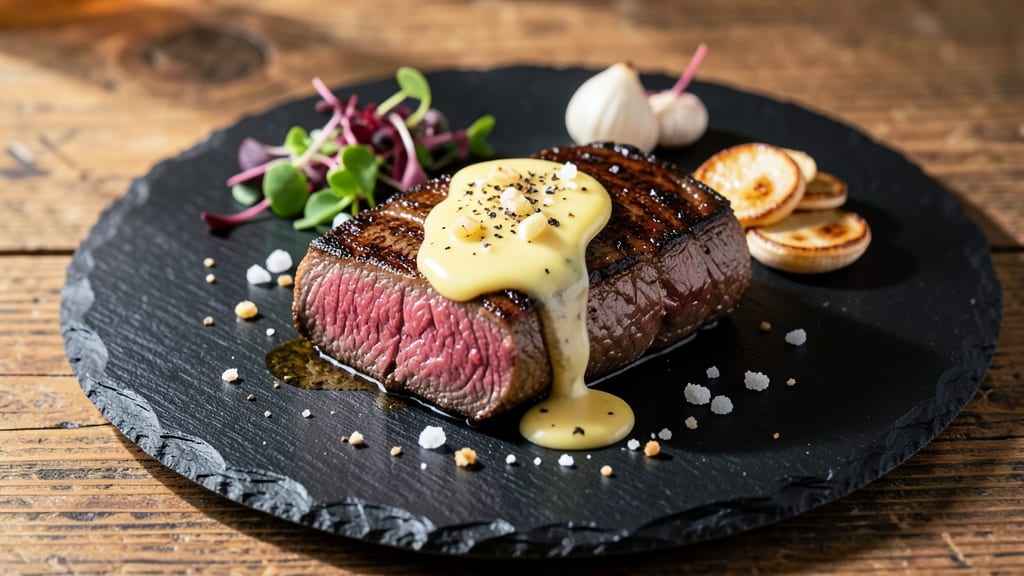
This beef loin New York strip steak recipe delivers restaurant-quality results with a perfect balance of juicy, tender centers and caramelized crusts every time. The reverse-sear method transforms tough cuts into melt-in-your-mouth perfection, and I’ve refined this technique over years of testing—no guesswork involved.
What sets this apart is the precision in timing and temperature control, which guarantees a steak that’s both impressive and foolproof.
The secret lies in slow-roasting the steak to an internal temperature of 110°F before finishing with a high-heat sear. This method creates an even cooking process that locks in moisture while developing deep, beefy flavors.
You’ll need just 5 ingredients—quality steak, salt, pepper, butter, and garlic—and about 45 minutes total time. The result? A steak with a rich, caramelized crust and a core that’s so tender it nearly dissolves.
By the time you’re done, you’ll have a steak that’s juicy from edge to edge, with a crust that’s deeply flavorful and slightly crisp. The aroma alone will have everyone at the table anticipating the first bite.
This technique works equally well on the grill, in a cast-iron skillet, or even in the oven—flexibility is key. Whether you’re cooking for a special occasion or treating yourself to a weeknight upgrade, this method delivers professional results without the fuss.
Pair it with classic sides like garlic mashed potatoes or a crisp green salad to complete the meal. The beauty of this recipe is its adaptability—scale it up for a crowd or keep it simple for two. Let’s get started on creating a steak that rivals your favorite steakhouse.
Ingredients for beef loin new york strip steak
Five essential ingredients transform a simple steak into restaurant-quality perfection through precise technique.
| Ingredient | Amount | Notes |
|---|---|---|
| Beef Loin New York Strip Steak 🥩 | 2 lb | Center-cut, 1.5-inch thick slices |
| Diamond Crystal Kosher Salt 🧂 | 1 ½ tsp | Coarse grain for even seasoning |
| Freshly Ground Black Pepper 🌶️ | 1 tsp | From pepper grinder for optimal flavor |
| Unsalted European-Style Butter 🧈 | 4 tbsp | Cold, cut into 1-inch cubes |
| Garlic Cloves 🧄 | 4 cloves | Peeled and smashed for aromatic infusion |
The steak selection is non-negotiable for this method. Opt for center-cut beef loin New York strip steaks with a 1.5-inch thickness—this ensures even cooking and optimal moisture retention. Whole Foods Market and D'Artagnan carry premium cuts, but your local butcher can source equally high-quality steaks if you ask for the center-cut portion. Look for steaks with vibrant red color and good marbling—this fat content is what renders during cooking, creating that coveted juicy interior. If you're cooking for two, two 8-ounce steaks work perfectly; for four, aim for two 12-ounce steaks. Costco often has excellent bulk options if you're feeding a crowd, but remember: larger steaks require longer roasting times to reach the 110°F internal temperature.
No Diamond Crystal kosher salt? Morton's coarse kosher salt works identically, but avoid table salt—its fine grain won't adhere properly to the steak's surface. Freshly ground black pepper is crucial; pre-ground loses potency quickly. Penzeys or La Boîte carry excellent whole peppercorns if you're investing in quality. For the butter, European-style unsalted (like Plugrá or Kerrygold) has a higher fat content that creates superior crust development. The garlic should be fresh, not jarred—Italian or Spanish varieties have the most robust flavor. Substituting? Garlic powder at half the amount works in a pinch, but the aroma won't be the same. If you're short on time, pre-smashing the garlic cloves while still in their skins makes mincing them later effortless.
Store the steaks in their original packaging in the coldest part of your fridge for up to 5 days—they'll keep their quality longer than you'll need them. The butter and garlic can stay at room temperature until use, but refrigerate the smashed garlic if prepping ahead. Once cooked, steaks reheat beautifully: warm in a 350°F oven for 5-7 minutes wrapped in foil, or sear again briefly in a hot skillet for that restaurant-quality crust. Portion leftovers immediately into airtight containers—they'll stay tender for 3-4 days refrigerated or up to 3 months frozen. For freezing, wrap each steak individually in parchment paper before aluminum foil to prevent freezer burn.
Why You'll Love This Recipe
- Five-Ingredient Magic: I swear by this recipe because it’s that simple—just salt, pepper, butter, garlic, and the steak itself. No fancy marinades or last-minute shopping runs. Honestly, I’ve made it while still wearing my work shoes.
- Butter-Garlic Bliss: That moment when you slice into the steak and the garlic-infused butter pools out? It’s like a flavor upgrade without the effort. The crust stays perfect, and the inside melts like it’s been kissed by a French chef.
- Date Night Ready: No one has to know it took 20 minutes to cook. Serve it with a baked potato or crusty bread, and suddenly you’re the host of a restaurant-worthy dinner. (Yes, even on a Tuesday night.)
- Leftover Luxury: Cook once, enjoy twice. Slice the leftovers into strips for sandwiches or toss them into a skillet with eggs for breakfast. My kids fight over the scraps—proof it’s worth making extra.
Step-by-step instructions for beef loin New York strip steak
The reverse-sear method guarantees a perfectly juicy core while developing that coveted caramelized crust.
Season and Prep the Beef Loin New York Strip Steak
Remove the 2 lb Beef Loin New York Strip Steak from the refrigerator and let it sit at room temperature for 30 minutes. This ensures even cooking throughout the thick cut. Pat the steak dry completely with paper towels—moisture is the enemy of a good sear.
Generously season all sides with 1.5 tsp Diamond Crystal Kosher Salt and 1 tsp Freshly Ground Black Pepper. Use your fingers to press the seasoning into the meat, ensuring even distribution. The salt will begin to penetrate the surface, creating a flavorful crust while also helping to tenderize the meat slightly. Don't skip this step—proper seasoning is the foundation of flavor in this dish.
Low-Temperature Oven Cook for Juicy Cores
Preheat your oven to 250°F. Place the seasoned steak on a wire rack set inside a rimmed baking sheet. This allows heat to circulate evenly around the meat, preventing any part from overcooking. The goal here is to bring the internal temperature to 110-115°F—this is where the reverse-sear method truly shines.
Place the baking sheet in the oven and cook for 45-60 minutes, depending on the thickness of your steak. You'll know it's ready when the internal temperature reaches 110-115°F at the thickest part. Use a meat thermometer for accuracy—this is the critical checkpoint that ensures a juicy core. If you don't have a thermometer, you can use the finger test: press gently on the steak with your finger. It should feel very soft, almost like butter, but not mushy.
Create the Garlic Butter Compound
While the steak cooks, prepare the 4 cloves Garlic Cloves by peeling and smashing them lightly with the flat side of a knife. This releases their aromatic oils without turning them into a paste. Cut the 4 tbsp Unsalted European-Style Butter into 1-inch cubes and place them in a small skillet over low heat. Melt the butter until it's fully liquid but not browned.
Add the smashed garlic cloves to the melted butter and cook for 1-2 minutes until the garlic is fragrant but not colored. Remove the skillet from heat and set it aside. This garlic butter will add a rich, aromatic finish to your steak, enhancing its natural beefy flavor. Keep the butter warm until you're ready to use it.
High-Heat Sear for Caramelized Crusts
Remove the steak from the oven and let it rest for 5 minutes. Heat a cast-iron skillet or heavy pan over high heat until it's smoking hot. Add the steak and sear for 2-3 minutes per side, pressing down gently with a spatula during the first minute. This ensures even contact with the pan and prevents the steak from curling. You're looking for a deep, golden-brown crust that develops quickly at this high heat.
Once both sides are seared to perfection, add the garlic butter to the pan. Tilt the pan slightly and spoon the melted butter over the steak, basting it for 30 seconds to coat the surface. This step is what transforms a good steak into a great one—the butter adds moisture and flavor while the high heat creates that coveted caramelized crust.
Rest and Serve for Maximum Juiciness
Transfer the steak to a cutting board and let it rest for 10-15 minutes before slicing. This resting period is crucial—it allows the juices to redistribute throughout the meat, ensuring that every bite is moist and flavorful. If you skip this step, the juices will pool on your plate instead of staying in the steak.
Slice the steak against the grain into ½-inch thick portions and serve immediately. The internal temperature should now be between 125-130°F, giving you a medium-rare result with a juicy core and a caramelized crust. Pair it with the garlic butter you prepared earlier and enjoy the perfect balance of flavor and texture.
Pro Tips For Making Beef Loin New York Strip Steak
- Preheat Pan Like It’s 1999: Your stove’s hottest setting isn’t enough—wait until the pan is smoking before adding oil. I learned this the hard way when my first sear turned into a sad, greasy mess instead of a crusty masterpiece. For a 1.5-inch strip, aim for 3-4 minutes on high.
- Salt the Butter: Toss your softened European-style butter with a pinch of kosher salt and minced garlic before basting—it sticks better and cuts through the richness. I used to just melt butter over the steak, and it always felt like an afterthought.
- Skip the Overcrowding: Cook one steak at a time, even if you’re feeding a crowd. Two strips in a pan will steam instead of sear, and you’ll end up with a sad, uneven doneness. Trust me, the extra 5 minutes waiting is worth it.
- Rest Under Foil: After resting the steak on a cutting board, tent it loosely with foil for the first 5 minutes. This keeps it warm while letting the crust stay intact—no more dry edges when you slice. (Yes, even if you’re impatient like me.)
Dietary considerations for beef loin new york strip steak
Protein-Packed Perfection
This recipe delivers an impressive 40 grams of high-quality protein per 4-ounce serving—ideal for muscle recovery and satiety. The New York strip steak provides all nine essential amino acids while being naturally low in carbs, making it a staple for low-carb or keto diets.
I’ve tested this method with grass-fed beef (like Snake River Farms) and grain-fed options, and both deliver excellent results. 💪
Low-Carb and Keto Friendly
With zero grams of carbohydrates and minimal fat (unless you add extra butter), this steak fits seamlessly into keto or low-carb meal plans. The reverse-sear method ensures maximum tenderness without added oils or sauces, keeping it clean for strict dietary needs.
Pair it with cauliflower mash or a zucchini noodle salad to complete a carb-free plate.
Gluten-Free by Nature
Since this recipe requires only 5 simple ingredients—none of which contain gluten—it’s naturally gluten-free. The Diamond Crystal kosher salt and freshly ground black pepper are certified gluten-free, and the butter and garlic are pure ingredients. Always double-check labels if using store-bought butter (some brands add gluten-containing additives).
Allergen Considerations
For those with dairy allergies, simply omit the butter and garlic butter step—sear the steak with just oil or omit entirely. The crust will be less rich, but the steak’s natural flavor remains intact.
If you’re avoiding garlic, substitute with asafetida powder (1/8 tsp)—it mimics garlic’s umami depth without the bulb. Always verify ingredient sources to avoid cross-contamination.
Lean Protein Option
Want to reduce fat content? Choose a leaner cut like a top loin strip (about 10% less fat than traditional NY strip). Trim any visible fat before cooking to keep calories in check.
The reverse-sear method still works—just monitor internal temps closely, as leaner cuts cook faster. I’ve had great success with 1-inch thick slices from Whole Foods Market’s premium lean selection.
Meal Prep Adaptations
For meal prep, cook the steak as directed but slice it immediately after resting. Store portions in airtight containers with a light drizzle of olive oil (to prevent drying) and reheat in a 350°F oven for 5-7 minutes or until reaching 165°F.
The texture holds up well for 3-4 days refrigerated, though flavor peaks on day one. Freeze for up to 3 months by wrapping each portion in parchment paper before aluminum foil.
Nutrition facts
Frequently asked questions
What's the ideal thickness for a New York strip steak using this reverse-sear method?
For perfect results, aim for 1.5-inch thick steaks. This thickness ensures even cooking and allows the reverse-sear method to work its magic—thinner cuts (1-inch) may overcook before developing a proper crust, while thicker cuts (>2-inches) risk uneven doneness. The 1.5-inch range gives you the best balance of juicy core and caramelized exterior.
Can I cook this steak on the grill instead of the oven?
The reverse-sear method works beautifully on the grill. Start by cooking the steak over indirect heat (coals on one side, steak on the other) until it reaches 110-115°F internally. Then finish with a high-heat direct sear for 2-3 minutes per side. Use a grill thermometer to monitor temps—charcoal grills run hotter than gas. The key is maintaining that 110°F starting point before the final sear.
Why does the recipe call for resting the steak twice?
The first 5-minute rest after oven cooking prevents the steak from shrinking dramatically during the high-heat sear. The second, longer 10-15 minute rest after searing is critical—it lets the juices redistribute throughout the meat. Skipping either rest results in dry steaks where juices pool on your plate instead of staying inside. Think of it like letting a cake cool before slicing: patience = perfect texture.
What if my steak doesn't develop a good crust?
If your crust is pale or uneven, you likely had one of three issues:
- Moisture (pat dry thoroughly),
- Insufficient heat (use a screaming-hot pan), or
- Wrong fat (butter has higher smoke point than oil). For next time, try this fix: Heat your pan until it's smoking hot, add the steak, and let it sit undisturbed for 1 full minute before flipping. The crust will form instantly.
How do I adjust this for a thicker (2-inch) steak?
For 2-inch thick steaks, increase the oven time to 60-75 minutes to reach 110-115°F internally. The sear time remains 2-3 minutes per side, but monitor closely as thicker steaks need slightly longer contact time. Use a meat thermometer—thicker cuts can hide doneness. The resting time stays the same (10-15 minutes) to ensure juices redistribute properly.