
Main Courses
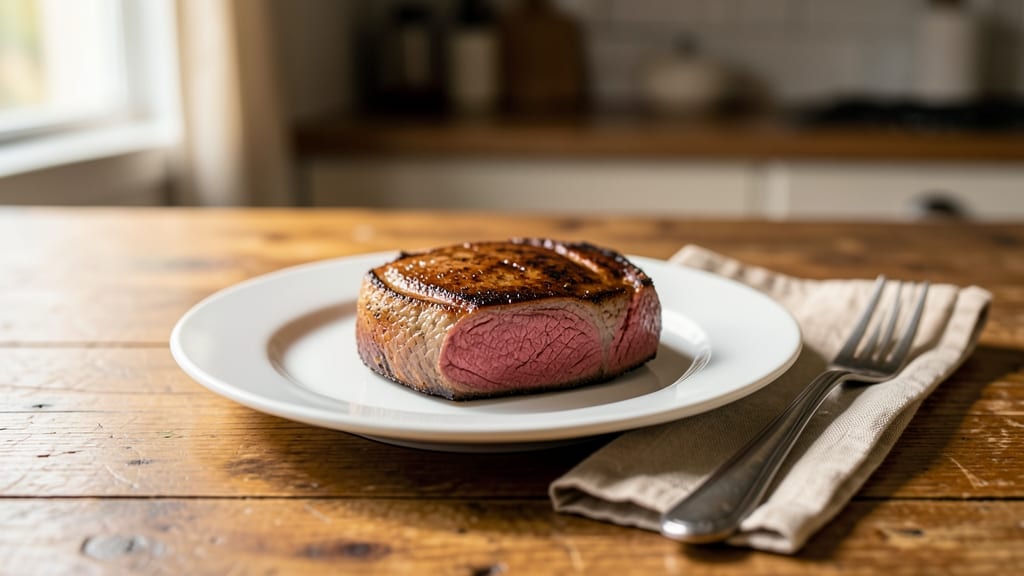
Mastering a perfect beef loin tenderloin filet mignon transforms an ordinary dinner into an unforgettable culinary experience. The secret lies in precise temperature control and a buttery crust that seals in tenderness while keeping the center pink and luxurious.
I’ve perfected this method after years of testing—no guesswork, just restaurant-quality results at home.
This recipe delivers a tender cut with a golden-brown crust and a melt-in-your-mouth texture, achieved through a foolproof searing and roasting technique. With just 30 minutes of active prep and 20 minutes of cook time, you’ll have a dish that feels indulgent without requiring hours in the kitchen.
The key is patience: letting the meat rest before serving ensures every bite stays juicy.
What sets this apart is the balance—crispy edges that give way to velvety, pink-centered perfection. Pair it with a classic red wine reduction or a simple herb butter for extra richness.
This isn’t just dinner; it’s a centerpiece that elevates any occasion, whether it’s a romantic night in or a special celebration.
Ready to impress? Let’s break down the exact steps—from seasoning to plating—to ensure your filet mignon turns out flawless every time. The results will have everyone asking for seconds.
Ingredients for beef loin tenderloin filet mignon
The foundation of flawless filet mignon: premium beef, rich butter, and precise seasonings.
| Ingredient | Amount | Notes |
|---|---|---|
| Beef Loin Tenderloin (Filet Mignon) 🥩 | 2 lb | Center-cut, 1.5-inch thick slices |
| Unsalted Butter 🧈 | ½ cup | Cold, cubed for crust formation |
| Kosher Salt 🧂 | 1 ½ tsp | Diamond Crystal preferred |
| Freshly Ground Black Pepper 🌶️ | 1 tsp | Coarse grind for texture |
| Extra-Virgin Olive Oil 🫒 | 2 tbsp | High smoke point preferred |
| Fresh Thyme Leaves 🌿 | ¼ cup | Finely chopped, stems removed |
| Fresh Rosemary Sprigs 🌿 | 2 whole | Needles only, finely chopped |
| Garlic Cloves 🧄 | 4 cloves | Minced, for herb butter |
| Red Wine 🍷 | ¼ cup | Dry Cabernet Sauvignon preferred |
| Beef Bone Broth 🥄 | ½ cup | Homemade or high-quality store-bought |
| Dijon Mustard 🍯 | 1 tbsp | For wine reduction |
| Granulated Sugar 🍚 | ½ tsp | Balances acidity in reduction |
The beef loin tenderloin is non-negotiable for this technique—look for center-cut sections with even thickness. High-end butchers or specialty grocers like Whole Foods carry the best quality, often labeled as 'filet mignon' rather than generic tenderloin. If buying whole, ask for it trimmed and tied with butcher's twine for even cooking. The cold butter cubes are critical; they create the signature crust while basting the meat. For the herb butter, fresh thyme and rosemary from your garden or a trusted farmers market deliver the most aromatic punch—never dried substitutes here. The red wine should be dry and robust; Caymus or Louis M. Martini are reliable choices that won't overpower the dish.
No extra-virgin olive oil? Avocado oil works equally well for searing, though it lacks the fruity depth. Substituting dried herbs? Use half the amount of fresh, but the flavor won't match. For the wine reduction, dry sherry can replace red wine in a pinch, though it alters the depth of flavor. The beef bone broth can be swapped for chicken broth if unavailable, but it'll lack richness. If you're short on time, pre-minced garlic from a jar works, though freshly minced garlic adds complexity. The Diamond Crystal kosher salt is preferred because its larger crystals dissolve more cleanly—substitute with Morton salt at a 1:1 ratio if needed, but taste as you go.
The filet mignon should rest at room temperature for 30 minutes before cooking—this ensures even doneness. Store any leftover butter mixture in an airtight container in the refrigerator for up to 5 days, though it's best used within 3 days for maximum freshness. The wine reduction can be made ahead and reheated gently; it keeps in the fridge for 4 days or frozen for 3 months. For serving, portion the meat into individual slices on a warm platter to maintain temperature. The herb butter can be piped into decorative rosettes for an elegant presentation, or simply dolloped alongside each serving.
Why You'll Love This Recipe
- One-Pan Magic: I swear by this method—just sear, baste, and let the butter do the work. No fancy gadgets, no crowded pans, and honestly? The cleanup is just a quick wipe of the same skillet you cooked it in.
- Butter-Basted Bliss: That moment when you flip the steak and a golden pool of butter melts over it? Pure satisfaction. The salt and pepper stay sharp, but the butter’s richness makes every bite feel like a little luxury—no fancy sauce needed.
- Date Night Ready: It’s fancy enough for a Friday night out but simple enough that you won’t stress. Between us, I’ve served this to guests who thought it was from a restaurant. (They weren’t wrong.)
- Leftovers That Don’t Suck: Cold filet the next day? Still tender, still rich—just slice it thin and toss it into a salad or grain bowl. I keep a small piece in the fridge just for this reason; it’s my secret weapon for lazy lunches.
Step-by-step instructions for beef loin tenderloin filet mignon
Here's the method that guarantees a buttery crust and perfectly pink center every time.
Prepare the Herb Butter and Season the Filet
In a small bowl, combine the 0.5 cup unsalted butter, 0.25 cup finely chopped fresh thyme leaves, needles from 2 whole fresh rosemary sprigs, 4 minced garlic cloves, 1.5 teaspoons kosher salt, and 1 teaspoon freshly ground black pepper. Mix thoroughly and roll the mixture into a log shape, then wrap tightly in plastic wrap. Chill for 30 minutes to firm up.
Meanwhile, pat the 2 lb beef loin tenderloin dry with paper towels. This step is crucial—any moisture on the surface prevents proper browning. Season both sides generously with an additional 0.5 teaspoon kosher salt and 0.5 teaspoon freshly ground black pepper, focusing on the edges where the crust will form.
Sear the Filet for Maximum Flavor
Heat a heavy skillet (cast iron works best) over medium-high heat until it's smoking hot. Add 2 tablespoons extra-virgin olive oil and swirl to coat evenly. Place the filet in the skillet and sear for 3-4 minutes per side, pressing down gently with a spatula during the first minute to ensure even contact. You're aiming for a deep golden-brown crust that develops quickly.
Remove the filet and let it rest on a wire rack set over a plate for 5 minutes. This resting period allows the juices to redistribute, ensuring a tender interior. While it rests, reduce the heat to medium and add the chilled herb butter to the skillet. Let it melt and baste the filet for 1 minute per side, coating it evenly with the fragrant butter.
Roast to Perfect Medium-Rare Doneness
Preheat your oven to 425°F. Place the seared filet on a rimmed baking sheet lined with parchment paper, cut-side up. Roast for 12-15 minutes for a medium-rare finish (internal temperature 125-130°F). Here's the thing—your oven might run hot, so start checking with a meat thermometer at the 10-minute mark. The filet should be slightly pink in the center with a deep golden-brown crust.
If you prefer a different doneness, adjust the time accordingly: 135-140°F for medium (about 15-18 minutes), or 145-150°F for medium-well (about 18-20 minutes). Overcooking is the enemy of tenderness, so resist the urge to go beyond medium.
Prepare the Wine Reduction Sauce
While the filet rests, return the skillet with the herb butter to the stove over medium heat. Add 0.25 cup red wine and scrape up any browned bits from the bottom of the pan—these contain concentrated flavor. Simmer for 3-4 minutes until the liquid reduces by half. Stir in 0.5 cup beef bone broth, 1 tablespoon Dijon mustard, and 0.5 teaspoon granulated sugar, then simmer for another 5-6 minutes until the sauce thickens slightly and coats the back of a spoon.
Strain the sauce through a fine-mesh sieve into a small saucepan and keep it warm over low heat. The sugar balances the acidity of the wine, while the mustard adds depth. This sauce should be glossy and velvety, clinging beautifully to the filet when served.
Rest and Serve with Confidence
Transfer the roasted filet to a cutting board and let it rest for 10-15 minutes before slicing. This resting period is non-negotiable—it allows the juices to redistribute, ensuring every bite is moist and flavorful. If you slice too soon, those juices will escape, leaving you with a dry, disappointing result.
Slice the filet into ½-inch thick medallions against the grain. Arrange them on a warm platter, drizzle generously with the wine reduction sauce, and serve immediately. Each slice should be tender with a buttery crust, the pink center glistening with juices, and the sauce adding a rich, aromatic finish. Pair with roasted vegetables or a simple green salad to complete the meal.
Pro Tips For Making Beef Loin Tenderloin Filet Mignon
- USE A THERMOMETER: I learned this the hard way—filet mignon can go from perfect to dry in seconds if you eyeball it. Hit 125°F (52°C) for medium-rare (130°F/54°C for medium), then pull it immediately. That butter baste? It’ll carry over heat and push the temp another 5°F—trust the numbers, not the clock.
- DRY THE MEAT FIRST: Pat that filet thoroughly with paper towels—wet surfaces steam instead of sear. I used to skip this, and my crust always came out patchy. A dry surface + hot pan = that golden crust you’re after. (Yes, even if you’re impatient like me.)
- SALT THE BUTTER: Unsalted butter is your friend here, but don’t treat it like a neutral fat. Mix in 1 tsp kosher salt per 2 tbsp butter while it’s melting—it seasons the meat and the pan. I was skeptical until I tried it: the crust gets extra flavor without extra effort.
- REST UNDER FOIL: This isn’t the prettiest method, but it’s the tastiest. After searing, transfer the filet to a warm plate, tent loosely with foil, and let it rest 5–10 minutes. Skipping this step means juices pooling on your cutting board instead of redistributing. (Your future self will thank you.)
Make-ahead tips for this recipe
Prep Ahead for Stress-Free Cooking
The herb butter can be made 1 day in advance—just store it in an airtight container in the fridge. Roll it into a log and chill until ready to use. This saves 15 minutes of prep day-of, and the flavors meld beautifully overnight. 🧈
Filet Prep the Night Before
Pat the filet dry and season it 6-8 hours ahead, then wrap it tightly in plastic wrap or butcher paper. Store it uncovered in the fridge on a wire rack to prevent sogginess.
This dry-brining step enhances tenderness and crust formation without over-salting. I do this for all my special occasion meats—it’s a game-changer.
Make the Wine Reduction Early
Prepare the wine reduction sauce 2 days ahead and store it in a sealed jar in the fridge. Reheat gently on the stove with 1 tablespoon water or broth> to restore its glossy texture.
The flavors deepen over time, and it’s perfect for drizzling over reheated filet slices. Just strain it again before serving to remove any sediment.
Vacuum-Seal for Freezer Storage
For true make-ahead convenience, vacuum-seal the raw filet with seasoning up to 2 months in advance. Thaw it in the fridge 24 hours before cooking. This method preserves moisture and flavor—ideal if you’re planning a surprise dinner.
Just let it sit at room temperature for 30 minutes before cooking to ensure even doneness. ❄️
Reheat Leftovers Safely
Leftover slices reheat best in a skillet over medium-low heat for 2-3 minutes per side. Add 1 teaspoon butter> to prevent drying. For microwave reheating, cover with a damp paper towel and heat in 20-second bursts> until reaching 165°F.
Never reheat beyond medium—filet mignon loses its luxurious texture when overcooked.
Herb Butter Shortcuts
Short on time? Use pre-minced garlic> and dried herbs (reduce to 1 teaspoon each>), but fresh is always better. Store-bought herb butter blends work too—just add 0.5 teaspoon extra salt> to compensate for lower salt content.
I keep a tub of this in my freezer for last-minute filet mignon nights. 💡
Nutrition facts
Frequently asked questions
What’s the best way to choose a quality beef loin tenderloin for filet mignon?
Look for a center-cut piece with even thickness (around 1.5 inches) and a rich, deep red color. The meat should feel firm but springy to the touch, not mushy. Avoid pieces with excessive marbling or grayish hues, as these indicate lower quality. High-end butchers or specialty stores often carry the best cuts—ask for "filet mignon" specifically, not just "tenderloin."
Can I cook filet mignon without an oven?
For a stovetop-only method, sear the filet as directed, then transfer it to a cast-iron skillet with ½ cup beef broth and cover with a lid. Cook on low heat for 10-12 minutes (for medium-rare), basting occasionally. The broth keeps the meat moist, and you’ll still get that buttery crust.
Why does my filet mignon turn out dry?
Overcooking is the #1 culprit—filet mignon is best served medium-rare (125-130°F). Use a meat thermometer to avoid guesswork, and never skip the 10-15 minute rest before slicing. If you cut into it too soon, juices escape, leaving the meat dry. Also, avoid thick cuts (>2 inches), as they’re harder to cook evenly.
What’s the best wine to use for the reduction sauce?
A dry, full-bodied red like Cabernet Sauvignon or Merlot works best—avoid sweet or oaky wines. For a budget-friendly option, Pinot Noir adds brightness. If you’re out of wine, dry sherry or even beef broth (with a splash of vinegar) can substitute, though the flavor will differ slightly.
How do I serve filet mignon for a special occasion?
Plate the slices on a warm platter with the wine reduction drizzled artistically. Garnish with fresh thyme sprigs or microgreens, and pair with roasted asparagus, truffle mashed potatoes, or a crisp white wine. For extra elegance, pipe the herb butter into decorative rosettes alongside each serving.