
Soups & Stews
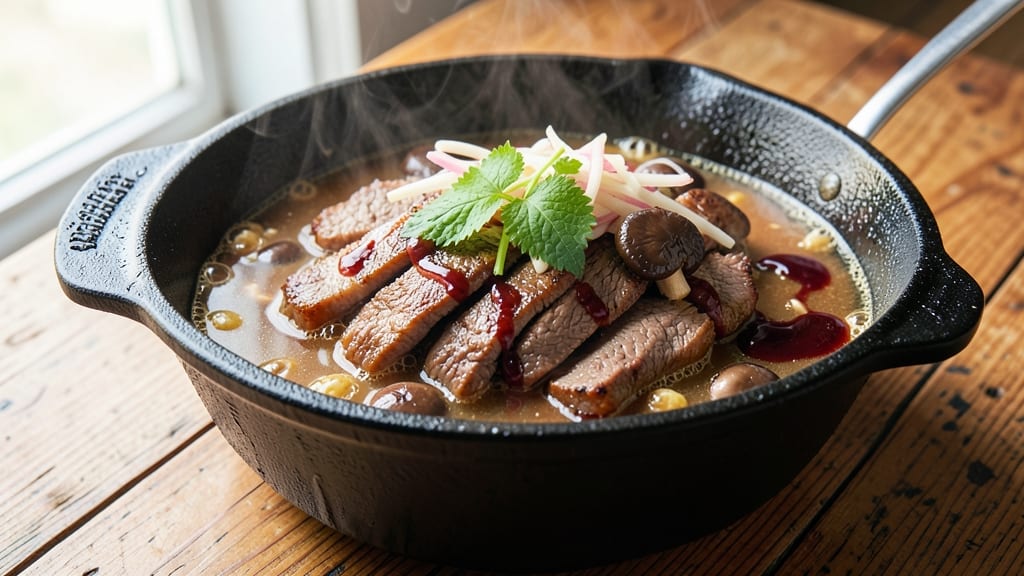
Creating an authentic beef nabe at home delivers restaurant-quality hot pot with silky broth and tender beef that melts in your mouth. This Japanese hot pot transforms a simple meal into an experience—steaming bowls of rich, umami-packed broth surrounding perfectly cooked proteins and fresh vegetables.
I’ve refined this recipe to balance traditional techniques with modern shortcuts, like using pre-made dashi for convenience without sacrificing depth of flavor.
The foundation of great beef nabe lies in the broth: a harmonious blend of dashi, soy sauce, mirin, and a touch of sake that simmers into a velvety, aromatic base.
Thinly sliced beef sears quickly in the pot, releasing juices that infuse the broth, while vegetables like napa cabbage and shiitake mushrooms soften just enough to soak up every drop of flavor. The result is a meal that’s both comforting and impressive, perfect for gatherings or cozy weeknight dinners.
What sets this recipe apart is the balance of textures—tender beef, crisp vegetables, and silky broth—all working together in one pot. You’ll start with a simmering broth, add your proteins and vegetables, and let the heat do the work, ensuring everything cooks to perfection without overcrowding.
The aroma alone will draw everyone to the table, and the first bite delivers that satisfying combination of rich, savory, and slightly sweet flavors.
Whether you’re serving a small family or hosting a dinner party, this beef nabe recipe scales effortlessly and leaves everyone asking for seconds. The beauty of hot pot is its flexibility—customize your ingredients based on what you have on hand, and adjust the broth to your preferred level of richness.
Let’s get started on creating a meal that feels like a warm embrace in a bowl.
Ingredients for beef nabe
Rich broth, tender beef, and crisp vegetables—this Japanese hot pot delivers restaurant-quality comfort at home.
| Ingredient | Amount | Notes |
|---|---|---|
| Thinly Sliced Beef Chuck Roast 🥩 | 1 ½ lb | Marbled, against-the-grain sliced |
| Dashi Stock 🍜 | 4 cups | Pre-made or homemade kombu-bonito |
| Light Soy Sauce 🥄 | ½ cup | Kikkoman preferred, not low-sodium |
| Mirin 🍶 | ¼ cup | Sweet cooking rice wine |
| Dry Sake 🍶 | ¼ cup | Unsweetened, chilled |
| Sugar 🍚 | 1 tbsp | Granulated, adjust to taste |
| Napa Cabbage 🥬 | 1 whole | Cut into 2-inch wedges |
| Shiitake Mushrooms 🍄 | 8 whole | Fresh, stems removed |
| Green Onions 🧅 | 4 whole | Cut into 1-inch pieces |
| Garlic Cloves 🧄 | 6 cloves | Minced, for broth |
| Ginger Root 🌿 | 1 tbsp | Freshly grated |
| Vegetable Oil 🫒 | 2 tbsp | High smoke point |
| Diamond Crystal Kosher Salt 🧂 | 1 tsp | For seasoning |
| Black Pepper 🌶️ | ½ tsp | Freshly cracked |
| Sesame Oil 🫒 | 1 tsp | For finishing |
The beef is non-negotiable here. Chuck roast with good marbling yields the most tender results—ask your butcher to slice it against the grain for maximum tenderness. I prefer to buy it pre-sliced from an Asian market (look for the shabu-shabu cut if available), but the regular grocery store deli counter can do it too. For dashi, Hona Dashi or Marukome are my go-tos, but homemade kombu-bonito works beautifully if you're feeling ambitious. The soy sauce should be light and unsalted—Kikkoman is the gold standard, but any good Japanese brand will do. Mirin and sake? Trader Joe's carries solid options, but avoid the cheap stuff—it makes a difference in the depth of flavor.
No mirin? Substitute equal parts sugar and water—it won’t be identical, but it’ll work in a pinch. Running out of sake? Dry white wine or even extra water keeps the broth balanced. Fresh shiitake mushrooms are ideal, but dried shiitake rehydrated in hot water adds incredible umami depth. Napa cabbage should be firm and vibrant—avoid any with yellowing leaves. For extra richness, add a dash of MSG (just a pinch) or a splash of fish sauce if you're feeling adventurous. The green onions add freshness at the end, so don’t skip them—they brighten up every bowl.
This broth reheats beautifully—just warm it gently on the stove and add a splash of water if it’s too thick. The beef and vegetables can be prepped ahead and stored separately in the fridge for up to 2 days, but I recommend assembling everything just before serving so the flavors meld perfectly. For a crowd, double the broth and use a larger pot—beef nabe scales effortlessly. Leftovers? Store the broth separately from the vegetables and beef, and reheat everything together before serving. The flavors actually improve the next day as everything absorbs the silky broth.
Why You'll Love This Recipe
- No-Fuss Slicing: I slice the beef while watching TV—no fancy knife skills needed. The chuck roast is forgiving, and thin strips cook fast in the simmering broth.
- Umami Bomb: That combo of dashi, mirin, and sake? It’s like a flavor time machine. The broth goes from basic to deeply savory with just a splash of soy at the end.
- Weeknight to Party: Same pot, different vibes. Serve it in bowls for a cozy Tuesday or platter-style for guests—just adjust the presentation. (Pro tip: Garnish with green onions if you’re feeling fancy.)
- Budget Stretch: A pound of chuck roast and a few pantry staples feed four for under $15. Leftovers? Even better—reheat gently and dip fresh noodles in the broth.
Step-by-step instructions for beef nabe
Here's how to craft a rich, umami-packed hot pot with melt-in-your-mouth beef and vibrant vegetables.
Prepare the Broth Foundation
In a heavy-bottomed pot, heat the 2 tablespoons vegetable oil over medium heat. Add the 6 cloves minced garlic and 1 tablespoon freshly grated ginger root, cooking for 1-2 minutes until fragrant but not browned—this prevents bitterness from developing. Here's the thing—don't rush this step. The aromatics should perfume the oil completely before moving forward.
Pour in the 4 cups dashi stock and bring to a gentle simmer. Add the 0.5 cup light soy sauce, 0.25 cup mirin, 0.25 cup dry sake, and 1 tablespoon sugar, stirring to dissolve completely. The broth should smell like a Japanese izakaya—bright with umami and a touch of sweetness. Reduce heat to low and let it simmer uncovered for 10 minutes to allow flavors to meld. This pre-simmer builds depth that separates home cooking from restaurant-quality nabe.
Cook the Vegetables and Meat
While the broth simmers, prepare your vegetables. Cut the 1 whole napa cabbage into 2-inch wedges and separate the 8 whole shiitake mushrooms from their stems. Slice the 4 whole green onions into 1-inch pieces. Add the cabbage and mushrooms to the pot, simmering for 5 minutes until they begin to soften but still retain their structure—you want them tender-crisp, not mushy.
Gently add the 1.5 lb thinly sliced beef chuck roast, spreading it evenly in the pot. The slices should float just below the surface. Here's where precision matters: cook for 3-4 minutes until the beef reaches 140°F internally. This ensures it finishes cooking perfectly when served at the table. The meat should be silky but still slightly firm to the touch—it'll become fork-tender as it finishes in the hot pot.
Season and Finish the Broth
Remove the pot from heat and season the broth with 1 teaspoon diamond crystal kosher salt and 0.5 teaspoon freshly cracked black pepper. Stir gently to combine, then return to low heat. Add the 1-inch green onion pieces and let them warm through for 1 minute. The broth should now be rich and balanced—sweet from the mirin and sugar, salty from the soy and dashi, with a subtle peppery finish.
For serving, divide the beef and vegetables among individual hot pots or a large communal pot. Drizzle each portion with 1 teaspoon sesame oil just before eating. The oil adds a nutty aroma and enhances the umami flavors. Serve with steamed rice and extra soy sauce on the side for dipping—this is where the magic happens as everyone customizes their own bowl.
Pro Tips For Making Beef Nabe
- SEAR THE BEEF IN BATCHES: Thinly sliced chuck melts into the broth like butter, but if you dump it all in at once, you’ll end up with mushy beef. Work in two batches—high heat for 30 seconds per side—so the edges crisp just enough to hold shape while the center stays tender. I learned this the hard way after serving a pot of sad, gray beef nabe.
- SIMMER THE DASHI FIRST: Skip the "just add water" approach—reduce your dashi stock by half before adding the sake and mirin. This concentrates the umami and cuts the thin, watery aftertaste that ruins the balance. My grandmother swore by this, and she was right: the broth tastes like it’s been simmering for hours, not 20 minutes.
- DON’T BOIL THE SAKE: The moment you add dry sake, drop the heat to a bare simmer—no bubbles, just tiny ripples. Boiling burns off the alcohol and turns the sauce bitter, which is the last thing you want in a delicate nabe. Sounds weird, but it works: the sake infuses gently, keeping that clean, bright flavor.
- SLICE THE BEEF AGAINST THE GRAIN: Chuck roast has stubborn muscle fibers, and if you slice with them, your nabe will turn to mush. Cut perpendicular to the grain—thin, even slices—so each bite has that satisfying chew. I was skeptical until I tried it: the difference between "meh" and "wow" is all in the knife work.
Best sauces and condiments for beef nabe
Classic Broth Enhancers
Start with the foundational dashi—I recommend Hona Dashi or Marukome for that authentic umami kick. For extra depth, add 1 tablespoon of miso paste (white or red) to the simmering broth just before adding vegetables. This creates a silky, fermented richness that elevates the entire dish.
If you prefer a lighter touch, a splash of shochu (about 1 tablespoon) adds a clean, slightly herbal note that brightens the broth without overpowering. 🍜
Umami Boosters
For an intense umami experience, stir in 1 teaspoon of fish sauce or ½ teaspoon of MSG during the final simmer. These ingredients amplify the natural flavors of the beef and mushrooms, making every spoonful more satisfying.
I also love adding 2 dried shiitake mushrooms (rehydrated in ½ cup hot water) to the broth for an extra layer of earthy depth. The mushrooms dissolve into the liquid, infusing it with their concentrated umami essence.
Sweet and Tangy Balancers
Balance the savory notes with a touch of tangy sweetness. After the initial simmer, add 1 tablespoon of rice vinegar and 1 teaspoon of honey to the broth. This creates a bright, almost citrusy contrast that cuts through the richness.
For a more traditional approach, replace the honey with an extra 1 tablespoon of mirin—it deepens the sweetness while keeping the flavor profile authentic. 🍶
Spicy and Herbal Finishes
For a spicy kick, stir in ½ teaspoon of gochujang (Korean chili paste) or ¼ teaspoon of chili flakes during the last 5 minutes of cooking. This adds a fiery warmth that pairs beautifully with the cool, silky broth.
If you prefer herbs, toss in 1 tablespoon of chopped cilantro or thinly sliced scallions just before serving—they add a fresh, aromatic finish that cleanses the palate. For a smoky twist, drizzle ½ teaspoon of smoked paprika into the broth and stir gently.
Rich and Creamy Additions
Transform the broth into a velvety, almost creamy texture by whisking in 2 tablespoons of cornstarch mixed with 2 tablespoons of cold water during the final 2 minutes of simmering. This creates a gentle thickening without altering the flavor.
For a dairy-based richness, stir in ¼ cup of coconut milk or 2 tablespoons of heavy cream just before serving—it adds a luxurious mouthfeel that’s especially comforting on chilly days. 🥛
Dipping Sauces
No beef nabe is complete without a customizable dipping sauce. My go-to is a mix of 2 tablespoons of soy sauce, 1 tablespoon of mirin, 1 teaspoon of grated ginger, and ½ teaspoon of sesame oil.
For a spicy variation, add ½ teaspoon of sriracha or 1 teaspoon of chili crisp. For a creamy option, blend 2 tablespoons of Greek yogurt with 1 teaspoon of soy sauce and a pinch of salt.
Serve the dipping sauce in small bowls at the table so everyone can tailor their flavors. 🥄
Nutrition facts
Frequently asked questions about Japanese beef hot pot
What's the best cut of beef for nabe?
Use chuck roast sliced against the grain for maximum tenderness. The marbling ensures rich flavor while staying silky when cooked properly. For convenience, ask your butcher for pre-sliced shabu-shabu cuts if available.
Can I make the broth ahead of time?
The broth actually improves overnight. Store it in the fridge for up to 2 days or freeze for 1 month. Reheat gently before adding fresh ingredients—just bring to a simmer and don't boil vigorously to preserve its silky texture.
How do I prevent the beef from getting tough?
Slice it thinly against the grain (about 1/8-inch thick) and cook it just until it reaches 140°F internally. Overcooking is the enemy—it should finish cooking in the hot pot's residual heat when served. Use a meat thermometer for precision.
What vegetables work best with beef nabe?
Classic choices include napa cabbage, shiitake mushrooms, and green onions. For extra texture, add daikon radish or enoki mushrooms. Keep portions small so they cook quickly—aim for tender-crisp rather than mushy vegetables.
Can I use pre-made dashi?
Yes! High-quality pre-made dashi like Hona Dashi or Marukome works perfectly. For homemade, simmer kombu and bonito flakes for 10 minutes then strain. The key is balancing the umami—don't skip the soy sauce and mirin even with pre-made dashi.