
Main Courses
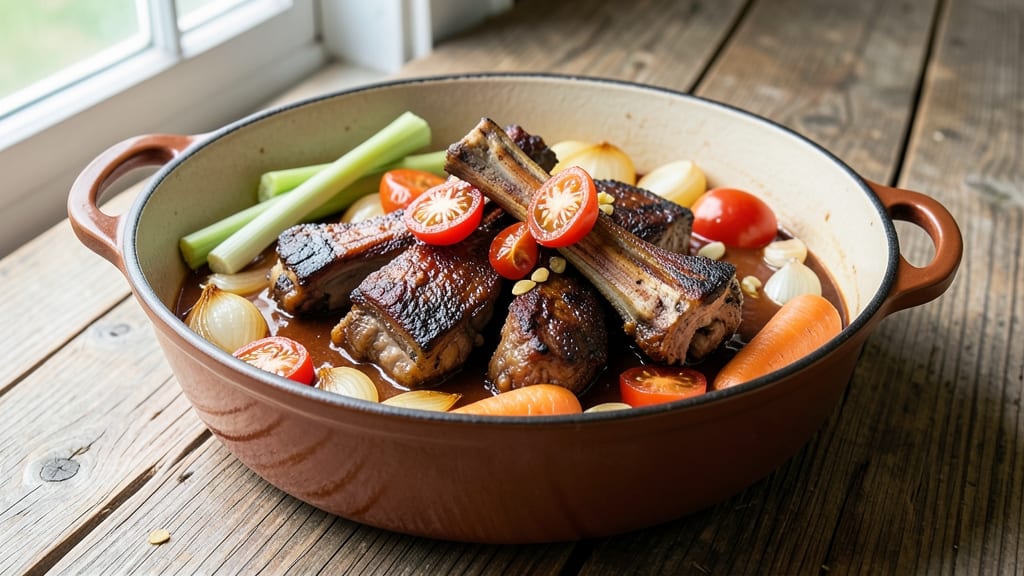
Transforming tough beef neck bones into melt-in-your-mouth meat is one of the most rewarding cooking techniques I’ve mastered—this slow-braised beef neck bones recipe delivers restaurant-quality results with minimal effort.
After years of perfecting my grandmother’s Sunday roast chicken, I learned that patience and proper seasoning turn inexpensive cuts into showstopping centerpieces. The key lies in low-and-slow cooking, where collagen-rich bones break down into tender, flavorful meat while infusing the broth with deep, savory richness.
This method requires just a few simple ingredients—beef neck bones, aromatic vegetables, and basic pantry staples—yet the results are foolproof and deeply satisfying. Unlike quick-cooking cuts, neck bones benefit from hours of simmering, transforming into meat that practically falls apart at the touch of a fork.
The process may take time, but the reward is a dish that feels like a labor of love, perfect for feeding a crowd or saving leftovers for days.
By the time you’re done, you’ll have a pot filled with fall-apart beef, richly flavored broth, and vegetables that’ve absorbed all the savory essence. The meat stays moist and tender, while the broth reduces into a velvety sauce that coats every bite.
This is comfort food at its finest—simple yet impressive, and exactly what you need when you want to show love through a home-cooked meal.
Pair it with crusty bread to soak up the broth or serve alongside roasted potatoes for a hearty weeknight dinner. The beauty of this recipe lies in its versatility—use the meat in tacos, sandwiches, or pasta, and save the broth for soups or grains.
Here’s how to make it happen without stress or guesswork.
Ingredients for beef neck bones
Nine simple ingredients transform tough neck bones into melt-in-your-mouth beef and rich broth.
| Ingredient | Amount | Notes |
|---|---|---|
| Beef Neck Bones 🥩 | 3 lb | With meat still attached, raw |
| Yellow Onion 🧅 | 1 whole | Large, roughly chopped |
| Carrots | 3 medium | Whole, peeled, cut into chunks |
| Garlic Cloves 🧄 | 6 cloves | Peeled, smashed lightly |
| Celery Stalks 🥬 | 3 whole | Cut into 2-inch pieces |
| Tomatoes 🍅 | 3 ripe | Roma or vine-ripened, quartered |
| Beef Broth 💧 | 4 cups | Low-sodium preferred |
| Red Wine 🍷 | 1 cup | Dry, bold variety |
| Tomato Paste 🍅 | 2 tbsp | Smooth, not chunky |
| Bay Leaves 🌿 | 2 whole | Fresh if available |
| Fresh Thyme 🌿 | 2 sprigs | Or 1 tsp dried |
| Salt 🧂 | 1 ½ tsp | Kosher or sea salt |
| Black Peppercorns 🌶️ | 1 tsp | Freshly cracked |
| Olive Oil 🫒 | 2 tbsp | Extra-virgin for richness |
The beef neck bones are the star here—look for raw, meaty bones with good marrow at your butcher or grocery store's meat counter. Costco and Whole Foods often carry them pre-packaged, but ask for the freshest cut possible. The bones should be clean, without a metallic smell, and the meat still clinging to them. If you can't find them fresh, frozen works too—just thaw overnight in the fridge. The vegetables—onion, carrots, celery, and garlic—are your flavor base, so don't skimp. I always grab the freshest produce I can find, especially for the tomatoes, which add natural sweetness to balance the richness. The red wine should be something you'd drink—Cabernet Sauvignon or Merlot work perfectly.
No red wine? Beef broth plus 1 tbsp balsamic vinegar works in a pinch. Fresh thyme is ideal, but dried works at one-third the amount. If you're short on time, pre-cut veggies from the grocery store save prep work—just make sure they're fresh. The tomato paste can be the squeeze-tube kind for convenience, though canned is better for flavor. For the carrots, baby carrots work too, but whole carrots add better texture. The olive oil matters here—use something with a bold, fruity flavor to complement the wine. And if you're worried about the bones being too tough, don't be—the slow cooking does all the work.
This dish tastes even better the next day, so make it ahead if you can. The broth keeps for 5-6 days in the fridge and freezes beautifully for up to 3 months. I like to portion the meat into containers for easy lunches or tacos later in the week. The bones themselves can be saved to make stock—just simmer them with veggies for a few hours. Store the meat in its broth to keep it moist. The leftovers reheat perfectly—just warm gently on the stove with a splash of water or broth to loosen any thickened sauce.
Why You'll Love This Recipe
- One-Pot Magic: I swear by this—just dump the bones, toss in the onion, carrots, celery, and garlic, then let the slow cooker do the work. No extra pans, no stress, and honestly? The house smells like heaven by the time it’s done.
- Deep, Rich Payoff: That beef neck bone? It melts into the broth like butter, leaving behind a sauce so rich it’ll make you close your eyes. The carrots caramelize just enough to add natural sweetness, and the garlic? Oh, it’s there—in the best way.
- Leftovers That Beg for More: Between us, I always make too much. The broth thickens overnight, and those tender bones? Perfect for tacos, sandwiches, or just dipping crusty bread the next day. My freezer’s full of it—because why not?
- Budget That Feeds: A pound of neck bones stretches across three meals without breaking the bank. Onion, carrots, celery—those are pantry staples. This recipe turns cheap cuts into something so satisfying, my kids don’t even question why it’s on the menu. (Yes, even on a Tuesday night.)
Step-by-step instructions for slow-braised beef neck bones
This method transforms tough neck bones into fall-apart meat with deep, complex flavors.
Sear the Beef Neck Bones for Depth of Flavor
Heat a large Dutch oven over medium-high heat until hot. Add the 2 tablespoons olive oil and swirl to coat the bottom evenly. Place the 3 lb beef neck bones in the pot in a single layer, meat-side down. Let them sear undisturbed for 5-6 minutes until deep golden brown forms on the meat.
Here's the thing—this initial searing creates the Maillard reaction, which develops that rich, caramelized flavor we're after. Flip the bones and sear the other side for another 5-6 minutes. You'll see the meat release easily from the pot when it's ready. Remove the bones and set them aside on a plate.
Build the Aromatic Base with Vegetables
In the same Dutch oven (don't wipe out the browned bits—they're pure flavor), add the 1 whole yellow onion, 3 medium carrots, and 3 whole celery stalks. Cook over medium heat for 8-10 minutes, stirring occasionally, until the vegetables soften and the onion becomes translucent.
Add the 6 cloves garlic cloves and 3 ripe tomatoes (quartered), stirring for 2 minutes until the garlic becomes fragrant. This aromatic base forms the flavor foundation for your braise. The tomatoes will break down into the sauce, adding natural sweetness and acidity that balances the richness.
Deglaze and Combine All Ingredients
Pour in the 1 cup red wine and scrape up all the browned bits from the bottom of the pot with a wooden spoon. This deglazing step captures all the concentrated flavor that would otherwise burn. Let the wine simmer for 3-4 minutes until it reduces by half, intensifying its flavor.
Stir in the 2 tablespoons tomato paste, 4 cups beef broth, 2 whole bay leaves, 2 sprigs fresh thyme, 1.5 teaspoons salt, and 1 teaspoon black peppercorns. Return the seared beef neck bones to the pot, making sure they're submerged in the liquid. Bring everything to a gentle simmer over medium-low heat.
Braise Until Meat Falls Apart
Cover the Dutch oven and transfer it to a 325°F oven. Braise for 3-4 hours until the meat is fork-tender and easily pulls away from the bones. I check for doneness by inserting a fork into the meat—it should slide in easily with no resistance.
If the liquid level gets too low during cooking, uncover the pot and add ½ cup water or beef broth to maintain moisture. The meat should be so tender it practically melts in your mouth, with a rich, velvety sauce that clings to every bite. This slow cooking process is what transforms tough neck meat into something luxurious.
Finish and Serve with Perfect Sauce
Once the meat is tender, remove the beef neck bones and strain the braising liquid through a fine-mesh sieve into a clean saucepan. Discard the vegetables and herbs. Return the sauce to medium heat and simmer uncovered for 10-15 minutes until it thickens slightly to coat the back of a spoon.
Shred the meat from the bones using two forks, discarding any remaining cartilage or gristle. Return the shredded meat to the sauce and stir gently to combine. Serve immediately over polenta, mashed potatoes, or crusty bread to soak up every last bit of that rich, flavorful sauce. The contrast between the tender meat and the velvety sauce is what makes this dish truly special.
Pro Tips For Making Beef Neck Bones
- Brown the Bones First: I learned this the hard way—skipping the sear means flavorless broth. Get your neck bones screaming hot in a dry pot for 5-7 minutes until deep brown. That crust packs more flavor than the first sip of your finished dish.
- Chop Veggies Unevenly: Yes, even if it looks messy. Cut onions, carrots, and celery into jagged chunks—some thick, some thin. They’ll cook at different rates, so nothing turns to mush while the bones stay tough. (Your future self will thank you.)
- Don’t Rush the Simmer: Low and slow is the rule here. After the initial sear, keep the heat under 180°F (82°C) if you can. I used to crank it up to save time, but the bones stayed chewy, and the broth turned cloudy. Patience wins.
- Strain Twice: First strain through a fine-mesh sieve to catch big bits, then line it with cheesecloth for the final pass. The first time I skipped this, my broth had a gritty texture that ruined the silky finish. It’s extra work, but it makes a real difference.
Flavor customization for this recipe
Spicy & Smoky Kick
For a bold twist, add 1 tbsp smoked paprika and ½ tsp cayenne pepper when building the aromatic base. The smokiness pairs beautifully with the red wine, while the cayenne adds subtle heat.
I like to finish with 1 tbsp hot honey drizzled over the shredded meat just before serving—it balances the richness with a sweet-spicy contrast. 🌶️
Herb-Infused Variations
Swap out the thyme for rosemary or sage for a completely different profile. I’ve found that 1 sprig rosemary plus 1 sprig thyme adds an earthy depth that works especially well with the wine.
For a Mediterranean touch, add ½ tsp dried oregano and a pinch of cinnamon—trust me, it sounds unusual but it’s delicious.
Umami Bomb Boost
To deepen the savory notes, stir in 1 tbsp soy sauce or 1 tsp fish sauce when deglazing with the wine. The umami punch elevates the dish, especially if you’re serving it with Asian-inspired sides like jasmine rice or steamed bok choy.
I also like adding 2 slices of bacon to the pot during the searing step for extra smokiness. 💫
Sweet & Tangy Glaze
For a sweet-savory finish, reduce the braising liquid by half after removing the meat, then stir in 2 tbsp balsamic vinegar and 1 tbsp brown sugar. Simmer for 5 minutes until syrupy, then drizzle over the shredded meat. This works amazingly well with roasted root vegetables on the side.
Citrus Brightness
Add zest of 1 lemon and juice of ½ lemon to the braising liquid during the final simmer. The acidity cuts through the richness and brightens the flavors.
I also garnish with lemon wedges at the table—it’s a simple but effective touch that makes the dish feel fresh and vibrant. 🍋
Cheesy Comfort Twist
For a heartier version, stir in ½ cup shredded Gruyère or Parmesan cheese during the final 10 minutes of simmering. The cheese melts into the sauce, adding a luxurious creaminess.
This works especially well if you’re serving the dish with crusty bread or over mashed potatoes. I’ve also tried adding ½ cup heavy cream at the end for extra richness.
Nutrition facts
Frequently asked questions
Why do beef neck bones need such a long cooking time?
The slow braising process is essential because neck bones contain tough connective tissue and collagen. When cooked low-and-slow for 3-4 hours, these elements break down into gelatin, creating that signature fall-apart texture and rich, velvety sauce. This method transforms what would otherwise be chewy meat into something luxurious and tender.
Can I substitute beef neck bones with other cuts?
While neck bones are ideal, you can use other tough cuts like chuck roast or short ribs in a pinch. However, the bones add incredible depth to the broth—if you skip them, reduce the braising time to 2 hours for chuck roast. For maximum flavor, stick with neck bones when possible. They're the secret weapon in this recipe!
What's the best way to use the leftover broth?
The rich broth is just as valuable as the meat! Use it for soups, risotto, or as a base for sauces. Store it in the fridge for 5-6 days or freeze for up to 3 months. I love using it to cook grains like barley or farro, or even freezing it in ice cube trays for quick flavor boosts later. Every drop is packed with flavor!
How do I know when the meat is done?
The meat is perfectly tender when it easily pulls away from the bones with minimal resistance. Insert a fork—if it slides in smoothly with no chewiness, it's ready. The bones should also be easily separated from the meat. If you're unsure, err on the side of longer cooking—the meat will only get more tender, not tougher.
Can I make this recipe in a slow cooker?
Brown the bones first, then transfer everything to a slow cooker and cook on low for 8-10 hours. The liquid may reduce more, so add ½ cup water halfway through if needed. The slow cooker method is perfect for hands-off cooking while you're busy. Just remember to finish by reducing the sauce on the stovetop for that perfect consistency.