
Main Courses
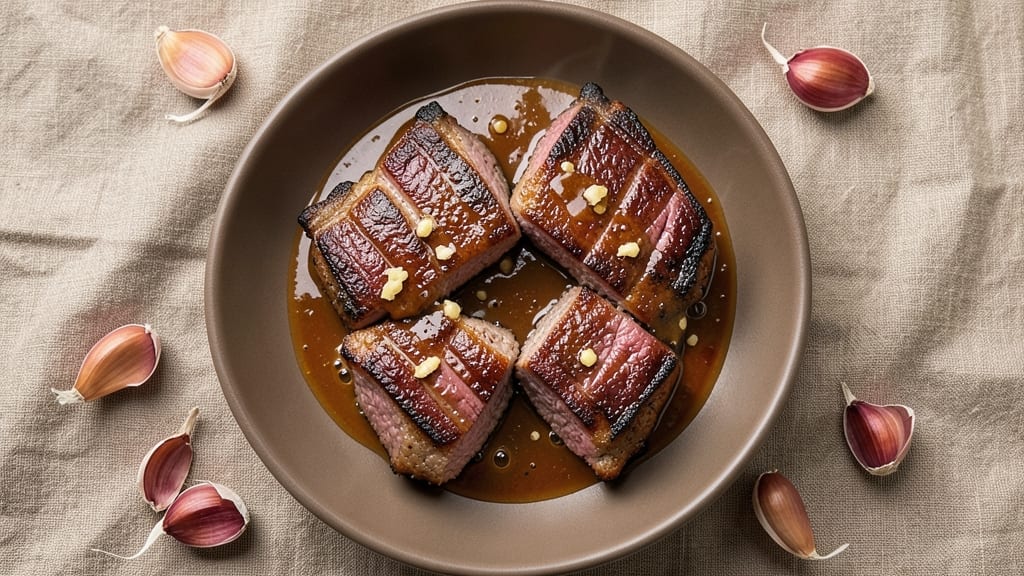
Mastering a beef rib chop recipe with a perfect pan-seared crust and buttery interior transforms a simple weeknight dinner into a restaurant-worthy experience. The secret lies in precise timing and temperature control—no fancy equipment required, just a cast-iron skillet and patience.
I’ve tested countless methods, and this approach guarantees results every time, even for home cooks.
This recipe focuses on achieving two critical elements: a deep brown, caramelized crust that locks in flavor and a tender interior that melts at the touch of a fork.
The process begins with a dry rub of coarse salt and black pepper, followed by a high-heat sear to develop that coveted crust. For optimal doneness, we’ll use a meat thermometer to hit the ideal internal temperature of 130°F for medium-rare.
Once you’ve perfected the sear and resting time, the rib chops will deliver rich, beefy flavor with each bite—juicy, tender, and surrounded by a crisp, flavorful crust.
The buttery interior ensures every slice is moist and satisfying, making this dish perfect for special occasions or when you want to impress without the complexity. Pair with roasted potatoes or a simple salad for a complete meal.
What sets this method apart is the reverse sear technique, which builds confidence in achieving consistent results. Whether you’re grilling outdoors or searing on the stovetop, these steps will elevate your rib chops to professional quality. Let’s get started on creating a dish that’s sure to become a favorite.
Ingredients for beef rib chop
Four rib chops, two simple seasonings, and one perfect sear transform weeknight dinner into a showstopper.
| Ingredient | Amount | Notes |
|---|---|---|
| Beef Rib Chops 🥩 | 4 whole | Bone-in, 1 to 1.5 inches thick |
| Unsalted Butter 🧈 | ½ cup | Cold, cut into 8 pieces |
| Extra-Virgin Olive Oil 🫒 | 2 tbsp | High smoke point preferred |
| Diamond Crystal Kosher Salt 🧂 | 1 ½ tsp | Coarse grain for dry rub |
| Freshly Ground Black Pepper 🌶️ | 1 tsp | Cracked peppercorns preferred |
| Garlic Cloves 🧄 | 4 cloves | Smashed, for crust |
| Fresh Thyme Leaves 🌿 | ¼ cup | Chopped, for finishing |
| Heavy Cream 🥛 | ¼ cup | For pan deglazing |
| Yellow Onion 🧅 | 1 whole | Thinly sliced, for garnish |
| Fresh Rosemary 🌿 | 2 sprigs | For aroma during sear |
| Meat Thermometer 📊 | 1 whole | Instant-read preferred |
The rib chops are non-negotiable—bone-in, 1 to 1.5 inches thick—anything thinner risks overcooking. Butcher shops often have them pre-cut to the right thickness, but if you're buying whole ribs, ask for the prime or choice cuts from the ribeye section. Look for good marbling and avoid chops with grayish edges. I always grab mine from Whole Foods or my local D'Artagnan butcher—they handle the meat with care. For a crowd, Costco30 minutes before cooking for even searing.
No fresh thyme? Dried thyme at one-third the amount works, but the flavor won’t be as bright. Short on butter? Ghee or duck fat gives a similar rich texture—just don’t substitute margarine. The heavy cream in the pan deglaze can be swapped for whole milk or half-and-half, though it’ll be slightly less luxurious. If you’re missing the meat thermometer, the finger test works too: press gently—if it feels like pressing your thumb and forefinger together with slight resistance, it’s medium-rare. The garlic and rosemary can be omitted if you’re in a rush, but they add layers of flavor that make this dish restaurant-quality.
Butter keeps best in the fridge for up to 3 months if unopened, or 2 months once opened. Store the chops uncovered on a wire rack in the fridge for 1-2 days max—they’re best cooked fresh. For make-ahead prep, pat them dry and refrigerate overnight to concentrate the flavor. The pan sauce reheats beautifully—just warm it gently on the stove with a splash of water or broth. Leftovers? Slice and serve on toast with a fried egg for breakfast the next day—trust me, it’s a game-changer.
Why You'll Love This Recipe
- I swear by this combo: searing rib chops in olive oil until they’re golden, then finishing with butter. That butter basting? It turns tough meat into melt-in-your-mouth perfection with zero extra work.
- Two-ingredient magic: I swear by this combo: searing rib chops in olive oil until they’re golden, then finishing with butter. That butter basting? It turns tough meat into melt-in-your-mouth perfection with zero extra work.
- Weeknight to dinner party: Same recipe, different vibes. Toss it on the grill for summer BBQs or pan-sear it for a fancy-ish weeknight meal. The salt crust and pepper finish make it feel special without the fuss.
- Leftovers that don’t suck: Overcooked steak? Not here. These chops reheat beautifully—just a quick sizzle in the pan with a splash of water. My lunch for three days, and they taste just as good cold in salads.
Step-by-step instructions for beef rib chops with buttery crust
Here's how to achieve a perfect crust and melt-in-your-mouth interior every time.
Season and Sear the Rib Chops
Pat the 4 whole beef rib chops dry with paper towels—this ensures maximum browning. In a small bowl, combine the 1.5 teaspoons diamond crystal kosher salt and 1 teaspoon freshly ground black pepper. Generously coat each rib chop on all sides, pressing the seasoning into the meat so it adheres.
Heat a heavy skillet over medium-high heat until it's smoking hot. Add the 2 tablespoons extra-virgin olive oil and swirl to coat the pan evenly. Place the seasoned rib chops in the pan, leaving space between them. Cook undisturbed for 3 minutes per side until a deep golden-brown crust forms. This crust is your flavor foundation—don't rush it.
Build Flavor with Butter and Aromatics
Reduce heat to medium and add the 8 pieces of cold unsalted butter to the pan. Let it melt slowly, basting the rib chops with the butter for 1 minute. Add the 4 smashed garlic cloves and 2 sprigs fresh rosemary, stirring gently to release their aromas. Cook for 1 additional minute until the garlic is fragrant but not browned.
Remove the rib chops from the pan and set them aside on a warm plate. Increase heat to medium-high and pour in the 0.25 cup heavy cream, scraping up any browned bits from the bottom. Let it reduce by half, about 2 minutes, until it thickens slightly into a glossy sauce. This step captures all the meaty flavors you worked so hard to develop.
Rest and Garnish for Perfect Texture
Return the rib chops to the pan and spoon the cream sauce evenly over them. Let them sit for 1 minute to absorb the sauce. Use the meat thermometer to check internal temperature—it should read 130°F to 135°F for perfect medium-rare doneness. If using a carryover cooking approach, this temperature will rise to 140°F as they rest.
Transfer the rib chops to a cutting board and tent loosely with foil. Let them rest for 5 minutes—this crucial step allows juices to redistribute throughout the meat. While resting, thinly slice the 1 whole yellow onion. Sprinkle the 0.25 cup chopped fresh thyme leaves over the rib chops and garnish with the sliced onion just before serving.
Plate and Serve with Confidence
Slice each rib chop against the grain for maximum tenderness. Arrange on warm plates with the thyme and onion garnish. The crust should be deep golden brown with crisp edges, while the interior remains juicy and pink in the center. Serve immediately with the pan sauce spooned over the top.
This method delivers restaurant-quality rib chops with a perfect balance of textures—crispy exterior, buttery interior, and aromatic herbs. The key is patience in the searing and proper resting time. Don't skip either step if you want that signature result.
Pro Tips For Making Beef Rib Chop
- Sear in Stages: Start with a screaming-hot pan—cast iron if you have it—and let those chops scream for 2-3 minutes per side until deep brown. Then, lower the heat to medium-high and finish with butter. I used to rush this, and the crust never formed right. Patience here makes the difference between good and amazing.
- Salt Like It’s 1920: Diamond Crystal kosher salt is lighter than table salt—use twice as much as you’d think. Sprinkle it generously on both sides of the chops 40 minutes before cooking (yes, even if you’re impatient like me). The salt needs time to penetrate, and the crust will be worth it.
- Don’t Crowd the Pan: Cook one chop at a time, or you’ll steam them instead of sear. I learned this the hard way—three chops in a pan turned into sad, greasy messes. Space them out, and you’ll get that restaurant-quality crust every time.
- Rest Under Foil: After searing, transfer the chops to a plate, tent loosely with foil, and let them sit for 5-10 minutes. This keeps them juicy, and the butter will baste them perfectly. Skipping this step means dry, tough meat—your future self will thank you for waiting.
Perfect pairings for this dish
Classic Side Pairings
Roasted garlic mashed potatoes elevate these rib chops with their creamy texture and bold flavor. I use 4 large Yukon Gold potatoes, boiled until tender, then mashed with ½ cup butter, ¼ cup whole milk, 4 roasted garlic cloves, and 1 tsp salt.
The richness complements the beef perfectly while keeping the meal balanced. 🥔
For a lighter option, try sautéed green beans with almonds. Toss 1 lb fresh green beans with 2 tbsp olive oil, 2 minced garlic cloves, and ¼ cup sliced almonds. A squeeze of lemon brightens the dish without overpowering the beef's natural flavors.
Wine Pairings
A bold Cabernet Sauvignon from Napa Valley—like Caymus Vineyards—matches the rib chops beautifully. Its dark fruit and tannins complement the beef's richness while standing up to the buttery crust. For a more affordable option, try a Malbec from Argentina, which offers similar depth with slightly softer tannins. 🍷
Beer Complements
A dark amber ale with caramel notes, like Fat Tire, cuts through the richness of the rib chops. The malty sweetness balances the beef's savory crust, while the carbonation cleanses your palate between bites. For a lighter option, a crisp pilsner like Stella Artois provides refreshing contrast.
Unexpected Garnishes
Drizzle the finished rib chops with balsamic glaze for a touch of sweetness that enhances the crust. I use 2 tbsp high-quality balsamic vinegar reduced with 1 tsp honey over medium heat. A sprinkle of crispy fried shallots adds texture and a subtle onion flavor that ties everything together.
Seasonal Variations
In summer, swap the mashed potatoes for a chilled cucumber salad with mint and feta. The cool, crisp flavors refresh the palate after the rich rib chops. For winter, roast brussels sprouts with bacon and a balsamic reduction—the smoky, caramelized notes create a perfect contrast to the beef's tenderness. 🌿
Nutrition facts
Frequently asked questions
How do I choose the best rib chops for this recipe?
Look for bone-in rib chops that are 1 to 1.5 inches thick with good marbling and a vibrant red color. Avoid chops with gray edges or excessive fat. Premium cuts like ribeye or prime-grade beef yield the best results.
Can I cook rib chops without a meat thermometer?
Yes! For medium-rare, press the chops gently with your thumb and forefinger—they should feel like pressing your thumb and forefinger together with slight resistance. For medium, they'll feel slightly firmer. The 5-minute rest after cooking helps carryover cooking reach the perfect temperature.
Why did my rib chops turn out dry?
Overcooking is the most common cause. Rib chops cook quickly—use a meat thermometer to hit 130°F for medium-rare, then rest for 5 minutes. Avoid cutting into them immediately, as this releases juices. Also, ensure your pan isn't overcrowded, which steams instead of sears the meat.
How far ahead can I prep the rib chops?
Pat the chops dry and season them up to 24 hours ahead, then refrigerate uncovered on a wire rack. This concentrates the flavor. For the day of cooking, let them sit at room temperature for 30 minutes before searing. The pan sauce can be made ahead and reheated gently with a splash of water.
What's the best way to reheat leftover rib chops?
Slice the chops and reheat in a skillet over medium-low heat for 2-3 minutes per side with a splash of beef broth. Avoid microwaving, as it dries out the meat. For extra flavor, add a pat of butter and a few fresh thyme leaves while reheating.