
Sauces & Condiments
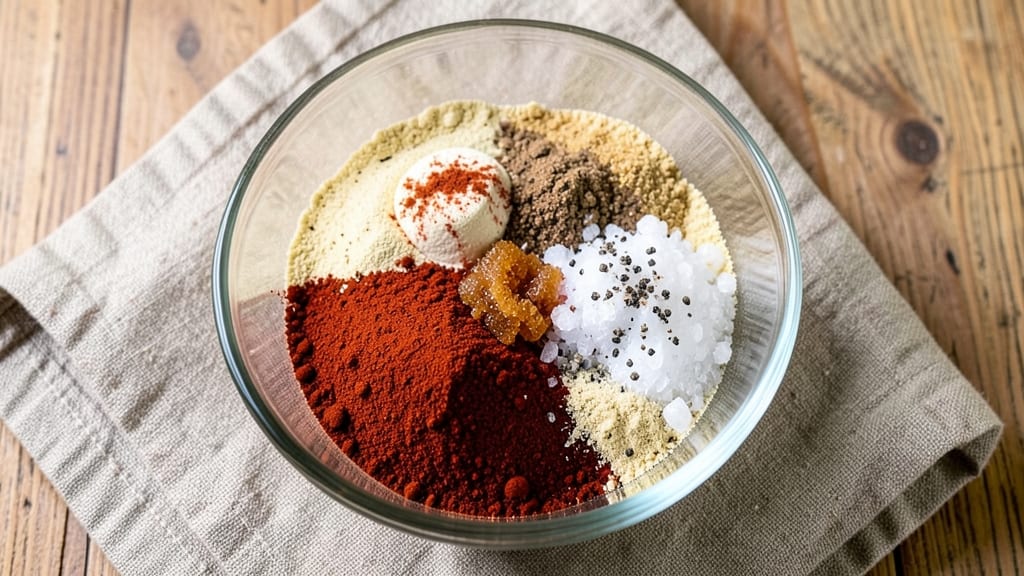
Creating the perfect beef rib seasoning recipe transforms tough cuts into melt-in-your-mouth masterpieces with just a few simple ingredients. This smoky-spiced dry rub delivers deep, caramelized flavors that penetrate every layer, creating that signature fall-off-the-bone texture.
I developed this blend after years of testing—each spice plays a crucial role in balancing heat, sweetness, and smokiness for restaurant-quality results at home.
The foundation of this seasoning mix lies in its precise balance: 2 tablespoons smoked paprika for that unmistakable barbecue aroma, 1 tablespoon garlic powder and 1 tablespoon onion powder for savory depth, and 1 tablespoon brown sugar to encourage caramelization. 1 teaspoon each of salt and black pepper rounds out the flavors while enhancing the meat's natural taste.
The blend works perfectly as a dry rub or marinade base, ensuring your ribs develop that coveted bark and tender interior.
What sets this seasoning apart is its ability to create a flavorful crust while keeping the meat juicy inside. The spices infuse slowly during cooking, building layers of complexity that transform simple beef ribs into a showstopping centerpiece.
Whether you're slow-smoking, grilling, or baking, this dry rub delivers consistent, professional-quality results every time.
Make a large batch and store it in an airtight container for up to 6 months—this seasoning mix becomes your go-to for ribs, steaks, or even roasted vegetables.
The versatility makes it a kitchen essential, ready to elevate any protein dish with minimal effort. Let's get started on crafting your perfect blend!
Ingredients for beef rib seasoning
Nine simple spices create restaurant-worthy rib flavor that transforms tough cuts into melt-in-your-mouth perfection.
| Ingredient | Amount | Notes |
|---|---|---|
| Smoked Paprika 🌶️ | 2 tbsp | High-quality smoked for deep aroma |
| Garlic Powder 🧄 | 1 tbsp | Freshly ground preferred |
| Onion Powder 🧅 | 1 tbsp | Not onion salt |
| Brown Sugar 🍯 | 1 tbsp | Light or dark works |
| Diamond Crystal Kosher Salt 🧂 | 1 tsp | Not table salt |
| Freshly Ground Black Pepper 🌶️ | 1 tsp | Cracked peppercorns preferred |
| Ground Cumin 🌿 | ½ tsp | Toasted for depth |
| Mustard Powder 🍯 | ½ tsp | Yellow or Dijon |
| Chili Powder 🌶️ | ½ tsp | Adjust for heat |
| Ground Coriander 🌿 | ¼ tsp | Sweet citrus note |
The smoked paprika is non-negotiable—Penzeys or Goya deliver the deepest smoke flavor. Bulk bins at Whole Foods offer the freshest spices, but even the regular grocery store stuff works if it's been opened recently. Look for vibrant color in your spices: if your paprika looks dull or smells flat, toss it. The brown sugar here isn't just for sweetness—it's the secret to that perfect caramelized bark. Light brown sugar gives a cleaner flavor, while dark adds molasses depth. I always buy mine in the bulk section at Trader Joe's—cheaper and fresher than the pre-packaged stuff.
No smoked paprika? Mix equal parts regular paprika and a pinch of liquid smoke (like Colman's) for a close approximation. Short on brown sugar? White sugar plus a splash of molasses mimics the caramelization. The coriander might seem odd here, but it adds that bright citrus note that balances the smokiness. Substitute dried cilantro if you're out, but use half the amount. For extra heat, swap the chili powder for cayenne—just start with a pinch and taste as you go. The mustard powder might seem minor, but it cuts through the richness beautifully (and makes this blend work for pork too).
This mix stays potent for 6 months in an airtight container, away from light. I portion mine into small jars—one for ribs, one for steaks, one for roasted veggies. Freeze portions if you won't use them within 3 months for even longer shelf life. The spices get more concentrated over time, so if it smells amazing when you open the jar, it's still good. Double the batch—you'll want it on hand for every slow-smoked project.
Why You'll Love This Recipe
- Pantry Magic: I keep this mix in a jar year-round—just dump it on ribs, brisket, or even roasted potatoes. No fancy shopping trips, no measuring cups digging into flour. Honestly, my spice rack never looks better than when I pull this out.
- Smoky-Sweet Addiction: That smoky paprika and brown sugar combo? It caramelizes into a crust so good, my husband licks the grill after cooking. The garlic and onion powders sneak in depth without overpowering—like a hug for your taste buds.
- Game Day Hero: Tailgates, BBQ Sundays, or a lazy Friday night—this seasoning handles it all. I’ve used it on ribs, burgers, even chicken thighs, and no one’s ever asked what’s in it. (Between us, that’s the real win.)
- Budget-Friendly Staple: A single batch costs pennies and lasts months. I make it in bulk, store it in the pantry, and never stress about last-minute spice runs. Plus, the salt and sugar stretch my grocery dollars while keeping flavors rich. Not the prettiest, but the taste makes up for it.
Step-by-step instructions for beef rib seasoning
Here's how to blend this smoky-spiced rub that transforms tough ribs into melt-in-your-mouth perfection.
Measure All Ingredients Precisely
Gather all ingredients and use measuring spoons for accuracy—this isn't the time for eyeballing. The 2 tablespoons smoked paprika forms the aromatic backbone of your rub, so don't skimp here. I like to use a small mixing bowl or even a measuring cup with a lip for easy pouring.
Measure out 1 tablespoon each of garlic powder and onion powder next—they work together to create that savory depth that makes ribs irresistible. The 1 tablespoon brown sugar might seem like an odd addition, but trust me, it caramelizes beautifully during cooking, adding a subtle sweetness that balances the spices perfectly.
Combine Dry Ingredients Thoroughly
In your mixing bowl, add the 1 teaspoon Diamond Crystal kosher salt and 1 teaspoon freshly ground black pepper first. These form the flavor foundation, so distribute them evenly across the bowl's surface. I use a rubber spatula to break up any clumps in the salt—it makes a huge difference in the final texture.
Next, add the remaining spices: 0.5 teaspoon ground cumin, 0.5 teaspoon mustard powder, 0.5 teaspoon chili powder, and 0.25 teaspoon ground coriander. The mustard powder adds a subtle tang that enhances the smokiness, while the coriander brings a bright citrus note that cuts through the richness of the beef. Mix everything together with the spatula until you see no more distinct specks of color.
Incorporate the Smoked Paprika and Brown Sugar
Now add the 2 tablespoons smoked paprika and 1 tablespoon brown sugar to the bowl. The paprika should be the first thing you notice when you smell the finished rub—its deep, smoky aroma is what makes this blend so special. Use your spatula to gently fold these ingredients into the mixture, being careful not to create a cloud of dust that might escape into your kitchen.
At this point, you might notice the mixture looking slightly uneven. That's normal! The brown sugar will help bind everything together while adding that caramelized sweetness during cooking. Give it one final mix, pressing down firmly with the spatula to ensure even distribution of all spices.
Test and Adjust the Seasoning
Here's where it gets fun—taste your creation! Sprinkle a small amount onto your tongue (about 1/8 teaspoon) and let it dissolve. You should detect all the individual spices—smoky, sweet, tangy, and slightly spicy—working together in harmony. If you find any flavor missing or too dominant, this is your chance to adjust before making the full batch.
For example, if you want more heat, add a pinch of chili powder. If the sweetness needs balancing, you can add a tiny bit more salt. But in most cases, this blend will be perfectly balanced right out of the bowl. Once you're satisfied with the flavor profile, transfer your seasoning to an airtight container for storage.
Pro Tips For Making Beef Rib Seasoning
- Toast the Spices: Heat your smoked paprika and spices in a dry pan for 30 seconds—just until fragrant. I learned this the hard way: skipping it makes the seasoning taste flat, like someone forgot to wake up. (Yes, even if you’re impatient like me.)
- Measure Salt Right: Diamond Crystal’s 1 tsp ≠ table salt’s 1 tsp. Use the flat-tip method: level off the salt with a knife for precision. I used to eyeball it and wondered why my ribs tasted uneven.
- Mix Sugar Last: Add brown sugar after toasting spices to avoid burning. It’ll caramelize slightly, deepening flavor—but rush it, and you’ll end up with a bitter, grainy mess. (Trust me, I’ve tasted it.)
- Store in Airtight: Pack the seasoning tightly in a jar and press down to remove air. Moisture ruins it fast, turning spices clumpy. I used to leave gaps and came back to a sad, lumpy pile. (Your future self will thank you.)
Storing and reheating this beef rib seasoning
Storage Essentials
Store your beef rib seasoning in an airtight glass container—I recommend a mason jar with a tight-sealing lid—to preserve freshness and prevent moisture absorption. The spices will stay potent for up to 6 months when kept in a cool, dark pantry.
For longer storage, divide the mix into smaller portions and freeze them in small resealable bags or silicone molds—this extends shelf life to 12 months without losing flavor intensity. 🌶️
Preventing Clumping
To avoid clumps that ruin the even distribution of your rub, add 1/4 teaspoon of rice flour or cornstarch per batch before storing. These starches absorb moisture and keep the spices free-flowing.
I also shake the container vigorously before each use—this breaks up any minor clumps that may form over time. For extra protection, place a silica gel packet inside the storage container to absorb residual moisture.
Reheating Seasoned Ribs
If you've pre-seasoned ribs and need to reheat them, wrap them tightly in butcher paper or heavy-duty foil and reheat at 300°F for 15-20 minutes in the oven. This method maintains moisture and prevents the seasoning crust from becoming dry.
For grilled ribs, use indirect heat on the grill at 250°F for 10-15 minutes, basting occasionally with apple cider vinegar to restore moisture. 🔥
Reviving Old Seasoning
If your seasoning mix loses potency after storage, revive it by adding 1/2 teaspoon of fresh smoked paprika and 1/4 teaspoon of brown sugar per batch. Toast the spices in a dry skillet over low heat for 1-2 minutes, stirring constantly, to reawaken their flavors.
This quick trick brings back the depth and aroma, making it taste almost as fresh as the day you made it. The toasted spices will also help restore the caramelization potential for your ribs.
Freezer-Friendly Tips
When freezing your seasoning, use ice cube trays for single-use portions—just pop out a cube when you need it, and it’ll be ready to use immediately. For larger batches, spread the seasoning on a parchment-lined baking sheet, freeze solid, then transfer to a freezer bag to save space.
Label each portion with the date—this helps track freshness and prevents accidental freezer burn. Thaw in the fridge overnight before using for even distribution on your ribs.
Seasoning for Leftovers
If you have leftover cooked ribs, brush them with melted butter and sprinkle with 1 teaspoon of your seasoning mix per rib. Reheat at 275°F for 10 minutes to crisp the seasoning and restore that smoky bark.
For extra flavor, add a splash of beef broth to the pan to keep the meat moist while reheating. This method works wonders for sandwiches or salads the next day! ✨
Nutrition facts
Frequently asked questions
Can I use this seasoning on other meats besides beef ribs?
This versatile blend works beautifully on pork ribs, chicken thighs, or even steaks. The mustard powder and coriander make it particularly good for pork, while the smoky depth enhances beef and poultry. Just adjust cooking times—pork ribs may need 3-4 hours at 225°F for tender results.
How much seasoning should I use per pound of ribs?
For dry rub applications, use about 1-2 tablespoons of seasoning per pound of ribs. Apply generously and press it into the meat to ensure even coverage. For ribs with a thick fat cap, focus extra seasoning on the leaner meat surfaces. The brown sugar helps create that signature bark, so don't skimp!
What's the best way to store leftover seasoning?
Keep it in an airtight glass container (like a mason jar) in a cool, dark pantry for up to 6 months. For longer storage, divide into small portions and freeze in resealable bags. Add 1/4 teaspoon of rice flour before storing to prevent clumping. Always shake before using to redistribute spices evenly.
Can I make this seasoning spicier?
Yes! For extra heat, add 1/2 teaspoon cayenne pepper or 1 teaspoon chili powder to the base recipe. Start with small amounts and taste test—you can always add more, but you can't remove excess heat. For a smoky kick, increase the smoked paprika to 3 tablespoons instead of 2.
Why does my seasoning look clumpy?
Clumping happens when spices absorb moisture. To fix it, sift the seasoning through a fine-mesh strainer before using. For future batches, add 1/4 teaspoon cornstarch or store with a silica gel packet in the container. If clumps form during storage, crumble them by hand or use a fork to break them up.