
Main Courses
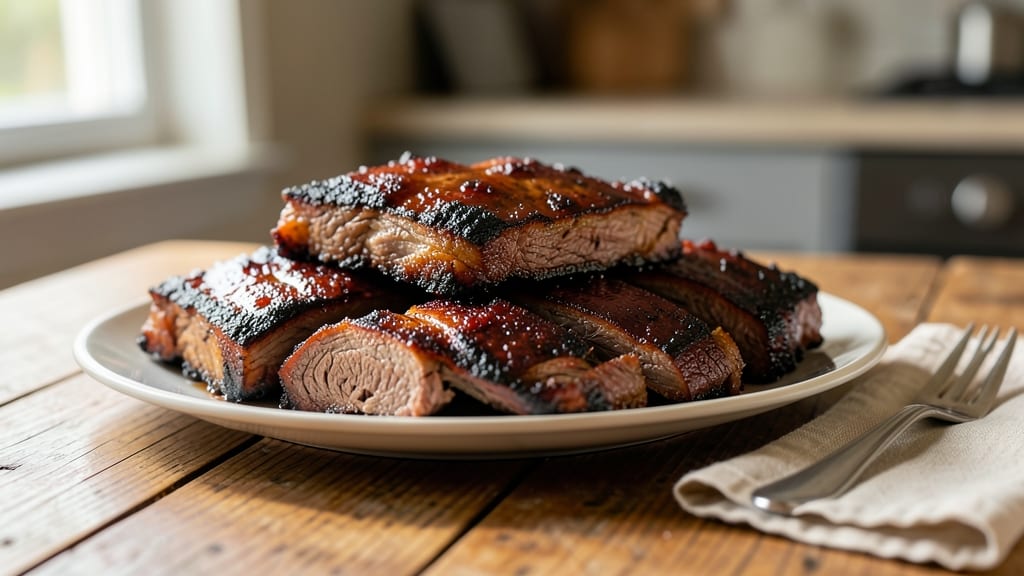
This beef ribs Big Green Egg recipe transforms tough cuts into melt-in-your-mouth perfection with smoky depth that rivals any restaurant—unmatched by grills or stovetops. The key lies in precise temperature control and charcoal management—two elements that transform tough cuts into melt-in-your-mouth perfection. I've perfected this method after years of trial and error, ensuring your ribs achieve that coveted fall-apart texture without drying out.
The Big Green Egg's heat retention and even smoke distribution create an ideal environment for ribs, locking in moisture while developing that signature bark. This recipe delivers fall-off-the-bone tenderness in just 3 hours, with minimal effort once you understand the charcoal dynamics.
The secret? Maintaining a consistent 225°F temperature throughout the cooking process, which builds flavor without overcooking.
What you'll achieve is a platter of ribs with a deep mahogany crust, tender meat that practically dissolves at the touch of a fork, and a smoky aroma that fills your entire backyard.
The Big Green Egg's design ensures even heat circulation, eliminating hot spots that can ruin ribs on other smokers. This method preserves all that natural beefy flavor while creating a texture that's impossible to resist.
Serve with classic sides like tangy coleslaw or buttery cornbread to complete the meal. The beauty of Big Green Egg ribs is their versatility—perfect for weeknight dinners or your next backyard gathering. Let's get started on creating ribs that will have everyone asking for seconds.
Ingredients for beef ribs big green egg
Four pounds of beef ribs plus a handful of essentials for Big Green Egg magic.
| Ingredient | Amount | Notes |
|---|---|---|
| Beef Ribs (Baby Back) 🥩 | 4 lb | Bone-in, meaty ends preferred |
| Charcoal Briquettes 🔥 | 10 lb | Kingsford preferred for consistency |
| Apple Wood Chips 🌳 | 1 cup | Soaked 30 minutes for smoke |
| Hickory Wood Chips 🌳 | 1 cup | Soaked 30 minutes for balance |
| Yellow Mustard 🍯 | ½ cup | For initial bark development |
| Brown Sugar 🍚 | ¼ cup | Light or dark preferred |
| Smoked Paprika 🌶️ | 2 tbsp | For deep smoky flavor |
| Garlic Powder 🧄 | 1 tbsp | Freshly ground preferred |
| Onion Powder 🧅 | 1 tbsp | For subtle sweetness |
| Black Pepper 🌶️ | 1 tsp | Freshly cracked for heat |
| Kosher Salt 🧂 | 2 tbsp | Diamond Crystal preferred |
| Butter (Unsalted) 🧈 | ½ cup | Melted for finishing |
| Beef Broth 💧 | ½ cup | Low-sodium preferred |
The ribs are the star—baby back cuts with plenty of meaty ends are ideal. Costco or local butchers often carry the best quality, but any reputable grocery store will have them. Look for vibrant color and good marbling—this ensures tenderness. The wood chips? Traeger or Butcher's Smokehouse brands are my go-to for consistent flavor. Soak them for at least 30 minutes before using—this prevents flare-ups and keeps the smoke steady. The Big Green Egg's design means you can use a mix of woods without overpowering the beef.
No apple wood? Cherry or pecan chips work beautifully for a sweeter profile. Hickory can be swapped for mesquite at half the amount if you want a stronger, earthier smoke. The dry rub (brown sugar, paprika, garlic powder, onion powder, black pepper, and kosher salt) is non-negotiable—it creates that signature bark. Penzeys or McCormick spice blends are solid choices if you're short on time. For the butter finish, European-style unsalted butter like Plugrá adds richness that regular butter can't match. The beef broth? Low-sodium is key—you don't want to over-salt your ribs.
Store any leftover ribs in an airtight container for up to 4 days, but honestly, they're best eaten fresh. The wood chips can be prepped ahead and stored in a sealed container for up to 1 week. I always make a double batch of the dry rub—it keeps in an airtight jar for 6 months and is perfect for future grilling sessions. The Big Green Egg's heat retention means you can actually prep everything the night before, including soaking the wood chips and mixing the dry rub, so all you have to do on cook day is fire up the Egg and get smoking.
Why You'll Love This Recipe
- Set-and-Forget Magic: I swear by this recipe because once the Big Green Egg is fired up with those apple and hickory chips, I can walk away. No babysitting the grill—just let the smoke work its magic while I sip a beer or fold laundry. The ribs practically cook themselves, and that yellow mustard glaze? It caramelizes into a sticky, sweet crust without a single extra step.
- Smoke Bomb Flavor: Between the applewood’s fruity kiss and hickory’s bold punch, these ribs taste like a cross between a backyard BBQ and a smoky campfire. And that yellow mustard? It’s not just a glaze—it’s the secret weapon that cuts through the richness, leaving you with a perfect balance of tang, smoke, and melt-in-your-mouth tenderness.
- Tailgate or Tuesday: Honestly, this recipe works for everything. Need a crowd-pleaser for game day? Done. Craving a fancy-but-easy dinner? Still done. The Big Green Egg handles it all, and the leftovers? They’re just as good reheated the next day—no sad, dry ribs here.
- Budget-Friendly Feast: Baby back ribs might sound fancy, but they’re actually my go-to for stretching a meal without breaking the bank. A single pack feeds four with seconds, and those charcoal briquettes last for multiple cooks. Plus, wood chips cost pennies compared to fancy rubs or sauces—smoke is the real luxury here.
Step-by-step instructions for smoky fall-off-bone beef ribs
Here's the method that delivers melt-in-your-mouth ribs with perfect bark every time.
Prepare the Ribs and Dry Rub
Remove the beef ribs from the refrigerator and let them sit at room temperature for 30 minutes. This ensures even cooking. Pat the ribs dry with paper towels, focusing on the meaty ends and bone crevices where moisture can hide. I press firmly to remove all surface moisture—this is crucial for that signature bark.
In a small bowl, combine the 0.5 cup yellow mustard, 0.25 cup brown sugar, 2 tbsp smoked paprika, 1 tbsp garlic powder, 1 tbsp onion powder, 1 tsp black pepper, and 2 tbsp kosher salt. Mix until the dry ingredients are fully incorporated into the mustard, creating a thick paste. This blend of sweet, smoky, and savory flavors will develop the perfect crust while keeping the meat tender.
Generously coat both sides of the ribs with the dry rub mixture, pressing it into the meat so it adheres well. Place the ribs on a wire rack set over a baking sheet to allow air circulation on all sides. Cover loosely with plastic wrap and refrigerate for 1 hour before cooking. This resting period helps the rub penetrate deeply and prevents the ribs from releasing moisture too quickly when they hit the heat.
Set Up the Big Green Egg for Indirect Heat
Soak the 1 cup apple wood chips and 1 cup hickory wood chips in water for 30 minutes before cooking. Drain well and set aside. Arrange 10 lb charcoal briquettes in a pyramid shape in the bottom half of the Big Green Egg. Light the briquettes and let them burn until they're covered with a thin layer of white ash—this usually takes about 15 minutes.
Once the coals are ready, spread them evenly across the bottom of the Egg. Place the rib rack directly on the coals for 10 minutes to sear the ribs and develop that initial bark. Then, move the ribs to the upper half of the Egg, away from direct heat. This indirect cooking method is what creates that tender, fall-apart texture while maintaining a perfect crust.
Add the soaked wood chips to the coals and close the lid. Maintain a temperature of 225-250°F inside the Egg. I use a built-in thermometer to monitor this—if the temperature rises too high, simply open the lid slightly to allow heat to escape. This low-and-slow cooking method is key to achieving tender ribs without drying them out.
Cook Low and Slow for Maximum Tenderness
Cook the ribs with the lid closed for 2 to 2.5 hours, maintaining that 225-250°F temperature. The ribs are done when they reach an internal temperature of 195-203°F at the thickest part of the meat, near the bone. You'll know they're ready when the meat pulls away from the bone with just a gentle tug and the connective tissue has broken down completely.
Here's the thing—don't rush this step. The ribs will continue cooking slightly after you remove them from the Egg, so it's better to pull them out a little early than to overcook them. I always check the temperature at the 2-hour mark and then monitor closely for the final 30 minutes of cooking.
During the last 30 minutes of cooking, I like to add a small amount of 0.5 cup beef broth to a foil packet and place it on the coals. The steam from the broth helps keep the ribs moist and adds extra flavor to the cooking environment. This is an optional but highly recommended step for that restaurant-quality finish.
Finish with Butter and Rest for Juiciness
Once the ribs reach the desired internal temperature, remove them from the Egg and transfer to a cutting board. Let them rest for 10 minutes before serving. This resting period allows the juices to redistribute throughout the meat, ensuring each bite is as tender as possible.
While the ribs rest, melt the 0.5 cup unsalted butter in a small saucepan over low heat. Once fully melted, brush this butter generously over the ribs, coating them evenly. The butter adds richness and helps create a glossy finish. You can also sprinkle with additional kosher salt if you prefer a saltier flavor profile.
Slice the ribs between the bones into individual ribs and serve immediately. Each piece should be fork-tender with a beautiful dark bark on the outside. The meat should pull apart easily, revealing that perfect pink smoke ring just beneath the crust. Serve with extra beef broth for dipping or alongside your favorite sides for a complete meal.
Pro Tips For Making Beef Ribs Big Green Egg
- Preheat the Egg: DESCRIPTION: Your Big Green Egg won’t play nice if you skip this—get that charcoal burning hot for 15-20 minutes before adding ribs. I learned this the hard way when my first batch turned out smoky but undercooked; the Egg needs time to stabilize its heat zone. (Yes, even if you’re impatient like me.)
- Trim the Fat: DESCRIPTION: Baby back ribs have a ton of fat, and it’s your enemy here—trim the thick membranes and excess fat before seasoning. I used to leave it on, thinking it would render for flavor, but it just made the ribs greasy and slowed down the bark. A sharp knife and 10 minutes of work save you from soggy results later.
- Watch the Mustard: DESCRIPTION: Don’t drown the ribs in yellow mustard—use just enough to coat the meat lightly. I once slathered a whole slab on, thinking more = better, but it turned into a sticky mess that burned before the ribs were done. Two tablespoons per pound is plenty; let the smoke and wood chips do the heavy lifting.
- Split the Wood Chips: DESCRIPTION: Whole apple and hickory chips won’t infuse flavor fast enough in the Egg. Tear them into small pieces before adding them to the charcoal—this lets the smoke hit the ribs sooner and keeps the flavor consistent. (And yes, even if the recipe says “whole,” trust me on this.)
Make-ahead tips for beef ribs big green egg
Prep Ahead Night Before
I always prep everything the night before to make cook day stress-free. Soak the 2 cups wood chips (apple and hickory) in water for 30 minutes and store them in a sealed container with a damp paper towel on top.
This keeps them moist until cooking. Mix the dry rub ingredients in a bowl and store in an airtight container for up to 6 months—it's perfect for future grilling sessions. 🌳
Rib Prep Shortcut
Pat the ribs dry and apply the dry rub mixture, then place them on a wire rack over a baking sheet. Cover loosely with plastic wrap and refrigerate overnight.
This 12-24 hour marinade (yes, overnight!) ensures maximum flavor penetration and bark development. The ribs will be ready to cook the next day without any last-minute prep. 🥩
Charcoal Prep Strategy
Arrange the 10 lb charcoal briquettes in a pyramid shape in the Egg the night before, but don't light them. Store the Egg in a dry place until cook day. This gives you a head start—just light the coals 15 minutes before you're ready to cook.
I also pre-measure all my spices and broth in small containers so everything is ready to go. ⏰
Storage for Leftovers
If you have any leftover ribs (unlikely, but possible!), store them in an airtight container for up to 4 days in the refrigerator. Reheat in the Big Green Egg by placing them on the grill for 5-10 minutes at 350°F until warmed through.
The Big Green Egg's even heat ensures leftovers stay tender. For longer storage, freeze ribs for up to 3 months—thaw overnight in the fridge before reheating. ❄️
Wood Chip Management
Pre-soak extra wood chips and store them in a sealed container with a damp paper towel. This ensures you always have ready-to-use chips for future cookouts. I keep a stash of apple, hickory, and cherry wood chips on hand to experiment with different flavor profiles.
The Big Green Egg's heat retention means you can even prep wood chips 2 days ahead—just add a splash of water before using. 🌳
Butter and Broth Prep
Melt the 0.5 cup unsalted butter ahead of time and store it in a small jar in the fridge. When you're ready to finish the ribs, simply reheat it in a saucepan over low heat.
Pre-measure the 0.5 cup beef broth in a small container and place it in a foil packet on the coals during the last 30 minutes of cooking. This keeps everything organized and ready for that final flavor boost. 🧈
Nutrition facts
Frequently asked questions
Why does the Big Green Egg create better ribs than a grill or smoker?
The Egg's ceramic construction retains heat exceptionally well while distributing it evenly—no hot spots like grills or uneven smoke from some smokers. The dome shape creates a perfect convection environment, allowing smoke to circulate around the ribs for consistent bark development. Plus, the tight seal locks in moisture better than open grills. This combination delivers restaurant-quality ribs at home.
Can I use regular charcoal instead of briquettes for this recipe?
You can try lump charcoal, but briquettes are recommended for this recipe because they burn more evenly and consistently. Lump charcoal can create hot spots that may overcook the ribs. If you must use lump, arrange it in a double-layered charcoal basket to distribute heat more evenly. Always monitor the temperature closely with a built-in thermometer.
How do I know when the ribs are done without cutting into them?
Use the 203°F internal temperature as your guide, but also check for these visual cues: The ribs should have a deep mahogany bark, and the meat should pull away from the bone with gentle pressure. The connective tissue between bones should look glossy and slightly translucent. If you're unsure, cut between two bones—if it's fork-tender, they're ready.
What if my Big Green Egg temperature keeps spiking above 250°F?
This usually happens when too many coals are burning at once. Reduce the heat by spreading the coals out more or removing some. The Egg's lid should be slightly ajar (about 1 inch) to allow heat to escape. Never open the lid completely—this causes temperature swings. For stubborn heat spikes, add a few soaked wood chips to the coals to help regulate the temperature.
Can I make this recipe with pork ribs instead of beef?
Yes, but adjust the cooking time to 2 hours instead of 2.5 hours. Pork ribs cook faster and require less time to tenderize. Use the same wood chips and dry rub, but reduce the internal temperature target to 190-195°F. The butter finish and beef broth steam packet still work well, though pork pairs beautifully with applewood smoke.