
Sauces & Condiments
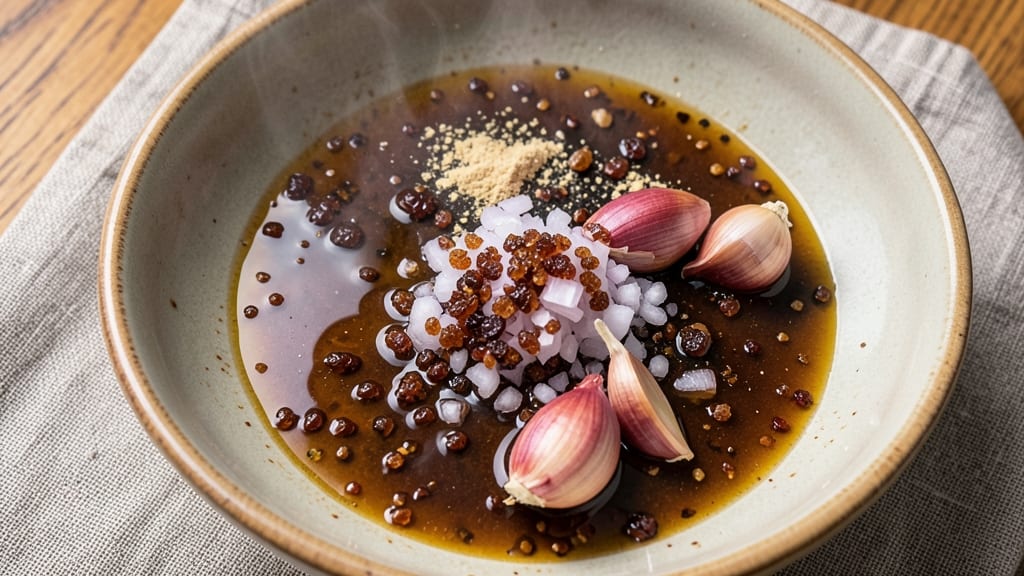
This beef ribs marinade recipe transforms tough cuts into melt-in-your-mouth perfection with a smoky-sweet blend that penetrates deep during cooking. The secret lies in balancing brown sugar, liquid smoke, and acid—creating a caramelized crust while tenderizing the meat from the inside out.
I developed this after years of experimenting with competition-style techniques that actually work in a home kitchen.
The marinade uses simple ingredients you likely already have: soy sauce for umami depth, apple cider vinegar to break down fibers, and a touch of garlic powder for aromatic punch.
What sets this apart is the liquid smoke, which mimics the smoky flavor of traditional barbecue without requiring a smoker. It infuses the ribs in just 4 hours—no overnight soaking needed.
By the time you're ready to cook, your ribs will be fall-apart tender with a sticky, caramelized bark that locks in moisture. This marinade works equally well for slow cooking in a smoker, oven, or even a Dutch oven.
The flavors develop beautifully over time, making it perfect for meal prep or last-minute grilling.
Store leftovers in an airtight container for up to 2 weeks, or freeze for 3 months—ideal for when you need that restaurant-quality flavor on short notice. Let's get started with this game-changing marinade that will change how you cook ribs forever.
Ingredients for beef ribs marinade
Nine simple ingredients transform tough ribs into melt-in-your-mouth perfection with smoky-sweet depth.
| Ingredient | Amount | Notes |
|---|---|---|
| Light Soy Sauce 🥄 | ½ cup | High-quality for umami depth |
| Apple Cider Vinegar 🍏 | ¼ cup | Raw, unfiltered preferred |
| Brown Sugar 🍚 | ½ cup | Packed, light or dark |
| Liquid Smoke 🔥 | 2 tbsp | Hickory or applewood flavor |
| Garlic Powder 🧄 | 1 tbsp | Freshly ground preferred |
| Onion Powder 🧅 | 1 tbsp | Not onion salt |
| Black Pepper 🌶️ | 1 tsp | Freshly cracked for heat |
| Ground Cinnamon 🌿 | ½ tsp | Warmth without sweetness |
| Diamond Crystal Kosher Salt 🧂 | 1 ½ tsp | For seasoning balance |
| Extra-Virgin Olive Oil 🫒 | 2 tbsp | For moisture and richness |
The soy sauce here is non-negotiable—Kikkoman or La Choy work perfectly, but avoid low-sodium versions. Apple cider vinegar should be raw and unfiltered for that tangy bite (the kind you'd drink straight). Brown sugar is better than white here—it caramelizes more beautifully, giving that sticky bark. Liquid smoke is the magic ingredient; Traeger brand is my go-to, but Kalamazoo works too. For the spices, Penzeys or bulk bins at Whole Foods give the freshest grind—garlic and onion powders should smell vibrant, not stale. The olive oil acts as a carrier for the marinade, so don't skimp on quality—California Olive Ranch is a solid mid-range option.
No liquid smoke? Smoked paprika at double the amount gets you close, but it won't have that deep, campfire-like penetration. Balsamic vinegar can replace apple cider vinegar in a pinch (use the same amount). Coconut sugar works 1:1 for brown sugar if you're avoiding refined sugar. Ground mustard at half a teaspoon adds a subtle tang if you want extra depth. The black pepper should be freshly cracked—pre-ground loses its punch fast. If you're making this ahead, store all dry ingredients (spices, sugars) in an airtight container for up to 6 months; the wet ingredients (soy sauce, vinegar, olive oil) keep indefinitely.
This marinade is stable for 2 weeks in the fridge once mixed—just keep it in a sealed container. For longer storage, freeze it in ice cube trays for single-use portions. Double the batch if you're doing a big cookout; it reheats beautifully. The olive oil separates slightly when refrigerated, so give it a shake before using. Leftovers? Toss them back into the mix for a second round of flavor—just add a splash of water to thin it out if needed.
Why You'll Love This Recipe
- Five-Ingredient Magic: I swear by this combo—just mix, pour, and let the ribs do the work. No fancy gadgets, no measuring cups (seriously, eyeball it), and you’re done in 10 minutes. The liquid smoke alone makes it taste like a smoker’s secret, but without the hassle.
- Sweet-Smoky Umami Bomb: That brown sugar caramelizes into the meat while the vinegar cuts through the richness. Honestly, the garlic powder isn’t just flavor—it’s the reason my husband licks the bowl after marinating. The balance of tangy, sweet, and smoky? Ridiculously addictive.
- Tailgate to Tuesday: This marinade works for backyard BBQs or a lazy weeknight dinner. Slather it on ribs for a crowd, or use half to glaze chicken thighs when you’re craving something fast. (Yes, even on a Tuesday night.) The leftovers? Just as good reheated as they are fresh.
- Budget-Friendly Flex: Light soy sauce and apple cider vinegar stretch my grocery budget without sacrificing taste. A little goes a long way—one batch marinates ribs and doubles as a quick stir-fry sauce. Not the prettiest, but the taste makes up for it every time.
Step-by-step instructions for smoky-sweet beef ribs marinade
This marinade transforms tough ribs into melt-in-your-mouth perfection through precise balancing.
Combine Wet Ingredients for Base Flavor
In a medium mixing bowl, pour in the 0.5 cup light soy sauce and 0.25 cup apple cider vinegar. The vinegar will immediately start breaking down proteins, kickstarting the tenderizing process. Stir these together until fully combined - you should see a smooth, amber liquid forming.
Next, whisk in the 0.5 cup brown sugar and 2 tbsp liquid smoke. Here's where the magic happens: the sugar begins dissolving while the liquid smoke infuses that deep, smoky character. Stir continuously for about 2 minutes until the sugar is completely incorporated and the mixture appears syrupy. This step creates the sweet-savory foundation that will caramelize beautifully on the ribs.
Incorporate Dry Seasonings for Depth
Create a small well in the center of your wet mixture and add the 1 tbsp garlic powder, 1 tbsp onion powder, 1 tsp black pepper, and 0.5 tsp ground cinnamon. The cinnamon might seem unusual, but it adds subtle warmth that complements the smoky-sweet profile.
Using a wooden spoon or silicone spatula, gently fold these dry ingredients into the wet base until completely dissolved. You're looking for a uniform consistency where no powder remains visible. The spices should disperse evenly, creating a marbled effect throughout the marinade. This blending ensures every bite of rib gets that perfect balance of flavors.
Finish with Oil and Seasoning Adjustment
Drizzle in the 2 tbsp extra-virgin olive oil while continuing to stir. The oil helps carry the marinade's flavors into the meat fibers and prevents it from drying out during cooking. Add the 1.5 tsp diamond crystal kosher salt and mix thoroughly. At this point, taste your marinade - it should be sweet, tangy, and slightly smoky with a warm spice finish.
If you find it needs more balance, you can adjust: add a pinch more salt for seasoning, a splash of apple cider vinegar for tang, or a teaspoon of brown sugar for sweetness. The marinade should coat the back of a spoon with a velvety texture. Transfer to an airtight container and let it rest at room temperature for 15 minutes before using - this allows all the flavors to meld completely.
Apply to Ribs for Maximum Tenderization
Pat your beef ribs completely dry with paper towels - moisture is the enemy of good searing and flavor penetration. Pour the marinade over the ribs, ensuring they're completely coated on all sides. For best results, place them in a zip-top bag and massage the marinade into the meat, working it into all the crevices.
Marinate the ribs for at least 4 hours at room temperature, or overnight in the refrigerator for maximum tenderness. The acid in the apple cider vinegar and the enzymes in the soy sauce will work together to break down the connective tissue, while the sugar and smoke create that irresistible bark during cooking. Flip the ribs occasionally to ensure even coating.
Pro Tips For Making Beef Ribs Marinade
- Whisk the Sugar First: Brown sugar clumps like a stubborn guest at a party—no one wants to deal with it. Mix it dry with the garlic powder before adding liquids, then slowly pour in the soy sauce and vinegar while stirring. This keeps your marinade smooth, not gloppy, and ensures even distribution of that smoky-sweet flavor.
- Vinegar First, Then Smoke: Liquid smoke has a strong, almost medicinal aroma that fights with vinegar’s tang if you mix them raw. Add the apple cider vinegar to the warm (not boiling) marinade first, let it mellow for 5 minutes, then stir in the liquid smoke. The flavors blend better, and you won’t end up with a chemical-tasting mess.
- Don’t Drown the Ribs: I used to pour this marinade over ribs like I was baptizing them, but that just makes them soggy before the grill. Brush on just enough to coat the meat—about ¼ cup per pound—and save the rest for basting later. The crust will form better, and you won’t waste marinade.
- Let It Work Overnight: This isn’t a 30-minute marinade. Plan ahead: beef ribs need at least 12 hours, ideally 24, for the liquid smoke and vinegar to tenderize without overpowering. I learned this after grilling ribs that tasted like a campfire and nothing else—give it time, or regret it.
Dietary considerations for this dish
Gluten-Free Adaptation
This marinade is naturally gluten-free thanks to its simple ingredients, but always double-check your soy sauce label—many brands contain wheat. Opt for certified gluten-free soy sauce like San-J Tamari or Kikkoman Gluten-Free Soy Sauce to maintain that rich umami depth without compromising safety.
The rest of the ingredients are inherently gluten-free, so no substitutions are needed beyond the soy sauce. 🥄
Low-Sodium Options
If you're watching your sodium intake, reduce the kosher salt to 0.75 tsp and use a low-sodium soy sauce like La Choy Low Sodium or Kikkoman Low Sodium. Balance the flavor by adding 1 extra tsp of brown sugar to compensate for the reduced saltiness.
The apple cider vinegar and liquid smoke will still provide plenty of depth without overpowering the ribs.
Dairy-Free & Vegan
This marinade is already dairy-free and vegan-friendly, making it perfect for plant-based diets. The olive oil adds richness, while the apple cider vinegar and brown sugar create a caramelized crust that mimics the texture of traditional barbecue sauces.
For extra umami, consider adding 1 tsp of nutritional yeast when applying the marinade to the ribs—it deepens the savory profile without dairy.
Sugar-Free Version
To eliminate sugar while keeping the marinade's depth, replace the brown sugar with 1 tbsp of erythritol or monk fruit sweetener (like Lakanto or Swerve). The sweetness will be subtle, but the liquid smoke and soy sauce will still deliver that signature smoky-sweet balance.
For added moisture, increase the apple cider vinegar to 0.35 cup to help tenderize the ribs without relying on sugar.
Allergen-Friendly Tips
For those with mustard allergies, skip the optional ground mustard substitution mentioned in the notes. If you're avoiding vinegar, replace the apple cider vinegar with lemon juice (use the same amount) for a bright, tangy alternative.
Always store your marinade in a dedicated container if you have cross-contamination concerns, and use clean utensils to prevent allergen transfer. 💡
Nutrition facts
Frequently asked questions
Can I use this marinade on other meats besides beef ribs?
This smoky-sweet blend works beautifully on pork ribs, chicken thighs, or even steak. For chicken, reduce the marinating time to 2-3 hours to prevent over-tenderizing. For steak, use it as a pre-cooking rub for 30-60 minutes before grilling. The liquid smoke and brown sugar create that perfect caramelized crust on any protein.
Do I need to marinate the ribs overnight?
Not at all! This marinade is designed to work in just 4 hours at room temperature for maximum flavor without overpowering the meat. For extra tenderness, you can marinate overnight in the refrigerator, but the 4-hour minimum ensures the acid and enzymes break down fibers effectively. Just remember to flip the ribs occasionally for even coating.
What if I don't have liquid smoke?
No problem! Use 2 tbsp smoked paprika as a substitute—it won't be identical but will still add smoky depth. For a stronger effect, combine 1 tbsp smoked paprika + 1 tsp chipotle powder (adjust to taste). The marinade will lose some of the deep campfire notes, but the overall sweet-savory balance remains intact.
Can I reuse leftover marinade?
Yes, but with caution. After using the marinade on ribs, strain it to remove any meat particles, then store it in an airtight container. You can reuse it 1-2 more times for other proteins like chicken or tofu. However, never reuse marinade that has been in contact with raw meat if you plan to serve it raw later (like for ceviche).
Why does my marinade look separated after refrigeration?
The olive oil may rise to the top when refrigerated—that's completely normal! Just give it a good shake before using. The separation happens because fats and liquids behave differently at cold temperatures. If you prefer, you can store the marinade at room temperature (it'll last 1 week unrefrigerated) or stir it vigorously to re-emulsify before applying.