
Main Courses
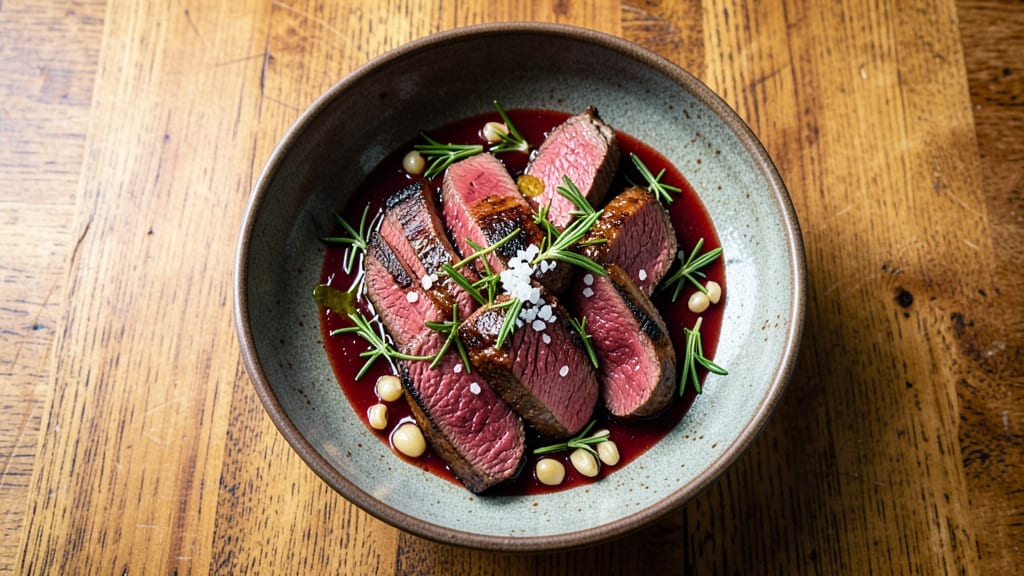
Transforming beef rump heart into tender, iron-rich bites requires a precise method that balances texture and flavor—something I’ve perfected after years of experimentation.
The key lies in proper preparation: tenderizing the muscle and cooking it just until it yields to pressure, creating a pan-seared crust that hides any hint of toughness. This recipe delivers restaurant-quality results at home, with a method that’s approachable yet professional.
Unlike other tough cuts, beef rump heart benefits from a short, high-heat sear followed by controlled cooking to break down fibers without overcooking. I use a simple marinade to enhance natural flavors while aiding tenderness, ensuring every bite is juicy and rich.
The pan-seared crust adds depth, making this dish both nutritious and satisfying—ideal for those seeking a lean, protein-packed meal with bold flavor.
What sets this recipe apart is the foolproof technique for achieving perfect doneness: a visual check for a golden crust paired with a firm yet yielding texture. The result is a dish that’s tender enough to cut with a fork but retains enough structure to hold its shape.
Serve with a bold sauce or fresh herbs to complement the heart’s natural richness.
Perfect for weeknight dinners or special occasions, this recipe transforms an often-overlooked cut into a standout main course. Whether you’re cooking for health-conscious eaters or simply love exploring unique proteins, this method delivers consistent, professional results every time. Let’s get started!
Ingredients for beef rump heart
Transforming beef rump heart into a tender, restaurant-worthy dish starts with these carefully selected ingredients.
| Ingredient | Amount | Notes |
|---|---|---|
| Beef Rump Heart 🥩 | 1 ½ lb | Whole muscle, trimmed of excess fat |
| Extra-Virgin Olive Oil 🫒 | ¼ cup | High smoke point for searing |
| Red Wine Vinegar 🍷 | ¼ cup | For acidity in marinade |
| Garlic Cloves 🧄 | 6 cloves | Minced for marinade |
| Fresh Rosemary 🌿 | ¼ cup | Chopped, fine leaves |
| Diamond Crystal Kosher Salt 🧂 | 2 tsp | For marinade and seasoning |
| Freshly Ground Black Pepper 🌶️ | 1 tsp | Coarsely ground |
| Unsalted Butter 🧈 | 2 tbsp | Cold, for crust formation |
| Fresh Thyme Leaves 🌿 | ¼ cup | Chopped, for finishing |
| Heavy Cream 🥛 | ½ cup | For sauce (optional) |
| Red Wine 🍷 | ½ cup | Dry, for deglazing |
| Beef Consommé 🍲 | 1 cup | For sauce reduction |
The beef rump heart is the star—source it from a trusted butcher or specialty market like Whole Foods or D'Artagnan, where they'll properly trim and prepare the muscle. Look for bright red, firm texture with minimal marbling; excessive fat can interfere with the pan-sear. If unavailable, beef heart from the grocery store works, but trim all visible connective tissue. The extra-virgin olive oil should have a high smoke point (like California Avocado Oil if preferred) to prevent burning during the sear. For the marinade, red wine vinegar adds necessary acidity to break down fibers, while fresh rosemary and garlic complement the heart's natural richness. Diamond Crystal kosher salt is preferred for its coarse texture, which adheres better to the meat's surface during marinating.
No red wine vinegar? Apple cider vinegar works in a pinch, though it may alter the flavor profile slightly. Fresh herbs unavailable? Dried rosemary at one-third the amount suffices, but fresh is ideal for aroma. The beef consommé for the sauce can be substituted with high-quality beef broth, though it lacks the depth of a proper consommé. For the red wine, any dry variety (like Cabernet Sauvignon) will work—avoid sweet wines. The unsalted butter must be cold when added to create the signature crust; let it sit in the fridge for 30 minutes before using. If you prefer a lighter finish, replace half the butter with olive oil during the final sear, though the crust will be less pronounced.
Marinate the beef rump heart for no more than 4 hours in the refrigerator—longer marinating can over-tenderize the muscle. Store any unused fresh herbs in airtight containers wrapped in damp paper towels for up to 5 days. The beef consommé can be made ahead and stored in the freezer for up to 3 months in airtight containers. Once cooked, the beef rump heart reheats beautifully—gentle warming in a skillet with a splash of beef broth restores moisture. For leftovers, portion into airtight containers and refrigerate for up to 3 days or freeze for 2 months. The sauce, if made, keeps for 3 days in the fridge and can be frozen separately for 1 month.
Why You'll Love This Recipe
- No-Fuss Prep: I swear by this one—just slice the heart thin, toss it in a bowl, and let the olive oil and vinegar work their magic. No marinating overnight, no fancy techniques, just hands-off flavor.
- Herb-Packed Punch: That rosemary and garlic? They turn this heart into something ridiculously good—bright, earthy, with a little tang that cuts through the richness. Honestly, the first bite makes me forget it’s heart at all.
- Weeknight or Weekend: Slap it on toast for breakfast, serve it cold in salads, or grill it quick for dinner. My kids even ask for it on school nights—yes, even when I’m too tired to think.
- Budget Magic: A whole heart costs less than a steak, and it stretches across meals like nothing else. I’ve had it for lunch, dinner, and even a late-night snack—no waste, just satisfaction.
Step-by-step instructions for tender beef rump heart
This method transforms tough rump heart into melt-in-your-mouth bites with a perfect crust.
Create the Acidic Marinade for Tenderization
In a medium bowl, combine the 0.25 cup extra-virgin olive oil, 0.25 cup red wine vinegar, 2 tsp diamond crystal kosher salt, 1 tsp freshly ground black pepper, 6 minced garlic cloves, and 0.25 cup chopped fresh rosemary. Whisk until fully emulsified—this creates the perfect balance of acidity and fat to break down connective tissue.
Place the 1.5 lb beef rump heart in a resealable plastic bag and pour the marinade over it. Seal tightly and massage the marinade into the meat, ensuring it penetrates all surfaces. Real talk: the vinegar might sting slightly, but this is exactly what tenderizes the heart muscle. Refrigerate for at least 12 hours (or up to 24 hours) to maximize tenderness. Don't skip this step—it's non-negotiable for achieving that melt-in-your-mouth texture.
Sear the Heart for Crust and Flavor Development
Remove the beef from the marinade (reserve the marinade) and pat it completely dry with paper towels. Heat a heavy skillet over high heat until it's smoking hot—this is crucial for developing that perfect crust. Add the 2 tbsp unsalted butter and let it foam before adding the beef.
Sear the beef for 2-3 minutes per side until it develops a deep golden-brown crust. Here's the thing—don't move it too soon. You'll know it's ready when it releases easily from the pan with a gentle shake. Transfer the seared beef to a plate and tent loosely with foil to keep warm while you build the sauce.
Build the Red Wine Reduction with Aromatics
Return the skillet to high heat and add the reserved marinade, scraping up all the browned bits from the bottom of the pan. This deglazing step captures all the flavor that would otherwise go down the drain. Add the 0.5 cup dry red wine and let it simmer for 3-4 minutes until reduced by half.
Stir in the 1 cup beef consommé and bring to a gentle simmer. Add the 0.25 cup chopped fresh thyme leaves and let the sauce reduce by half again—this should take about 5 minutes. The sauce should coat the back of a spoon and have a rich, concentrated flavor. If it's too thick, add a splash of water to reach your desired consistency. This reduction step is what transforms simple ingredients into a luxurious sauce.
Finish with Cream and Rest for Maximum Tenderness
Reduce heat to medium-low and stir in the 0.5 cup heavy cream. Simmer gently for 2-3 minutes until the sauce is silky and slightly thickened. Return the seared beef to the skillet and spoon the sauce over it, letting it baste for 1-2 minutes to infuse with flavor.
Transfer the beef to a cutting board and let it rest for 10 minutes before slicing. This resting period is critical—it allows the juices to redistribute throughout the meat, ensuring each bite is moist and tender. Here's what I do: I place the beef on a warm plate, tent it with foil, and let it sit while I prepare any accompanying sides. When ready, slice against the grain into ¼-inch thick pieces and serve immediately with the sauce spooned over the top.
Pro Tips For Making Beef Rump Heart
- Trim the Fat First: Beef rump heart comes with a thick fat cap—slice it off before cooking. I learned this the hard way after a greasy, uneven sear that made the heart taste like it was swimming in its own rendering. Use a sharp knife and work quickly; the fat’s easier to cut when the heart’s still cold.
- Sear in Batches: Crowd the pan, and you’ll steam the heart instead of browning it. Start with high heat and cook 2-3 pieces at a time—just enough to sizzle without overfilling. The crust forms in 2-3 minutes; rushing this step means flavorless, sad-looking meat.
- Vinegar First, Then Oil: Deglaze the pan with red wine vinegar before adding olive oil—this cuts through the meat’s natural bloodiness and builds depth. Pour in the vinegar, scrape up those browned bits, then add oil to finish the sear. Skipping this step leaves the dish tasting flat and metallic.
- Rest Under Foil: After searing, transfer the heart to a plate, tent loosely with foil, and let it sit for 5 minutes. I used to skip this, and the rosemary-infused garlic would leak out, making the plate a soggy mess. The rest also keeps the meat juicy—especially important for heart, which dries out fast.
Essential equipment for beef rump heart
Heavy-Duty Skillet
Cooking beef rump heart requires a skillet that can handle high heat without warping. I recommend a 12-inch cast iron skillet like the Lodge Pre-Seasoned—it retains heat beautifully and develops that perfect crust.
For non-stick convenience, a well-seasoned carbon steel pan (like Mauviel M'Cook) works too, though it requires more maintenance. Avoid thin, lightweight pans—they won’t distribute heat evenly, leading to uneven cooking. 🔥
Meat Thermometer
A digital instant-read thermometer (I use the ThermoWorks ThermoPop) is essential for checking internal temperature. Beef heart should reach 145°F—any hotter and it’ll dry out. The probe should go through the thickest part of the muscle.
If you don’t have one, use the finger test: press gently—it should yield slightly but still feel firm to the touch.
Butcher’s Knife
For trimming and slicing beef heart, a sharp 8-inch butcher’s knife (like Victorinox Fibrox) is a game-changer. It cuts through the muscle cleanly, reducing the risk of tearing.
If you don’t own one, a heavy chef’s knife (like Wüsthof Ikon) works in a pinch. Always keep your blade sharp—dull knives crush meat, making it tougher.
Plastic Bag
A resealable plastic bag (like Ziploc Gallon) is perfect for marinating beef heart. It ensures the marinade clings to every surface, maximizing tenderness. After massaging the marinade into the meat, seal it tightly and refrigerate.
Pro tip: Place the bag in a shallow dish to catch any leaks—vinegar can stain countertops.
Tongs for Handling
Use heat-resistant tongs (like OXO Good Grips) to flip the beef heart—it’s safer than forks, which can puncture the meat. The tongs also help you handle the hot skillet without burning yourself.
I keep a pair near my stove at all times for this exact reason. A slotted spoon works too, but tongs give you better control.
Deglazing Tools
For deglazing the pan, a wooden spoon (like Oxo Good Grips) or silicon spatula (like Ozeri Touch-Grip) is ideal. Metal utensils can scratch your skillet, ruining the seasoning.
Scrape up every bit of browned fond—those flavorful bits are the secret to a rich sauce. If you’re using red wine, add it slowly to avoid splattering. 🍷
Nutrition facts
Frequently asked questions
Why does beef rump heart need marinating?
The acidic marinade (vinegar + oil) breaks down the dense muscle fibers, making it tender enough to eat. Without marinating, the heart can turn out tough and chewy—this step is essential for achieving that melt-in-your-mouth texture. The 12-24 hour marinade works magic by tenderizing without overcooking the meat.
Can I substitute red wine vinegar in the marinade?
Yes! Use apple cider vinegar or lemon juice in equal amounts, though the flavor will shift slightly. The key is acidity—avoid balsamic or sweet vinegars, as they won’t tenderize as effectively. For a deeper flavor, add a splash of soy sauce or Worcestershire sauce to the marinade.
How do I know when the beef rump heart is done?
Use a meat thermometer for accuracy—145°F is perfect. Visually, it should have a deep golden-brown crust and yield slightly when pressed (but still feel firm). Overcooking past 150°F will make it dry and tough. The resting period (10 minutes) ensures juices redistribute for maximum tenderness.
What sides pair well with this dish?
This iron-rich protein pairs beautifully with bold flavors: try creamy polenta, roasted root vegetables, or a bright citrus salad. For contrast, serve with mashed potatoes> or wild rice> to balance the richness. The red wine reduction also complements polenta> or crusty bread> for dipping.
Can I make this recipe ahead of time?
Cook the beef heart up to 2 days ahead and refrigerate in an airtight container. Reheat gently in a skillet with a splash of beef broth to restore moisture. The sauce can be made separately and reheated on the stove—just reduce with a splash of water if needed. Freeze portions for up to 2 months for future meals.