
Main Courses
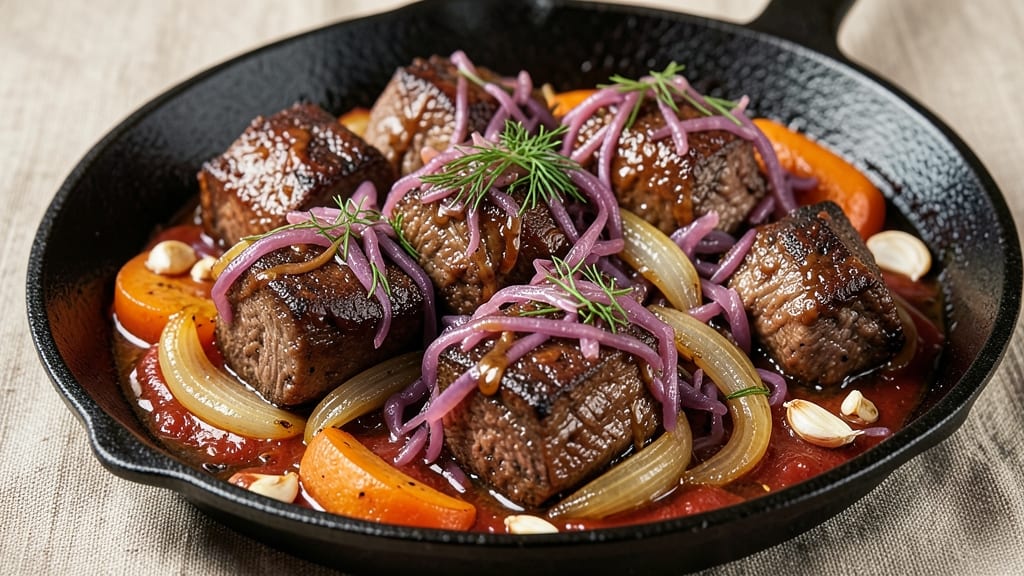
This beef sauerkraut recipe transforms humble ingredients into a deeply satisfying dish that balances rich, savory beef with the tangy crunch of fermented cabbage—perfect for hearty weeknight dinners or weekend feasts.
The secret lies in slow-braising the beef until fork-tender while caramelizing the sauerkraut to soften its sharpness into a sweet-tart harmony. I’ve refined this method over years of testing, ensuring every bite delivers that perfect contrast of textures and flavors.
The process begins with searing beef chuck in a Dutch oven to develop deep, meaty flavors, then simmering it low and slow with onions, garlic, and spices until the meat practically melts in your mouth.
Meanwhile, the sauerkraut cooks down just enough to mellow its acidity while retaining that signature fermented crunch. This isn’t just a side dish—it’s a complete, one-pot meal that pairs beautifully with crusty bread or buttery mashed potatoes.
What you’ll end up with is a restaurant-quality dish that’s surprisingly simple to prepare—no fancy techniques required, just patience and a few key steps. The beef becomes so tender it falls apart with a fork, while the sauerkraut develops a glossy, caramelized edge that balances the richness of the meat.
The aroma alone will have everyone gathered at the table, and the first bite will make them ask for seconds.
Serve this dish with a cold lager or a crisp Riesling to cut through the richness, or pair it with roasted root vegetables for a full autumnal spread.
The leftovers reheat beautifully, making it ideal for meal prep. Let’s get started—this recipe is about to become a staple in your rotation.
Ingredients for beef sauerkraut
Essential ingredients for a restaurant-quality beef sauerkraut that balances rich beef with tangy fermented cabbage.
| Ingredient | Amount | Notes |
|---|---|---|
| Beef Chuck Roast 🥩 | 2 lb | Pre-cut into 1.5-inch cubes |
| Yellow Onions 🧅 | 2 whole | Medium-sized, sliced into half-moons |
| Garlic Cloves 🧄 | 6 cloves | Peeled, smashed for deeper flavor |
| Carrots 🥕 | 4 whole | Medium-sized, sliced into thick rounds |
| Sauerkraut 🥬 | 2 cups | Packed, drained if too wet |
| Tomato Paste 🍅 | 2 tbsp | Smooth, not chunky |
| Beef Broth 💧 | 2 cups | Low-sodium preferred |
| Apple Cider Vinegar 🍎 | 1 tbsp | For tangy depth |
| Dark Brown Sugar 🍬 | 1 tbsp | Enhances caramelization |
| Dried Thyme 🌿 | 1 tsp | Or 1 tbsp fresh thyme |
| Bay Leaves 🌿 | 2 whole | Remove before serving |
| Black Peppercorns 🌶️ | 1 tsp | Crushed, not ground |
| Kosher Salt 🧂 | 1 ½ tsp | Adjust to taste |
| Extra-Virgin Olive Oil 🫒 | 2 tbsp | For searing beef |
The beef chuck roast is non-negotiable—its marbled fat renders into the dish, creating a deeply flavorful sauce. Look for well-marbled cuts at your local butcher, or ask for pre-cut chuck cubes at Whole Foods or Costco. The sauerkraut should be vibrant and slightly wet, not dried out—Rehrl or Bubbies brands are my go-to for consistent quality. Fresh thyme is ideal, but the dried variety works in a pinch if you've got it. The carrots should be firm with bright orange color, indicating freshness.
No beef chuck? Chuck steak or even short ribs will work, though cooking times may vary. Short on sauerkraut? Substitute with a mix of cabbage and apple cider vinegar, letting it sit overnight to ferment slightly. The tomato paste can be swapped for crushed tomatoes if preferred, though it will dilute the sauce slightly. For extra depth, add 1 tsp smoked paprika to the spices. The apple cider vinegar is crucial—it bridges the gap between the richness of the beef and the tang of the sauerkraut, so don’t skip it.
This dish tastes even better the next day as flavors meld together. Store in an airtight container in the refrigerator for up to 5 days. For longer storage, portion into freezer-safe containers and freeze for up to 3 months. The sauce thickens as it cools, so adding a splash of beef broth when reheating ensures a silky consistency. Serve with crusty bread or mashed potatoes to soak up every last bit of that rich, tangy sauce.
Why You'll Love This Recipe
- One-Pot Magic: I swear by this—just dump everything in a Dutch oven, let it simmer, and walk away. The chuck roast gets fork-tender while the sauerkraut softens without wilting, and the onions caramelize right into the sauce. No fancy steps, no mess.
- Leftovers That Beg: This dish actually improves the next day. The flavors meld into something deeper, and the beef shreds like a dream. I’ve sent it in lunches, reheated it for quick dinners, and even turned it into sloppy joes—no one ever says no.
- Budget Stretch: A chuck roast is cheap, carrots and onions are pantry staples, and sauerkraut lasts forever. I’ve fed my whole family (plus two extra guests) for under $15, and the leftovers stretch into another meal. Smart, hearty, and wallet-friendly.
Step-by-step instructions for braised beef with sauerkraut
A rich, deeply flavorful dish where tender beef meets tangy fermented cabbage in a slow-braised symphony.
Sear the Beef Chuck Roast in Olive Oil
Heat a heavy Dutch oven over medium-high heat until the oil shimmers. Add the 2 tablespoons extra-virgin olive oil and let it warm for 1 minute. Working in batches to avoid crowding, add the 2 lb beef chuck roast pre-cut into 1.5-inch cubes and sear until deeply browned on all sides, about 3-4 minutes per batch. This step develops the foundational Maillard reaction that carries through the entire dish.
Transfer the seared beef to a plate and set aside. If the oil appears dark or smoky, discard it and add a fresh 1 tablespoon extra-virgin olive oil to the pot—this ensures clean flavor development for the vegetables. The beef should have a rich, caramelized crust when finished searing.
Build the Aromatic Base with Vegetables and Sauce Components
In the same Dutch oven, add the 2 whole yellow onions sliced into half-moons and the 4 whole carrots sliced into thick rounds. Cook for 5-6 minutes, stirring occasionally, until the onions soften and begin to caramelize along the edges. Add the 6 cloves garlic cloves that have been peeled and smashed, cooking for an additional 30 seconds until fragrant.
Stir in the 2 tablespoons tomato paste and cook for 1 minute to deepen its flavor. Pour in the 2 cups beef broth, scraping up any browned bits from the bottom of the pot. Add the 1 tablespoon apple cider vinegar, 1 tablespoon dark brown sugar, 1 teaspoon dried thyme, 2 whole bay leaves, 1 teaspoon crushed black peppercorns, and 1.5 teaspoons kosher salt. Bring the mixture to a gentle simmer.
Braise the Beef Until Fork-Tender
Return the seared beef to the Dutch oven, along with any accumulated juices. Add the 2 cups sauerkraut, which should be packed and drained if excessively wet. The sauerkraut will release its tangy juices as it cooks, balancing the richness of the beef. Bring the mixture to a simmer, then reduce the heat to low and cover the pot with a tight-fitting lid.
Braise for 2.5 to 3 hours, maintaining a gentle simmer, until the beef is fork-tender and easily pulls apart. Check periodically to ensure there's always some liquid in the pot—if it reduces too much, add ¼ cup hot beef broth to maintain moisture. The dish should develop a deep, caramelized sauce that coats the beef and vegetables evenly.
Adjust Seasoning and Prepare for Serving
Once the beef is tender, remove the 2 whole bay leaves from the pot. Taste the braising liquid and adjust the seasoning if needed—add more kosher salt or a splash of apple cider vinegar if the dish feels flat. The sauerkraut should contribute a bright tang that cuts through the richness of the beef.
Let the braised beef rest for 10 minutes before serving. This allows the juices to redistribute, ensuring each bite is moist and flavorful. Serve the beef and sauerkraut mixture directly from the Dutch oven, spooning the rich sauce over the top. Pair with crusty bread or buttered egg noodles to soak up every last bit of the savory-sweet sauce.
Pro Tips For Making Beef Sauerkraut
- CRUST THE ROAST FIRST: Brown that chuck roast hard in a hot Dutch oven before adding anything else—this builds flavor and texture the slow cook won’t replace. I used to skip this, and the final dish tasted like it was missing something. Two minutes per side, until deep golden. (Yes, even if you’re impatient like me.)
- DRAIN AND RINSE SAUERKRAUT: Dump the sauerkraut into a colander and rinse it under cold water before adding it to the pot. This cuts the harsh vinegar bite and prevents your stew from tasting like a pickle jar exploded. Do it while the roast browns—it’s the one step that actually changes the outcome.
- SLOW COOK THE CARROTS: Toss the carrots in a little olive oil and salt before adding them to the pot, then let them sit in the liquid for the last 30 minutes of cooking. This keeps them tender instead of mushy while absorbing all that beefy flavor. I learned this the hard way—overcooked carrots ruin the dish.
- USE THE JUICES: After browning the roast, don’t scrape the fond into the trash—deglaze that pot with a splash of beef broth right away. Those stuck-on bits are pure flavor, and skipping this means losing half the depth of the sauce. (Your future self will thank you.)
Troubleshooting this recipe
Sauerkraut Too Tangy?
If your sauerkraut is overpowering the dish, balance it with extra 1 tbsp brown sugar or ½ cup apple juice during braising. The sugar caramelizes, mellowing the acidity while adding depth.
I’ve found that 1 extra bay leaf also helps round out flavors by releasing tannins that soften the tang. 🌿
Beef Not Tender Enough
If your beef isn’t fork-tender after 3 hours, extend the braising time by 30-60 minutes or add ½ cup hot water to the pot. The key is maintaining a gentle simmer—never a boil, which toughens the meat.
For extra insurance, use bone-in chuck roast, as the marrow adds flavor and moisture. 🥩
Sauce Too Thin or Dry
A thin sauce often means the liquid evaporated too quickly. To fix it, stir in 1 tbsp cornstarch mixed with 2 tbsp cold water and simmer for 2-3 minutes until thickened.
If the sauce is dry, add ¼ cup beef broth and let it reduce slightly. I recommend checking the sauce every 30 minutes during braising to avoid this issue. 💧
Sauerkraut Too Watery
Excess moisture from sauerkraut can dilute flavors. Drain it thoroughly in a colander for 10 minutes before adding to the pot. For extra insurance, squeeze it gently with a clean kitchen towel. If the dish still seems watery, simmer uncovered for 10 minutes to evaporate excess liquid. 🥬
Burnt Onions or Caramelized Too Dark
If your onions burn before caramelizing, reduce the heat to medium-low and stir more frequently. For deeper flavor without burning, add 1 tsp balsamic vinegar at the end of cooking—it enhances caramelization without scorching. I also recommend using yellow onions over red, as they brown more evenly. 🧅
Leftovers Too Dry
Reheat leftovers with 2 tbsp beef broth or water to restore moisture. Cover the pot and simmer on low heat for 5-7 minutes, stirring occasionally. For extra richness, stir in 1 tbsp butter or a splash of apple cider vinegar to revive the sauce. 🔥
Nutrition facts
Frequently asked questions
Can I use frozen sauerkraut instead of fresh?
Fresh sauerkraut is ideal for this recipe, but frozen will work in a pinch. Just thaw it completely first and drain it well to remove excess liquid. The texture won't be as crisp, but it will still add that signature tangy flavor. For best results, squeeze the thawed sauerkraut between paper towels to remove moisture before adding it to the pot.
What's the best cut of beef for this recipe?
Beef chuck roast is perfect because it's flavorful and becomes fork-tender when braised. If you can't find chuck, try beef short ribs or chuck steak. Avoid lean cuts like sirloin—they won't become tender enough. The fat in chuck roast renders beautifully, creating a rich sauce that coats every bite.
How can I make this dish ahead of time?
This braised beef actually tastes better the next day as flavors meld together! Cook it completely, then store in an airtight container in the refrigerator for up to 5 days. When reheating, add 2 tbsp beef broth to restore moisture and simmer gently for 5-7 minutes. For freezing, portion into containers and freeze for up to 3 months—just thaw overnight in the fridge before reheating.
What sides pair best with beef sauerkraut?
Crusty bread is a classic choice to soak up the rich sauce, but you could also serve it with buttery egg noodles, roasted potatoes, or a fresh green salad. For a heartier meal, add a side of steamed vegetables like green beans or carrots. The tangy-sweet flavors of the beef sauerkraut complement starchy sides beautifully.
Can I make this dish in a slow cooker?
Brown the beef first in a skillet, then transfer everything to a 6-quart slow cooker. Cook on low for 6-8 hours or high for 4-5 hours until the beef is tender. The slow cooker method is perfect for hands-off cooking, though you may need to add ¼ cup beef broth if the mixture gets too dry during cooking.