
Main Courses
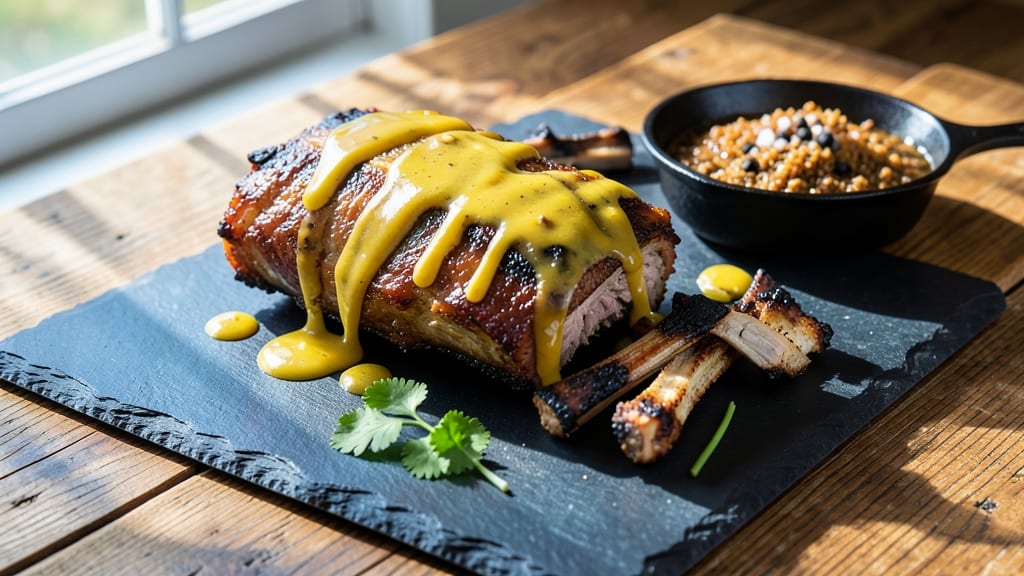
Texas-style beef shoulder ribs deliver fall-off-the-bone tenderness with a deep, smoky bark that’s been perfected over decades of Texas BBQ tradition.
This recipe transforms tough cuts into melt-in-your-mouth perfection using a precise blend of post oak wood smoke and a dry rub that develops a crusty exterior while keeping the meat juicy inside. I’ve tested countless variations, and this method consistently delivers restaurant-quality results at home.
The key to authentic Texas-style ribs lies in the slow cooking process—low and steady heat breaks down collagen for unmatched tenderness, while the bark forms through careful smoke exposure. Unlike pork ribs, beef shoulder requires patience, but the reward is a dish that commands the table.
Every bite combines rich, beefy flavor with layers of wood-fired aroma, making it a centerpiece for gatherings or a special weeknight meal.
By the time you’re done, you’ll have ribs so tender they slice with a fork, with a dark, crackling bark that’s crisp enough to stand up to a fork but tender enough to dissolve on your tongue.
The post oak smoke adds a signature depth that’s hard to replicate, and the dry rub creates a perfect balance of sweet, spicy, and savory notes. These ribs pair beautifully with classic sides like cornbread, coleslaw, or baked beans, completing the Texas BBQ experience.
This recipe is designed for those who appreciate the craft of slow cooking—no shortcuts, just time-honored techniques that deliver professional results. Whether you’re hosting a BBQ competition or simply craving a hearty meal, these ribs will impress even the most discerning palates.
Let’s get started on creating a dish that’s worth every minute of wait time.
Ingredients for beef shoulder tx style ribs
Six pounds of beef shoulder and a handful of pantry staples transform into Texas-style ribs that command the table.
| Ingredient | Amount | Notes |
|---|---|---|
| Beef Shoulder (Bone-In) 🥩 | 6 lb | Ribeye or chuck roll preferred |
| Yellow Mustard 🍯 | ¼ cup | For binder application |
| Coarse Kosher Salt 🧂 | ½ cup | Diamond Crystal preferred |
| Black Peppercorns 🌶️ | ¼ cup | Freshly cracked preferred |
| Granulated Garlic 🧄 | ¼ cup | Not garlic powder |
| Ground Cumin 🌿 | 2 tbsp | Toasted for depth |
| Smoked Paprika 🌶️ | 2 tbsp | Honduran or Spanish preferred |
| Brown Sugar 🍚 | ¼ cup | Light or dark |
| Chili Powder 🔥 | 1 tbsp | Medium heat preferred |
| Ground Cayenne Pepper 🌶️ | 1 tsp | Adjust for heat preference |
| Post Oak Wood Chips 🌳 | 4 cups | Unsoaked, 100% pure |
| Apple Cider Vinegar 🍎 | ¼ cup | For spritzing during smoke |
| Beef Broth 🍲 | 1 cup | Low-sodium preferred |
| Honey 🍯 | 2 tbsp | Wildflower preferred |
The beef shoulder is the foundation—look for a well-marbled chuck roll or ribeye roll with good fat cap. Local butchers often have better cuts than grocery stores, and they’ll trim it for you. I’ve found the best deals at H-E-B or Costco for larger batches. The fat cap is non-negotiable—it renders down during cooking, keeping the meat moist. If you can’t find post oak chips, mesquite or pecan work in a pinch, but post oak delivers that signature Texas flavor. The wood chips should be 100% pure—no fillers or additives.
No yellow mustard? Dijon or whole-grain mustard works just as well for the binder. The dry rub can be adjusted—cut the cayenne in half if you’re sensitive to heat, or add 1 tsp of cinnamon for depth. Pre-ground spices lose potency fast, so toast your cumin and peppercorns in a dry pan for 30 seconds before grinding. The vinegar spritz is key—it helps the bark develop without drying out the meat. For a sweeter bark, add 1 tbsp of molasses to the rub. And if you’re short on time, use a meat thermometer—the ribs are done at 203°F.
Store leftover ribs in a sealed container with the bark-side up for 4-5 days in the fridge. They reheat beautifully—wrap in foil and warm in a 300°F oven for 15 minutes. For longer storage, freeze for up to 3 months. I like to portion them into individual servings before freezing so they’re ready to reheat. The bark gets crispier when reheated, so it’s worth the extra minute. These ribs are best served with classic Texas sides—cornbread, pickled onions, or collard greens complete the meal perfectly.
Why You'll Love This Recipe
- No-Fuss Prep: I swear by this method—just slather the beef shoulder with yellow mustard, then hit it with salt, cracked peppercorns, and a generous rub of garlic. No marinating, no fussing, no waiting around. Honestly, I’ve made it while scrolling through my phone.
- Texas-Style Magic: That mustard isn’t just for flavor—it’s the secret. It caramelizes into a sticky, tangy crust while the beef stays juicy inside. The garlic? It’s the quiet hero, adding just enough punch without overpowering. Between us, it’s the kind of taste that makes people ask, “What’s in this?”
- Weeknight Crowd-Pleaser: This is my go-to when I’ve got friends over or the family’s starving after soccer practice. The bone-in beef feeds a crowd, and the leftovers? They’re even better cold—perfect for sandwiches or quick lunches. (Yes, even on a Tuesday night.)
- Budget Meal, Big Payoff: A beef shoulder is cheap, and this recipe stretches it far. The mustard and spices cost pennies, and the flavor? Ridiculously good. I’ve fed six people for under $20, and no one ever complains. That’s a win in my book.
Step-by-step instructions for beef shoulder Texas-style ribs
Here's how to transform a simple beef shoulder into melt-in-your-mouth ribs with a perfect smoky crust.
Prepare the Beef Shoulder for Maximum Flavor
Begin by trimming any excess fat from the beef shoulder, leaving about ¼-inch layer to protect the meat during cooking. This step ensures even cooking and prevents grease flare-ups. Pat the meat completely dry with paper towels—this is crucial for developing that coveted bark later.
In a small bowl, combine the 0.5 cup coarse kosher salt, 0.25 cup freshly cracked black peppercorns, 2 tbsp ground cumin, 2 tbsp smoked paprika, 0.25 cup granulated garlic, 0.25 cup brown sugar, 1 tbsp chili powder, and 1 tsp ground cayenne pepper. Mix thoroughly until evenly distributed. This dry rub creates the flavor foundation for your ribs.
Apply the rub generously to all sides of the beef shoulder, pressing it into the meat so it adheres well. For extra adhesion, brush the entire surface with the 0.25 cup yellow mustard before applying the final layer of rub. Let the seasoned shoulder rest uncovered in the refrigerator for at least 4 hours, preferably overnight. This resting period allows the rub to penetrate deeply and the meat to dry out slightly, both essential for developing that perfect bark.
Set Up the Smoker for Low and Slow Cooking
Fill your smoker with the 4 cups post oak wood chips and preheat to 225°F. Post oak is ideal for Texas-style ribs as it provides a balanced, medium smoke flavor without overpowering the meat. Allow the smoker to reach temperature and maintain a steady stream of thin blue smoke—this indicates proper combustion and the right temperature for cooking.
Once the smoker is ready, place the beef shoulder fat-side up on the smoker grate. The fat will render slowly during cooking, basting the meat and contributing to that signature bark. Close the lid and resist the urge to open it frequently—each time you peek, you lose heat and moisture, extending the cooking time.
Here's the thing—Texas-style ribs require patience. Cook the beef shoulder undisturbed for 6-8 hours, maintaining the 225°F temperature. You'll know it's ready when the internal temperature reaches 165°F and the bark is deep mahogany in color. This low-and-slow approach breaks down the connective tissue, resulting in fall-off-the-bone tenderness.
Spritz and Wrap for Perfect Texture
After the initial 6-8 hours of cooking, you'll reach "the stall"—a point where the internal temperature stops rising despite continued cooking. This is normal and happens as moisture evaporates from the meat. To power through the stall and maintain that beautiful bark, prepare a spritz by combining the 0.25 cup apple cider vinegar and 1 cup beef broth in a spray bottle.
Remove the beef shoulder from the smoker and spritz it generously on all sides with the vinegar-broth mixture. Return it to the smoker and cook for another 2-3 hours, or until the internal temperature reaches 200-205°F. The spritz adds moisture and helps maintain the bark while pushing the meat toward tenderness.
When the ribs reach the desired temperature, wrap them tightly in heavy-duty aluminum foil. This technique, known as the "Texas crutch," helps retain moisture and tenderize the meat further. Return the wrapped ribs to the smoker and cook for an additional 1-2 hours, or until the internal temperature reaches 208-210°F. The ribs should now be fork-tender with a probe sliding in easily.
Rest and Serve with Glazed Finishing Touch
Remove the ribs from the smoker and transfer them to a cutting board. Let them rest for at least 1 hour before serving. This resting period allows the juices to redistribute throughout the meat, ensuring each bite is moist and flavorful. While the ribs rest, prepare the glaze by combining the 2 tbsp honey in a small saucepan.
Heat the honey over medium-low heat until it reaches 220°F on a candy thermometer, about 5-7 minutes. This creates a glossy, caramelized glaze that will enhance the smoky flavors. Brush the heated honey generously over the ribs just before serving, allowing the glaze to set slightly for a beautiful finish.
Slice the ribs between the bones and serve immediately. Each piece should be tender enough to pull apart with minimal effort, with a perfect balance of smoky bark and succulent meat. The honey glaze adds a touch of sweetness that complements the savory, spiced flavors of the ribs.
Pro Tips For Making Beef Shoulder Tx Style Ribs
- Trim the Fat First: Cut away any thick fat caps or silver skin before cooking—it doesn’t render flavor, just steam. I learned this the hard way when my ribs turned soggy mid-cook because of trapped fat melting unevenly.
- Salt the Mustard Mix: Work the coarse kosher salt and crushed peppercorns into the yellow mustard before applying—it dissolves better and sticks to the meat. Skip this, and you’ll end up chasing dry spots later.
- Smoke at 225°F: Texas-style ribs need patience—hold steady at 225°F (not 250°F or lower). I used to rush it, and the bark cracked before the meat reached 203°F. A meat probe is your friend here.
- Rest Under Foil: After pulling from heat, tent the ribs with foil and let them rest 10–15 minutes. This keeps them from drying out when you slice—no one wants tough, stringy beef shoulder. (Yes, even if you’re impatient.)
Storing and reheating your leftovers
Refrigerator Storage
Store leftover ribs in an airtight container with the bark-side up to preserve that crispy texture. I like using glass Pyrex containers with snap-on lids—they keep ribs fresh for 4-5 days at 40°F or below.
The key is to let them cool completely before storing to prevent condensation, which can soften the bark. Honestly, the flavor improves overnight as the spices meld further. 💪
Freezer Prep Tips
For longer storage, freeze ribs for up to 3 months in quart-sized freezer bags—they stack better than containers and thaw faster. Leave 1-inch headspace to prevent freezer burn, and squeeze out excess air.
I portion them into individual servings before freezing so they’re ready to reheat without thawing the whole batch. Label with the date to track freshness.
Oven Reheating
My preferred method is reheating wrapped in foil at 300°F for 15 minutes. This maintains the bark’s crispiness while warming the meat through. For extra moisture, add 1-2 tablespoons of beef broth to the foil before sealing.
The ribs should reach 165°F internal temperature—use a meat thermometer to avoid overcooking. 🔥
Microwave Shortcut
When short on time, microwave ribs covered with a damp paper towel on 70% power for 2-3 minutes, stirring halfway. Add 1 tablespoon of water or broth if they look dry.
The bark won’t be as crispy, but it’s a quick fix for lunch. For best results, reheat only what you plan to eat immediately—leftover reheated ribs lose texture fast.
Bark Restoration
If the bark loses crispiness after reheating, broil the ribs for 2-3 minutes on high heat. Keep them 3 inches from the broiler and watch closely to avoid burning.
A quick broil revives that smoky crunch. For extra flavor, brush with a little apple cider vinegar before broiling—it adds a tangy kick that cuts through the richness. ✨
Serving Leftovers
Leftover ribs shine in sandwiches or tacos—slice them thin and pile onto toasted brioche buns with pickled onions and creamy coleslaw. The texture holds up well, and the flavors deepen with each bite.
For a hearty meal, serve with cornbread or mashed potatoes to soak up any extra juices. These ribs are so versatile, they’ll satisfy any craving! 💛
Nutrition facts
Frequently asked questions
Why does Texas-style beef shoulder need such a long cook time?
The low-and-slow process (225°F for 8+ hours) is essential for breaking down collagen in the beef shoulder, transforming tough connective tissue into gelatin that makes the meat fall-off-the-bone tender. This method also allows the dry rub to develop a deep, smoky bark while keeping the interior juicy.
Can I substitute post oak wood chips with another type?
While post oak delivers the signature Texas flavor, mesquite, pecan, or hickory work well in a pinch. Avoid fruit woods like cherry or apple—they can overpower the beef's natural taste. If using substitutes, soak the chips for 30 minutes to prevent excessive smoke.
What's the best way to tell when the ribs are done?
Use a meat thermometer—the ribs are perfect at 203-205°F internal temperature. The bark should be deep mahogany and crisp, while the meat should pull apart easily with minimal resistance. If using the wrap method, aim for 208-210°F before resting.
How do I prevent the ribs from drying out?
Keep the smoker temperature steady at 225°F and avoid opening the lid frequently. The vinegar-broth spritz during the stall phase adds moisture, and wrapping the ribs in foil for the final 1-2 hours locks in juices. Never skip the 1-hour rest before slicing—this redistributes juices for maximum tenderness.
Can I make these ribs in an oven instead of a smoker?
Yes! Use a meat thermometer and maintain 225°F with an oven-safe roasting pan and water pan for moisture. Add post oak wood chips to a foil packet on the grill rack for smoke flavor. Cook for 6-8 hours until 165°F, then wrap and cook to 203°F. The bark won’t be as smoky, but the tenderness will be identical.