
Sauces & Condiments
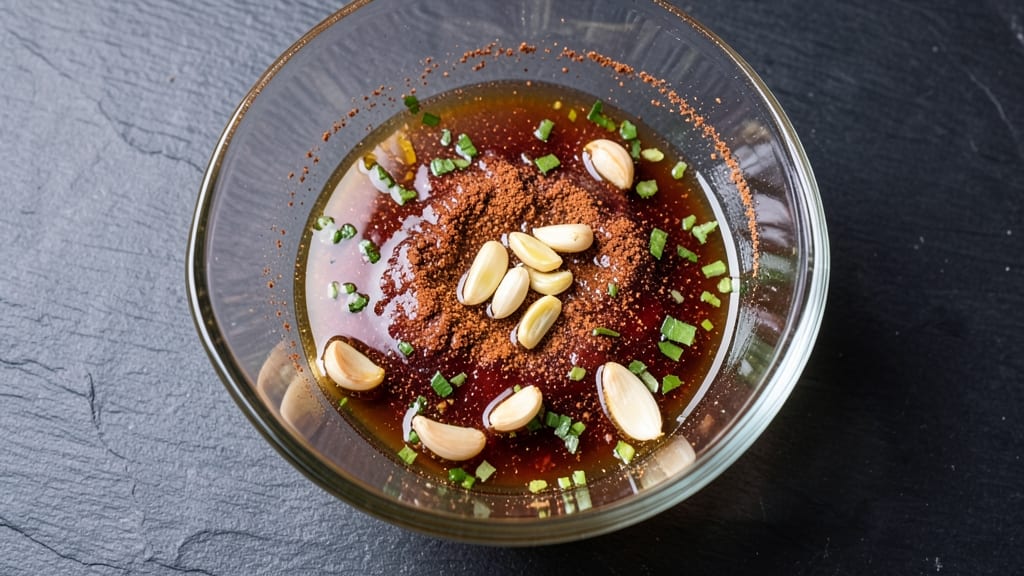
This beef spare ribs marinade transforms tough meat into tender, flavor-packed perfection in just 2 hours—no long overnight soak required. The secret lies in balancing bold spices, acidic components like apple cider vinegar, and aromatic oils that penetrate deep into the meat while keeping it juicy.
I developed this marinade after years of experimenting with commercial blends that always fell short of restaurant-quality depth.
What sets this marinade apart is its precise ratio of acidity to sweetness, which tenderizes without overpowering the beef's natural flavor. The combination of garlic, ginger, and smoked paprika creates layers of complexity that build as the ribs marinate, while the honey adds just enough caramelization to enhance browning later.
This isn't your typical sweet-and-sour blend—it's a carefully calibrated flavor bomb designed to make every bite unforgettable.
The result is ribs that develop a deep, caramelized crust while staying incredibly tender inside, with flavors that penetrate all the way to the bone. The marinade works equally well for grilling, smoking, or oven-roasting, though I recommend patting the ribs dry before cooking to ensure that perfect sear.
Store any unused marinade in the refrigerator for up to 5 days or freeze for longer shelf life.
Whether you're preparing for a weekend cookout or a weeknight dinner, this marinade delivers restaurant-quality results with minimal effort. The ingredients are simple—no specialty items required—but the flavor impact is anything but basic. Let's get started on unlocking those deep, penetrating flavors in your beef spare ribs.
Ingredients for beef spare ribs marinade
Nine ingredients blend into a marinade that transforms tough ribs into restaurant-quality bites.
| Ingredient | Amount | Notes |
|---|---|---|
| Apple Cider Vinegar 🍏 | ½ cup | Raw, unfiltered preferred |
| Honey 🍯 | ¼ cup | Wildflower or clover variety |
| Smoked Paprika 🌶️ | 1 tbsp | High-quality, not pre-mixed |
| Garlic Cloves 🧄 | 6 cloves | Freshly minced, not pre-minced |
| Fresh Ginger 🌿 | 1 tbsp | Finely grated, peeled |
| Olive Oil 🫒 | ¼ cup | Extra-virgin for richness |
| Brown Sugar 🍚 | 2 tbsp | Light or dark variety |
| Ground Black Pepper 🌶️ | 1 tsp | Freshly cracked preferred |
| Diamond Crystal Kosher Salt 🧂 | 1 ½ tsp | Adjust to taste |
| Worcestershire Sauce 🍶 | 1 tbsp | Original, not reduced |
The apple cider vinegar is non-negotiable here—it's the tenderizer that makes the magic happen. Raw, unfiltered vinegar from Bragg or local orchards has more depth than the filtered supermarket stuff. Honey should be wildflower or clover—avoid that overly processed grocery store brand. Smoked paprika? Penzeys or bulk bins at natural markets give you the real deal, not the dusty stuff in tiny jars. Fresh ginger and garlic are worth the extra minute to prep—pre-minced garlic loses its punch fast, and pre-grated ginger tastes like sawdust. The olive oil matters too—California avocado or Italian extra-virgin brands add subtle fruitiness that cuts through the richness of the ribs.
No apple cider vinegar? White vinegar or lemon juice works in a pinch, but you'll lose some complexity. Honey too expensive? Maple syrup at half the amount gets you close, though it's slightly heavier. Smoked paprika missing? Regular paprika plus a pinch of liquid smoke (just a teaspoon) mimics the effect. Worcestershire sauce unavailable? Soy sauce plus a dash of molasses creates a similar umami punch. Brown sugar can be swapped for white sugar or coconut sugar, though the caramelization will differ slightly. The kosher salt is where you can get creative—Maldon flakes add texture, while sea salt works fine if you've got it.
This marinade keeps beautifully—5 days in the fridge sealed tight, or 6 months frozen in ice cube trays. I always double the batch because it disappears fast. The unused portion? Pour it into a small glass jar with a tight lid—it's perfect for drizzling over grilled meats or even tossing with roasted vegetables. If you've got leftover ribs, this marinade reheats them like new—just warm it gently and baste away.
Why You'll Love This Recipe
- Five-Ingredient Magic: I swear by this combo—no fancy prep, just chop garlic and ginger, toss it all in a bowl. The apple cider vinegar cuts through the richness while the honey keeps it from being too sharp, and honestly? That smoked paprika gives it this depth that makes you want to lick the bowl.
- Sweet-Savory Balance: Between us, the honey and vinegar create this perfect push-pull that makes every bite addictive. The ginger adds a little kick, but it’s the garlic and paprika working together that turns good ribs into ridiculously good ribs—crispy outside, tender inside, with layers of flavor.
- Tailgate or Tuesday: This marinade works for everything—grill it for summer cookouts, slow-cook it for lazy Sundays, or even toss it on ribs for a weeknight dinner. My daughter’s soccer team’s been eating these for years, and she still begs for them when I bring them to school lunches.
- Marinade Leftovers = Magic: Make a double batch and save half for next time. The flavors actually improve after sitting overnight—yes, even on the ribs. I keep a jar in the fridge for when I crave that smoky-sweet taste without the fuss of making it fresh every time. (Pro tip: It’s also killer on chicken or pork chops.)
Step-by-step instructions for beef spare ribs marinade
This marinade delivers deep, smoky-sweet penetration in just two hours—no complicated techniques required.
Combine Wet Ingredients for a Balanced Base
In a medium mixing bowl, whisk together the 0.5 cup apple cider vinegar and 0.25 cup honey until fully incorporated. The vinegar's acidity will tenderize the meat while the honey adds natural sweetness that caramelizes beautifully during cooking. Let this mixture sit for 2 minutes while you prepare the remaining ingredients—this gives the honey time to slightly soften and blend smoothly.
Next, add the 0.25 cup olive oil and 1 tbsp Worcestershire sauce. Stir vigorously for 30 seconds until you achieve a homogeneous emulsion. The olive oil carries the marinade's flavors into the meat's fibers, while the Worcestershire sauce introduces that signature umami depth. Here's the thing—don't skip the whisking. You want every drop of oil suspended evenly throughout the liquid so it penetrates uniformly.
Incorporate Aromatics and Dry Seasonings
Add the 6 cloves minced garlic cloves and 1 tbsp finely grated fresh ginger to the bowl. Stir well to distribute these potent flavors evenly. The garlic should be finely minced—not chopped—so it dissolves completely into the marinade rather than settling at the bottom. For best results, use a microplane for the ginger to create a fine, paste-like texture that blends seamlessly.
In a separate small bowl, mix together the 1 tbsp smoked paprika, 2 tbsp brown sugar, 1.5 tsp diamond crystal kosher salt, and 1 tsp ground black pepper. Sprinkle this dry blend into the wet ingredients and stir thoroughly for 1 full minute using a silicone spatula. The smoked paprika adds that signature BBQ depth, while the brown sugar creates a subtle caramelized crust during cooking. Don't be tempted to rush this step—proper mixing ensures every rib gets the same flavor punch.
Test and Adjust the Marinade Balance
Taste the marinade immediately after combining all ingredients. At this stage, it should taste tangy from the vinegar, sweet from the honey and brown sugar, with a subtle smokiness from the paprika. The Worcestershire sauce should add that savory backbone. If the flavor feels too acidic, add 1 teaspoon more honey and stir. If it needs more depth, add ½ teaspoon more Worcestershire sauce.
Here's where it gets crucial: let the marinade rest for 15 minutes at room temperature before using. This allows all the flavors to meld together, creating a cohesive profile rather than individual components. The honey will become slightly more fluid, the spices will bloom, and the vinegar's sharpness will mellow. After resting, give it one final stir before applying to your beef spare ribs.
Apply and Marinate for Maximum Flavor Penetration
Place your beef spare ribs in a resealable plastic bag or shallow glass dish. Pour the marinade evenly over the ribs, ensuring every surface is coated. For best results, I like to use my hands to massage the marinade into the meat, especially focusing on the bone side where flavor often gets overlooked. Seal the bag or cover the dish and refrigerate for at least 2 hours, though I recommend 4 hours for maximum tenderness and flavor infusion.
Real talk: don't marinate longer than 8 hours or the acidity in the vinegar can start breaking down the meat fibers too aggressively. After marinating, pat the ribs dry with paper towels before cooking—this step is non-negotiable for developing that perfect bark. The residual moisture will evaporate during the cooking process, allowing the crust to form properly. Trust me, skipping this step means missing out on that coveted caramelized exterior.
Pro Tips For Making Beef Spare Ribs Marinade
- MINCE THAT GINGER: Don’t just chop it—grate the ginger with a microplane or finely mince it with a knife. The finer the texture, the smoother the flavor infusion into the ribs, especially when paired with the honey and vinegar. I used to slice it thinly, and it always sat like a weird textural afterthought.
- LET THE MARINADE WORK: Give the ribs at least 4 hours in the fridge—overnight is better. The apple cider vinegar needs time to tenderize, and the honey won’t caramelize properly if you rush it. I learned this the hard way when I slapped it on right before grilling and ended up with sticky, underflavored meat.
- BALANCE THE SWEET AND ACID: Taste the marinade before applying. If it’s too sharp from the vinegar, add another tablespoon of honey. If it’s cloying, splash in a little more vinegar. The ratio matters—you want the ribs to taste like a harmony, not a sugar rush or a pucker-fest.
- SKIP THE GARLIC PEELS: Smash the garlic cloves with the flat side of your knife before adding them to the marinade. This releases more flavor and prevents bitter almond-like aftertaste from the skins. I was skeptical until I tried it—now I never go back.
Common mistakes when making this recipe
Over-Marinating Risks
The biggest mistake I see is marinating beef spare ribs for too long—especially overnight. While acidity tenderizes meat, vinegar and citrus break down proteins aggressively after 8 hours, turning ribs mushy rather than tender.
I've ruined perfectly good beef this way. For this marinade, stick to 2-4 hours maximum—long enough for flavor penetration without compromising texture. 🌶️
Skipping the Rest Period
Many recipes don't mention letting the marinade rest before use, but this is crucial. When I first started making this marinade, I'd apply it immediately after mixing—big mistake. The flavors need 15 minutes at room temperature to meld properly.
The spices bloom, the honey softens, and the vinegar mellows. Skipping this step means your ribs will taste like separate ingredients rather than a cohesive flavor profile.
Uneven Coating Application
Pouring marinade over ribs without proper distribution leads to flavorless spots. I learned this the hard way when I first made this recipe—some ribs came out amazing while others tasted bland. Always coat ribs thoroughly, using your hands to massage the marinade into crevices, especially the bone side.
For a full rack, I recommend ½ cup marinade per pound of ribs to ensure complete coverage.
Not Patting Dry Before Cooking
This is the most common mistake I see with any meat marinade. Residual moisture prevents proper browning, resulting in pale, steamed ribs instead of that beautiful caramelized crust. After marinating, always pat ribs dry with paper towels—even if they feel wet.
I use two layers of paper towels for maximum absorption. This step is non-negotiable for developing that perfect bark that locks in all those marinade flavors.
Using Pre-Mixed Spices
Store-bought spice blends often contain fillers and lack freshness. When I first used generic smoked paprika from a tiny jar, my marinade tasted flat. Invest in quality spices like Penzeys smoked paprika or freshly ground black pepper.
The difference in flavor depth is night and day. For best results, use spices within 6 months of opening—older spices lose their punch and can make your marinade taste dull.
Ignoring the Bone Side
The bone side of spare ribs often gets neglected, but this is where flavor really develops. I've found that focusing marinade application here creates a flavor bridge between the meat and bone. Use your fingers to work the marinade into the crevices around the bones.
For extra insurance, I like to flip the ribs bone-side up in the marinating container—this ensures maximum surface area contact with the flavorful liquid. 💡
Nutrition facts
Frequently asked questions
Can I use this marinade for other types of meat?
This marinade works beautifully on chicken thighs, pork chops, or even salmon fillets. The apple cider vinegar and Worcestershire sauce provide enough acidity and umami to tenderize and flavor most meats, though you may want to reduce the marinating time to 1-2 hours for fish to avoid over-tenderizing. For chicken, 4-6 hours works perfectly.
How do I store leftover marinade?
Store unused marinade in an airtight container in the refrigerator for up to 5 days. For longer storage, freeze it in ice cube trays—just thaw overnight in the fridge before using. The frozen marinade keeps its flavor for 3 months. Pro tip: Use it to baste meats during cooking or as a glaze for grilled vegetables.
Can I make this marinade without Worcestershire sauce?
Yes! If you don't have Worcestershire sauce, substitute with 1 tbsp soy sauce plus ½ tsp molasses for similar umami depth. The molasses adds a caramelized note that complements the smokiness. For a vegetarian version, use 1 tbsp tamari plus ½ tsp liquid smoke—just reduce the honey slightly to balance the flavors.
Why does my marinade separate after mixing?
Separation happens when oil and vinegar aren't properly emulsified. Whisk vigorously for 30 seconds after adding the oil, or blend briefly with an immersion blender. For extra stability, add 1 tsp xanthan gum (common in baking) to thicken the mixture. Stir well before using—most separations resolve with proper mixing.
Can I use this marinade on frozen ribs?
No, never marinate frozen meat—it won't thaw evenly and can develop harmful bacteria. Thaw ribs completely in the refrigerator (24 hours for a full rack) before marinating. For a quick thaw, use the cold water method (sealed in a leak-proof bag for 1 hour max), then pat dry before marinating. Always cook ribs immediately after thawing.