
Main Courses
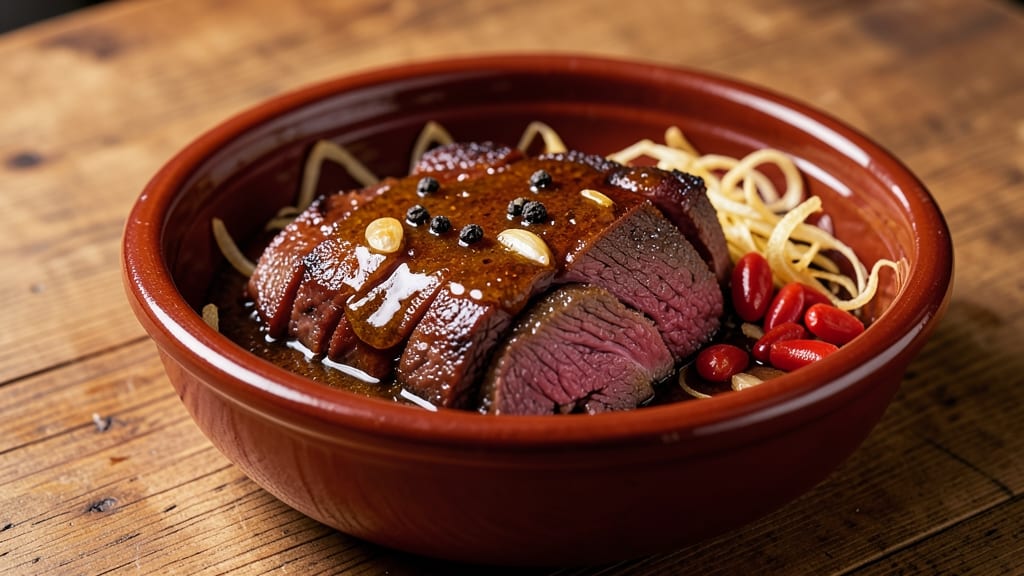
Filipino-style beef tongue transforms tough cuts into silky-smooth, garlicky bites that melt in your mouth, all thanks to a soy-vinegar marinade that works its magic over time. This dish is a centerpiece at family gatherings, where its rich umami flavor and tender texture make it impossible to resist.
The key lies in proper preparation—simmering the tongue just right to achieve that signature melt-in-your-mouth quality while balancing bold flavors.
What sets this recipe apart is the traditional Filipino technique of marinating in a tangy soy-vinegar mixture, which tenderizes the meat while infusing it with deep, savory notes. Unlike other beef dishes, the tongue requires patience—it needs to simmer for hours to break down collagen and achieve that luxurious texture.
The result? A dish that’s both hearty and delicate, with layers of garlic, soy, and vinegar that dance on your palate.
By the time you serve this dish, you’ll have perfectly tender beef tongue with a glossy, caramelized exterior and a melt-in-your-mouth interior. The soy-vinegar glaze adds a sticky-sweet contrast that elevates every bite, making it a standout main course.
Pair it with steamed rice and a simple green salad to let the flavors shine. This recipe delivers restaurant-quality results at home with just a few key steps.
The beauty of this dish is its versatility—it works as a festive centerpiece or a comforting weeknight meal. Once you master the technique, you’ll find yourself reaching for beef tongue again and again. Let’s get started on creating this Filipino classic that’s sure to impress.
Ingredients for beef tongue filipino
Six ingredients transform tough beef tongue into melt-in-your-mouth Filipino magic.
| Ingredient | Amount | Notes |
|---|---|---|
| Beef Tongue 🥩 | 4 lb | Fresh, cleaned, and trimmed |
| Soy Sauce 🍶 | ½ cup | High-quality, preferably Japanese |
| White Vinegar 💧 | ¼ cup | White distilled vinegar preferred |
| Garlic Cloves 🧄 | 12 cloves | Peeled and smashed |
| Brown Sugar 🍯 | ¼ cup | Light or dark, packed |
| Black Peppercorns 🌶️ | 1 tbsp | Crushed, not ground |
| Bay Leaves 🍃 | 2 whole | Dried, for infusion |
| Onion 🧅 | 1 whole | Yellow, sliced thick |
| Fresh Ginger 🧡 | 2 tbsp | Finely grated, aromatic |
| Olive Oil 🫒 | 2 tbsp | Extra-virgin for richness |
| Salt 🧂 | 1 ½ tsp | Kosher or sea salt |
| Water 💧 | 4 cups | For simmering liquid |
| Green Onions 🧅 | 4 whole | For garnish, chopped |
The beef tongue is the star—look for bright red, firm cuts with minimal fat at Asian markets or specialty butchers. Freshness matters here; the tongue should smell clean, not ammonia-like. If you can't find it fresh, frozen works too (thaw overnight in the fridge). The soy sauce and vinegar duo is non-negotiable—Japanese soy sauce has the right balance of salt and umami. I grab mine from Trader Joe's or Costco in bulk. For the garlic, peel and smash it (don't chop)—this releases more flavor during the long simmer.
No soy sauce? Coconut aminos or tamari work in a pinch, but the flavor won't be identical. Vinegar substitute? Lemon juice or apple cider vinegar at the same amount. The ginger can be swapped for 1 tsp ground ginger, but fresh is worth it here. Brown sugar sticking? Pack it tightly in the measuring cup—it makes a difference. For the bay leaves, if you only have one, that's fine, but two ensures deeper flavor. The green onions are just for garnish—skip if you're not a fan, but they add a nice fresh finish.
This dish tastes even better the next day, so make it ahead. Store in the fridge for up to 5 days in its cooking liquid. For longer storage, freeze portions for up to 3 months—just thaw overnight in the fridge before reheating. The tongue reheats beautifully; simmer gently with a splash of water until warmed through. I always double the batch because it disappears fast—perfect for meal prep or family gatherings.
Why You'll Love This Recipe
- One-Pot Magic: Honestly, I love recipes that don’t require a million dishes—just a deep pan, some beef tongue, and a splash of vinegar. The garlic and soy sauce caramelize right into the meat while you simmer, so you’re basically hands-off after the initial prep.
- Umami Bomb: That beef tongue? It’s like a flavor sponge—soaks up the soy and brown sugar until it’s ridiculously tender with a glossy, sticky glaze. The vinegar cuts through the richness just enough to keep every bite balanced, and the garlic? Oh, it’s there—in the best way.
- Lunchbox Hero: Between us, this is my go-to for packed lunches. Slice it cold or warm, and it holds up for days—no soggy sandwiches here. My kids actually ask for it, and I’ve even brought it to potlucks (it’s a crowd-pleaser, no cap).
- Budget Power Move: A single beef tongue feeds my family for days—way cheaper than buying steaks or chicken. The ingredients? Pantry staples. The leftovers? Just as good reheated. I’ll be real: this recipe saved me from takeout more times than I can count.
Step-by-step instructions for beef tongue Filipino-style
Here's how to transform tough beef tongue into melt-in-your-mouth silkiness with aromatic depth.
Prepare the Beef Tongue for Maximum Tenderness
Begin by scoring the surface of the 4 lb beef tongue in a crosshatch pattern using a sharp knife. This creates channels that allow the marinade to penetrate deeply and helps break down connective tissue during cooking. Be firm but don't cut too deep—you want to expose the meat without piercing through.
Place the scored tongue in a large pot and cover it completely with 4 cups water. Bring to a rolling boil over high heat, then immediately reduce to a gentle simmer. Skim off any foam that rises to the surface during the first 10 minutes of cooking—this removes impurities that could make the final dish bitter. Simmer uncovered for 2 hours, maintaining a steady gentle bubble on the surface. The tongue is ready when it's fork-tender and pulls apart easily with minimal resistance.
Build the Signature Soy-Vinegar Marinade
While the tongue simmers, combine 0.5 cup soy sauce, 0.25 cup white vinegar, 0.25 cup brown sugar, 1 tbsp crushed black peppercorns, 2 whole bay leaves, 1 whole yellow onion (sliced thick), 2 tbsp finely grated fresh ginger, 2 tbsp olive oil, and 1.5 tsp salt in a large mixing bowl. Stir until the brown sugar dissolves completely and the ginger is evenly distributed throughout the liquid. This marinade is the soul of your dish—its balance of sweet, salty, tangy, and aromatic elements creates that unmistakable Filipino flavor profile.
Real talk: Don't skip the vinegar. It's what transforms this simple braise into something extraordinary by cutting through the richness of the beef tongue and adding that signature tang. The brown sugar here isn't just for sweetness—it helps caramelize slightly during cooking, adding depth of flavor that you won't get with plain sugar.
Braise the Tongue in Flavorful Perfection
Carefully transfer the cooked tongue to a large braising dish or Dutch oven. Pour the marinade over the top, ensuring it completely covers the meat. Bring the mixture to a simmer over medium heat, then reduce to the lowest setting possible while still maintaining a gentle simmer. The goal is to keep the liquid at 180-190°F—just below a full boil where it maintains movement but doesn't violently bubble.
Cover the dish with a tight-fitting lid and let it braise for 2 hours. Here's the thing—this isn't just about cooking the meat. The prolonged simmer allows all those beautiful flavors to meld together, creating a sauce that's rich, complex, and perfectly balanced. Check occasionally to ensure the liquid hasn't evaporated completely—add 2 tablespoons water if it reduces too much. The tongue is done when it's so tender it practically falls apart with gentle pressure from a fork.
Finish with Garlicky Brilliance
Remove the lid and increase heat to medium. Add the 12 smashed garlic cloves and stir gently to distribute them evenly around the tongue. Let the mixture simmer uncovered for 15-20 minutes, allowing the garlic to infuse its aromatic oils into the braising liquid. You'll know it's ready when the garlic turns golden and the sauce reduces slightly, creating a glossy sheen that indicates concentration of flavors.
Taste the sauce and adjust seasoning if needed—you might want to add a splash more soy sauce for saltiness or a touch of white vinegar for acidity. The sauce should be rich but not cloying, with the garlic adding that final layer of complexity that makes this dish truly special. Remove the bay leaves and onion slices at this point—they've done their job infusing flavor.
Serve with Fresh Garnish
Carefully transfer the beef tongue to a serving platter, spooning some of the braising sauce over the top. Let it rest for 5 minutes before slicing—this allows the juices to redistribute throughout the meat, ensuring each bite is moist and flavorful. Use a sharp knife to slice the tongue into ½-inch thick pieces against the grain for maximum tenderness.
Garnish each serving with chopped green onions just before serving. The fresh, bright flavor of the green onions cuts through the richness of the braised tongue, adding a final pop of color and freshness that makes the dish visually appealing and complete. Serve immediately with steamed rice to soak up that incredible sauce—every bite should deliver that perfect balance of silky texture and complex, garlicky flavor.
Pro Tips For Making Beef Tongue Filipino
- Simmer Slow and Steady: Beef tongue needs patience—don’t rush the braising. After the initial sear, drop the heat to a low simmer (just bubbles, not a rolling boil) and cover partially. I learned this the hard way: high heat turns the meat tough. Let it cook for 2–2.5 hours, stirring occasionally, until a fork slides in like butter.
- Score Deep Before Browning: That vinegar-soy glaze won’t stick if you skip scoring. Use a sharp knife to cut shallow, crosshatch patterns (about ½-inch deep) all over the tongue before searing. It keeps the meat from curling up and lets the garlic and brown sugar penetrate like they’re supposed to. (Yes, it looks butcher-y, but the texture is worth it.)
- Balance Vinegar with Sugar: White vinegar packs a punch, but too much will make your dish taste harsh. For every ¼ cup of vinegar, add 1–2 tablespoons of brown sugar early in the cooking process—not just at the end. This rounds out the acidity and caramelizes into a glossy, slightly sweet-savory crust. (Trust me, your taste buds will notice.)
- Save Time with Cold Start: No need to thaw the tongue overnight. Toss it in ice water for 30–45 minutes while you prep the garlic and brown sugar mixture—it’ll soften enough for scoring and searing. Cold start = less waiting, no soggy texture. (I know, I know—it’s not the full thaw, but it works in a pinch.)
Serving suggestions for leftovers
Classic Filipino Plating
Serve the beef tongue on a large platter with the rich soy-vinegar sauce generously spooned over the top. I like to arrange the slices in a circular pattern, creating an elegant presentation that highlights the dish's luxurious texture.
For extra flair, drizzle a thin line of soy sauce around the edges of the platter before adding the meat. 🌟
Accompany with steamed white rice (about 1 cup per person) to soak up the flavorful sauce. The rice should be fluffy and hot—jasmine rice works perfectly here. For a complete Filipino meal, add a side of garlic fried rice or sinigang (sour tamarind soup) to balance the richness.
Modern Garnish Twists
While traditional Filipino plating focuses on simplicity, you can elevate the dish with modern garnishes. Try sprinkling toasted sesame seeds (about 1 tbsp) over each serving for nutty crunch. A few cilantro leaves add freshness, while crispy fried shallots provide a delightful contrast in texture. 💫
For a smoky touch, finish with a sprinkle of smoked paprika (about ½ tsp) or a drizzle of chili oil. These additions complement the dish's natural flavors without overpowering them. I especially love this when serving to guests who enjoy bold, layered tastes.
Sauce Presentation
Don't let the delicious sauce go to waste! Offer it on the side in small bowls for dipping, or create a sauce boat at the center of the table. For extra presentation, strain the sauce through a fine-mesh sieve to remove any solids, then chill it slightly before serving.
The cooled sauce has a more refined texture that pairs beautifully with the warm beef tongue. ✨
For a restaurant-worthy touch, ladle the warm sauce over individual portions just before serving. The heat contrast makes each bite even more satisfying. I often use a small ladle with a long handle to drizzle the sauce artistically over the meat.
Vegetable Pairings
Balance the richness of the beef tongue with light, fresh vegetables. A simple mixed greens salad with lime vinaigrette (made with 2 tbsp lime juice, 3 tbsp olive oil, and 1 tsp honey) cuts through the fat beautifully. Add sliced cucumbers and radishes for extra crunch. 🥗
For a more substantial vegetable side, try steamed bok choy with garlic or blanched green beans*. Both retain their vibrant color and crisp texture, providing a refreshing contrast to the tender beef tongue.
I like to toss the green beans with a pinch of sesame oil and toasted sesame seeds after cooking.
Nutrition facts
Frequently asked questions
Why does Filipino beef tongue need such a long cooking time?
The extended simmering—4 hours total—is essential to break down the tough connective tissue in beef tongue. This slow process transforms it into silky-smooth bites while allowing the soy-vinegar marinade to deeply penetrate. Think of it like braising short ribs, but with a Filipino flavor twist that makes every bite worth the wait.
Can I substitute regular vinegar for white vinegar?
While apple cider or rice vinegar work in a pinch, white vinegar is preferred for its sharp acidity that cuts through the richness. For best results, use white vinegar—it creates that signature tangy balance that defines Filipino-style dishes. If you must substitute, use equal parts lemon juice instead.
How do I know when the beef tongue is fully tender?
It's done when a fork slides in with minimal resistance and the meat pulls apart easily. For extra assurance, press a small section—if it gives way like butter, it's perfect. Overcooking can make it mushy, so aim for 2 hours of simmering after the initial boiling phase.
Is this dish safe to eat raw or undercooked?
Never! Beef tongue must be cooked to an internal temperature of 160°F to be safe. The long simmering process ensures it's fully cooked while achieving that signature tenderness. Raw or undercooked beef tongue poses serious health risks—always follow the recipe's cooking times.
Can I make this recipe in an Instant Pot?
Yes, but with adjustments. Sauté the aromatics first, then add the tongue and 1 cup liquid (instead of 4 cups). Cook on high pressure for 60 minutes, then natural release for 15 minutes. Finish with the garlic and sauce as directed. The texture will be slightly different but still delicious!