
Snacks
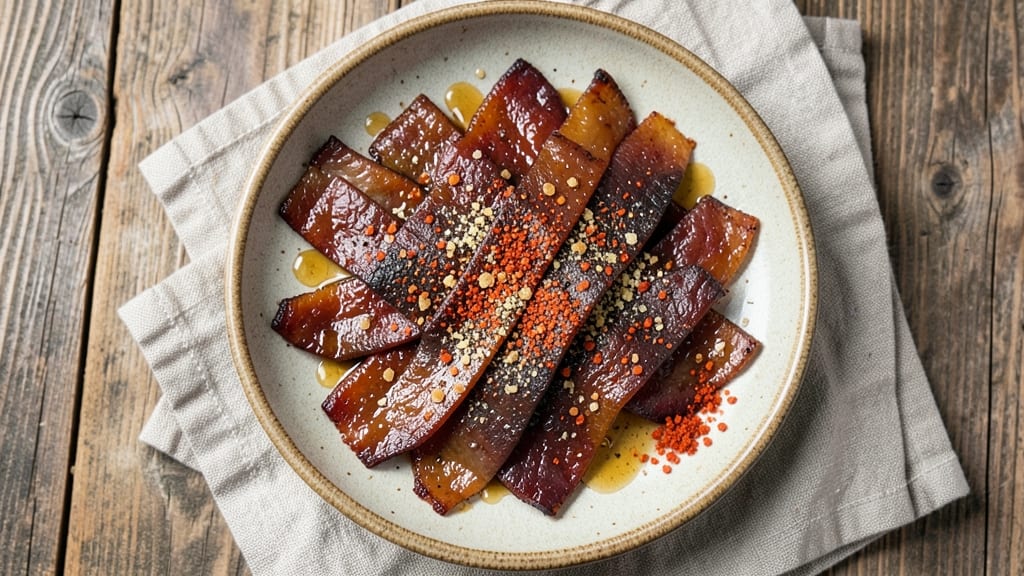
Creating beef tongue jerky transforms a humble cut into a smoky, chewy snack that rivals store-bought versions—but with restaurant-quality depth. The key lies in that perfect spice crust, where sweet and smoky flavors meld into every bite.
I first discovered this technique while experimenting with offal cuts in my Boston kitchen, and it quickly became a favorite for game days and travel snacks.
This recipe starts with proper preparation: boiling the tongue to remove impurities, then slicing it thin for even drying. The seasoning blend—smoked paprika, brown sugar, and a touch of cayenne—creates that signature crust that locks in moisture while delivering bold flavor.
Whether you use a dehydrator or oven, the process is straightforward but requires patience for that ideal chewy texture.
What you’ll end up with is jerky that’s tender yet firm, with a glossy spice crust that’s impossible to resist. The smoky-sweet balance makes it versatile enough for snacks, charcuterie boards, or even gourmet sandwiches.
Safety is critical here, so we’ll cover proper drying times and storage to ensure your jerky stays fresh and safe to eat.
Ready to master this technique? Let’s walk through each step—from prepping the tongue to achieving that perfect chewy finish. Here’s everything you need to know for foolproof results.
Ingredients for beef tongue jerky
Fourteen ingredients. One extraordinary snack. Perfect for game days and travel.
| Ingredient | Amount | Notes |
|---|---|---|
| Beef Tongue (Fresh) 🐄 | 1 lb | Whole, cleaned and trimmed |
| Smoked Paprika 🌶️ | ¼ cup | High-quality, not pre-mixed |
| Brown Sugar 🍚 | ¼ cup | Light or dark variety |
| Granulated Garlic Powder 🧄 | 2 tbsp | Freshly ground preferred |
| Ground Black Pepper 🌶️ | 1 ½ tbsp | Freshly cracked black peppercorns |
| Cayenne Pepper 🔥 | 1 tsp | Adjust for heat preference |
| Ground Cumin 🌿 | 1 tbsp | Toasted for deeper flavor |
| Kosher Salt 🧂 | 1 tbsp | Diamond Crystal preferred |
| Apple Cider Vinegar 🍏 | ¼ cup | For marinade and tenderizing |
| Worcestershire Sauce 🍶 | 1 tbsp | For umami depth |
| Olive Oil 🫒 | 1 tbsp | Extra-virgin for richness |
| Onion Powder 🧅 | 1 tbsp | For subtle sweetness |
| Fresh Lemon Juice 🍋 | 2 tbsp | Brightens the flavor profile |
The beef tongue is the star—look for fresh, whole tongues at specialty butchers or high-end grocery stores like Whole Foods. Trader Joe's often carries them too, so check their meat section. Size matters: a 1-pound tongue is ideal for 4 servings, but you can scale up if you're feeding a crowd. If it smells funky or has a slimy texture, skip it—freshness is key. The tongue needs to be cleaned thoroughly before cooking, so plan for an extra 20 minutes of prep time. Costco sometimes sells pre-cleaned tongues, which saves time but costs more. For the best flavor, buy organic if possible—it’s noticeably less gamey.
No smoked paprika? Substitute half sweet paprika and half liquid smoke—it’s not identical, but it’ll get you close. Running low on apple cider vinegar? White vinegar or lemon juice works in a pinch, though the flavor will be sharper. The Worcestershire sauce is non-negotiable for that deep umami kick, but if you’re avoiding it, soy sauce or fish sauce can stand in. For the spice blend, toast the cumin seeds in a dry pan for 30 seconds before grinding—it makes a world of difference. If you’re sensitive to heat, reduce the cayenne to half a teaspoon or swap it for a pinch of smoked paprika. The lemon juice can be bottled, but fresh is always better.
Store your jerky in an airtight container with parchment paper between layers to prevent sticking. It’ll keep for 2-3 weeks at room temperature, but for longer storage, vacuum-seal it—it’ll last up to 6 months in the pantry. Freezing isn’t recommended as it can alter the texture. If you’re making this ahead of time, slice the tongue and marinate it up to 24 hours before drying, but don’t let it sit longer than that or the flavors will meld too much. For serving, pair it with sharp cheddar and crackers or toss it into a charcuterie board with nuts and dried fruit.
Why You'll Love This Recipe
- Five-Ingredient Magic: I swear, this recipe is one of those rare ones where you measure, mix, and forget about it. No fancy techniques—just a bowl, a brush, and your oven doing all the heavy lifting while you sip coffee.
- Smoky-Sweet Obsession: That combo of smoked paprika and brown sugar? It’s like a slow dance of heat and sweetness that clings to the tongue (literally) with every bite. The garlic powder ties it all together—savory, deep, and impossible to resist.
- Snack Attack Ready: Between us, I’ve eaten this straight from the fridge at 3 AM, packed it in lunchboxes for my kids, and even used it to top salads when I’m feeling fancy. It’s jerky, but it’s also a protein powerhouse that works anywhere.
- Budget Bulk Winner: A whole beef tongue costs less than a steak, and this recipe stretches it into enough jerky to feed my family for days. Honestly, I buy it in bulk now—it’s my go-to for cheap, filling snacks that don’t skimp on flavor.
Step-by-step instructions for smoky-sweet beef tongue jerky
Here's how to transform tough beef tongue into tender, chewy jerky with a perfect smoky-sweet crust.
Prepare the Beef Tongue for Maximum Tenderness
Begin by soaking the 1 lb beef tongue in cold water for 12-24 hours to remove any impurities and begin the tenderizing process. I use a large bowl or container with enough water to fully submerge the tongue. Change the water after 6 hours to ensure thorough cleaning. After soaking, drain and pat the tongue completely dry with paper towels—this step is critical for the spice crust to adhere properly.
Next, place the tongue in a large pot and cover it with fresh cold water. Add 1 tablespoon kosher salt and 1 tablespoon onion powder directly to the pot. Bring to a boil over medium-high heat, then immediately reduce to a simmer for 3-4 hours. The tongue is ready when it's fork-tender and can be easily pierced with a knife. Here's the thing—don't rush this step. The slow simmer breaks down collagen and transforms the tough muscle into something silky and flavorful.
Create the Signature Spice Crust
While the tongue simmers, combine 0.25 cup smoked paprika, 0.25 cup brown sugar, 2 tablespoons granulated garlic powder, 1.5 tablespoons ground black pepper, 1 teaspoon cayenne pepper, 1 tablespoon ground cumin, 1 tablespoon kosher salt, 1 tablespoon Worcestershire sauce, and 1 tablespoon olive oil in a medium bowl. Mix thoroughly until the spices form a coarse, evenly distributed paste. This is your flavor foundation—the combination of sweet and smoky elements creates that irresistible crust.
Once the tongue is tender, drain it and let it cool slightly. Then, generously coat every surface with the spice mixture, pressing it firmly into the meat. I like to use my hands for this—it ensures even coverage and helps the spices penetrate slightly. Place the coated tongue on a wire rack set over a baking sheet lined with parchment paper. This elevation is key; it allows air to circulate around all sides for even drying.
Marinate and Dehydrate for Perfect Texture
In a separate bowl, whisk together 0.25 cup apple cider vinegar and 2 tablespoons fresh lemon juice. This acidic marinade not only tenderizes the meat further but also balances the sweetness of the crust. Place the spice-coated tongue in a resealable plastic bag and pour the vinegar-lemon mixture over it. Seal the bag and refrigerate for 6-12 hours, turning occasionally to ensure even exposure to the marinade. The acid works its magic during this time, breaking down proteins and infusing deep flavor.
After marinating, remove the tongue from the bag and pat it dry once more. Preheat your dehydrator to 160°F (or use a low oven setting with the door slightly ajar). Place the tongue on the wire rack and dehydrate for 8-12 hours, depending on your equipment and desired chewiness. You'll know it's ready when the surface is dry to the touch and the internal temperature reaches 165°F when checked with a meat thermometer. This slow drying process preserves moisture while developing that perfect jerky texture—chewy on the outside, tender within.
Rest and Slice for Optimal Flavor Distribution
Once fully dehydrated, remove the jerky from the dehydrator and let it rest at room temperature for 1 hour. This resting period allows the flavors to fully meld and the texture to stabilize. The crust should be firm and slightly crisp, while the interior remains moist and tender. Here's where it gets fun—slice the tongue against the grain into ¼-inch thick pieces. The grain direction is visible as subtle muscle fibers running through the meat.
Package the sliced jerky in an airtight container or vacuum-sealed bag. For best results, store in the refrigerator for up to 2 weeks or freeze for 3 months. The flavors continue to develop over time, making this jerky even more delicious with each passing day. Serve with your favorite dips or enjoy as a standalone snack—you'll be amazed at how this simple process transforms humble beef tongue into something extraordinary.
Pro Tips For Making Beef Tongue Jerky
- Trim the Fat First: I learned this the hard way—skipping this step means your jerky will taste like a greasy, chewy mess. Use a sharp knife to slice away the thick fat layer on the outside of the tongue before slicing; aim for ¼-inch thick slices. The leaner the cut, the better it’ll dry and absorb flavor.
- Cure It Overnight: Don’t rush the curing stage. After coating the slices in your dry rub (paprika, sugar, garlic, pepper), let them sit uncovered in the fridge for 12–24 hours. This isn’t just waiting—it’s letting the sugar break down the proteins so the jerky stays tender, not brittle. (Yes, even if you’re impatient like me.)
- Skip the Direct Sun: I used to hang my jerky outside in summer, and it turned out like leather. For beef tongue, use a dehydrator set to 160°F or an oven with the door propped open for airflow. Check slices at 4–6 hours—they should be dry but still pliable. Overcooking makes them tough, and nobody wants that.
- Mix Wet and Dry Rubs: Sounds weird, but it works: after applying the dry rub, brush the slices with a light mix of water and brown sugar (1:1 ratio) before dehydrating. The sugar caramelizes slightly, giving your jerky a subtle gloss and deeper flavor. Just don’t drown it—one quick coat is enough.
Serving suggestions for this dish
Game Day Essentials
This jerky is a game-changer for tailgates and football gatherings. I love serving it alongside sharp cheddar cubes and sliced apples—the sweetness of the fruit cuts through the smoky-sweet crust beautifully.
For a heartier spread, pair it with crusty baguette slices and whipped honey butter for dipping. The combination of textures and flavors makes it irresistible during long games. 🏈
Charcuterie Board Star
Elevate your charcuterie board by placing the jerky alongside provolone slices, cornichons, and walnuts. The smoky-sweet notes complement the creamy cheese and tangy pickles perfectly. For a Boston-inspired twist, I add local cranberry sauce and sharp white cheddar—it’s a crowd-pleaser at any gathering.
Arrange the jerky in a fan shape for visual appeal. 🧀
Travel Snack Perfection
Pack individual portions in small reusable bags for on-the-go snacking. The jerky’s chewy texture and bold flavor make it ideal for road trips or hikes. I like to portion it with dark chocolate-covered almonds for a sweet-savory combo.
Store in a cool bag to maintain freshness during long outings. This is my go-to snack for weekend adventures. 🚗
Gourmet Sandwich Upgrade
Slice the jerky thinly and layer it between toasted sourdough and goat cheese for a sophisticated sandwich. Add arugula, roasted red peppers, and a drizzle of balsamic glaze for a restaurant-worthy bite. The smoky-sweet crust adds depth to any sandwich, making it perfect for lunch or dinner. 🥪
Dessert Pairing Surprise
Yes, jerky can be part of dessert! Pair it with dark chocolate truffles or salted caramel squares for a sweet-and-savory contrast. The bold flavors balance the richness of chocolate beautifully. I’ve even served it with vanilla ice cream and honey drizzle—it’s a unique twist that surprises guests. 🍫
Gift-Worthy Presentation
Package the jerky in small wooden boxes or cellophane bags tied with twine for a thoughtful gift. Add a handwritten note about the smoky-sweet flavor profile and how it’s perfect for snacks or charcuterie boards. This makes a memorable gift for foodie friends or holiday hosts. 🎁
Nutrition facts
Frequently asked questions
Why does beef tongue jerky need such a long soaking time?
The 12-24 hour soak removes impurities and begins tenderizing the tough muscle fibers. Beef tongue has a dense structure that requires this preparation to achieve the perfect chewy texture. Changing the water after 6 hours ensures maximum cleanliness. Skipping this step can leave your jerky tough and flavorless.
Can I use an oven instead of a dehydrator?
Preheat your oven to 160°F with the door slightly open for airflow. Place the tongue on a wire rack over a baking sheet and dehydrate for 8-12 hours, checking periodically. A meat thermometer should read 165°F internally when done. Just be patient—rushing can leave it rubbery.
How do I know when the jerky is fully dried?
Look for three key signs: the surface should feel dry to the touch, the edges should be slightly crisp, and a meat thermometer should read 165°F internally. If it's still pliable, continue drying for 1-2 more hours. Over-drying makes it brittle, while under-drying risks spoilage. Always err on the side of caution.
What's the best way to store homemade beef tongue jerky?
Keep it in an airtight container with parchment paper between layers to prevent sticking. It stays fresh for 2-3 weeks at room temperature or 3 months in the freezer. Vacuum sealing extends shelf life to 6 months while preserving texture. Never store it in humid conditions—moisture is jerky's enemy.
Can I make this jerky without Worcestershire sauce?
Yes, but the flavor will be less complex. Substitute with 1 tablespoon soy sauce or 1 teaspoon fish sauce for umami depth. The smoky-sweet balance will still work, though Worcestershire's tangy richness is hard to replicate. For a vegetarian version, use 1 tablespoon tamari instead.