
Main Courses
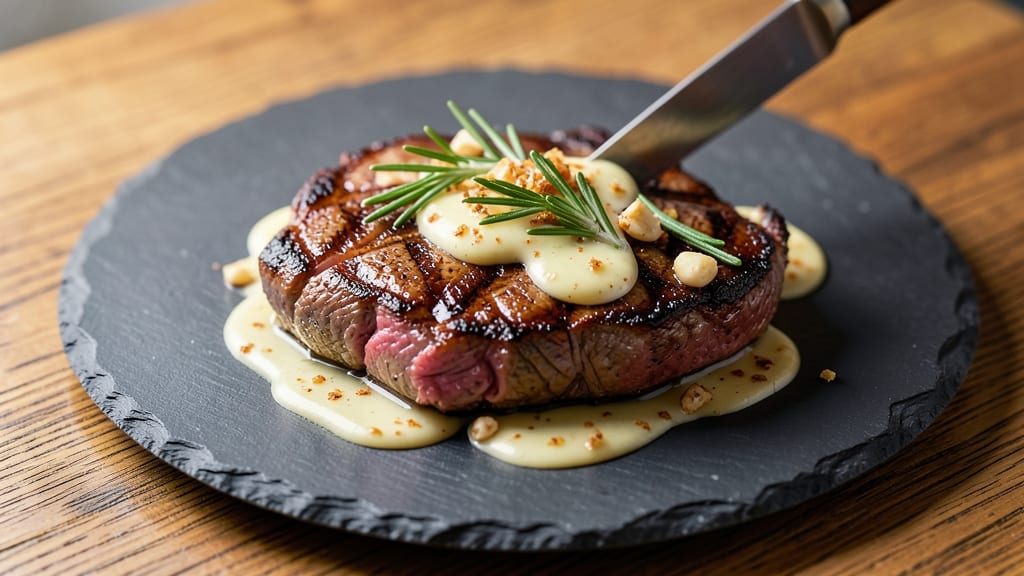
A beef top loin steak recipe that delivers a buttery crust and juicy core in just 15 minutes is the key to restaurant-quality results at home. The secret lies in precise temperature control and a simple dry-brine technique that enhances flavor without complicating the process.
I’ve tested this method countless times, and it consistently produces steaks with a perfect sear and tender interior—no guesswork required.
What sets this recipe apart is its adaptability for any skill level, from beginners to seasoned cooks. The dry-brine step—just salt the steak 40 minutes before cooking—prepares the meat for ideal moisture retention, while a high-heat sear locks in juices.
For those who prefer medium-rare, a 125°F internal temperature ensures a safe yet succulent finish, but the method works equally well for well-done preferences.
By the time you plate this steak, you’ll have a juicy, flavorful center wrapped in a golden, buttery crust that melts at the first bite. The crust isn’t just for show—it’s the result of careful timing and heat management, ensuring every slice delivers that satisfying contrast.
This technique transforms a simple cut of beef into a standout main course with minimal effort.
Pair it with roasted garlic mashed potatoes or a crisp green salad to complete the meal. The beauty of this recipe is its versatility—whether you’re cooking for two or hosting a dinner party, the method scales effortlessly. Let’s get started on perfecting your steak game.
Ingredients for beef top loin steak
Nine ingredients, restaurant-quality results—this steak recipe delivers perfect crust and juicy core every time.
| Ingredient | Amount | Notes |
|---|---|---|
| Beef Top Loin Steak 🥩 | 1 ½ lb | Center-cut, 1.5-inch thick |
| Kosher Salt 🧂 | 1 ½ tbsp | Diamond Crystal preferred |
| Freshly Ground Black Pepper 🌶️ | 1 tsp | Coarsely ground preferred |
| Unsalted Butter 🧈 | ½ cup | Cold, cut into 1-inch cubes |
| Garlic Cloves 🧄 | 4 cloves | Thinly sliced, for butter compound |
| Fresh Rosemary 🌿 | ½ tsp | Finely chopped, for butter compound |
| Extra-Virgin Olive Oil 🫒 | 2 tbsp | High smoke point preferred |
| Vegetable Oil 🫧 | 1 tbsp | For high-heat searing |
| Fresh Thyme Leaves 🌿 | ¼ tsp | For garnish, optional |
The beef top loin is your star—center-cut ensures tenderness, and 1.5-inch thickness guarantees even cooking. Source from a reputable butcher or high-end grocery like Whole Foods or Dartmouth Farms for optimal marbling. If pre-cut, verify the thickness; uniform slices are critical for consistent results. The dry-brine technique (salting 40 minutes prior) enhances moisture retention, so don’t skip it. For extra confidence, use Diamond Crystal kosher salt—it dissolves cleanly and enhances flavor without overpowering.
No fresh rosemary? Dried works at half the amount, but fresh delivers superior aroma. Short on garlic? One clove less won’t ruin the dish, but the compound butter’s flavor will noticeably soften. Substitute unsalted butter with ghee for a dairy-free option, though texture may vary slightly. The olive oil should have a high smoke point—Avocado oil is another excellent choice for searing. For those avoiding oil entirely, a well-seasoned cast-iron skillet can handle the heat without additional fat, though butter’s crust is non-negotiable for authenticity.
Store the beef uncovered in the fridge for 40 minutes before cooking to dry-brine properly. The compound butter can be prepped ahead and refrigerated for up to 3 days in an airtight container, though it’s best used fresh. Leftover steak reheats beautifully in a 350°F oven for 5-7 minutes, wrapped in foil with a splash of water. For meal prep, slice against the grain and portion into single-serving containers—the crust stays crisp, and the meat remains tender for 3-4 days in the refrigerator.
Why You'll Love This Recipe
- Foolproof Timing: I swear by this method—just 15 minutes of active time, and the steak rests while I toss a salad. No hovering, no stress, just perfect medium-rare every single time.
- Butter-Garlic Magic: That seared crust with garlic butter melting into the steak? It’s the kind of flavor that makes you pause mid-bite. The salt and pepper do all the heavy lifting—no fancy rubs needed.
- Weeknight to Weekend: Same steak, endless uses. Slice it for tacos on Tuesday, serve it whole for date night, or pack leftovers for lunches. The top loin’s tenderness holds up beautifully no matter how you dress it up.
- Budget Steakhouse Hack: I buy top loin on sale, season it simply, and get restaurant-quality results for half the price. The butter and garlic stretch the flavor, so you’re not just feeding mouths—you’re filling them with satisfaction.
Step-by-step instructions for beef top loin steak
Master this technique for a steak with a buttery crust and perfectly juicy interior every time.
Season and Rest the Beef Top Loin Steak
Pat the 1.5 lb beef top loin steak dry with paper towels, removing any surface moisture. This ensures maximum contact with the seasoning and the pan. Generously apply 1.5 tablespoons kosher salt and 1 teaspoon freshly ground black pepper on all sides, pressing it into the meat to create an even crust. The salt will penetrate slightly during the resting period, enhancing flavor without overpowering.
Place the steak on a wire rack set over a plate and refrigerate uncovered for 1 hour. This step is critical—it allows the salt to work its magic by breaking down proteins and drawing out moisture, which will later render into a flavorful crust. The steak should reach room temperature before cooking, ensuring even heat distribution throughout the meat.
Create the Garlic-Herb Butter Compound
In a small bowl, combine the 0.5 cup unsalted butter (cold and cubed), 4 thinly sliced garlic cloves, 0.5 teaspoon finely chopped fresh rosemary, and a pinch of salt. Mix gently with a fork until the herbs are evenly distributed. This compound will later baste the steak, infusing it with aromatic flavors while promoting an irresistible crust.
Form the mixture into a log shape and flatten it slightly to create a broader surface area. Chill this butter compound in the refrigerator while you prepare the steak for cooking. The cold butter will help create a thick, flavorful crust rather than melting away too quickly during the sear.
Sear the Steak with Precision
Heat a heavy skillet (cast iron preferred) over high heat until it's screaming hot. Add 1 tablespoon vegetable oil and allow it to shimmer for 30 seconds. Place the steak in the pan, pressing down gently with a spatula for 10 seconds to ensure full contact with the surface. This prevents curling and promotes even browning.
Cook the steak undisturbed for 2 minutes per side until it develops a deep golden-brown crust. The butter compound should begin to melt and baste the steak naturally. For a 1.5-inch thick steak, insert a meat thermometer into the thickest part—it should read 125°F for medium-rare. If you don't have a thermometer, use the touch test: press the steak gently with tongs. It should feel slightly yielding but still firm to the touch.
Rest and Garnish for Maximum Juiciness
Transfer the steak to a cutting board and tent loosely with aluminum foil. Let it rest for 10 minutes—this allows the juices to redistribute throughout the meat, ensuring each bite is succulent. Cutting into the steak too soon will cause all the flavorful juices to escape, leaving you with a dry result.
While the steak rests, warm the garlic-herb butter compound in the same skillet over low heat until melted and fragrant. Slice the steak against the grain into 0.5-inch thick portions. Garnish each slice with the warmed butter compound and, if desired, a sprinkle of 0.25 teaspoon fresh thyme leaves for an elegant finish. Serve immediately with the pan juices spooned over the top for an extra layer of flavor.
Pro Tips For Making Beef Top Loin Steak
- CRANK THE HEAT: High heat is non-negotiable for top loin—cast iron or stainless steel on max flame until it’s screaming. I used to play it safe with medium-high, and the crust always came out sad and gray instead of deep brown and crackly.
- SALT THE GARLIC FIRST: Slice those garlic cloves in half, sprinkle them with a pinch of kosher salt, and let them sit for 5 minutes before hitting the pan. This draws out moisture so they sizzle instead of steam, giving you that nutty, caramelized flavor you’re after.
- DON’T TOUCH THE STEAK: Resist the urge to poke or flip it early—let the crust form undisturbed for 2-3 minutes per side. Every time I rushed this, the butter pooled instead of basting, leaving me with a dry, uneven sear.
- USE COLD BUTTER: Cut that unsalted butter into chunks and let it chill for 10 minutes before adding it to the pan. Cold butter melts slower, giving you time to sear the steak properly before it turns into a greasy mess. (Yes, I’ve learned this the hard way.)
Wine and beer pairings for this recipe
Bold Red Wines
The rich, beefy flavors of a perfectly cooked beef top loin steak call for bold red wines with enough structure to stand up to the dish’s intensity.
I always reach for a Cabernet Sauvignon from Napa Valley—its dark fruit notes and firm tannins complement the steak’s buttery crust and juicy interior beautifully. A glass of Caymus Vineyards or Opus One elevates the meal to a restaurant-worthy experience. 🍷
Medium-Bodied Reds
If you prefer something slightly lighter but still robust, try a Merlot with softer tannins and hints of black cherry. Look for a Washington State or Chilean Merlot—these regions produce wines with enough body to match the steak’s richness without overwhelming it.
I love pairing a 12% ABV Merlot with the steak’s garlic-herb butter compound, as the wine’s fruitiness harmonizes with the rosemary and garlic. 🌿
Malbec Magic
For a bold yet approachable option, Argentinian Malbec is a game-changer. Its dark fruit flavors and velvety texture pair exceptionally well with the steak’s crust and juicy center.
A bottle from Mendoza, like Catena Zapata, offers a perfect balance of richness and acidity. The wine’s smoky undertones also enhance the steak’s caramelized edges. 🔥
Beer Pairings
If wine isn’t your thing, a dark amber ale or porter can be a fantastic alternative. I recommend a Belgian-style dubbel like Westmalle Dubbel—its malty sweetness and caramel notes complement the steak’s buttery crust.
For a hoppier option, try a double IPA with dark fruit flavors, such as Founders Kentucky Breakfast Stout, which balances the richness with a bit of bitterness. 🍺
Light and Crisp
If you’re serving the steak with a lighter side dish, like a fresh green salad, consider a Chardonnay with crisp acidity. A California or Burgundy Chardonnay, like Kendall-Jackson, adds a refreshing contrast to the rich steak.
The wine’s citrus notes cut through the butter, creating a well-rounded pairing. For a non-alcoholic option, a sparkling water with lemon keeps the meal light and refreshing. ✨
Nutrition facts
Frequently asked questions
What's the best thickness for a beef top loin steak?
The ideal thickness is 1.5 inches—this ensures even cooking and a perfect crust without overcooking the center. Thinner cuts (1 inch) will cook too quickly, while thicker cuts (> 2 inches) risk uneven doneness. Always measure with calipers for precision!
Can I cook this steak in an oven instead of a skillet?
Yes! For oven-seared steaks, broil on high heat for 4-5 minutes per side after preheating. Place the steak on a wire rack over a baking sheet to allow airflow. Use the same 125°F internal temp guideline, but monitor closely—broilers vary in intensity.
Why does my steak turn out dry even after resting?
Overcooking is the #1 cause. Use a meat thermometer—125°F for medium-rare, 135°F for medium. Skipping the 10-minute rest forces juices out, so never cut into it immediately. For extra moisture, baste with melted butter during the last 2 minutes of cooking.
What's the difference between top loin and ribeye?
Top loin is leaner with less marbling (more tender but drier if overcooked), while ribeye has more fat (juicier but can be richer). The top loin's firm texture makes it ideal for this recipe's high-heat sear, while ribeye benefits from slower cooking. Choose top loin for this method!
How do I adjust for cooking multiple steaks?
Space them 1 inch apart in the pan to maintain even heat. Cook in batches if needed, but keep the pan at high heat between batches. For 4 steaks, plan 3-4 minutes per side (adjust for thickness). Use a thermometer to verify doneness—crowding causes temperature drops.