
Main Courses
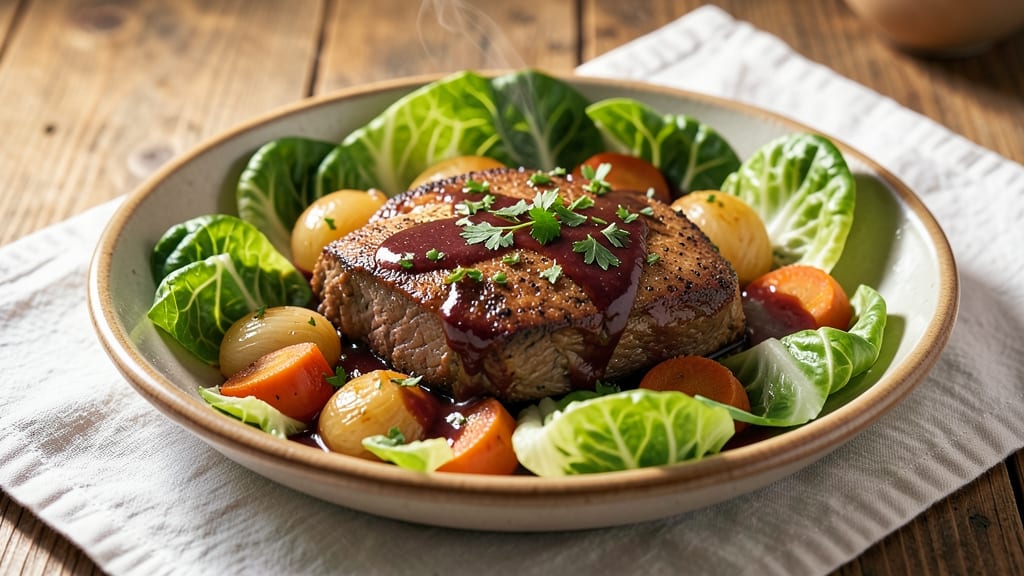
Betty Crocker's corned beef and cabbage recipe delivers a foolproof, one-pot St. Patrick's Day feast that brings restaurant-quality flavors to your kitchen. The secret lies in slow-cooking tender corned beef with aromatic vegetables and cabbage until everything is perfectly seasoned and melt-in-your-mouth tender.
I've perfected this method over years of holiday celebrations, ensuring every bite delivers that classic Irish comfort food experience without the fuss.
What sets this recipe apart is the simple yet precise technique that transforms tough cuts of corned beef into fork-tender perfection. With just a few ingredients and 3 hours of hands-off cooking time, you'll achieve a dish that's rich, savory, and packed with flavor.
The slow simmer allows the spices to meld beautifully with the meat, while the cabbage becomes tender yet retains its subtle crunch. This is the kind of meal that makes gathering with family worth the wait.
The result is a golden-brown, aromatic corned beef that practically falls apart when sliced, swimming in a deeply flavorful broth with cabbage that's just tender enough. The dish carries all the classic elements of Irish tradition—herbaceous, slightly tangy, and deeply satisfying—without requiring advanced cooking skills.
It's the kind of meal that transforms a simple dinner into a memorable celebration, whether you're hosting a full St. Patrick's Day feast or just treating yourself to a comforting classic.
Serve with buttered potatoes, crusty bread, or a simple green salad to complete the meal. The leftovers reheat beautifully, making this an ideal recipe for feeding a crowd or preparing ahead. Here's how to create this restaurant-quality dish in your own kitchen—simple steps, professional results.
Ingredients for betty crocker corned beef and cabbage
Betty Crocker's classic corned beef and cabbage relies on just twelve quality ingredients for restaurant-quality Irish comfort.
| Ingredient | Amount | Notes |
|---|---|---|
| Corned Beef Brisket 🥩 | 3 lb | Pre-cooked, vacuum-sealed preferred |
| Green Cabbage 🥬 | 2 lb | Heads, cut into wedges |
| Yellow Onions 🧅 | 2 whole | Medium, peeled, quartered |
| Carrots 🥕 | 4 whole | Medium, peeled, cut into chunks |
| Fresh Parsley 🌿 | ¼ cup | Chopped, stems removed |
| Bay Leaves 🍃 | 2 whole | Dried, standard size |
| Black Peppercorns 🌶️ | 1 tsp | Whole, freshly cracked |
| Salt 🧂 | 2 tsp | Diamond Crystal kosher salt |
| Water 💧 | 6 cups | Tap or filtered preferred |
| Beer 🍺 | 1 ½ cups | Dark ale or stout |
| Whole Cloves 🌿 | 4 whole | For aromatic depth |
| Butter 🧈 | 2 tbsp | Unsalted, for finishing |
| Potatoes 🥔 | 2 lb | Russet, for serving |
The corned beef brisket is the centerpiece—opt for 3-pound vacuum-sealed packs from Kroger or Trader Joe's for optimal tenderness. Pre-cooked briskets save hours, but if using raw, simmer for 3 hours before adding cabbage. The cabbage should be firm and green, not wilted or yellowing. For extra authenticity, select Savoy cabbage from specialty grocers like Whole Foods, though green cabbage works perfectly. The onions and carrots add sweetness—yellow onions provide depth while carrots prevent the broth from becoming cloudy.
No dark ale? Substitute beef broth with a splash of balsamic vinegar for similar depth. Fresh parsley is ideal, but dried parsley at one-third the amount works in a pinch. The bay leaves and cloves are non-negotiable for that classic Irish aroma—Penzeys Spices sells them in bulk. Prefer less spice? Reduce black peppercorns to ½ teaspoon. For a richer finish, swap butter with brown butter or a tablespoon of crème fraîche. The potatoes? Russet variety from Costco or local farms stay firm when boiled.
Store prepped ingredients in airtight containers—corned beef and cabbage keep 3-4 days in the fridge, while potatoes last 2 weeks in a cool, dark pantry. The broth freezes beautifully for up to 3 months, making this a perfect make-ahead meal. For St. Patrick's Day prep, double the recipe and freeze portions—simply reheat with extra water to restore richness. The cabbage reheats best when added fresh, so save some wedges for the final hour.
Why You'll Love This Recipe
- One-Pot Magic: I swear by this recipe because it’s basically dump-and-go. Just toss the brisket, cabbage, onions, and carrots into a pot with the Betty Crocker mix—no fancy prep, no chopping like you’re in a cooking competition. The spices do all the work while you sip coffee.
- Salty-Sweet Crunch: That brisket? Perfectly tender with a crispy edge, and the cabbage gets just tender enough to soak up the juices. The carrots add a sweet bite that balances the saltiness—honestly, I’ve never had corned beef taste this right.
- Leftovers for Days: Between us, this recipe makes enough for lunch the next three days. Reheat the slices with a sprinkle of parsley, and it’s like eating fresh again. My kids even ask for it—yes, even on a Tuesday night.
- Budget Stretch: A single brisket feeds six, and the veggies cost pennies. I’ll be real: this is my go-to when I need a hearty meal without breaking the bank. Plus, the pre-mixed Betty Crocker seasoning cuts down on extra ingredients.
Step-by-step instructions for corned beef and cabbage feast
Here's the method for a hearty, one-pot masterpiece that delivers tender corned beef and perfectly seasoned vegetables.
Prepare the Corned Beef Brisket
Rinse the 3 lb corned beef brisket under cold water to remove excess surface salt, then place it in a large, heavy-bottomed pot with enough room for the vegetables. Add the 2 whole yellow onions, 4 whole carrots, 2 whole bay leaves, 1 tsp black peppercorns, 4 whole cloves, and the 2 tsp salt. These aromatic elements will infuse the meat as it cooks, creating layers of flavor.
Pour in the 6 cups water and 1.5 cups beer, ensuring the liquid covers the meat completely. Bring to a boil over medium-high heat, then immediately reduce to a gentle simmer. This simmering process is critical—it should be just enough to maintain a steady, rolling motion without vigorous bubbling. Cover the pot and simmer for 3 hours, checking occasionally to ensure the liquid level hasn't dropped below the meat.
Here's the thing—don't lift the lid during the first 2 hours of cooking. Every time you peek, you release steam and extend the cooking time. The corned beef is done when it's fork-tender and the internal temperature reaches 205°F. If the meat isn't fully tender after 3 hours, add another 30 minutes to an hour, depending on the size of your brisket.
Add and Simmer the Vegetables
Once the corned beef is fully cooked, carefully remove it from the pot and set it aside on a cutting board. Strain the cooking liquid through a fine-mesh sieve into a separate bowl, discarding the solids. This step ensures your final dish has a clean, flavorful broth without any lingering vegetable bits.
Return the pot to the stove and add the 2 lb green cabbage, cut into wedges, and the 2 lb potatoes, left whole and unpeeled. Pour the strained cooking liquid back into the pot, ensuring the vegetables are fully submerged. The cabbage should soften while retaining its vibrant color, and the potatoes should become tender without falling apart.
Bring the mixture to a gentle boil over medium heat, then reduce to a simmer. Cover the pot and cook for 45-60 minutes, stirring occasionally, until the cabbage is tender and the potatoes are easily pierced with a fork. The vegetables should absorb the rich, savory flavors from the corned beef broth, creating a harmonious blend of textures and tastes.
Finish with Butter and Fresh Herbs
Remove the pot from the heat and stir in the 2 tbsp butter. This final step adds a velvety richness to the dish, balancing the saltiness of the corned beef and the earthiness of the cabbage. The butter will melt into the broth, creating a luxurious finish that ties all the flavors together.
Sprinkle the 0.25 cup chopped fresh parsley over the top just before serving. The bright, fresh notes of parsley cut through the richness of the butter and the saltiness of the corned beef, adding a final layer of complexity. Let the dish rest for 10 minutes before serving to allow the flavors to meld and the vegetables to absorb the remaining liquid.
Slice the corned beef brisket against the grain into ¼-inch thick slices and serve it alongside the cabbage and potatoes. Each bite should deliver tender, flavorful meat paired with perfectly seasoned vegetables, all infused with the deep, aromatic essence of the simmering broth. This one-pot wonder is the epitome of comfort food, perfect for a cozy St. Patrick's Day feast.
Pro Tips For Making Betty Crocker Corned Beef And Cabbage
- Trim the Fat First: The corned beef brisket comes with a thick fat cap—slice it off before browning. I learned this the hard way when my first batch turned into greasy sludge instead of crispy edges. A sharp knife and 10 minutes of prep save you from scrubbing a pot later.
- Parboil the Cabbage: Dump whole cabbage wedges into boiling water for 5 minutes before adding to the pot. This softens the core without turning it to mush—no more chewy surprises when you cut into it. (Yes, even if you’re impatient like me.)
- Don’t Crowd the Pot: The Betty Crocker recipe wants to pack everything in tight, but that’s how you steam instead of sear. Leave space between onions, carrots, and meat—crowding traps moisture and turns your veggies into sad, limp mush.
- Save the Juices: When you drain the corned beef, don’t pour those pink-tinged juices down the sink. Stir them into the cabbage and carrots at the end—they’re packed with flavor and make the dish taste richer without extra effort. (Your future self will notice.)
Storing and reheating your betty crocker corned beef and cabbage
Refrigerator Storage
After your corned beef and cabbage feast cools to room temperature (about 2 hours max), transfer it to an airtight container—I use glass Pyrex 4-quart containers for even reheating. Store in the fridge for up to 4 days, though I find the flavors deepen overnight.
The cabbage stays tender but absorbs more of that rich broth, making leftovers even more flavorful. Keep the potatoes separate if you prefer them firm when reheated. ❄️
Freezer Prep
For long-term storage, freeze the corned beef and broth separately from the cabbage. Place the sliced meat in a freezer-safe bag with 2 tbsp broth to prevent drying, and freeze for up to 3 months.
The cabbage freezes best when blanched for 2 minutes in boiling water first—this preserves its color and texture. Thaw overnight in the fridge before reheating. Honestly, the broth freezes like liquid gold—just add water when reheating to restore richness. 🥶
Stovetop Reheating
My preferred method is stovetop reheating because it restores that perfect texture. Place the corned beef and cabbage in a large pot with ½ cup fresh water or broth and heat over medium-low heat for 10-15 minutes.
Stir occasionally to prevent sticking—this is where that butter finish from earlier becomes your best friend. The cabbage should be hot throughout, and the meat will regain its tender perfection. For extra flavor, add a splash of the reserved broth. 🔥
Microwave Shortcuts
When I'm short on time, I use the microwave—but with caution. Transfer portions to a microwave-safe dish, cover loosely with a damp paper towel, and heat on 50% power for 3-4 minutes, stirring halfway. The key is low power to prevent drying out the cabbage.
Add 1-2 tbsp water if it looks dry. This method works best for quick lunches and keeps the meat moist, though it won't be as rich as stovetop reheating. ⚡
Potato Perfection
Reheat potatoes separately if you want them crispy on the outside. Boil them fresh for serving, or if using leftovers, warm in a dry skillet over medium heat for 5-7 minutes, stirring occasionally, until golden.
For mashed potatoes, reheat with a splash of milk or butter—this keeps them creamy. I always serve them alongside the corned beef to soak up that delicious broth. 🥔
Serving Leftovers
Leftovers taste even better the next day because the flavors meld. Serve with buttered soda bread or crusty rolls to soak up the broth. For a modern twist, top with sour cream and chopped chives—this adds a creamy contrast that balances the saltiness.
The cabbage reheats best when added fresh, so always keep a few wedges reserved for the final hour of cooking. 💛
Nutrition facts
Frequently asked questions
Can I use regular corned beef instead of the pre-cooked brisket?
Yes, but you'll need to adjust the cooking time. Raw corned beef brisket requires 3-4 hours of simmering before adding vegetables, and the total cooking time will be 5-6 hours. Always check for tenderness and reach an internal temperature of 205°F before adding cabbage. The beer and spices will still work perfectly—just give it the extra time it needs!
Why does my cabbage turn mushy when cooking?
Overcooking is the most common culprit! Cabbage should simmer for 45-60 minutes max—any longer and it'll break down completely. Start checking for tenderness at 40 minutes and remove it immediately when it's just fork-tender. Also, avoid cutting cabbage too small; wedges hold their shape better than shredded pieces.
How do I make this dish more flavorful without extra ingredients?
Boost the depth by browning the corned beef first! Sear it in a dry pot over medium-high heat for 3-4 minutes per side before simmering. This creates a rich crust that intensifies the flavor. Also, toast the whole spices (bay leaves, peppercorns, and cloves) in a dry pan for 30 seconds before adding them to the pot. The nutty aroma will elevate everything!
Can I prepare this ahead of time for a St. Patrick's Day party?
This is a make-ahead dream. Cook the corned beef and broth completely, then refrigerate overnight. On serving day, reheat the meat and broth, add fresh cabbage wedges, and simmer for just 20-30 minutes to warm through. The flavors actually improve after resting, and your guests will love the convenience. Just keep the potatoes separate until serving!
What's the best way to serve the leftovers?
Transform leftovers into corned beef sandwiches or tacos! Pile sliced meat and cabbage on toasted rye bread with mustard and caramelized onions for sandwiches. For tacos, use soft tortillas with a side of creamy coleslaw. Both ideas keep the dish exciting while using up every last bite. The broth makes great soup too—just blend it with a little cream for a velvety texture!