
Soups & Stews
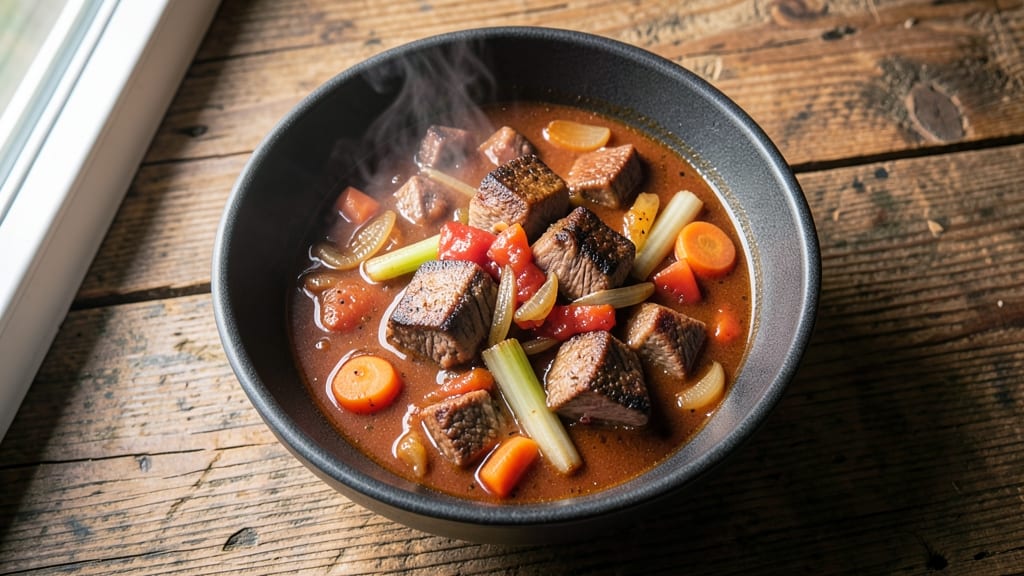
Betty Crocker's old-fashioned beef stew recipe delivers the kind of hearty, slow-simmered comfort that transforms tough cuts into melt-in-your-mouth tenderness.
This isn't just a stew—it's a foolproof method for creating restaurant-quality depth using simple pantry staples, where every ingredient plays a role in building rich, complex flavor over hours of gentle cooking. The secret lies in proper browning and layering spices, techniques that elevate humble ingredients into something extraordinary.
What sets this recipe apart is its professional approach to home cooking—no shortcuts, just time-honored methods that deliver consistent results. You'll start with a deeply caramelized beef base that forms the foundation, then build layers of vegetables and aromatics that soften perfectly while maintaining their natural sweetness.
The slow simmer develops a broth so flavorful it coats every bite, turning this into a meal that feeds both body and soul.
The final result is a velvety, deeply satisfying stew where tender beef and vegetables float in a rich, aromatic broth that's impossible to resist. This is the kind of dish that tastes even better the next day, making it perfect for meal prep or feeding a crowd.
Each spoonful delivers the perfect balance of savory, sweet, and umami—proof that old-fashioned cooking techniques still reign supreme in modern kitchens.
Whether you're serving it as a centerpiece for family dinners or enjoying it as a comforting solo meal, this beef stew lives up to its name with every authentic detail preserved. The recipe maintains Betty Crocker's signature reliability while bringing professional-level results to your home stove.
Ready to create this timeless classic? Here's everything you need to know to make it perfectly every time.
Ingredients for betty crocker old fashioned beef stew
Sixteen ingredients transform tough beef into velvety perfection through slow-simmered alchemy.
| Ingredient | Amount | Notes |
|---|---|---|
| Chuck Roast 🥩 | 3 lb | Well-marbled, cut into 1.5-inch cubes |
| Yellow Onions 🧅 | 2 whole | Medium, sliced into half-moons |
| Carrots 🥕 | 4 whole | Medium, peeled and cut into chunks |
| Celery Stalks 🌿 | 4 whole | Fresh, cut into 1-inch pieces |
| Garlic Cloves 🧄 | 6 cloves | Fresh, minced for depth |
| Tomato Paste 🍅 | 2 tbsp | High-quality, unsweetened |
| Beef Broth 💧 | 6 cups | Homemade or premium low-sodium |
| Red Wine 🍷 | 1 cup | Dry, full-bodied like Cabernet |
| All-Purpose Flour 🌾 | 2 tbsp | For thickening, sifted |
| Worcestershire Sauce 🍶 | 1 tbsp | High-quality, authentic |
| Dried Thyme 🌿 | 1 tsp | Fresh preferred, but dried works |
| Bay Leaves 🌿 | 2 whole | Fresh, for aromatic depth |
| Black Peppercorns 🌶️ | 1 tsp | Freshly cracked, coarse |
| Salt 🧂 | 2 tsp | Diamond Crystal kosher preferred |
| Olive Oil 🫒 | 2 tbsp | Extra-virgin, for searing |
The chuck roast is non-negotiable—its marbling delivers unmatched richness. Butcher shops often carry it pre-cut, but if buying whole, ask for a well-marbled section near the shoulder. For the best flavor, source from local farms or high-end grocers like Whole Foods or Wegmans, where the meat is typically fresher. The onions, carrots, and celery form the 'holy trinity' of stew vegetables—fresh, crisp produce ensures vibrant color and sweetness that balances the beef's depth. If using frozen, thaw completely and pat dry to prevent excess moisture in the pot.
No red wine? Substitute beef broth with 1 tbsp balsamic vinegar for acidity. The tomato paste can be swapped for 1 cup crushed tomatoes, though paste delivers more concentrated umami. Worcestershire sauce is essential—Lea & Perrins is the gold standard, but avoid reduced-sodium versions. For dried thyme, use one-third the amount of fresh if substituting, and crush the leaves between your fingers to release oils. The bay leaves should be lightly bruised before adding to enhance their aroma. If your recipe calls for flour, ensure it's sifted to avoid lumps that can make the stew cloudy.
This stew improves dramatically overnight—reheat gently on low heat to preserve texture. Store in an airtight container for up to 5 days in the fridge or 3 months frozen. For meal prep, portion into individual containers and freeze with a layer of broth on top to prevent freezer burn. The beef will tenderize further during reheating, so under-promise on doneness—it's designed to become fork-tender during the simmer. Leftovers make excellent sandwich fillings or can be repurposed into shepherd's pie.
Why You'll Love This Recipe
- One-Pot Magic: I swear by this stew because it’s literally one pot—no chopping chaos, no extra bowls. Toss in the chuck roast, rough-chop the onions and carrots (no fancy dice needed), and let the slow simmer do the work. Even my toddler could handle the prep if I let her.
- Deep, Rich Flavor: That chuck roast? It turns insanely tender, falling apart at the touch of a spoon. The garlic and onions caramelize just enough to coat every bite in this savory, almost smoky depth—like a hug in a bowl. (Yes, even on a Tuesday night.)
- Leftovers That Beg for More: This stew tastes better the next day—honestly, it’s my go-to for meal prep. Pack it in containers for lunches, or freeze half for when you’re too tired to cook. My husband always asks for seconds, and that’s the real test.
- Budget-Friendly Crowd-Pleaser: You’re getting a whole roast for a fraction of the cost of steaks, and the veggies stretch it into a hearty meal. Feed four for dinner, six for leftovers, and no one will complain. (Between us, this is how I survive grocery bills.)
Step-by-step instructions for Betty Crocker's old fashioned beef stew
This classic method delivers deep, rich flavors through precise technique and patience.
Sear the Chuck Roast for Maximum Flavor
Heat a heavy Dutch oven over medium-high heat until hot. Add the 2 tablespoons olive oil and swirl to coat the bottom. Working in batches if needed, add the 3 lb chuck roast cut into 1.5-inch cubes, arranging them in a single layer. Let them sear undisturbed for 3-4 minutes until deeply browned on all sides.
Don't crowd the pan—this ensures proper browning. The goal is to develop a rich, caramelized crust that will form the flavor foundation for your stew. Once all pieces are browned, transfer them to a plate and set aside. You'll notice the aroma intensify as the meat releases its natural juices into the pot.
Build the Aromatic Vegetable Base
In the same Dutch oven, add the 2 whole yellow onions sliced into half-moons, 4 whole carrots cut into chunks, and 4 whole celery stalks cut into 1-inch pieces. Cook over medium heat for 8-10 minutes, stirring occasionally, until the vegetables soften and begin to brown slightly.
This step develops the stew's fundamental flavors through the Maillard reaction. Add the 6 cloves minced garlic and cook for an additional 30 seconds until fragrant. The garlic should sizzle gently but not burn—this ensures it adds sweet, aromatic depth rather than bitter notes. Remove the vegetables to the plate with the roast.
Develop the Sauce Foundation
Reduce heat to medium-low and stir in the 2 tablespoons tomato paste, coating the bottom of the pot. Cook for 2 minutes until the paste darkens slightly. Sprinkle the 2 tablespoons all-purpose flour over the paste and stir vigorously for 1 minute to remove any raw flour taste and create a smooth roux.
Here's the thing—this step prevents a thin, watery stew. The flour will thicken the sauce as it simmers, creating that perfect balance of richness and body. Pour in the 1 cup red wine and scrape up any browned bits from the bottom of the pot. Let it simmer for 3-4 minutes until the wine reduces by half and the mixture thickens slightly.
Combine and Simmer for Tender Perfection
Return all the meat and vegetables to the Dutch oven. Add the 6 cups beef broth, 1 tablespoon Worcestershire sauce, 1 teaspoon dried thyme, 2 whole bay leaves, 1 teaspoon coarsely cracked black peppercorns, and 2 teaspoons salt. Stir gently to combine, being careful not to break up the meat pieces.
Bring the mixture to a gentle simmer, then reduce heat to low. Cover and let it cook for 2.5 hours, stirring occasionally. The stew should bubble softly—this gentle heat ensures the meat becomes fork-tender without falling apart. Check seasoning after 1 hour and adjust if needed, as flavors concentrate during cooking.
Finish and Rest for Optimal Texture
Once the stew has simmered for 2.5 hours, remove the 2 bay leaves and adjust the seasoning if necessary. The stew should be thick enough to coat a spoon but still have a slightly saucy consistency. If it's too thick, add a splash of water or broth to reach your preferred texture.
Let the stew rest for 15-20 minutes before serving. This resting period allows the flavors to meld completely and the meat to reabsorb any released juices. The result is a stew where each bite delivers perfectly tender beef, richly flavored vegetables, and a sauce that coats every spoonful with velvety depth.
Pro Tips For Making Betty Crocker Old Fashioned Beef Stew
- SEAR THE CHUCK ROAST: The Betty Crocker recipe might skip this, but browning the chuck roast first makes a real difference—it adds depth. Heat your Dutch oven until smoking hot, pat the meat very dry with paper towels, then sear 3-4 minutes per side until deep brown. I used to rush this, and the stew always tasted flat afterward.
- CHOP VEGETABLES UNIFORM: Onions, carrots, and celery should be cut into matching ½-inch chunks—no tiny celery spears or giant onion wedges. The recipe calls for "diced," but uneven pieces mean some veggies turn mushy while others stay crunchy. Take the extra 5 minutes now to save yourself from a sad, uneven stew later.
- SKIP THE BOILING: The recipe might say to simmer uncovered, but I learned the hard way—boiling stews evaporates too much liquid and makes the meat tough. Keep it at a gentle simmer where bubbles barely break the surface. If it’s rocking, lower the heat or add a splash of water. Your chuck roast will thank you.
- SAVE TIME WITH FROZEN GARLIC: Fresh garlic cloves are great, but minced frozen garlic works just as well here—no chopping, no burning. Just toss the required 2 cloves (minced) straight into the pot with the other aromatics. The texture blends in perfectly, and it’s a game-changer when you’re already juggling a million things. (Yes, even if you’re skeptical.)
Make-ahead tips for this dish
Prep Ahead Strategy
Start by prepping all ingredients the night before—chop onions, carrots, and celery into uniform pieces and store in a ziplock bag in the fridge. Cut the beef into 1.5-inch cubes and refrigerate uncovered on a plate for 30 minutes to dry the surface slightly.
This prevents excess moisture in the pot, ensuring better browning later. 🌟
Slow Cooker Adaptation
For hands-off cooking, brown the beef and vegetables as directed, then transfer everything to a 6-quart slow cooker. Add all remaining ingredients and cook on LOW for 8 hours or HIGH for 5 hours.
The slow cooker maintains consistent low heat, which is ideal for tenderizing the beef without constant monitoring. I use a Hamilton Beach slow cooker for even heat distribution.
Freezer-Friendly Prep
Assemble the stew completely (including the wine and broth) and simmer for 2 hours before freezing. Portion into airtight freezer-safe containers or quart-sized freezer bags, leaving 1-inch headspace for expansion. Label with the date—this stew stays delicious for up to 3 months.
When ready to eat, thaw overnight in the fridge and reheat on the stovetop over medium-low heat for 15-20 minutes.
Make-Ahead Serving Tips
If prepping for a crowd, cook the stew 1 day ahead and refrigerate in the Dutch oven. Reheat gently on the stove over low heat for 20-25 minutes, stirring occasionally. The flavors deepen overnight, making it even more comforting.
For serving, ladle into pre-warmed bowls to maintain temperature and garnish with fresh parsley or a drizzle of high-quality olive oil for brightness. 💡
Portion Control for Meal Prep
Divide the stew into individual meal prep containers (I use Glasslock containers) with 1 cup of stew per serving. Store in the fridge for up to 5 days or freeze for 3 months.
When reheating, microwave on medium power for 2-3 minutes, stirring halfway, or use the stovetop method for better texture. This approach keeps portions consistent and reheating efficient for busy weeknights.
Flavor Boost After Resting
After the stew has rested, taste and adjust seasonings—often, a pinch of salt or a splash of beef broth is needed. For extra richness, stir in 1 tablespoon butter or 1 teaspoon balsamic vinegar just before serving.
The resting period allows flavors to meld, so don’t skip it! This step ensures every spoonful is perfectly balanced and deeply satisfying. ✨
Nutrition facts
Frequently asked questions
Can I use a different cut of beef for this stew?
While chuck roast is ideal for its marbling and tenderness, you can substitute with brisket or stew meat (like round or rump). Avoid lean cuts like sirloin—they won't become tender enough. If using brisket, cut it into 1-inch cubes and trim excess fat to prevent greasiness in the broth.
Why does my stew turn out watery?
Watery stews usually happen from one of three issues: not browning the meat enough, adding too much liquid, or skipping the flour roux. Always sear the beef until deeply browned, measure your broth carefully (start with 6 cups), and cook the flour into the tomato paste to thicken the sauce. If it's still too thin, simmer uncovered for 10-15 minutes to reduce.
How can I make this stew faster without a slow cooker?
Use a pressure cooker (like Instant Pot) for a quicker version: Sear the beef and veggies, then cook on high pressure for 45 minutes with all ingredients. For stovetop speed, use a heavy pot and simmer uncovered on medium-low heat for 2 hours, stirring occasionally to reduce liquid faster. The meat will still be tender, though flavors won't develop as deeply.
What are the best sides to serve with this stew?
This rich stew pairs perfectly with crusty bread (like a baguette) to soak up the broth, mashed potatoes for creaminess, or egg noodles for a heartier meal. For a lighter option, serve with steamed green beans or a simple green salad with vinaigrette. The key is balancing textures—something sturdy to contrast the stew's velvety sauce.
Can I make this stew vegetarian?
You can adapt it with mushrooms, lentils, or hearty vegetables like eggplant or butternut squash. Replace the beef with 2 cups cooked lentils or 1 lb mushrooms (sautéed first), and use vegetable broth instead of beef broth. The red wine and Worcestershire sauce can be omitted or substituted with soy sauce or mushroom sauce for umami depth. The technique remains the same—slow simmering builds rich flavors!