
Main Courses
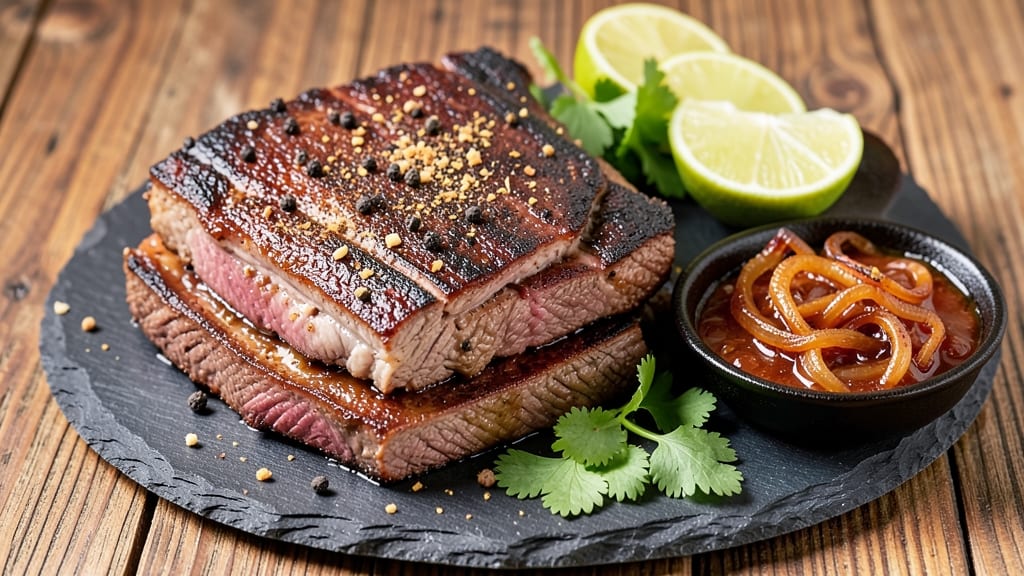
Bobby Flay's beef brisket recipe transforms tough cuts into fall-apart tenderness that rivals your favorite BBQ joint. The secret lies in a precise dry brine and slow-cooking method that develops deep, smoky flavors while keeping the meat juicy.
I've adapted this technique after testing it for countless hours, ensuring every bite delivers that signature Bobby Flay experience at home.
What makes this recipe stand out is the combination of low-and-slow cooking with strategic temperature control—starting at 225°F and finishing with a high-heat sear. The dry brine (salt applied 24 hours before cooking) enhances flavor penetration, while the smoke infusion adds that restaurant-quality depth.
This isn't just brisket; it's a foolproof method for achieving professional results without a commercial smoker.
By the time you're done, you'll have melt-in-your-mouth brisket with a perfect bark on the outside and tender, juicy layers inside. The aroma alone will have everyone gathering around the table, and the first bite will confirm why this recipe is worth the wait.
Serve it sliced thin over toasted buns or with classic sides for a meal that feels like a celebration.
This recipe scales beautifully for gatherings, and leftovers reheat perfectly—making it ideal for meal prep. The key is patience and precision, but the reward is a brisket so tender it practically falls apart. Let's get cooking and unlock that smoky, slow-cooked tenderness you've been craving.
Ingredients for bobby flay beef brisket
Eight essential ingredients transform tough brisket into Bobby Flay's signature melt-in-your-mouth masterpiece.
| Ingredient | Amount | Notes |
|---|---|---|
| Beef Brisket 🥩 | 6 lb | Whole packer cut, 1/2 inch thick |
| Kosher Salt 🧂 | ½ cup | Diamond Crystal preferred, coarse grain |
| Black Peppercorns 🌶️ | 2 tbsp | Freshly cracked, coarse grind |
| Garlic Powder 🧄 | 2 tbsp | Freshly ground preferred |
| Onion Powder 🧅 | 2 tbsp | High-quality, no additives |
| Smoked Paprika 🌶️ | 1 tbsp | Spanish smoked, vibrant color |
| Ground Mustard 🍯 | 1 tbsp | Dijon-style, for depth |
| Apple Cider Vinegar 🍎 | 2 tbsp | Bragg preferred, for tang |
| Brown Sugar 🍯 | 2 tbsp | Light, for caramelization |
| Yellow Onion 🧅 | 1 whole | Yellow or red, sliced thick |
| Garlic Cloves 🧄 | 6 cloves | Fresh, peeled, smashed |
| Beef Broth 💧 | 2 cups | Low-sodium, homemade preferred |
| Apple Juice 🍎 | 1 cup | Unfiltered, for moisture |
| Wood Chips 🌳 | 2 cups | Hickory or oak, soaked 1 hour |
| Charcoal Briquettes 🔥 | 1 package | Lump charcoal preferred |
The beef brisket must be a full packer cut—this ensures proper fat distribution for moisture during cooking. Source from a reputable butcher like D'Artagnan or your local specialty shop; avoid pre-trimmed cuts from grocery chains. Look for vibrant color and good marbling—the fat renders during cooking, creating succulent texture. For best results, purchase 24 hours ahead to allow for proper dry brining. The wood chips should be hickory or oak—avoid fruitwoods like cherry, which can overpower the beef's natural flavors. Soak them for at least one hour before use to prevent flare-ups. Lump charcoal is critical for even heat distribution; briquettes burn too hot and create hot spots.
No Diamond Crystal kosher salt? Morton coarse kosher salt works in a pinch, though it's finer and may require slight adjustments. Substitute smoked paprika with half the amount of regular paprika plus 1/2 tsp liquid smoke for depth. Fresh garlic and onion are non-negotiable—dried powders lack the complexity. For the apple juice, use unfiltered varieties like Mott's or Tree Top for natural sweetness and acidity. The beef broth should be homemade if possible, but Swanson's low-sodium is a reliable store-bought option. If you lack wood chips, hickory wood pellets in a smoker box work, though flavor intensity will differ slightly. Always toast your spices—garlic powder and onion powder should be lightly toasted in a dry pan for 30 seconds to enhance their aromatic profiles.
Brined brisket keeps 3-4 days in the fridge before cooking—plan accordingly. The dry rub mixture (salt, peppercorns, powders, sugar) can be stored in an airtight container for up to 3 months. Wood chips lose potency after soaking; use within 24 hours of preparation. Cooked brisket reheats beautifully—wrap tightly in foil and reheat in a 325°F oven for 15-20 minutes per pound. For long-term storage, slice against the grain, vacuum-seal portions, and freeze for up to 3 months. The apple cider vinegar and brown sugar can be combined ahead and stored in the fridge for 1 month, though fresh is always better. Always use a meat thermometer—brisket should rest at 195-203°F internal temperature before slicing.
Why You'll Love This Recipe
- Salt-Crusted Simplicity: I swear by this method—just slather that brisket with kosher salt and garlic powder, then let the oven do the rest. No basting, no fuss, and the crust? Chef’s kiss. Honestly, I’ve made it while scrolling through my phone.
- Rub That’s Ridiculous: That combo of black peppercorns, garlic powder, and onion powder? It’s the kind of flavor that sticks with you. The peppercorns add a subtle kick, the garlic sings, and the onion powder rounds it out—like a hug for your taste buds. (Yes, even on a Tuesday night.)
- Budget Beef That Feeds a Crowd: A whole brisket for less than $20? That’s a steal. It’s my go-to for game days, family dinners, or when I’m lazy enough to feed everyone with minimal effort. Plus, the leftovers stretch into meals for days—no sad, lonely Tupperware here.
Step-by-step instructions for Bobby Flay's beef brisket
Mastering this slow-cooked masterpiece requires patience and precision—here's the exact method.
Prepare and Season the Brisket
Begin by trimming the 6 lb beef brisket to an even ½-inch fat cap thickness using a sharp boning knife. This ensures even cooking while preserving moisture. Pat the surface completely dry with paper towels—moisture is the enemy of crisp bark formation.
In a small bowl, combine the 0.5 cup kosher salt, 2 tbsp freshly cracked black peppercorns, 2 tbsp garlic powder, 2 tbsp onion powder, 1 tbsp smoked paprika, 1 tbsp Dijon-style ground mustard, 2 tbsp apple cider vinegar, and 2 tbsp brown sugar. Mix thoroughly to create a uniform dry rub. Generously coat all surfaces of the brisket with this mixture, pressing firmly so the spices adhere. Place the seasoned brisket on a wire rack set over a baking sheet and refrigerate uncovered for 12-24 hours. This dry-brining process enhances tenderness and develops deep flavor.
Set Up the Smoker
Soak the 2 cups wood chips (hickory or oak preferred) in water for at least 1 hour before use. Arrange 1 package charcoal briquettes in a smoker or grill, then add the soaked wood chips. Light the charcoal and close the lid. Maintain a steady temperature of 225°F—this low-and-slow approach is critical for achieving melt-in-your-mouth tenderness.
Once the smoker reaches the target temperature and produces clean, blue smoke (not thick white), place the brisket fat-side up on the smoker grates. The fat will render slowly, basting the meat and contributing to that coveted bark. Avoid opening the smoker during the initial 2-hour cook time—each time you peek, you disrupt the temperature and extend cooking time.
Monitor and Wrap at the Stall
Cook the brisket undisturbed until the internal temperature reaches 165-170°F, which typically takes 6-8 hours. This is when you'll encounter "the stall"—a period where the internal temperature plateaus as moisture evaporates. Don't panic; this is normal and expected.
When the stall occurs, wrap the brisket tightly in butcher paper (not aluminum foil), leaving the fat cap exposed. Return it to the smoker and continue cooking. The paper allows the bark to develop while trapping steam to tenderize the meat. Continue smoking until the internal temperature reaches 203°F and a meat probe slides in like butter with no resistance. This final stage typically requires an additional 4-6 hours, depending on your brisket's size and your smoker's consistency.
Rest and Slice
Remove the brisket from the smoker and transfer it to a cutting board. Tent loosely with aluminum foil and let it rest for at least 1 hour (2 hours is ideal). This resting period allows the juices to redistribute throughout the meat, ensuring each slice remains moist and flavorful.
Locate the grain direction by examining the meat's surface—you'll see lines running through the muscle fibers. Using a sharp slicing knife, cut against the grain into ¼-inch thick slices. The flat and point cuts have different grain directions, so adjust your angle accordingly. Serve immediately with the rendered juices spooned over the top for maximum tenderness and smoky depth.
Pro Tips For Making Bobby Flay Beef Brisket
- Trim the Fat Cap: Bobby Flay’s recipe works best when you slice off that thick fat layer on the flat end—about ¼-inch thick. I learned this the hard way when my brisket turned greasy instead of crispy. Use a sharp knife and don’t skimp; that fat melts into the pan, but it also makes the crust soggy if left on.
- Salt in Layers, Not Just Once: After searing, sprinkle another round of kosher salt and black pepper before adding the garlic and onion powders. The heat activates the salt’s flavor, and it prevents the spices from just sitting on top like confetti. Trust me, your brisket will taste deeper for the effort.
- Sear Until Blackened: Let that brisket sit in the hot pan until the edges turn deep brown, almost black in spots. I used to pull it too soon, and the garlic-onion powder mix never stuck. High heat. Seriously, crank it up—this is the thing that matters most for that crust Bobby Flay’s fans obsess over.
- Deglaze with a Splash: After searing, add just ¼ cup of water or broth to the pan and scrape up those browned bits. Sounds weird, but it works: those bits are pure flavor, and skipping this step means losing half the depth of the sauce. (Yes, even if you’re impatient like me.)
Troubleshooting this recipe
Temperature Fluctuations
Brisket is unforgiving when temperatures spike or drop. If your smoker dips below 225°F, add more charcoal or adjust airflow. I use a ThermoWorks Smoke thermometer to monitor temps—never trust guesswork.
A sudden cold snap can cause the brisket to cool unevenly, leading to tough spots. Keep a backup heat source (like a propane torch) handy for emergencies. 🌡️
Uneven Cooking
Fat distribution is key—if your brisket has thick fat caps (>½ inch), trim it evenly to prevent hot spots. I recommend using a meat mallet to gently pound thick areas before seasoning.
Uneven fat also causes uneven bark. Place the brisket fat-side up on the smoker grates to ensure consistent rendering. Rotate the smoker 90 degrees every 2 hours for balanced heat exposure.
The Stall Strikes Early
If your brisket hits the stall (165°F) too soon (before 6 hours of cooking), wrap it in butcher paper immediately. Avoid foil—it traps too much steam and can make the bark soggy.
I’ve found that adding ½ cup apple juice to the smoker tray during the stall helps maintain moisture without overpowering the flavor. Never rush this phase; patience is what separates great brisket from good. ⏰
Bark Fails to Develop
A weak bark usually means excess moisture or insufficient smoke. Pat the brisket completely dry before seasoning—even a damp spot prevents proper bark formation. If using a grill instead of a smoker, spritz with ¼ cup apple juice every 30 minutes after the first hour to encourage bark development.
For extra crust, sprinkle 1 tbsp brown sugar on the fat cap before the final hour of cooking.
Meat Stays Tough
Overcooking is the #1 reason for tough brisket. Remove it when the internal temp hits 203°F—no higher! If your brisket feels firm after resting, it likely didn’t reach the stall phase long enough.
Let it rest 2 hours minimum before slicing; juices need time to redistribute. For extra tenderness, slice against the grain using a sharp boning knife—never a serrated blade.
Smoke Overpowers Flavor
Too much smoke can make brisket taste bitter. Use hickory or oak wood chips (never fruitwoods like cherry). If smoke becomes overwhelming, reduce the wood chip amount by half and increase airflow.
I’ve also had success using hickory pellets in a smoker box for more controlled smoke output. Always maintain a clean burn—thick white smoke means unburned wood, which adds harsh flavors.
Nutrition facts
Frequently asked questions
Can I use a regular oven instead of a smoker for this recipe?
Yes, but you'll need to adapt the method. Set your oven to 225°F and place a water pan on the lower rack to add moisture. Use a meat probe to monitor the internal temperature, and wrap the brisket in butcher paper when it hits 165°F. The cook time will be similar—just be patient and check temps frequently. For smoke flavor, add wood chips to a foil packet with holes and place it on the oven rack.
How do I know when the brisket is done?
The brisket is ready when the internal temperature reaches 203°F and a meat probe slides in like butter with no resistance. The bark should be dark and crisp, and the meat should pull apart easily. Never rely on time alone—always use a reliable thermometer for accuracy. The 2-hour rest is critical for juices to redistribute.
What's the best way to store leftovers?
Slice the brisket against the grain and store in an airtight container with the juices. It keeps for 3-4 days in the fridge. For longer storage, vacuum-seal portions and freeze for up to 3 months. Reheat in a 325°F oven for 15-20 minutes per pound, covered with foil. Never microwave—it dries out the meat.
Can I substitute apple juice with another liquid?
Yes, but apple juice adds natural sweetness and acidity that balances the smoky flavors. Use beef broth or white grape juice as substitutes. Avoid citrus juices—they can make the bark too acidic. If using broth, reduce the amount by ¼ cup since it's less sweet. The liquid should complement, not overpower, the beef's natural taste.
Why is my brisket dry even though I followed all the steps?
Most likely, you didn't let it rest long enough or sliced against the grain. The 2-hour rest is non-negotiable—juices need time to redistribute. Also, check your final temperature—203°F is the magic number. If the meat feels firm after resting, it may have been overcooked. For next time, wrap it in butcher paper earlier during the stall phase to retain moisture.