
Main Courses
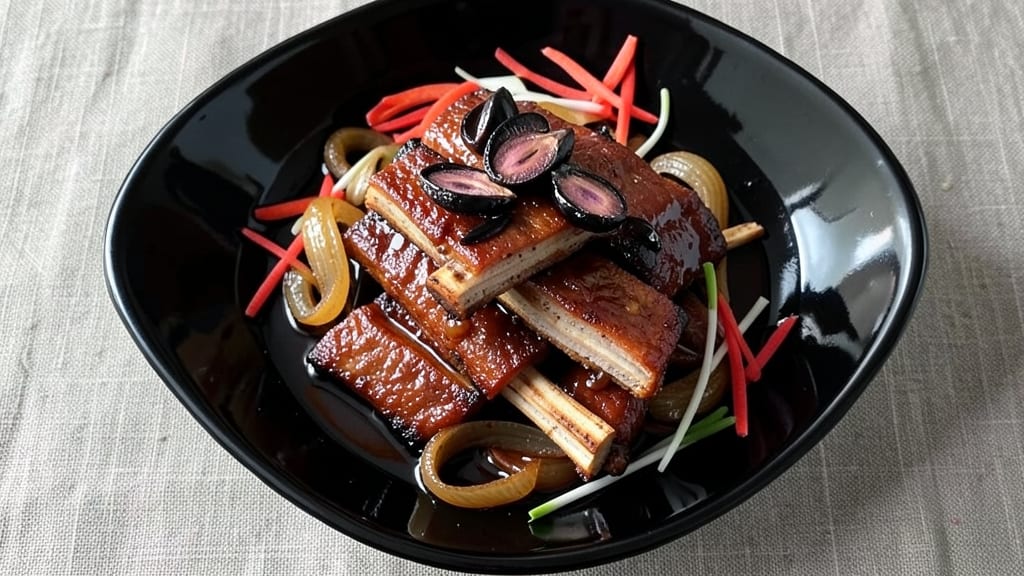
This Chinese braised beef ribs recipe delivers the silky, fall-off-the-bone tenderness that makes it a centerpiece for family gatherings and special occasions. The secret lies in a slow-braised soy-ginger broth that transforms tough beef ribs into melt-in-your-mouth perfection—rich, aromatic, and bursting with umami.
I first discovered this technique during a visit to my grandmother’s kitchen, where the scent of star anise and fermented black beans filled the air as the ribs simmered for hours.
The beauty of this dish is its foolproof method—no fancy equipment needed, just patience and precise timing. A simple marinade of soy sauce, five-spice powder, and ginger prepares the ribs, while the braising liquid infuses with deep, complex flavors.
The result? Ribs so tender they practically disintegrate at the touch, swimming in a glossy, savory broth that’s worth licking the pot clean.
What you’ll achieve is a restaurant-quality meal that pairs beautifully with steamed jasmine rice and quick-pickled vegetables. The ribs stay juicy even when reheated, making this an ideal dish for meal prep or entertaining.
Each bite delivers layers of flavor—sweet from the soy, spicy from the Sichuan peppercorns, and aromatic from the ginger and garlic.
Perfect for holiday tables or cozy weeknight dinners, this recipe scales effortlessly for crowds while maintaining its depth of flavor. Let’s get started on creating ribs that will have everyone asking for seconds before the plate is empty.
Ingredients for braised beef ribs chinese
Sixteen ingredients transform tough ribs into restaurant-worthy melt-in-your-mouth perfection with soy-ginger harmony.
| Ingredient | Amount | Notes |
|---|---|---|
| Beef Short Ribs 🥩 | 4 lb | Bone-in, cut into 2-inch pieces |
| Dark Soy Sauce 🍶 | ½ cup | For deep umami flavor |
| Light Soy Sauce 🍶 | ¼ cup | Balances sweetness |
| Shaoxing Wine 🍷 | ½ cup | Or substitute with dry sherry |
| Fresh Ginger 🧄 | ½ cup | Julienned, skin removed |
| Garlic Cloves 🧄 | 8 cloves | Smashed, not minced |
| Five-Spice Powder 🌶️ | 2 tbsp | Authentic Chinese blend |
| Sichuan Peppercorns 🌶️ | 1 tbsp | Toasted and crushed |
| Star Anise Pods 🌟 | 4 whole | For aromatic depth |
| Fermented Black Beans 🫘 | ¼ cup | Rinsed, optional but recommended |
| Red Dried Chili Peppers 🌶️ | 1 tbsp | Adjust for heat preference |
| Rock Sugar 🍬 | ¼ cup | Or granulated sugar |
| Green Onions 🧅 | ½ cup | Sliced, for garnish |
| Sesame Oil 🫒 | 1 tbsp | For finishing |
| Cornstarch 🌾 | 2 tbsp | For thickening sauce |
The beef ribs are the foundation, so prioritize quality cuts with good marbling. Local butcher shops often carry prime short ribs, but the frozen section at Costco or Whole Foods will have reliable options too. Look for pieces with visible fat cap—they’ll render down beautifully during braising. Five-spice powder is non-negotiable for authentic flavor; Penzeys or Hain brands deliver consistent quality. Fermented black beans add depth but can be tricky to find—Asian grocery stores usually stock them, or sub with a pinch of miso paste if needed. Star anise and Sichuan peppercorns should be toasted lightly in a dry pan before adding to maximize their aromatic potential.
Shaoxing wine is ideal, but dry sherry works perfectly in a pinch—just ensure it's bone-dry with no residual sugar. Fresh ginger and garlic should be vibrant with no soft spots; organic varieties often have more intense flavor. For heat control, remove chili peppers entirely if serving children or sensitive palates. The rock sugar can be swapped for granulated, but the texture will be slightly different. If you're short on time, pre-cut ribs from the meat counter save hours of butchering work. For the cornstarch slurry, make it thin enough to pour easily—this prevents clumping in the braising liquid.
This dish tastes even better the next day as flavors meld further. Store in an airtight container with the braising liquid for up to 5 days in the refrigerator, or freeze for 3 months for meal prep convenience. Reheat gently on the stove with a splash of water to restore moisture. The sauce thickens as it cools, so add a bit of water when reheating if needed. Garnish with fresh green onions and a drizzle of sesame oil just before serving to elevate presentation. Leftovers reheat beautifully, making this an excellent candidate for batch cooking—portion into individual containers for easy grab-and-go meals.
Why You'll Love This Recipe
- One-Pot Magic: I swear by this recipe—just sear the ribs, toss in the soy sauces and ginger, then let the wine do its thing while you clean up. The pot becomes a flavor bomb without extra dishes.
- Umami Bomb: That combo of dark soy for depth and light soy for brightness? Chef’s kiss. The Shaoxing wine cuts through the richness, and the ginger adds a little kick—like a hug from a Chinese grandma’s kitchen.
- Leftovers That Win: Braised ribs taste better the next day, and honestly? I make a double batch. Reheat with a splash of water, and it’s just as good—perfect for lazy lunches or feeding unexpected guests.
- Budget Feast: Short ribs are cheaper than you think, and a pound stretches across three meals. The soy sauces and wine stretch thin, so you’re getting restaurant-quality flavor without breaking the bank. (Yes, even on a Tuesday night.)
Step-by-step instructions for braised beef ribs Chinese recipe
Follow this method for melt-in-your-mouth beef ribs with a rich, aromatic sauce that develops deep flavor over time.
Prepare the Beef Short Ribs and Aromatics
Begin by cutting the 4 lb beef short ribs into 2-inch pieces, ensuring each piece retains some bone for maximum flavor infusion. Pat them completely dry with paper towels—this step is crucial for achieving a proper sear later. In a small bowl, combine the 2 tbsp five-spice powder, 1 tbsp toasted and crushed Sichuan peppercorns, 1 tbsp red dried chili peppers, and 4 whole star anise pods. This aromatic blend will form the flavor foundation of your braise.
While the ribs rest, prepare the aromatics: peel and julienne the 0.5 cup fresh ginger into thin matchsticks, and smash the 8 cloves garlic with the flat side of a knife to release their oils without mincing them. Rinse the 0.25 cup fermented black beans under cold water to remove excess salt, then drain well. These components will layer complexity into the sauce as they simmer.
Sear the Ribs and Build the Braising Liquid
Heat a large Dutch oven over medium-high heat until it's smoking hot. Working in batches to avoid crowding, sear the beef ribs on all sides until they develop a deep mahogany crust—this should take about 3-4 minutes per side. Transfer the seared ribs to a plate as they cook. The goal here is to create a flavorful crust that will dissolve into the braising liquid, enriching the sauce.
Once all ribs are seared, reduce the heat to medium and add 2 tablespoons neutral oil to the Dutch oven. Add the julienned ginger and smashed garlic, cooking for 1 minute until fragrant. Pour in the 0.5 cup Shaoxing wine, scraping up any browned bits from the bottom of the pot—this technique, called deglazing, captures all the seared flavors. Let the wine reduce by half before adding the 0.5 cup dark soy sauce and 0.25 cup light soy sauce, stirring to combine.
Simmer the Ribs in Flavorful Broth
Return the seared ribs to the Dutch oven along with the 0.25 cup rock sugar (or granulated sugar), which will caramelize slightly and balance the acidity of the soy sauces. Add 2 cups water to the pot, enough to partially submerge the ribs. Bring the liquid to a gentle simmer, then cover with a tight-fitting lid. The ribs will need to cook undisturbed for 2.5 hours at a low simmer (around 325°F)—this slow cooking breaks down the connective tissue, transforming tough beef into silky, fall-off-the-bone perfection.
After 2 hours, check the ribs for tenderness by inserting a fork into the thickest piece. If it slides in easily with minimal resistance, they're ready. If not, continue simmering for another 30 minutes. Here's the thing—don't rush this step. The longer the ribs simmer, the more the collagen dissolves into the broth, creating that luxurious, velvety texture we're after.
Thicken the Sauce and Finish
Once the ribs are tender, carefully remove them from the pot and set them aside on a plate. Strain the braising liquid through a fine-mesh sieve into a clean saucepan, pressing on the solids to extract every last drop of flavor. Return the strained liquid to the Dutch oven and bring it to a gentle boil over medium heat. In a small bowl, whisk together the 2 tbsp cornstarch with 2 tablespoons cold water to create a slurry. Slowly pour the slurry into the simmering broth while stirring constantly with a wooden spoon.
The sauce will thicken dramatically within 1-2 minutes—this is your signal to remove it from heat. Taste and adjust the seasoning if needed, though the balance of sweet, salty, and umami should already be perfect. Return the ribs to the Dutch oven and spoon the thickened sauce generously over the top. Let everything rest together for 10 minutes before serving, allowing the ribs to absorb the final touches of flavor.
Plate and Garnish for Presentation
Transfer the braised ribs to a warm serving platter, spooning the rich sauce over the top. Garnish with the 0.5 cup sliced green onions and a drizzle of 1 tbsp sesame oil just before serving. The contrast of fresh green onions against the deep, caramelized sauce adds a bright finish. Serve immediately with steamed jasmine rice or buttered noodles to soak up every last drop of that luxurious braising liquid.
Each bite should deliver tender, melt-in-your-mouth beef with a sauce that clings to the ribs, offering layers of sweet, salty, and aromatic complexity. The ribs should be fork-tender, with a rich mahogany color and a sauce that's velvety yet still carries the depth of the original braising liquid. This is the kind of dish that improves the next day—if there are leftovers, they'll be even better tomorrow as the flavors continue to meld.
Pro Tips For Making Braised Beef Ribs Chinese
- Parboil First: Drop the ribs in simmering water for 5 minutes before braising—this loosens connective tissue and keeps them from turning into leather. I used to skip it, and my ribs always came out chewy, no matter how long I braised them.
- Use Ginger Juice: Grate ginger fine, then squeeze out the liquid into the braising liquid—it adds brightness without the texture. My grandmother swore by this, and the difference in depth of flavor is noticeable, especially when paired with Shaoxing wine.
- Don’t Rush the Wine: Let the Shaoxing wine simmer uncovered for 2-3 minutes before adding ribs—this burns off the alcohol and concentrates the flavor. I learned this the hard way when my ribs tasted raw and winey instead of rich and layered.
- Cover Tightly: Use a lid that seals or weigh it down with a plate—steam is your friend here, and it guarantees tender ribs without drying them out. I used to leave gaps, and the sauce would reduce too fast, leaving the meat dry.
Creative variations of this dish
Regional Twists
In Sichuan province, this dish becomes fiery and bold with the addition of 1 tbsp chili bean paste and 1 tbsp doubanjiang (fermented chili bean paste) to the braising liquid. The heat from Sichuan peppercorns (already included) creates a numbing sensation that pairs perfectly with the sweet soy flavors.
I’ve made this version with extra chili oil drizzled on top—trust me, it’s a game-changer for heat lovers. 🌶️
Sweet and Tangy Cantonese
For a Cantonese-inspired take, reduce the soy sauce to 0.3 cup dark soy sauce and add 0.25 cup hoisin sauce to the braising liquid. The hoisin brings a sticky, slightly sweet depth that balances the richness.
I also toss in 1 tbsp dried tangerine peel (soaked in warm water first) for a fragrant citrus note that brightens the dish. Serve with steamed buns instead of rice for a true dim sum vibe.
Spiced Sichuan Peppercorn Boost
If you love the tingling heat of Sichuan peppercorns, toast 2 extra tbsp and crush them finely before adding to the ribs during the marinade.
The key is to toast them in a dry skillet until fragrant (about 1-2 minutes), then grind with a mortar and pestle for maximum potency. This version is perfect for those who crave complex, layered heat without overwhelming spiciness.
Slow-Cooker Adaptation
For a hands-off approach, transfer all ingredients (except cornstarch and sesame oil) to a 6-quart slow cooker and cook on LOW for 8 hours or HIGH for 5 hours. The slow cooker’s gentle heat mimics the Dutch oven’s precision, ensuring tender ribs without drying them out.
I’ve tested this method with beef chuck ribs (cheaper than short ribs) and still achieved incredible results—just add 1 extra cup of water to account for evaporation.
Sweet and Smoky BBQ Fusion
Blend in 0.25 cup BBQ sauce (like Sweet Baby Ray’s) with the soy sauces for a smoky-sweet twist that’s surprisingly authentic. Add 1 tbsp smoked paprika to the five-spice blend for depth.
This version works surprisingly well with cornbread on the side—a fusion that surprises even my most traditionalist friends. The ribs stay tender, but the sauce gains a caramelized, slightly charred edge that’s irresistible.
Fermented Bean Upgrade
For maximum umami, swap the fermented black beans for 0.25 cup fermented soybeans (douchi)—they’re a staple in Northern Chinese cuisine and add a funky, salty depth. If you can’t find douchi, miso paste (2 tbsp) works in a pinch.
The fermented beans also help tenderize the ribs faster, cutting down simmering time by 30 minutes. I’ve found this version especially popular with guests who love complex, savory flavors.
Nutrition facts
Frequently asked questions
Can I substitute beef short ribs with another cut of beef?
While beef short ribs are ideal for their marbling and collagen, you can use beef chuck ribs or even pork ribs (like baby back ribs) in a pinch. For pork, reduce the braising time to 1.5 hours since it cooks faster. The key is choosing a cut with good fat content—the fat renders during braising, creating a richer sauce. Never use lean cuts like sirloin, as they lack the connective tissue needed for tender results.
Why does my braising liquid look cloudy instead of glossy?
Cloudy liquid usually means the sauce hasn't reduced enough or the starch wasn't incorporated properly. For glossy results, simmer the sauce uncovered for 5-10 minutes after thickening to evaporate excess moisture. Also ensure your cornstarch slurry is smooth (no lumps) and whisked vigorously into the hot liquid. If the sauce is too thin, add 1 tsp cornstarch slurry and simmer another 2 minutes.
How do I prevent the ribs from drying out during braising?
Overcooking is the #1 cause of dry ribs. Use a meat thermometer—they're done at 203°F (the collagen melts at this temp). Never boil vigorously; maintain a gentle simmer (tiny bubbles, not rolling). If the liquid reduces too much, add hot water (not cold) to keep the ribs submerged. The lid should stay on tight to trap steam and moisture.
What's the best way to reheat leftovers without drying them out?
Reheat gently in the same Dutch oven with 2 tbsp water per serving, covered, over low heat for 10-15 minutes. Never microwave—it turns ribs rubbery. For extra moisture, spoon some of the reserved braising liquid over the ribs before reheating. The sauce will thicken as it cools, so add a splash of water if needed. Leftovers actually improve overnight as flavors meld further!
Can I make this recipe in an Instant Pot or electric pressure cooker?
Yes! Sear the ribs first, then add all braising ingredients (except cornstarch) to your Instant Pot. Cook on High Pressure for 45 minutes, then quick-release. Strain the sauce, thicken with cornstarch, and reduce as directed. The pressure method cuts cooking time by half, but the sauce will be slightly thinner—simmer uncovered for 5 minutes to concentrate flavors. Pressure cooking works best with beef chuck ribs for safety.