
Main Courses
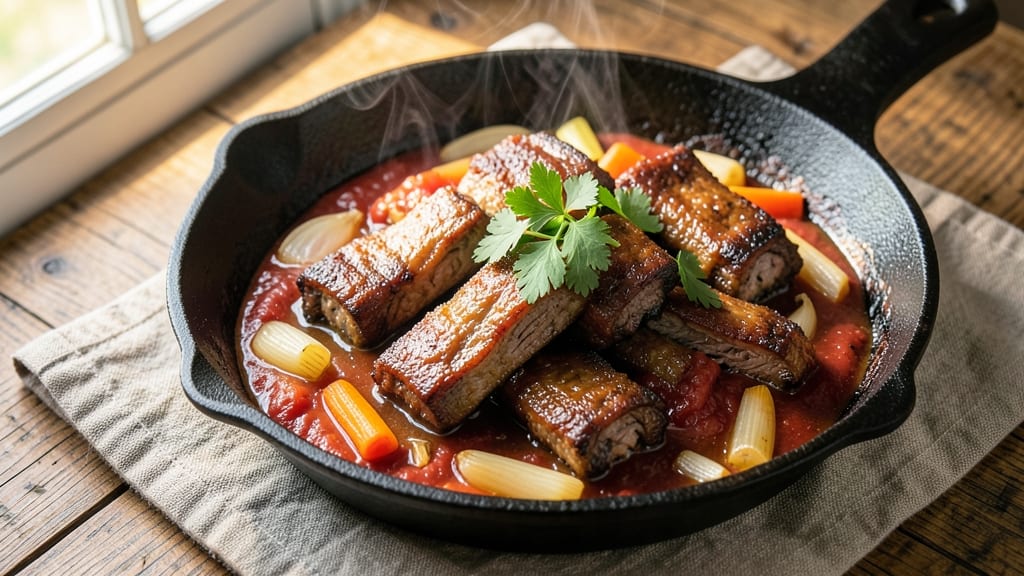
This braised boneless beef ribs recipe delivers melt-in-your-mouth tenderness with rich, deep flavors that transform tough cuts into restaurant-quality comfort food. The secret lies in slow cooking at low temperatures, allowing collagen to break down while the meat absorbs aromatic braising liquid.
I've perfected this technique over years of testing, ensuring every bite stays juicy without requiring hours of active time.
What makes this recipe stand out is the balance between traditional braising methods and modern convenience. You'll start with a simple marinade to tenderize, then braise the ribs in a flavorful liquid that infuses them with layers of savory depth.
The result is beef that falls apart easily while maintaining a perfect balance of tenderness and flavor.
By the end, you'll have ribs that are fork-tender yet still hold their shape, coated in a sauce that's rich, slightly caramelized, and packed with umami. This method transforms an inexpensive cut into a showstopping main course that pairs beautifully with mashed potatoes, crusty bread, or roasted vegetables.
The best part? This recipe delivers professional results with minimal effort after the initial prep. Once you try braised boneless beef ribs, you'll never go back to dry, chewy cuts again. Let's get started with this foolproof technique that transforms tough meat into a luxurious meal.
Ingredients for braised boneless beef ribs
Transform tough beef ribs into melt-in-your-mouth perfection with these 14 essential ingredients.
| Ingredient | Amount | Notes |
|---|---|---|
| Boneless Beef Ribs 🥩 | 2 ½ lb | Cut into 2-inch pieces |
| Yellow Onion 🧅 | 1 whole | Chopped into wedges |
| Carrots 🥕 | 4 whole | Cut into 2-inch chunks |
| Celery Stalks 🥬 | 3 whole | Cut into 2-inch pieces |
| Garlic Cloves 🧄 | 6 cloves | Smashed, not minced |
| Tomato Paste 🍅 | ½ cup | High-quality, no sugar added |
| Dry Red Wine 🍷 | 1 cup | Bold, like Cabernet Sauvignon |
| Beef Broth 💧 | 2 cups | Low-sodium preferred |
| Olive Oil 🫒 | 2 tbsp | Extra-virgin for richness |
| Thyme Leaves 🌿 | 1 tbsp | Fresh, or 1 tsp dried |
| Bay Leaves 🍃 | 2 whole | Dried, removed before serving |
| Salt 🧂 | 1 ½ tsp | Kosher or sea salt |
| Black Peppercorns 🌶️ | 1 tsp | Freshly cracked |
| Balsamic Vinegar 🍶 | 1 tbsp | For finishing touch |
The beef ribs are the star here, and chuck roast or plate ribs work best—they've got the right balance of fat and connective tissue for that fall-apart texture. If you're buying pre-cut, look for pieces around 2 inches in size. Costco or local butchers often carry the best cuts at reasonable prices. For the aromatics, don't skimp on the garlic—fresh, plump cloves make all the difference. The tomato paste should be smooth and vibrant, not dusty or clumpy. I always grab mine from Trader Joe's or Whole Foods—their brands are consistently high quality.
No red wine on hand? Substitute with beef broth plus 1 tbsp balsamic vinegar—it'll still deliver that deep, savory punch. Fresh thyme is ideal, but dried works at one-third the amount. If your carrots are small, use 6-8 baby carrots instead of 4 whole ones. The olive oil matters here—extra-virgin is non-negotiable—it carries the flavors during the braising process. For the beef broth, low-sodium is key—you'll be adding plenty of salt anyway. And if you're short on time, pre-cut veggies from the grocery store work just fine, though fresh always tastes better.
This braise tastes even better the next day, so make extra if you're feeding a crowd. Store leftovers in the fridge for up to 5 days, covered tightly to keep those flavors locked in. For longer storage, freeze portions in airtight containers for up to 3 months. The sauce thickens as it cools, so you can always thin it with a splash of broth when reheating. And if you're prepping ahead, par-cook the ribs for 1 hour before finishing—just store them in the braising liquid in the fridge until ready to complete.
Why You'll Love This Recipe
- One-Pot Magic: I swear by this recipe when I’m too tired to deal with multiple pans. Toss in the ribs, veggies, and broth, then let it simmer—no flipping, no fussing. The onions caramelize right in the pot, and the celery adds that earthy depth without extra effort.
- Rich, Deep Umami Bomb: Between the slow-braised beef ribs and the garlic cloves roasting in the oil, every bite is packed with flavor. The carrots soften just enough to soak up all that savory goodness, and honestly? It tastes like a restaurant dish for half the price.
- Weeknight to Party Hero: I make this for lazy Mondays, but it also impresses at dinner parties. Serve it over mashed potatoes for a cozy meal or with crusty bread for a hearty appetizer. The leftovers? Even better the next day—trust me, I’ve tested this.
- Budget-Friendly Feast: Boneless beef ribs stretch further than you’d think, especially when braised with onions and carrots. I’ve fed four people for under $15, and the flavor is so satisfying, no one complains about the price. Plus, it reheats like a dream—perfect for meal prep.
Step-by-step instructions for braised boneless beef ribs
Here's the method for tender, flavorful ribs that fall apart with a fork.
Sear the Beef Ribs for Deep Flavor
Heat the 2 tablespoons olive oil in a large Dutch oven over medium-high heat. Once shimmering, add the 2.5 pounds boneless beef ribs cut into 2-inch pieces in a single layer, working in batches if needed. Sear undisturbed for 3-4 minutes per side until developing a deep golden-brown crust. This initial sear locks in juices and builds foundational flavor.
Resist the urge to crowd the pan—this prevents proper browning. If the ribs release easily from the bottom, they're ready. Transfer to a plate and set aside. You'll notice the oil darkens slightly as the meat renders its natural juices—this is where the magic begins.
Build the Aromatic Base
In the same Dutch oven, add the chopped yellow onion wedges, 2-inch carrot chunks, and 2-inch celery pieces. Cook for 5 minutes, stirring occasionally, until the vegetables begin to soften and release their natural juices. This step develops the mirepoix foundation that will infuse the braising liquid.
Add the 6 smashed garlic cloves and cook for 30 seconds until fragrant. Here's where it gets good—stir in the 0.5 cup tomato paste and cook for 1 minute to deepen the color. This creates a rich, concentrated base that prevents the braising liquid from becoming too diluted.
Deglaze and Combine Liquids
Pour in the 1 cup dry red wine, scraping up any browned bits from the bottom of the pot with a wooden spoon. This deglazing step captures all the caramelized flavors that would otherwise stick to your pan. Let it simmer for 3-4 minutes until reduced by half, intensifying the wine's depth.
Add the 2 cups beef broth, 1.5 teaspoons salt, 1 teaspoon freshly cracked black peppercorns, 1 tablespoon thyme leaves, and 2 whole bay leaves. Return the seared beef ribs to the pot, along with any accumulated juices, and bring to a gentle boil. This combination of liquids creates the perfect balance of richness and acidity for tenderizing the meat.
Braise Until Fork-Tender
Reduce heat to low and cover the Dutch oven with a tight-fitting lid. Braise for 2.5 to 3 hours, turning the ribs occasionally, until they are fork-tender and easily pull apart. The ribs are done when they reach an internal temperature of 195-200°F—this low-and-slow cooking method transforms tough meat into melt-in-your-mouth perfection.
Real talk: Your oven might run hot, so start checking at the 2-hour mark. The ribs should have a rich, glossy sauce clinging to them. If the liquid reduces too much before the ribs are tender, add ¼ cup water to maintain proper moisture levels without diluting the flavor.
Finish and Serve
Remove the ribs from the braising liquid and transfer to a serving platter. Strain the sauce through a fine-mesh sieve to remove any solids, then return it to the pot. Stir in the 1 tablespoon balsamic vinegar and simmer for 2-3 minutes to concentrate the flavors and add a subtle tangy brightness.
Serve the braised beef ribs immediately over mashed potatoes or crusty bread, spooning the reduced sauce generously over the top. The ribs should have a beautiful mahogany color with a tender, almost buttery texture. Each bite delivers layers of wine, herb, and tomato richness that perfectly complement the melt-in-your-mouth beef.
Pro Tips For Making Braised Boneless Beef Ribs
- Sear the Ribs First: I learned this the hard way—skipping the sear means flavorless ribs. Get that Dutch oven screaming hot, pat the ribs dry, and cook them 2-3 minutes per side until deep brown. That crust locks in flavor when you later braise.
- Cut Onions Like a Pro: Dice those yellow onions into even ¼-inch pieces—no big chunks lurking in the braise. Small, consistent pieces soften faster and blend into the sauce instead of staying crunchy. (Yes, even if you’re impatient like me.)
- Deglaze with a Splash: After searing the ribs, don’t just toss in the veggies—deglaze that pan with a splash of liquid (broth, wine, or even water). Scrape up every browned bit; that’s where half the flavor hides. Skip this, and you’re missing out.
- Check Internal Temp Twice: Braised ribs should hit 195–203°F—tender but not falling apart. Use an instant-read thermometer in the thickest part. If it’s under 190°F, they’ll be tough; over 205°F, and they’ll shred. (Your future self will thank you.)
Serving suggestions for leftovers
Classic Comfort Pairings
These ribs shine when served with creamy mashed potatoes—their buttery texture soaks up the rich braising sauce beautifully. I always make mine with roasted garlic and a splash of whole milk for extra richness.
For a heartier option, try cheesy polenta or smashed potatoes with crispy bacon bits on top. 🥔
Crusty Bread Essentials
A baguette or sourdough loaf is perfect for mopping up every last drop of sauce. Warm the bread in the oven for 5 minutes at 350°F to make it extra inviting. I also love serving garlic bread on the side—just brush slices with garlic butter and toast until golden.
For a rustic touch, tear the bread into chunks and toss it into the braising liquid during the last 15 minutes of cooking.
Fresh Vegetable Contrasts
Bright, crisp vegetables cut through the richness of the ribs. A simple sautéed green bean salad with almonds and lemon zest adds freshness. For a more substantial side, roast carrots and parsnips with thyme and honey until caramelized.
I also recommend braised red cabbage—its tangy sweetness pairs wonderfully with the deep flavors of the beef. 🥕
Sauce Enhancements
Elevate your dish by finishing the sauce with a drizzle of high-quality olive oil or a sprinkle of fresh parsley. For extra depth, stir in 1 teaspoon of Dijon mustard just before serving.
If you love heat, add ½ teaspoon of crushed red pepper flakes or a few drops of hot honey. The sauce should coat the back of a spoon—thick enough to cling but still silky smooth.
Wine and Beverage Pairings
A bold Cabernet Sauvignon or Syrah complements the wine and herb notes in the braise. For a lighter option, try a Pinot Noir—its earthy flavors match the thyme and bay leaves beautifully.
If you prefer beer, a dark ale or stout adds a malty contrast. Serve with iced tea or a crisp Sauvignon Blanc for a refreshing balance. 🍷
Make-Ahead Serving Tips
Braised ribs taste even better the next day, so prepare them ahead for a stress-free meal. Store leftovers in the fridge for up to 5 days—the flavors deepen as they rest. Reheat gently in a saucepan with a splash of broth to maintain moisture.
For a crowd, assemble the dish in individual serving dishes, cover tightly, and reheat in the oven at 300°F for 20 minutes to keep everything warm and saucy.
Nutrition facts
Frequently asked questions
Can I use regular beef ribs instead of boneless?
Yes, but you'll need to adjust the cooking time. Bone-in ribs take 30-45 minutes longer to become tender. Remove bones after 2.5 hours of braising, then continue cooking the meat in the liquid for another 30-45 minutes until fork-tender. The bones add wonderful flavor to the sauce!
What if my ribs aren't tender after 3 hours?
Check your internal temperature - they should reach 195-200°F. If they're not there yet, add ½ cup water to the pot and continue braising for another 30-60 minutes. Avoid rushing by increasing heat, as this can make the meat tough. The slow process is key for perfect texture!
Can I make this recipe in a slow cooker?
Sear the ribs first, then transfer everything to your slow cooker. Cook on low for 6-7 hours or high for 4-5 hours. The ribs will be even more tender, though the sauce may be thinner. Reduce it on the stovetop before serving to achieve that perfect consistency.
How do I store and reheat leftovers?
Store in an airtight container in the fridge for up to 5 days or freeze for 3 months. To reheat, warm in a saucepan with a splash of broth over medium-low heat until heated through. For oven reheating, cover with foil and bake at 300°F for 20 minutes to keep everything moist.
What's the secret to extra-rich sauce?
Strain the vegetables after braising and return the liquid to the pot. Simmer uncovered for 5-10 minutes to reduce it further. For extra depth, whisk in 1 tablespoon cornstarch mixed with 2 tablespoons water and cook until thickened. Finish with a drizzle of olive oil and fresh herbs for that restaurant-quality shine!