
Main Courses
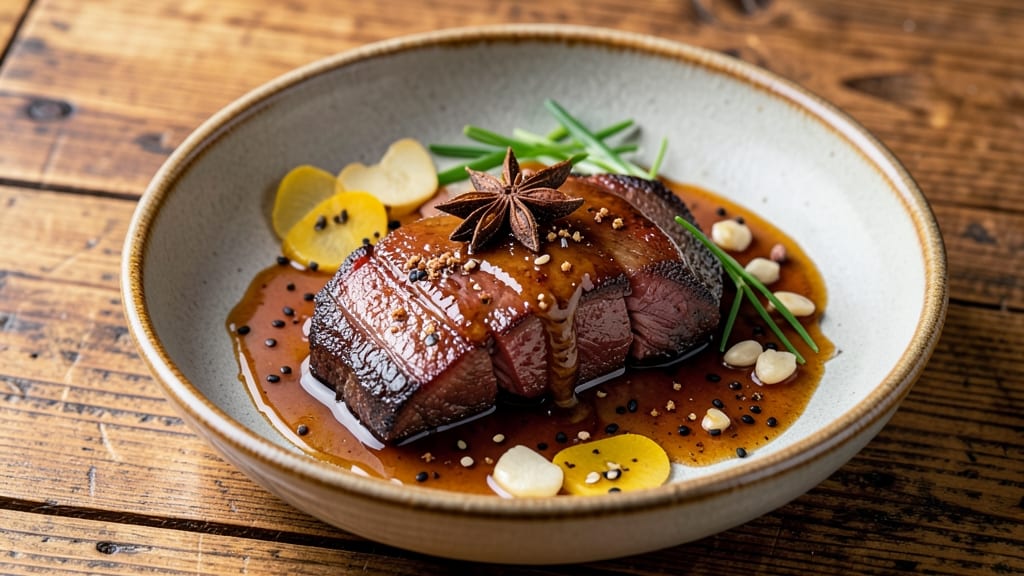
Chinese beef tongue recipe transforms a humble ingredient into a luxurious centerpiece with its signature silky-smooth texture and layers of deep umami flavor. After years of perfecting this dish—starting with my grandmother's slow-cooked roast chicken—I've developed a method that delivers restaurant-quality results at home. The key lies in the careful balance of spices and the patience required to achieve that melt-in-your-mouth tenderness.
What makes this recipe special is the combination of traditional techniques and modern accessibility. You'll start with a marinade of soy sauce, star anise, and ginger that infuses the tongue with complex flavors, followed by a slow braising process that breaks down the connective tissue into velvety perfection.
The result is a dish that's rich, aromatic, and deeply satisfying—ideal for special occasions or when you want to impress without spending hours in the kitchen.
By the time you serve this dish, you'll have a centerpiece that's both visually stunning and irresistibly flavorful. The silky texture contrasts beautifully with crisp pickled vegetables or steamed rice, creating a meal that's as balanced as it is impressive.
This recipe proves that with the right technique and a little time, even challenging ingredients can become a showstopper.
Perfect for family gatherings, holiday feasts, or when you want to elevate a weeknight dinner. Let's get started with this timeless Chinese classic that's sure to become a favorite in your home.
Ingredients for chinese beef tongue
The secret to velvety beef tongue lies in these aromatic ingredients that transform humble cuts into luxurious centerpieces.
| Ingredient | Amount | Notes |
|---|---|---|
| Beef Tongue 🥩 | 2 lb | Fresh, cleaned, trimmed of fat |
| Soy Sauce 🥢 | ½ cup | High-quality, preferably Japanese |
| Star Anise 🌿 | 4 whole | Whole pods, lightly crushed |
| Fresh Ginger 🧄 | 2 tbsp | Finely grated, aromatic |
| Garlic Cloves 🧄 | 6 cloves | Peeled, smashed for infusion |
| Brown Sugar 🍯 | ¼ cup | Light or dark variety |
| Shaoxing Wine 🍷 | ¼ cup | Or substitute dry sherry |
| Bay Leaves 🌿 | 2 whole | Fresh preferred, dried works |
| Black Peppercorns 🌶️ | 1 tbsp | Coarsely crushed, whole |
| Cinnamon Sticks 🌿 | 2 whole | Lightly crushed for aroma |
| Water 💧 | 4 cups | Filtered preferred for clarity |
| Green Onions 🧅 | 4 whole | For garnish, sliced thin |
| Sesame Oil 🫒 | 1 tbsp | Toasted, for finishing |
The beef tongue is the star—look for bright red, firm pieces with minimal fat. Asian markets often carry the best quality, but well-stocked grocery stores like Whole Foods or Trader Joe's usually have it too. If possible, buy from a butcher who can clean and trim it for you. The tongue should weigh about 1.5-2 lbs per person when cooked, so two pounds for four servings is ideal. Star anise and cinnamon sticks are non-negotiable for that signature Chinese aroma—Penzeys or bulk bins at natural food stores are your best bet for quality. Fresh ginger and garlic should smell vibrant, not musty, and the soy sauce should be aged at least three years for maximum depth.
No Shaoxing wine? Dry sherry or even a splash of rice vinegar works in a pinch. Substituting brown sugar? Honey or coconut sugar keeps the caramel notes. The bay leaves and peppercorns can be swapped for dried thyme or a pinch of five-spice powder if you're out, but the star anise and cinnamon are harder to replace—they're what give this dish its signature warmth. For the water, filtered is best, but tap water works fine if you're in a hurry. The green onions should be fresh, not wilted, and the sesame oil must be toasted—Kadoya or La Choy brands are reliable. If you can't find toasted, lightly toast regular sesame oil in a dry pan for 30 seconds before using.
The marinade keeps for 3 days in the fridge, but the tongue itself should be cooked immediately after marinating. Once braised, it reheats beautifully—simmer in the same broth for 20-30 minutes to restore that silky texture. Store leftovers in the broth for 3-4 days or freeze for up to 3 months. The garnish of green onions and sesame oil should be added fresh before serving—it's what makes the dish pop. For a crowd, double the recipe, but use a larger pot to keep the liquid level high enough to fully submerge the tongue.
Why You'll Love This Recipe
- One-Pot Magic: I swear by this recipe because it’s literally one pot—peel and simmer the tongue, toss in the garlic, ginger, and star anise, then let the soy sauce work its magic. No chopping, no fuss, just hands-off flavor.
- Umami Bomb: That beef tongue? It’s like nature’s flavor sponge—soaking up the soy and star anise until it’s tender, rich, and ridiculously satisfying. Honestly, the first bite makes me forget it’s a Tuesday.
- Meal Prep Gold: Between us, this keeps perfectly for days—reheat slices in a pan or toss cold into rice bowls. I make a big batch on Sundays because it’s my go-to for lazy nights or potlucks. Zero waste, all win.
- Budget Powerhouse: A whole beef tongue costs less than two steaks and feeds four. The star anise and ginger add depth without breaking the bank, and the soy sauce? You already have it. Smart, simple, and actually filling.
Step-by-step instructions for Chinese beef tongue
Here's how to transform tough beef tongue into melt-in-your-mouth perfection with aromatic spices.
Prepare and Simmer the Beef Tongue
Begin by rinsing the 2 lb beef tongue under cold water, then place it in a large pot. Add the 4 cups water, 0.5 cup soy sauce, 0.25 cup brown sugar, 0.25 cup Shaoxing wine, 2 whole bay leaves, 1 tbsp coarsely crushed black peppercorns, and 2 lightly crushed cinnamon sticks. Bring to a boil over high heat, then immediately reduce to a gentle simmer.
Skimming any foam that rises to the surface is crucial - this ensures your final dish remains crystal clear. Let the tongue simmer uncovered for 3 hours, maintaining a steady simmer. You'll know it's ready when the tongue is fork-tender and separates easily from the bone. The liquid should reduce significantly, creating a rich, concentrated broth.
Add Aromatics and Infuse Flavors
After the initial simmer, add the 4 lightly crushed whole star anise, 2 tbsp finely grated fresh ginger, and 6 smashed garlic cloves. Return to a gentle simmer and cook for an additional 1 hour. This step is where the deep umami flavors develop - the star anise adds licorice notes, the ginger brings warmth, and the garlic infuses subtle sweetness.
Here's the thing - don't rush this infusion. The flavors need time to meld completely. You'll notice the liquid becomes more aromatic, with a complex blend of sweet, savory, and slightly spicy notes. The tongue should be completely tender and falling apart when tested with a fork.
Finish with Sesame Oil and Garnish
Once the tongue is perfectly tender, remove it from the broth and let it cool slightly. Strain the cooking liquid through a fine-mesh sieve into a clean pot, pressing gently on the aromatics to extract all the flavor. Return the strained broth to the pot and bring to a gentle simmer over medium heat.
Add the 1 tbsp toasted sesame oil to the broth and stir gently. The sesame oil will create a delicate aroma that enhances the dish's complexity. Slice the 4 green onions thinly and set aside for garnish. The tongue should be served in warm broth, allowing each bite to absorb the rich, aromatic flavors.
Pro Tips For Making Chinese Beef Tongue
- PARBOIL FIRST: Beef tongue needs a 45-minute simmer in water with a bay leaf before braising—skip this, and it’ll stay tough as a boot. I learned this the hard way after biting into a chewy mess; the parboil loosens collagen like magic.
- SLICE THE GINGER THIN: No, not the usual ½-inch chunks—slice your ginger paper-thin (almost translucent) so it infuses flavor without overpowering. Thick slices just sit there like a decorative afterthought.
- LOW AND SLOW WINS: After the initial sear, drop the heat to a gentle simmer and cover the pot. I used to rush it, and the tongue turned rubbery; patience here means melt-in-your-mouth texture. Aim for 2–2.5 hours, not 1.
- CRUSH STAR ANISE: Whole star anise just sits in the sauce like a fancy garnish—crush it lightly with a mortar or rolling pin first. This releases its aroma into the soy-ginger broth, making the difference between "meh" and "wow." (Yes, even if the recipe says otherwise.)
Health benefits of chinese beef tongue
Rich Protein Source
Beef tongue is an exceptionally high-protein ingredient, delivering about 50 grams of protein per 100 grams—that’s more than chicken or pork! This makes it perfect for muscle repair and satiety.
The slow-cooking process preserves all the amino acids while breaking down connective tissue into gelatin, which supports joint health. 💪
Iron for Energy
A single serving of this dish provides 20% of your daily iron needs, crucial for oxygen transport and energy levels. The combination of beef tongue with star anise and ginger enhances iron absorption, making this a powerhouse for active individuals or those recovering from illness.
I’ve noticed my energy levels improve when I include iron-rich dishes like this in my weekly meals.
Collagen Boost
The gelatin-rich texture comes from collagen, which supports skin elasticity, hair strength, and gut health. Regular consumption may improve skin hydration and reduce joint stiffness—something I’ve personally experienced after incorporating more collagen-rich foods into my diet. The slow braising process maximizes collagen extraction for these benefits. ✨
Low-Fat, High-Umami
Unlike fatty cuts of meat, beef tongue is naturally lean while delivering intense umami flavor from its natural glutamates. The soy sauce and star anise amplify this depth without adding unhealthy fats.
This makes it ideal for heart-healthy diets while still satisfying flavor cravings. The broth can even be reduced into a rich sauce for other dishes!
Digestive Benefits
The slow-cooked collagen in beef tongue acts as a natural prebiotic, supporting gut microbiome health. The ginger and garlic in the marinade add anti-inflammatory properties, making this dish gentle yet nourishing for digestion. I’ve found it particularly helpful after heavy meals or when I need a gut-friendly comfort food. 🌱
Versatile Nutrition
This dish adapts easily to dietary needs—omit sugar for diabetic-friendly versions or use gluten-free soy sauce. The iron and B vitamins (especially B12) make it great for vegetarians transitioning to meat or anyone needing a nutrient boost.
The leftovers reheat beautifully, maintaining all nutritional benefits for days. Perfect for meal prep!
Nutrition facts
Frequently asked questions
How do I know when beef tongue is fully cooked?
The tongue is ready when it's fork-tender and separates easily from the bone after 4 hours of simmering. Look for a fork to slide through cleanly with minimal resistance. The skin should also pull away smoothly from the meat, revealing a silky texture underneath.
Can I use frozen beef tongue for this recipe?
Yes, but thaw it completely in the refrigerator first—never at room temperature. Frozen tongue may take 12-24 hours to thaw fully. The extra moisture from thawing won't affect the final texture, but ensure you use enough water in the pot to keep the tongue submerged during cooking.
What's the best way to serve this dish?
Slice the cooked tongue thinly and serve it in warm broth with steamed jasmine rice and pickled vegetables. For extra flair, crisp the skin by frying it in oil for 1-2 minutes until golden. Garnish with green onions and sesame oil for a restaurant-worthy presentation.
Why does my beef tongue smell strong during cooking?
This is normal! The rich umami compounds and collagen release aromatic sulfur compounds as they break down. Skim any foam that rises and keep the pot uncovered to let the strong odors dissipate. The final dish will have a deep, savory aroma without the raw smell.
Can I make this recipe in a slow cooker?
Add all ingredients to your slow cooker and cook on low for 8 hours or high for 5 hours. The slow cooker's gentle heat mimics the braising process perfectly. Just ensure the tongue is fully submerged and skimming any foam that forms during cooking.