
Main Courses
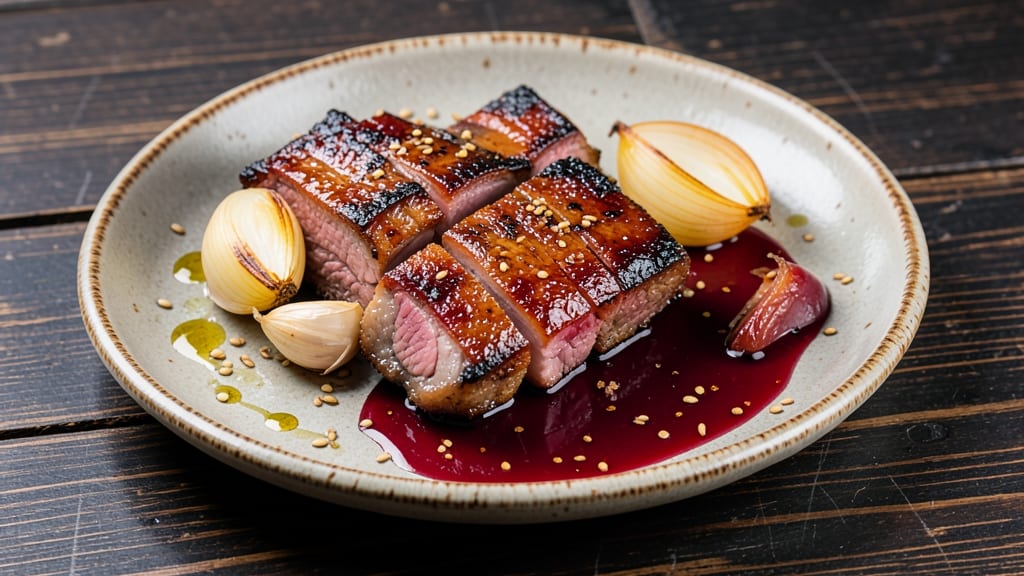
Transforming Costco beef short ribs into melt-in-your-mouth perfection requires patience and the right technique—this slow-braised method delivers restaurant-quality results at home. The secret lies in a deep, aromatic marinade and low-and-slow cooking that tenderizes even the toughest cuts, turning them into succulent, fall-apart bites.
I’ve perfected this recipe over years of testing, ensuring every bite is rich, flavorful, and worth the wait.
This method transforms tough short ribs into tender, saucy masterpieces using just five key ingredients: beef short ribs, soy sauce, brown sugar, garlic, and red wine. The marinade infuses flavor deep into the meat, while the slow braising process breaks down collagen for that signature melt-in-your-mouth texture.
With three hours of hands-off cooking, you’ll end up with ribs that are so tender, they practically dissolve on your fork.
The result is a dish so rich and satisfying, it becomes the centerpiece of any meal. The ribs develop a deep, caramelized crust while staying moist inside, all coated in a glossy, savory sauce.
Pair them with creamy mashed potatoes or roasted root vegetables to soak up every last drop of that flavorful braising liquid—this is comfort food at its finest.
Whether you’re hosting a dinner party or treating yourself to a special meal, this recipe delivers professional-quality results with minimal effort. The slow-cooked method ensures tender, juicy meat every time, and the deep flavors make it a standout dish.
Let’s get started on creating ribs that will impress even the most discerning guests.
Ingredients for costco beef short ribs
Five ingredients transform Costco short ribs into restaurant-worthy melt-in-your-mouth perfection.
| Ingredient | Amount | Notes |
|---|---|---|
| Beef Short Ribs 🥩 | 4 lb | Bone-in, Costco 3lb package preferred |
| Dry Red Wine 🍷 | 1 cup | Cabernet Sauvignon or Merlot preferred |
| Soy Sauce 🥄 | ½ cup | High-quality, low-sodium preferred |
| Light Brown Sugar 🍚 | ½ cup | Packed, not granulated |
| Garlic Cloves 🧄 | 8 cloves | Peeled, smashed but not minced |
| Yellow Onion 🧅 | 1 whole | Large, roughly chopped |
| Beef Broth 💧 | 2 cups | Low-sodium, homemade or high-quality |
| Olive Oil 🫒 | 2 tbsp | Extra-virgin for searing |
| Fresh Thyme 🌿 | ¼ cup | Stems removed, loosely packed |
| Fresh Rosemary 🌿 | ¼ cup | Stems removed, loosely packed |
| Salt 🧂 | 1 ½ tsp | Kosher or sea salt |
| Black Pepper 🌶️ | 1 tsp | Freshly ground |
| Fresh Parsley 🌿 | ¼ cup | Chopped, for garnish |
The beef is where it all begins. Costco's 3lb bone-in short ribs are ideal—they're flavorful and have the perfect balance of fat and meat. Look for ribs with a good layer of fat marbling; this ensures tenderness and flavor during braising. If you can't find them at Costco, check the meat section of Whole Foods or your local butcher shop. The ribs should be bright red and fresh-smelling. For best results, use them within 3 days of purchase, or freeze them for up to 3 months if you're prepping ahead. The bone-in version is worth it—the marrow adds incredible depth of flavor to the braising liquid.
No red wine? Dry sherry or beef broth works in a pinch, though the wine's acidity helps tenderize the meat. The soy sauce should be the high-quality, low-sodium kind—it balances the richness. For the brown sugar, packed light brown sugar dissolves better than granulated. Fresh herbs make all the difference here, but if you're in a bind, dried thyme at half the amount will do. The garlic and onion should be roughly chopped—not minced—to prevent them from turning to mush during the long cooking time. If you're short on time, pre-chopped frozen garlic and onion work fine, but thaw them first.
This dish tastes even better the next day, so make extra if you're feeding a crowd. Store the ribs and sauce in an airtight container in the fridge for up to 5 days. The sauce thickens as it cools, so reheat gently with a splash of water or broth if it seems too stiff. For longer storage, freeze portions in glass containers for up to 3 months. When reheating, cover with a lid and warm on low heat to preserve moisture. The ribs reheat beautifully—just warm the sauce separately and toss them in at the end to keep everything tender.
Why You'll Love This Recipe
- One-Pan Magic: I swear by this—just sear those Costco ribs, dump in the wine, soy, and sugar, then walk away. No flipping, no fussing, no extra pots. The garlic cloves sizzle into the pan while you’re still chopping onions, and by the time they’re done, your kitchen’s cleaner than when you started.
- Wine-Soaked Richness: That dry red wine cuts through the fat while the brown sugar caramelizes into a sticky glaze. The soy sauce ties it all together with this deep, umami punch—like a fancy restaurant dish, but with ingredients you already own. (Yes, even on a Tuesday night.)
- Leftovers That Last: Between us, these ribs taste better the next day. The flavors meld into this perfect balance of tender and saucy, so I always make a double batch. Freeze half for lazy Mondays when you’d rather eat than cook.
- Budget Feast: Costco ribs are already a steal, and this recipe stretches them further. A bottle of wine, a splash of soy, and a spoonful of sugar—no specialty ingredients, no markup. Feed four people for what a steak dinner would cost two.
Step-by-step instructions for slow-braised beef short ribs
This method transforms tough beef short ribs into melt-in-your-mouth perfection through careful layering of flavor and slow cooking.
Sear the Beef Short Ribs for Deep Flavor
Pat the 4 lb beef short ribs completely dry with paper towels, removing any excess moisture from the surface. Heat 2 tablespoons olive oil in a large Dutch oven over medium-high heat until shimmering. Working in batches to avoid crowding, sear the ribs on all sides for 3-4 minutes per side until they develop a deep golden-brown crust. This step is critical—it locks in juices and builds the foundational Maillard flavor for the braise.
As you sear, resist the urge to move the ribs too frequently. Let them develop that crust undisturbed, pressing down gently with a spatula if needed. Once all ribs are seared, transfer them to a plate and set aside.
Build the Aromatic Base
In the same Dutch oven, reduce the heat to medium and add the 1 whole yellow onion, cut into large chunks. Cook for 5 minutes until softened and beginning to caramelize at the edges. Add the 8 cloves garlic cloves (smashed but not minced) and cook for another 1 minute until fragrant—this prevents them from burning while still releasing their flavor.
Stir in the 0.5 cup light brown sugar, 1.5 teaspoons salt, and 1 teaspoon black pepper, coating the onions and garlic evenly. Cook for 2 minutes until the sugar begins to lightly caramelize and the mixture smells rich and complex. This step forms the flavor backbone of your braise, balancing sweetness with savory depth.
Deglaze and Combine All Ingredients
Pour in the 1 cup dry red wine, scraping up any browned bits from the bottom of the pot with a wooden spoon. Allow the wine to simmer for 3-4 minutes until reduced by half and slightly syrupy. This reduction intensifies the wine's flavor, creating a more concentrated base for your braise.
Add the 0.5 cup soy sauce, 0.25 cup fresh thyme, and 0.25 cup fresh rosemary, stirring to combine. Return the seared beef short ribs to the pot, along with the 2 cups beef broth. Bring the mixture to a gentle simmer, then reduce the heat to low to maintain a bare bubble at the surface. The liquid should just barely move—this slow cooking is what will render the collagen and transform the meat.
Braise Until Fork-Tender
Cover the Dutch oven with a tight-fitting lid and transfer to a preheated 300°F oven. Braise for 3 hours, then carefully flip each rib to expose the other side to the braising liquid. Return to the oven and cook for an additional 1-2 hours until the meat is fork-tender and pulls away from the bone with minimal resistance. The ribs should be so tender that a fork slides through them easily, indicating the collagen has fully broken down.
Here's the thing—your oven might run hot or cold, so start checking at the 4-hour mark using an instant-read thermometer. The internal temperature should reach 200-205°F at the thickest part of the meat. If the liquid reduces too much before the ribs are done, add ½ cup hot water to maintain adequate coverage.
Finish and Garnish
Once the ribs are fork-tender, remove them from the braising liquid and transfer to a serving platter. Skim any excess fat from the surface of the braising liquid, then reduce the heat to medium-low and simmer uncovered for 10-15 minutes to thicken the sauce slightly. This step concentrates the flavors and removes any remaining bitterness from the soy sauce.
Return the ribs to the Dutch oven, spooning the reduced braising liquid over the top. Garnish with 0.25 cup chopped fresh parsley and serve immediately with the sauce ladled over each portion. The ribs should be rich, fall-apart tender, and coated in a glossy, aromatic sauce that balances sweet, salty, and umami notes perfectly.
Pro Tips For Making Costco Beef Short Ribs
- Sear Until Blackened: Costco ribs are often fatty—don’t skimp on the sear. Hit them with a screaming-hot pan (I mean sizzle-so-loud-it-wakes-the-dog hot) for 3-4 minutes per side until the edges turn dark brown. This isn’t just for flavor; it locks in the juices so they don’t turn to mush later when you braise them.
- Deglaze with Wine First: After searing, don’t just dump the wine in—let those browned bits (fond) build up, then splash in 1/4 cup of water to release them before adding the full wine. I learned this the hard way: skipping this step leaves you with a sauce that tastes like it’s missing something. The wine’s job is to lift all that flavor, not just sit there looking pretty.
- Brown the Sugar: That light brown sugar? Don’t just toss it in. Melt it in a dry pan over medium heat for 2-3 minutes until it turns a deeper amber color—almost caramel-like. This adds a whole new layer of depth to the sauce, cutting through the richness of the ribs. (Yes, even if you’re in a hurry—just don’t walk away.)
- Simmer Low and Slow: Cover the pot and let it bubble gently for 10 minutes, then drop the heat to a barely-there simmer. I used to crank it up, thinking more heat = faster cooking, but that just turns the wine into vinegar and makes the ribs tough. Aim for 2-3 hours total, checking occasionally to add water if needed. Patience here is your friend.
Wine and beer pairings for costco beef short ribs
Red Wine Pairings
A bold, full-bodied Cabernet Sauvignon from Napa Valley or a rich Malbec from Argentina is my go-to choice for these ribs. The high tannins and dark fruit notes in these wines complement the deep, caramelized flavors of the braised ribs beautifully.
Look for a wine with at least 14% alcohol—this helps cut through the richness while enhancing the meat's natural umami. 🍷
For a more approachable option, try a Syrah from the Rhône Valley. Its peppery and smoky characteristics pair exceptionally well with the soy sauce and brown sugar in the marinade.
I recommend a 2018 or newer vintage to ensure the wine is fresh and vibrant rather than overly aged and tannic.
Beer Pairings
A dark lager like Corona Premier or Heineken 0.0 offers a crisp, clean finish that balances the richness of the ribs. The subtle malt sweetness in these beers complements the caramelized onions and brown sugar in the braise.
For a craft option, a Belgian-style dubbel like Westmalle Dubbel adds a malty depth that mirrors the ribs' complexity.
If you prefer hoppier options, a pale ale with moderate bitterness—such as Sierra Nevada Pale Ale—works surprisingly well. The citrusy hop notes cut through the fat, while the malt backbone stands up to the ribs' robust flavors. Avoid overly sweet or heavy stouts, as they can overwhelm the dish.
Unexpected Pairings
For a non-traditional twist, try pairing these ribs with a dry rosé from Provence. The wine's crisp acidity and red fruit notes provide a refreshing contrast to the richness of the braised meat.
I love Whispering Angel or Miraval for this purpose—they’re elegant yet versatile enough to stand up to the dish.
A sparkling wine like Prosecco or Cava can also work surprisingly well, especially if you prefer something lighter. The bubbles help cleanse your palate between bites, making each mouthful of rib feel fresh and vibrant. 💫
Nutrition facts
Frequently asked questions
How long can I marinate Costco beef short ribs before cooking?
For best results, marinate the ribs for 4-12 hours in the refrigerator. This gives the flavors time to penetrate deeply without overpowering the meat. If you're short on time, even 1 hour will help, but longer marinating yields richer flavor. Never marinate uncovered—always use an airtight container or resealable bag.
Can I substitute bone-in ribs for boneless in this recipe?
While bone-in ribs are ideal, you can use boneless beef short ribs if that's all you have. The cooking time will be slightly shorter (2-2.5 hours total), but the technique remains the same. The bone adds incredible depth of flavor, but the meat will still be tender and delicious. Just reduce the oven temperature to 275°F for boneless cuts to prevent overcooking.
What's the best way to reheat leftover braised beef short ribs?
Reheat ribs gently in their braising sauce over low heat for 10-15 minutes until warmed through. Never microwave—this makes the meat tough. For extra tenderness, cover the pan and add 2-3 tablespoons of water or broth to prevent drying. The sauce will thicken as it cools, so you may need to add a splash of liquid when reheating.
Why did my Costco beef short ribs turn out tough instead of tender?
Tough ribs usually result from cooking too fast or at too high a temperature. The key is slow, low-and-slow cooking—aim for 300°F and 4-5 hours total. Check the internal temperature with a meat thermometer: ribs should reach 200-205°F at their thickest point. If your oven runs hot, reduce the temperature to 275°F and extend cooking time by 30-60 minutes.
Can I make this recipe in a slow cooker instead of an oven?
Follow the same steps for searing and building the base, then transfer everything to a 6-quart slow cooker. Cook on LOW for 6-8 hours or HIGH for 4-5 hours until fork-tender. The slow cooker method is even more hands-off—just check occasionally to ensure the ribs stay submerged in liquid. The sauce will be thinner but equally flavorful.