
Main Courses
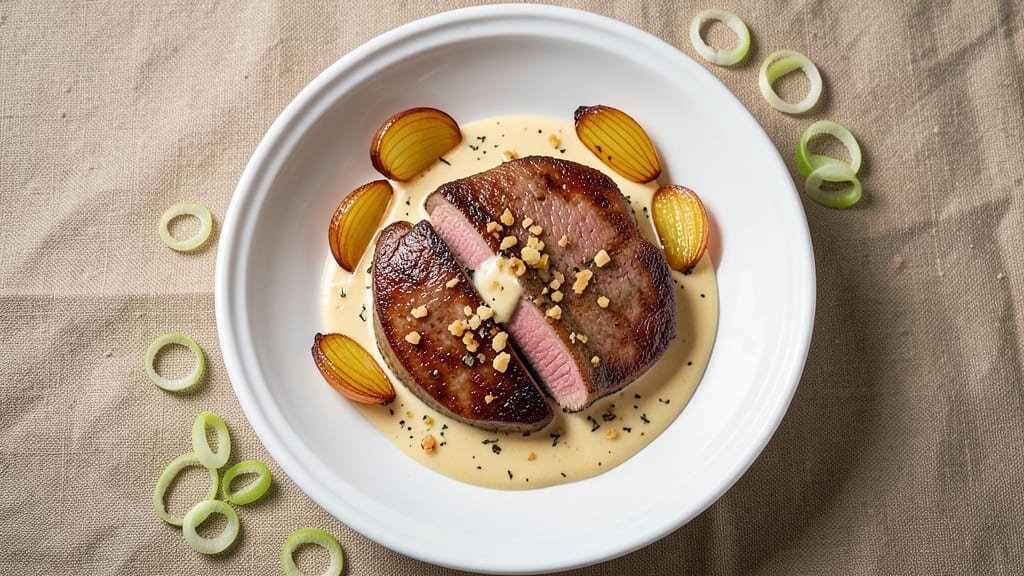
This creamy beef liver recipe transforms a traditionally polarizing ingredient into a luxurious, velvety dish that rivals any restaurant specialty. The secret lies in precise pan-searing followed by a rich onion-infused cream sauce that balances the liver's natural richness with silky texture.
After years of perfecting this technique—including the crucial step of tenderizing the meat before cooking—I can confidently say this transforms beef liver from intimidating to irresistible.
The foundation of this recipe is two-stage cooking: first searing the liver to develop a caramelized crust, then deglazing the pan to capture all those flavorful browned bits.
What sets this apart is the silky onion infusion—slow-cooked onions create a natural sweetness that blends seamlessly with the cream, eliminating any metallic aftertaste. The result is a dish where every bite delivers tender, melt-in-your-mouth liver enveloped in a luxurious sauce that's both velvety and robust.
This method delivers restaurant-quality results without requiring advanced techniques—just careful timing and attention to temperature. The cream sauce isn't just added at the end; it's built through layering flavors at each step, ensuring depth that store-bought versions can't match.
By the time you plate this dish, you'll have transformed what many consider an acquired taste into an elegant centerpiece that impresses even the most skeptical dinner guests.
The beauty of this recipe lies in its versatility—serve it with buttery mashed potatoes for a classic pairing, or alongside roasted root vegetables for a more contemporary presentation.
The sauce also freezes beautifully, making it perfect for meal prep or gifting to fellow home cooks looking to elevate their dinner repertoire. Let's get to the pan—your taste buds are about to experience beef liver in a whole new light.
Ingredients for creamy beef liver
Pan-seared perfection meets velvety richness—this luxurious beef liver dish transforms simple ingredients into restaurant-worthy elegance.
| Ingredient | Amount | Notes |
|---|---|---|
| Beef Liver 🥩 | 1 lb | Fresh, evenly sliced cutlets |
| Yellow Onions 🧅 | 2 large | Thinly sliced, for infusion |
| Unsalted Butter 🧈 | 6 tbsp | Cold, for searing |
| Heavy Cream 🥛 | 1 cup | Full-fat for richness |
| Shallots 🧅 | 3 whole | Minced, for sauce depth |
| Garlic Cloves 🧄 | 4 cloves | Peeled, finely minced |
| Dry White Wine 🍷 | ¼ cup | Sauvignon Blanc preferred |
| Chicken Stock 💧 | ½ cup | Homemade or quality store-bought |
| Fresh Thyme 🌿 | ¼ cup | Leaves only, chopped |
| Diamond Crystal Kosher Salt 🧂 | 1 ½ tsp | Adjust to taste |
| Freshly Ground Black Pepper 🌶️ | ½ tsp | Coarsely cracked |
| Extra-Virgin Olive Oil 🫒 | 2 tbsp | For finishing drizzle |
| Fresh Parsley 🌿 | 0.1 cup | Chopped, for garnish |
The liver's quality is non-negotiable. Look for bright red, evenly sliced cutlets from a trusted butcher—Whole Foods or local specialty markets carry the best. Avoid pre-sliced vacuum-packed liver, as it loses tenderness. For the onions, yellow or sweet onions work best—their natural sweetness caramelizes beautifully during the slow infusion. The butter should be cold and unsalted to achieve that perfect sear without overpowering the dish. Fresh thyme and parsley are essential; dried herbs simply can't replicate their bright, aromatic quality in this delicate sauce.
No white wine? Dry vermouth or additional chicken stock works in a pinch, though the acidity will differ slightly. Substituting heavy cream with half-and-half reduces richness, but it's better than skipping it entirely. For the onions, caramelized onions from a jar can save time, though they lack the depth of fresh. If you're using pre-minced shallots or garlic, rinse them thoroughly to remove excess moisture. The olive oil matters here—avoid cheap, heavily processed oils; a high-quality extra-virgin adds subtle fruity notes that elevate the final dish. For those avoiding dairy, coconut cream can replace the heavy cream, though the texture will be slightly lighter.
This sauce freezes beautifully—portion into ice cube trays for easy single servings later. Store the cooked liver separately in the fridge for up to 2 days, but the sauce keeps for 5 days refrigerated or 3 months frozen. When reheating, add a splash of chicken stock to prevent drying. The liver reheats best in a skillet with a touch of butter—just 2-3 minutes over medium heat. For a truly luxurious touch, garnish with edible gold leaf before serving, though fresh parsley works just as well for everyday elegance.
Why You'll Love This Recipe
- One-Pan Magic: I swear by this recipe when I’m too tired to scrub pots—just sear the liver with onions in butter, deglaze with a splash of wine (or broth), then finish with cream and shallots. The pan does all the work while you stir.
- Rich Without Effort: That velvety heavy cream and shallots turn liver into something luxurious. Honestly, the first time I made this, my partner took a second helping and asked for the recipe. It’s not fancy, but it’s ridiculously good.
- Leftovers That Shine: This dish actually tastes better the next day—better than most takeout, honestly. I’ll pack it for lunch or reheat it for a lazy dinner, and the cream keeps it creamy without turning to glue.
- Budget Powerhouse: Liver is cheap, and this recipe stretches it like crazy. Between us, I’ve fed four people for under $10 with this—plus, the leftovers stretch into sandwiches or mashed potatoes. Smart, simple, and satisfying.
Step-by-step instructions for creamy beef liver with silky onion infusion
Mastering this technique transforms delicate liver into a luxurious dish with velvety texture and deep flavor.
Prepare the Liver and Onion Base
Slice the 1 lb beef liver into ¼-inch thick cutlets, working quickly to prevent over-handling. Pat each piece dry with paper towels—this ensures a proper sear rather than steaming. In a separate bowl, combine the 2 large yellow onions, sliced into ¼-inch strips, with 0.25 cup fresh thyme and 1.5 tsp diamond crystal kosher salt. Let this mixture sit for 10 minutes to allow the thyme's essential oils to infuse into the onions.
Here's the thing—liver cooks in minutes, so precision matters. Use a sharp knife for clean cuts, and don't skip the drying step. Moisture on the surface will prevent that golden crust we're after. The thyme-infused onions will form the aromatic foundation of our sauce, so don't rush this preparation.
Develop the Onion-Infused Butter Base
Melt 3 tbsp unsalted butter in a 12-inch skillet over medium heat until it foams but doesn't brown. Add the prepared onion-thyme mixture and cook for 8-10 minutes, stirring occasionally, until the onions soften to a translucent state with just a hint of color. This slow cook ensures they release their natural sweetness without burning.
Remove the onions with a slotted spoon and set aside, leaving the butter in the pan. This step is critical—you're building flavor depth. If the onions darken too quickly, reduce the heat slightly. The residual butter will carry all that onion essence into our sauce later. Don't drain the butter completely; those browned bits contain concentrated flavor.
Sear the Liver to Perfect Doneness
Increase heat to medium-high and add the remaining 3 tbsp unsalted butter to the skillet. Working in batches if needed, sear the liver cutlets for 1 minute per side until they develop a deep golden-brown crust and reach 130°F internally. Overcooking liver turns it tough—use an instant-read thermometer for accuracy. Transfer the cooked liver to a warm plate and tent with foil to keep warm.
Here's where technique matters most: press down gently on the liver during the first 30 seconds of searing—this prevents curling and ensures even contact with the pan. The crust should be firm to the touch but still slightly yielding in the center. If you see pink juices when cutting into a test piece, it's perfect. Reserve any accumulated juices from the plate for later use.
Build the Creamy Wine-Reduced Sauce
Return the skillet to medium heat and add the 3 minced shallots and 4 cloves garlic cloves, cooking for 1 minute until fragrant. Pour in the 0.25 cup dry white wine, scraping up any browned bits, and simmer for 2 minutes until reduced by half. Add the 0.5 cup chicken stock and reserved liver juices, then stir in the 1 cup heavy cream. Simmer for 3-4 minutes until the sauce thickens enough to coat the back of a spoon.
Season with 0.5 tsp freshly ground black pepper and adjust with additional diamond crystal kosher salt if needed. The sauce should be luxuriously thick but still silky—if it's too heavy, whisk in 1-2 tablespoons hot water to reach the perfect consistency. This reduction step concentrates the flavors while creating that signature creamy texture we're after.
Finish and Serve with Elegant Presentation
Return the seared liver to the skillet and gently toss to coat in the sauce, heating through for 30 seconds. Drizzle with 2 tbsp extra-virgin olive oil and sprinkle with 0.1 cup chopped fresh parsley. Serve immediately, accompanied by buttery mashed potatoes or crusty bread to soak up the rich sauce.
Each bite should deliver a perfect balance: tender liver with a crisp crust, silky onion-infused cream sauce, and bright thyme notes. The olive oil finish adds a luxurious sheen and balances the richness. For maximum impact, serve while the liver is still warm—this dish doesn't wait. The creamy texture comes from proper reduction and emulsification of the butter and cream, so don't rush the sauce development.
Pro Tips For Making Creamy Beef Liver
- Sear the Liver Fast: High heat. Seriously, crank it up to medium-high and sear those slices for 1-2 minutes per side—just until they lose that raw pink. Overcooking turns liver gamey, and slow cooking makes it mushy. (Yes, even if you're impatient like me.)
- Slice Evenly, Thin: Use a sharp knife and cut the liver into ¼-inch slices—no thicker, no thinner. Thick pieces stay tough; thin ones cook perfectly. Pat them dry first, or the butter will splatter like a grease fire.
- Bloom the Shallots First: Toss those minced shallots into the butter before the onions. Cook them for 30 seconds until fragrant—this builds flavor without burning. Skip this, and your cream sauce will taste flat.
- Strain the Cream: Heat the heavy cream gently (don’t boil it) and strain it through a fine-mesh sieve before adding it to the pan. This removes any stray bits that’ll make your sauce look unappealing. (Your future self will thank you.)
Regional styles of this creamy beef liver
French Classic Approach
In France, beef liver is traditionally prepared with a silky béchamel sauce rather than cream, creating a lighter yet equally luxurious texture. The classic method involves sautéing onions and leeks in butter until deeply caramelized, then whisking in a roux made with equal parts butter and flour.
After adding chicken stock and simmering, the sauce is finished with crème fraîche instead of heavy cream for a tangier profile. This version often includes a splash of Madeira wine for depth, and the liver is served with buttered egg noodles or sautéed green beans.
The French technique emphasizes slow reduction of the sauce to achieve that signature velvety consistency without heaviness. 🍷
British Pub-Style Twist
The British approach leans into bold, hearty flavors with a mustard and ale reduction that cuts through the richness. After searing the liver, they deglaze the pan with stout beer (like Guinness or Bass) and add Dijon mustard along with the cream.
The result is a tangy, slightly bitter sauce that pairs perfectly with crispy fried onions on top. This version often includes a touch of Worcestershire sauce for umami depth, and it's commonly served with mashed potatoes or Yorkshire pudding.
The British method is all about bold contrasts—rich liver against the sharpness of mustard and beer. 🍺
Italian Rustic Version
Italian cooks transform beef liver into a creamy ragù-style sauce by slow-cooking it with tomato passata, white wine, and rosemary before adding cream. The liver is first pan-seared and then simmered in the sauce until tender, creating a deep, savory reduction.
This method often includes a splash of Marsala wine and a pinch of cinnamon for warmth, resulting in a sauce that's both creamy and slightly sweet.
It's traditionally served with polenta or creamy risotto, and the Italians finish it with a drizzle of truffle oil for an extra layer of luxury. The key here is patience—the liver cooks low and slow to absorb all the flavors. 🌿
Spanish Sofrito Base
Spanish cuisine elevates beef liver with a sofrito foundation, a slow-cooked blend of tomatoes, garlic, and smoked paprika that forms the base of the creamy sauce. After searing the liver, it's simmered in the sofrito until tender, then finished with heavy cream and a splash of sherry.
The Spanish version often includes a touch of saffron for color and aroma, and it's served with almond-fried potatoes or roasted peppers. The sofrito adds a smoky, slightly sweet depth that balances the creaminess perfectly.
This method is all about layering flavors—starting with the sofrito, then building richness with the cream. 🌶️
American Southern Comfort
The American South takes a comfort-food approach, often using bacon and bourbon to enhance the cream sauce. After searing the liver, the pan is deglazed with bourbon (like Maker's Mark) and the cream is thickened with a cornstarch slurry for a smooth, glossy finish.
This version frequently includes crumbled bacon and a hint of cayenne pepper for heat, and it's served with creamy grits or buttered cornbread. The Southern method is all about bold, comforting flavors—rich, creamy, and just a little spicy. 🔥
Nutrition facts
Frequently asked questions
Why does beef liver need to be sliced so thinly?
Beef liver cooks in just 1-2 minutes per side, so thin slices (¼-inch thick) ensure perfect doneness without overcooking. Thicker slices risk turning tough or dry. The thin cuts also allow the creamy sauce to fully coat each piece for maximum flavor infusion.
Can I substitute chicken liver for beef liver in this recipe?
Yes, but expect a milder flavor and slightly different texture. Chicken liver is more delicate and requires even gentler handling. Reduce cooking time to 45 seconds per side and use the same creamy sauce ratio. The technique works, but beef liver's richer taste makes it ideal for this luxurious preparation.
What if my sauce becomes too thick or separates?
For a too-thick sauce, whisk in 1-2 tablespoons hot water or chicken stock to loosen. If it separates, remove from heat and whisk vigorously while adding 1 teaspoon cold butter to re-emulsify. The key is proper reduction—simmer until the sauce coats the back of a spoon but doesn't boil vigorously.
How do I store leftovers without drying out the liver?
Store the cooked liver and sauce separately. Keep the liver in an airtight container with a damp paper towel to retain moisture, refrigerated for up to 2 days. Reheat the sauce alone first, then gently warm the liver in the sauce over low heat for 2-3 minutes. Never microwave liver directly—it turns rubbery.
What's the secret to preventing that "metallic" liver taste?
The silky onion infusion is key—slow cooking releases natural sweetness that masks any metallic notes. Also, never overcook (internal temp should be 130°F), and use fresh, high-quality liver. The creamy sauce's richness also helps balance any potential bitterness. For extra insurance, add a pinch of sugar to the onions during cooking.