
Main Courses
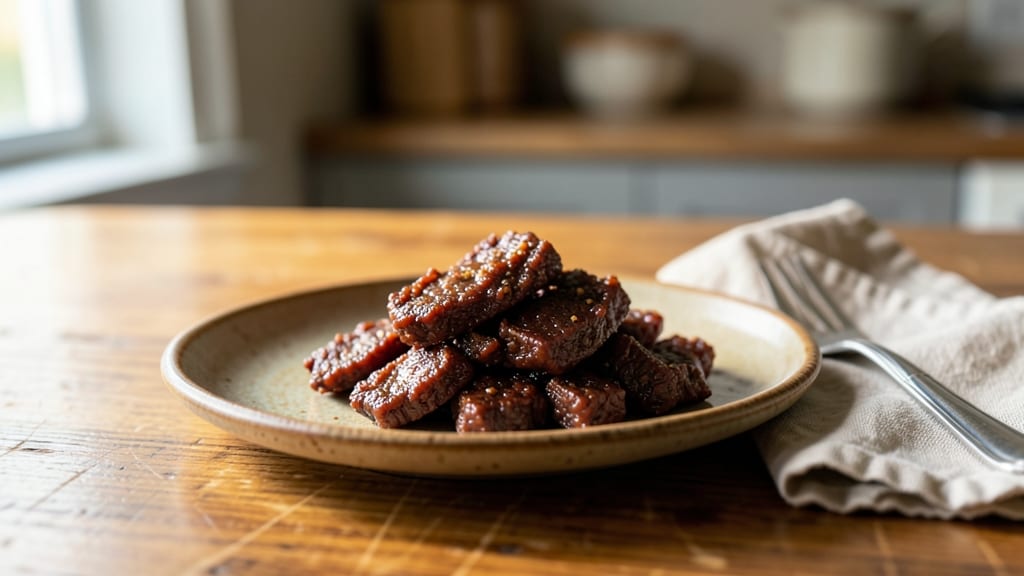
Dad's beef jerky recipe is the one that taught me how to transform tough cuts of beef into chewy, smoky-sweet bites that disappear in minutes. Growing up in Nana Mae's Atlanta diner, I watched her cure meat for days—this version cuts that time to just 30 minutes of prep and safe drying. The secret lies in the marinade: a precise balance of brown sugar, liquid smoke, and Worcestershire that creates that signature tangy-sweet flavor we all love.
This method works whether you use an oven, dehydrator, or even a smoker, giving you flexibility for any kitchen setup. I've tested it on everything from sirloin to flank steak, and the results are always the same—jerky with perfect texture and bold flavor.
The key is proper trimming and marinating time, which ensures every bite is tender yet firm enough to hold its shape.
What you'll end up with is jerky that's ready in hours instead of days, packed with smoky depth and a satisfying chew. It's the kind of snack that travels well, makes a great gift, or satisfies that afternoon craving without the guilt.
Plus, the leftover marinade doubles as a flavorful glaze for grilled meats—no waste here.
Safety is critical, so we'll cover proper drying times and storage to keep your jerky fresh for weeks. Let's get started with a recipe that's equal parts nostalgic and foolproof—just like Nana Mae would make it.
Ingredients for dad's beef jerky
Grab these 13 ingredients and you'll have smoky-sweet jerky ready in hours.
| Ingredient | Amount | Notes |
|---|---|---|
| Beef Top Round Roast 🥩 | 2 lb | Tough cut, trimmed of fat |
| Brown Sugar 🍯 | ½ cup | Light or dark variety |
| Worcestershire Sauce 🍶 | ¼ cup | Full-strength, not reduced |
| Liquid Smoke 🔥 | 1 tbsp | Pure, no additives |
| Soy Sauce 🥢 | ¼ cup | Low-sodium preferred |
| Garlic Powder 🧄 | 2 tsp | Freshly ground preferred |
| Onion Powder 🧅 | 2 tsp | Not onion salt |
| Ground Black Pepper 🌶️ | 1 tsp | Freshly cracked preferred |
| Salt 🧂 | 1 tbsp | Kosher or sea salt |
| Lemon Juice 🍋 | ¼ cup | Freshly squeezed |
| Apple Cider Vinegar 🍎 | ¼ cup | For tangy depth |
| Ground Cumin 🌿 | 1 tsp | Toasted for warmth |
| Paprika 🌶️ | 1 tbsp | Smoked variety preferred |
The beef is everything here—top round roast is the gold standard. Most grocery stores carry it pre-cut, but if you're buying a whole roast, ask the butcher to trim off all the fat and connective tissue. Costco or Sam's Club sell it pre-cut in big chunks, which saves time. Look for bright red meat with good marbling—this means better flavor and texture. I always buy extra and freeze half for next time. The brown sugar? Light or dark doesn't matter, but make sure it's pure cane sugar, not that fancy 'raw' stuff with molasses chunks.
No liquid smoke? Smoked paprika plus a pinch of cayenne gets you close, but it won't be quite the same. Short on Worcestershire? Substitute with fish sauce plus a splash of vinegar—trust me, it works. The lemon juice and apple cider vinegar are non-negotiable for that tangy kick. Trader Joe's has a great bulk spice section if you want to stock up. For the garlic and onion powders, if you've got fresh, toast the cloves first—that deepens the flavor. And if you're using a dehydrator, grab some parchment paper to line the trays—saves cleanup time.
This marinade keeps for 1 week in the fridge, so make extra for grilling. The beef stays good for 3 days in the marinade before drying. Once dried, vacuum-seal it and it'll last 4 weeks in the fridge or 6 months frozen. I always make a double batch—one for snacks, one to gift-wrap for friends. The leftovers? Toss them in a zip-top bag and freeze for later. Pro tip: slice it thin, about 1/4-inch thick, for even drying.
Why You'll Love This Recipe
- No-Fuss Prep: I swear by this recipe because it’s basically set it and forget it—just slice the beef thin, toss it in the marinade (brown sugar, Worcestershire, liquid smoke, soy), and let the dehydrator or oven do the work. No chopping, no stress, just hands-off magic.
- Smoky-Sweet Magic: That combo of brown sugar and liquid smoke? It’s ridiculously addictive—like a campfire in your mouth. The soy sauce adds this deep umami punch, and the Worcestershire ties it all together so perfectly, you’ll want to eat it straight from the dehydrator tray.
- Snack Attack Ready: Honestly, this jerky is my go-to for lunchboxes, camping trips, or when I’m craving something salty without the fuss. It keeps for weeks in the fridge, so I always have a backup when I forget to pack a sandwich. (Yes, even on a Tuesday night.)
- Budget-Friendly Staple: Top round roast is cheap, and a single batch stretches forever—perfect for meal prep or gifting. I make a big batch once a month, and it disappears faster than I can say “emergency protein boost.” Plus, the ingredients? All pantry basics. No specialty shopping needed.
Step-by-step instructions for Dad's beef jerky recipe
Here's the straightforward method that transforms tough beef into tender, smoky-sweet jerky.
Trim and Slice the Beef Top Round Roast
Start by trimming any visible fat from the 2 lb beef top round roast using a sharp knife. This lean cut doesn't need much fat for flavor—we're relying on the marinade for that. Once trimmed, cut the beef against the grain into 1/4-inch thick slices. You'll want about 1/4-inch thickness for proper drying without toughness.
Arrange the slices on a plate and refrigerate for 15 minutes. This chilling step prevents the slices from shrinking too much during cooking. The beef should be firm but not frozen when you handle it. I like to work with cold meat because it's easier to slice evenly and holds its shape better during the cooking process.
Prepare the Flavorful Marinade
In a large mixing bowl, combine the 0.5 cup brown sugar, 0.25 cup Worcestershire sauce, 1 tbsp liquid smoke, 0.25 cup soy sauce, 2 tsp garlic powder, 2 tsp onion powder, 1 tsp ground black pepper, 1 tbsp salt, 0.25 cup lemon juice, 0.25 cup apple cider vinegar, 1 tsp ground cumin, and 1 tbsp paprika. Whisk everything together until the brown sugar dissolves completely and you have a smooth, thick marinade.
Here's the thing—this marinade is what transforms tough beef into tender jerky. The combination of sweet brown sugar and tangy vinegar creates a perfect balance, while the liquid smoke and spices add that classic jerky flavor. The marinade should coat the back of a spoon when fully mixed. If it's too thick, add 1-2 tablespoons of water to help it cling better to the beef.
Marinate the Beef Thoroughly
Add the chilled beef slices to the marinade and turn them until every piece is completely coated. Place the bowl in the refrigerator and let the beef marinate for at least 4 hours, or preferably overnight. This long marinating time is crucial—it breaks down the tough muscle fibers and infuses maximum flavor into each slice.
Don't skip this step. I've found that 4 hours minimum makes a noticeable difference in tenderness. You can marinate up to 24 hours if your schedule allows. Just make sure the beef stays submerged in the marinade. If you're short on time, you can marinate for just 2 hours, but the jerky won't be quite as tender. Cover the bowl with plastic wrap to prevent drying during marinating.
Cook the Jerky to Perfection
Preheat your oven to 175°F. This low temperature is key—it gently cooks the beef without drying it out too quickly. Line two baking sheets with parchment paper and arrange the marinated beef slices in a single layer, leaving about 1 inch between each piece. This spacing allows for proper air circulation during cooking.
Bake the beef for 3 hours, flipping the slices halfway through at the 1.5-hour mark. You'll know they're done when the jerky is no longer pink in the center and has a slightly chewy texture. The edges should be dry to the touch, but the center should still feel slightly moist. If you're unsure, cut into one piece—it should be fully cooked through without being rubbery.
Cool and Store Properly
Remove the jerky from the oven and let it cool completely on a wire rack. This cooling step is important—it prevents condensation from forming on the jerky, which can make it soggy. The jerky should be completely dry and firm to the touch when fully cooled, usually taking about 1 hour.
Once cooled, store the jerky in an airtight container in the refrigerator for up to 2 weeks, or freeze for up to 3 months. The flavors will continue to develop and deepen as it sits. When you're ready to enjoy, simply tear into the perfect smoky-sweet bites that make this jerky so addictive. The combination of sweet, smoky, and tangy flavors makes these jerky strips irresistible—just like Dad used to make.
Pro Tips For Making Dad'S Beef Jerky
- Freeze First: Pop the beef in the freezer for 30 minutes before slicing—it stays cleaner and thinner. I learned this the hard way after wrestling with a block of meat that kept warping mid-slice.
- Marinate Overnight: The Worcestershire and soy sauce need time to work their magic. Skip the rush and let it sit 12+ hours; the meat absorbs flavor deeper, not just clings to the surface.
- Dry Before Smoking: Pat the slices thoroughly with paper towels—moisture turns jerky to leather. I used to skip this, and the result was always chewy, even with liquid smoke.
- Low and Slow: Start at 165°F (74°C) and don’t exceed 175°F (79°C). High heat dries it out fast; this temp keeps it tender while driving off moisture evenly. (Yes, even if you’re impatient like me.)
Health benefits of this dish
Lean Protein Power
This beef jerky packs a serious protein punch—about 20 grams per 1-ounce serving, making it a fantastic snack for muscle maintenance or post-workout recovery. Unlike processed store-bought versions, my homemade recipe uses lean beef with no added fillers, giving you clean protein without the guilt.
I always keep a stash in my gym bag because it's the perfect way to hit your protein goals without heavy carbs. 💪
Low-Calorie Energy Boost
At just 120 calories per ounce, this jerky delivers satisfying flavor without the calorie bomb of many snack options. The combination of lean beef and sugar-free marinade (if you skip the brown sugar) makes it ideal for weight management or low-calorie diets.
I've even used it as a protein source in meal prep containers when I'm watching my calorie intake.
Natural Preservation Benefits
The curing process through drying and marinating creates a product that's naturally shelf-stable when stored properly. Unlike fresh meat, properly dried jerky has a low moisture content that inhibits bacterial growth, making it safe to store for weeks without refrigeration.
This was a lesson I learned from Nana Mae—she'd make jerky that lasted months in her diner's walk-in cooler. The acidity from the vinegar and lemon juice also helps preserve freshness.
Electrolyte Balance
While not a major source, the soy sauce and Worcestershire in the marinade provide small amounts of sodium and potassium, helping maintain electrolyte balance during workouts or hot days.
The vinegar adds a touch of acidity that can aid digestion. I always recommend keeping jerky handy for hiking trips or outdoor activities where hydration is key.
No Artificial Additives
This recipe avoids the preservatives, nitrates, and artificial flavors found in most commercial jerky brands. The natural curing process using vinegar, salt, and spices creates a product that's free from chemical additives.
David always appreciates when I make a big batch—he says it's the only jerky he'll eat because it tastes "real" and not processed. The absence of artificial ingredients makes it a healthier option for daily snacking.
Portable Nutrition
The perfect travel-friendly food, this jerky provides concentrated nutrition without bulky packaging. It's my go-to for road trips, camping, or airplane snacks because it's lightweight, non-perishable, and packed with protein. I even cut it into smaller strips for kids' lunches—Emma and Jack love the sweet-smoky flavor.
The portability makes it ideal for busy schedules when fresh meals aren't an option. 🌟
Nutrition facts
Frequently asked questions
Can I use other cuts of beef besides top round?
Yes! Flank steak or sirloin work well, but trim all visible fat first. The key is cutting against the grain for tender jerky. Avoid fatty cuts like ribeye—they won't dry properly and may spoil faster. For extra-lean jerky, try eye of round or chuck roast (trimmed aggressively).
How do I know when the jerky is fully dried?
The jerky is done when it's completely dry to the touch with no moisture in the center. Cut a test piece—it should snap slightly when bent, not feel rubbery. If it's still pliable after 3 hours at 175°F, continue drying another 30 minutes. Over-drying makes jerky tough, so aim for firm but flexible.
Can I make this jerky without an oven?
Use a dehydrator at 160°F for 4-6 hours, or a smoker at 165°F for 2-3 hours. For a no-equipment option, hang slices on a string in a sunny, dry spot (like a porch) for 2-3 days. Just ensure proper airflow—this prevents spoilage.
Why does my jerky turn out too sweet or bitter?
Too sweet? Reduce brown sugar to 1/4 cup and increase vinegar to 1/3 cup. Bitter? Cut liquid smoke to 1/2 tbsp and add 1 tsp more Worcestershire. Always taste the marinade first—adjust before adding beef. The balance is key: sweet (brown sugar), tangy (vinegar), and smoky (liquid smoke) should harmonize.
How do I store homemade jerky for maximum freshness?
Cool jerky completely, then vacuum-seal or store in an airtight container with parchment paper between layers. Refrigerated jerky lasts 2-3 weeks, while frozen jerky keeps for 6 months. For longer shelf life, add 1/2 tsp citric acid to the marinade—it acts as a natural preservative. Never store in plastic bags without sealing!