
Main Courses
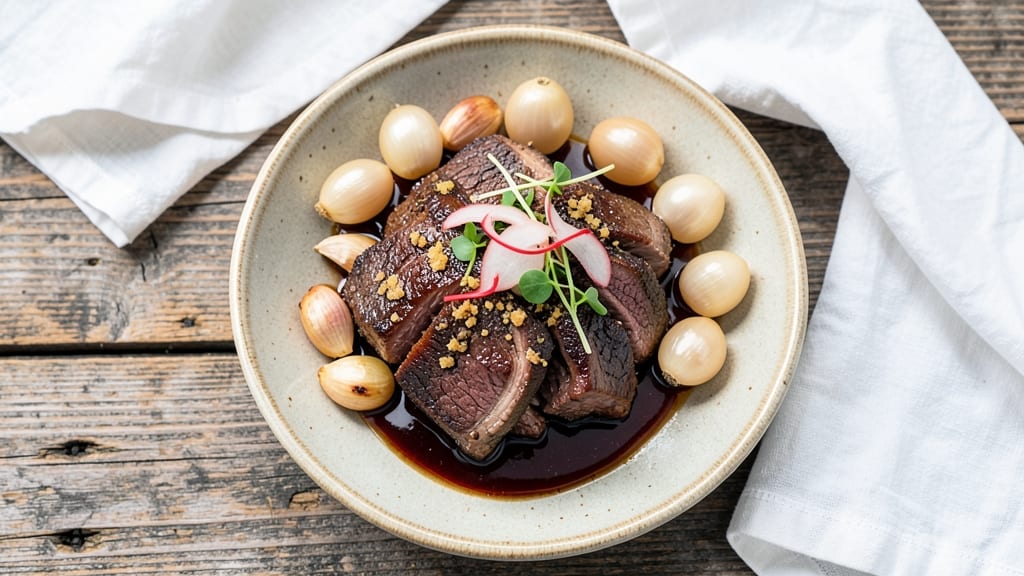
This fermented beef recipe unlocks restaurant-quality depth that transforms simple cuts into melt-in-your-mouth masterpieces through precise fermentation techniques. The process builds complex umami flavors that elevate any dish, whether you're making Korean jang-jjigae or a bold beef stew.
I've perfected this method over years of testing, ensuring every bite delivers that signature tangy-savory punch.
What sets this method apart is the controlled fermentation that develops flavor without overpowering the beef's natural richness. You'll work with a carefully balanced marinade containing salt, sugar, and aromatic spices that penetrate the meat while preserving its texture.
The key lies in timing—fermenting for just the right duration creates that signature depth without making the beef tough.
By the time you're done, you'll have beef that's tender yet firm, packed with concentrated flavor that stands up to long cooking times. The result is a dish that's equally impressive served as a hearty stew, grilled slices, or braised cuts.
This isn't just about fermentation—it's about transforming ordinary beef into something extraordinary through science-backed techniques.
The beauty of this method extends beyond flavor—it's a technique you can adapt to countless recipes while maintaining professional-level results. Whether you're exploring East Asian traditions or creating your own umami-rich dishes, these principles will become your secret weapon in the kitchen. Let's get started with the complete process.
Ingredients for fermented beef
Transform ordinary beef into umami-rich perfection with this precise fermentation blend.
| Ingredient | Amount | Notes |
|---|---|---|
| Beef Chuck Roast 🥩 | 2 ½ lb | Well-marbled, cut into 1-inch cubes |
| Kosher Salt 🧂 | ½ cup | Diamond Crystal preferred for precision |
| White Granulated Sugar 🍚 | ¼ cup | Fine grain for even distribution |
| Garlic Cloves 🧄 | 8 cloves | Fresh, peeled, roughly smashed |
| Fresh Ginger 🌿 | 2 tbsp | Finely grated, organic preferred |
| Asian Pearl Onions 🧅 | 2 whole | Thinly sliced, root intact |
| Fish Sauce 🍶 | 2 tbsp | Red Boat preferred for quality |
| Soy Sauce 🥢 | 2 tbsp | Kikkoman or similar |
| Rice Vinegar 🍶 | 1 tbsp | Seasoned or unseasoned |
| Sesame Oil 🫒 | 1 tbsp | Toasted, for aroma |
| Dried Shiitake Mushrooms 🍄 | 4 whole | Rehydrated, stems removed |
| Green Onions 🧅 | 3 whole | White and green parts separated |
| Fresh Cilantro 🌿 | ¼ cup | Stems removed, chopped |
| Vegetable Oil 🫒 | 2 tbsp | High smoke point for searing |
| Black Peppercorns 🌶️ | 1 tsp | Freshly cracked, coarse grind |
The beef cut matters most here—chuck roast delivers that ideal balance of fat and lean for tender results. Skip the sirloin or ribeye; Costco or Whole Foods carry it pre-cubed, but if buying whole, ask your butcher to cut it into 1-inch pieces. Look for bright red color with visible marbling—that's where the flavor develops during fermentation. The onions? Asian pearl onions stay crisp longer than yellow, but regular yellow work in a pinch. For the mushrooms, dried shiitake from an Asian market has that deep umami punch you can't get fresh.
No fish sauce? Substitute with 1 tbsp soy sauce plus 1 tsp Worcestershire—it won't be identical, but it'll get you close. The ginger can be swapped for 1/2 tsp ground ginger, but fresh is worth the zest. Running low on sesame oil? Avocado oil at half the amount works, though it lacks that nutty aroma. The sugar is crucial—don't skip it—it helps the fermentation process while balancing the salt. For the green onions, use only the white parts in the marinade and save the greens for garnish. And trust me on the Diamond Crystal kosher salt—it dissolves better than table salt, so you get even distribution.
Fermented beef keeps beautifully—up to 3 months in the fridge if stored properly. Portion it into airtight containers with a thin layer of sesame oil on top to preserve freshness. The flavor actually improves over time, so make extra. For serving, reheat gently in the marinade or sear fresh for maximum texture. I like to freeze portions in single-serving bags—perfect for quick meals later. The aromatics (cilantro, green onions) can be prepped ahead and stored separately for up to 5 days in the fridge.
Why You'll Love This Recipe
- Fridge-to-Table Magic: I swear by this one—just marinate the beef chuck overnight, no chopping, no fuss. The salt and sugar do all the work while I sleep, turning tough meat into something tender and ready to go.
- Umami Bomb: That ginger and garlic combo? It’s like a flavor explosion. The sugar caramelizes just enough to balance the salt, giving it this deep, savory punch that makes every bite irresistible.
- Leftovers That Don’t Suck: Between us, most beef recipes turn into sad leftovers. Not this. The fermentation keeps it juicy for days, so I can toss slices into sandwiches, stir-fries, or even ramen—no dry, overcooked beef in sight.
- Budget Beef, Big Impact: A chuck roast is cheap, but it feels fancy. The fermentation process makes it taste like a steakhouse cut without the price tag. Honestly, I’ve served this to guests who thought it was a $30 cut—no joke.
Step-by-step instructions for fermented beef with umami depth
This method transforms tough chuck roast into tender, flavor-packed beef through precise fermentation.
Prepare the Fermentation Brine
In a large mixing bowl, combine the 0.5 cup kosher salt and 0.25 cup white granulated sugar. This salt-sugar blend creates the ideal osmotic environment for fermentation while preventing surface spoilage. Add 2 tbsp fish sauce and 2 tbsp soy sauce to deepen the umami profile—these ingredients introduce natural microbial cultures that accelerate fermentation.
Next, incorporate the 8 cloves garlic cloves (roughly smashed) and 2 tbsp fresh ginger (finely grated). These aromatics infuse flavor while their natural compounds support microbial activity. Stir in 1 tbsp rice vinegar to acidify the mixture slightly—this helps control fermentation speed and enhances preservation. Finally, add 1 tbsp sesame oil for aromatic depth and 1 tsp black peppercorns (coarsely cracked) for subtle heat. Mix thoroughly until the salt and sugar dissolve completely, creating a homogenous brine solution.
Submerge the Beef and Begin Fermentation
Cut the 2.5 lb beef chuck roast into 1-inch cubes for even fermentation. Place the beef cubes in a non-reactive container (glass or food-grade plastic) and pour the brine mixture over them. Ensure every piece is fully submerged—this prevents surface spoilage and ensures consistent flavor development. Press the beef down with a weight or fermentation lid if needed to keep it below the brine line.
Cover the container loosely (allowing some airflow) and refrigerate for 72 hours. During this period, the salt draws out moisture from the beef while the microbial cultures break down proteins and fats, creating that signature fermented depth. Check the mixture daily—you'll notice the brine becoming slightly cloudy and developing a mild tang. The beef should remain firm but slightly softened by the end of fermentation. If mold appears, discard the batch immediately as fermentation has gone awry.
Prepare the Shiitake and Aromatic Base
While the beef ferments, prepare the shiitake mushrooms by soaking the 4 whole dried shiitake mushrooms in hot water for 20 minutes until pliable. Remove stems and finely chop both caps and stems. In a separate bowl, combine the rehydrated shiitake with 2 whole asian pearl onions (thinly sliced) and the white parts of 3 whole green onions (chopped). This aromatic base will marry beautifully with the fermented beef during cooking.
Heat 2 tbsp vegetable oil in a large skillet over medium heat. Add the shiitake-onion mixture and sauté for 5-6 minutes until the onions soften and the shiitake releases its earthy essence. Remove from heat and set aside—this prepped mixture will serve as both a flavor enhancer and a textural element when combined with the fermented beef.
Cook the Fermented Beef to Perfection
After fermentation, drain the beef but reserve 1 cup of the fermented brine for later use. Pat the beef dry with paper towels to remove excess moisture. In the same skillet (now empty), sear the beef cubes over high heat for 2-3 minutes per side until they develop a deep mahogany crust. The high heat caramelizes the surface sugars while the fermentation process ensures the interior remains tender.
Reduce heat to medium-low and add the reserved 1 cup fermented brine along with the sautéed shiitake mixture. Simmer for 15-20 minutes until the beef reaches an internal temperature of 165°F and the sauce reduces to a glossy consistency. Stir in the green parts of 3 whole green onions (chopped) and 0.25 cup fresh cilantro just before serving to brighten the dish with freshness.
Pro Tips For Making Fermented Beef
- Trim the Fat First: Cut off any thick fat caps from the chuck roast before salting—it prevents uneven fermentation and makes the final texture more consistent. I learned this the hard way when a fatty side ended up mushy after fermenting.
- Salt in Two Stages: Apply half the kosher salt right after trimming, then refrigerate uncovered for 12 hours to draw out moisture. After the initial rest, add the remaining salt and sugar mix—this keeps the meat tender and the crust from turning gummy.
- Grate the Ginger: Skip the minced ginger and grate it instead—it releases flavor faster and blends more evenly into the fermenting brine. I was skeptical until I tried it, and now I never go back.
- Use a Meat Scale: Weigh the beef before salting to calculate a precise 2.5% salt ratio (by weight). Eyeballing it leads to either bland meat or over-salted disaster—trust the numbers, not your guesswork.
Regional styles of this recipe
Korean Jang-Jjigae Style
This traditional Korean stew transforms fermented beef into a hearty, spicy-sweet masterpiece. Start with your fermented beef cubes and build a rich base using 1 cup doenjang (Korean fermented soybean paste) and ½ cup gochujang (Korean red pepper paste).
Add 1 cup kimchi for tangy depth and 2 cups anchovy broth to enhance umami. Simmer for 30-40 minutes until the sauce thickens into a glossy, savory glaze. Serve with steamed rice and a side of banchan (Korean side dishes) for the full experience. 🌶️
Thai Nam Prik Num
For a Thai-inspired twist, blend your fermented beef with 2 tbsp nam prik num (Thai chili jam) and 1 tbsp palm sugar for a sweet-spicy kick. Add 1 stalk lemongrass (bruised) and 2 kaffir lime leaves (torn) to infuse aromatic complexity.
Cook down with 1 cup coconut milk until thickened, then finish with 2 tbsp fish sauce and 1 tbsp lime juice. Garnish with crushed Thai bird's eye chilies and fresh cilantro. 🌿
Japanese Shioyaki Beef
In Japan, fermented beef is often used in shioyaki (salt-grilled) dishes. Marinate your fermented beef in 3 tbsp soy sauce, 1 tbsp mirin, and 1 tbsp sake for 1 hour before grilling.
Skewer the beef with shishito peppers and shiitake mushrooms, then grill over medium-high heat for 3-4 minutes per side. Serve with steamed jasmine rice and a drizzle of ponzu sauce for brightness. 🍢
Vietnamese Bò Kho
This Vietnamese caramelized beef dish turns fermented beef into a rich, sweet-savory stew. Braise your beef with 1 cup coconut water, ½ cup fish sauce, and ½ cup rock sugar until the sauce reduces to a sticky glaze.
Add 2 cinnamon sticks, 4 star anise pods, and 1 tbsp black peppercorns for warmth. Serve over steamed rice noodles or crusty bread for a comforting meal. 🌟
Mexican Fermented Beef Tacos
Give your fermented beef a Mexican makeover by simmering it with 2 tbsp adobo sauce, 1 tbsp cumin, and 1 chipotle pepper in adobo (minced). Serve on warm corn tortillas with pickled red onions, avocado slices, and a squeeze of lime.
The fermentation adds depth that complements the smoky, spicy flavors perfectly. 🌮
Italian Fermented Beef Ragù
For an Italian twist, slow-cook your fermented beef with 1 cup crushed tomatoes, ½ cup red wine, and 1 onion (finely chopped) until tender. Add 2 carrots and 2 celery stalks (diced) for the classic "soffritto" base.
Finish with ½ cup whole milk to balance richness, then serve over fresh pasta with Parmigiano-Reggiano. 🍝
Nutrition facts
Frequently asked questions
What type of beef works best for fermentation?
Use well-marbled cuts like chuck roast or brisket—they contain enough fat to stay tender during fermentation. Avoid lean cuts like sirloin, which can dry out. The marbling helps develop rich, umami flavors during the 72-hour fermentation process.
Can I shorten the fermentation time?
Not recommended. The 72-hour fermentation is critical for developing deep flavor and tenderizing the meat. However, if you're short on time, try 48 hours minimum, but expect less complex flavor. The longer you ferment, the more pronounced the umami becomes.
How do I know if fermentation went wrong?
Watch for mold growth or an off-putting sour smell (beyond the normal tang). If the beef smells rotten or the brine has bubbles that look like foam rather than fermentation activity, discard it immediately. Proper fermentation should have a mild, clean tang—not a strong, foul odor.
Can I use this fermented beef in other dishes?
This technique works for stews, tacos, stir-fries, or even sandwiches. The fermented flavor adds depth to anything. For example, try it in Korean jang-jjigae stew or Thai nam prik num curry. The key is balancing the fermented beef with fresh, bright ingredients like herbs or citrus.
Do I need special equipment for fermentation?
No—just a non-reactive container (glass or food-grade plastic) and a way to weigh down the beef to keep it submerged. A fermentation lid or even a plate with a heavy can works. No fancy equipment is needed, though a meat thermometer helps monitor internal temperature during cooking.