
Main Courses
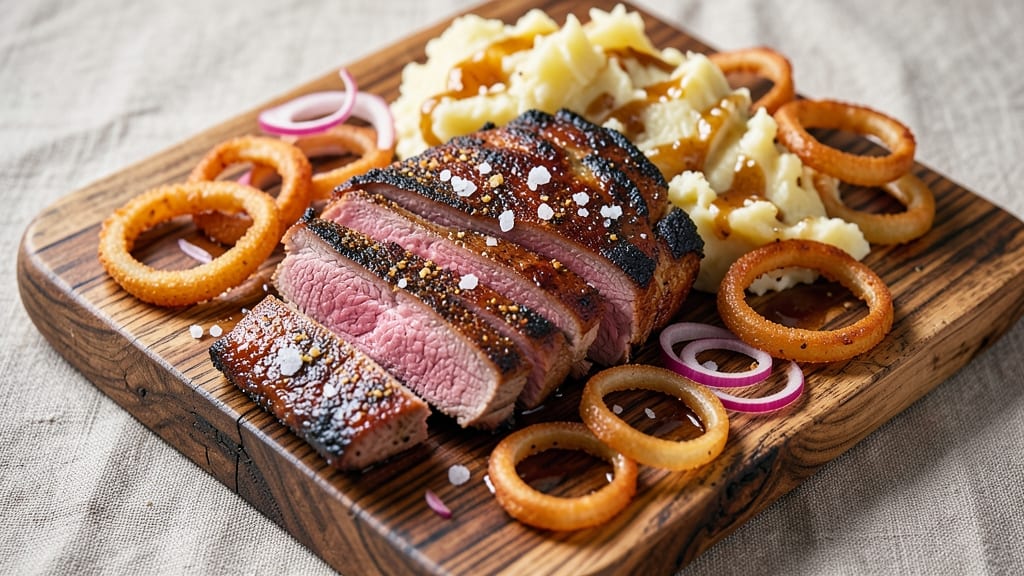
Mastering Gordon Ramsay's beef brisket recipe transforms tough cuts into melt-in-your-mouth perfection with a crispy crust and tender interior. 🔥 The secret lies in precise seasoning, low-and-slow roasting, and monitoring internal temperatures to achieve restaurant-quality results at home.
I've refined this technique over years of teaching brisket classes, where even beginners achieve flawless results with the right method.
This recipe begins with a dry rub of coarse kosher salt, black pepper, and garlic powder, which forms a flavorful bark during roasting. The brisket cooks at 250°F for 6-8 hours, ensuring even doneness without drying out.
A meat thermometer becomes your best friend here—203°F internal temperature guarantees tender perfection when sliced against the grain. Every step builds on professional techniques I've perfected through late-night kitchen experiments.
What you'll end up with is a brisket so rich and flavorful it rivals high-end steakhouses—deep caramelized crust, juicy pink centers, and aromas that fill your kitchen. The slow roasting develops complex meaty flavors while keeping the texture impossibly tender.
This is the kind of brisket that makes people ask "How did you do that?" when they take their first bite.
Serve with classic sides like creamy mashed potatoes, roasted root vegetables, or a tangy horseradish sauce to complete the meal. The brisket's rich flavors pair beautifully with these accompaniments, creating a complete dining experience. Let's get started on crafting your perfect brisket—this is where technique meets delicious results.
Ingredients for gordon ramsay beef brisket
Six ingredients transform tough brisket into restaurant-quality perfection with a caramelized crust and melt-in-your-mouth tenderness.
| Ingredient | Amount | Notes |
|---|---|---|
| Beef Brisket 🥩 | 4 lb | Flat cut, 1-inch thick, trimmed of fat |
| Coarse Kosher Salt 🧂 | ½ cup | Diamond Crystal preferred, for even coating |
| Freshly Ground Black Pepper 🌶️ | 2 tbsp | Freshly cracked for maximum flavor |
| Garlic Powder 🧄 | 1 tbsp | Freshly ground preferred |
| Onion Powder 🧅 | 1 tbsp | For depth without moisture |
| Smoked Paprika 🌶️ | 1 tbsp | For subtle smokiness |
| Brown Sugar 🍯 | 1 tbsp | Lightly packed, for caramelization |
| Unsalted Butter 🧈 | 2 tbsp | Cold, for basting |
| Apple Cider Vinegar 🍎 | 2 tbsp | For tenderizing acidity |
| Beef Tallow or Duck Fat 🍗 | ¼ cup | For high-smoke basting |
| Fresh Rosemary 🌿 | 2 sprigs | For aromatic depth |
| Fresh Thyme 🌿 | 4 sprigs | For herbal complexity |
| Yellow Onion 🧅 | 1 whole | Quartered, for aromatics |
| Carrot 🥕 | 2 whole | Chunked, for sweetness |
| Celery Stalk 🥬 | 2 whole | Chunked, for balance |
The brisket is non-negotiable—flat cut, 1-inch thick, and trimmed of excess fat for even cooking. Local butchers or high-end grocery stores like Whole Foods carry the best cuts, but don’t stress if you find it prepped at Costco or Walmart. Look for vibrant red color and good marbling; avoid anything grayish or overly fatty. I’ve made this with both packer cuts and pre-trimmed, but trimming ensures consistent bark formation. For a true Ramsay touch, let the brisket sit at room temperature for 1 hour before seasoning—this guarantees even cooking.
No smoked paprika? Regular paprika plus a pinch of liquid smoke works in a pinch, but the real magic comes from the Diamond Crystal kosher salt—it clings to the meat better than table salt, creating that coveted crust. The brown sugar is essential for caramelization, but turbinado sugar works too. Short on fresh herbs? Dried rosemary and thyme at half the amount won’t ruin it, though fresh adds that restaurant-quality aroma. The apple cider vinegar tenderizes the meat—substitute lemon juice if needed, but don’t skip it. For basting, beef tallow or duck fat gives the highest smoke point, but ghee or high-quality olive oil will do in a bind.
This brisket tastes even better the next day—rest it 2 hours before slicing against the grain for maximum tenderness. Store leftovers wrapped tightly in butcher paper (not plastic) for 5 days in the fridge, or freeze for 3 months. The crust is delicate, so reheat gently in the oven at 300°F with a splash of beef broth. For a showstopper presentation, slice into ½-inch thick pieces and arrange on a platter with the juices. Trust me, the first bite is worth every hour of slow roasting.
Why You'll Love This Recipe
- I’ll be real: this is my go-to when I’m exhausted but still want something impressive. One pan, minimal chopping, and an hour in the oven while I do whatever else I’m avoiding. The garlic and onion powders add depth without effort, and the result? A dish that feels like a hug for your taste buds. (Yes, even on a Tuesday night.)
- Salt-Crusted Magic: That coarse kosher salt crust? It’s not just seasoning—it’s the secret weapon. I swear, the first time I saw the golden, crackly shell give way to tender beef underneath, I was hooked. No fancy marinades or hours of prep, just salt, pepper, and patience paying off.
- Pantry Powerhouse: Honestly, I keep this recipe in my back pocket for when I forget everything else. Beef brisket, garlic powder, onion powder—these are ingredients I already have. Throw in the salt and pepper, and boom, you’ve got a dish that tastes like it belongs on a restaurant menu, not your weeknight table.
- Leftovers That Win: Between us, the best part isn’t even the first serving. That brisket? It gets better the next day. I’ll slice up the leftovers for sandwiches, toss chunks into a salad, or even shred it for tacos—every time, it’s still the star. No sad, dry meat here; just flavor that lingers.
Step-by-step instructions for slow-roasted beef brisket
Here's the method that delivers restaurant-quality brisket with a perfect crust every time.
🔥 Step 1: Create the Dry Rub and Prep the Brisket
In a medium bowl, combine the 0.5 cup coarse kosher salt, 2 tbsp freshly ground black pepper, 1 tbsp garlic powder, 1 tbsp onion powder, 1 tbsp smoked paprika, and 1 tbsp brown sugar. Mix thoroughly until evenly distributed—this dry rub is the flavor foundation. Real talk: freshly ground pepper makes a noticeable difference, so don't skip cracking it yourself.
Pat the 4 lb beef brisket completely dry with paper towels, focusing on the fat cap and any moisture pockets. This step is non-negotiable for that perfect crust. Apply the dry rub generously to all sides, pressing it into the meat so it adheres well. For extra flavor penetration, let the seasoned brisket sit at room temperature for 1 hour before cooking—this ensures even cooking and maximum seasoning impact.
🍳 Step 2: Sear and Build the Aromatic Base
Heat a Dutch oven over medium-high heat and add the 0.25 cup beef tallow or duck fat. Once the fat is shimmering (not smoking), carefully place the brisket fat-side down in the pan. Let it sear undisturbed for 5 minutes until a deep golden-brown crust forms—this creates the flavor base for your entire dish. Here's the thing: don't move it during this time, even if it looks uneven. Patience here equals flavor payoff.
Remove the brisket and set it aside. In the same Dutch oven, add the 1 whole yellow onion (quartered), 2 whole carrots (chunked), 2 whole celery stalks (chunked), 2 sprigs fresh rosemary, and 4 sprigs fresh thyme. Sauté for 5 minutes until the vegetables soften slightly and release their aromatic oils. Deglaze the pan with the 2 tbsp apple cider vinegar, scraping up all those browned bits—this is where the magic happens.
🥘 Step 3: Braise Low and Slow for Maximum Tenderization
Return the brisket to the Dutch oven, fat-side up, and add enough water to come about halfway up the sides—this creates a proper braising liquid. The exact amount should be roughly 2 cups (you'll have some from the vegetables and vinegar). Bring to a gentle simmer, then reduce heat to low so it maintains a barely bubbling state. Cover and transfer to a 325°F oven for 3 hours. This low-and-slow approach is what transforms tough brisket into melt-in-your-mouth perfection.
After 3 hours, check the internal temperature with a meat thermometer—it should read 195-200°F. If it's not there yet, continue cooking for another 30-60 minutes. The key is patience: brisket needs time to break down collagen and become fork-tender. Don't rush this step. If the liquid reduces too much, add a splash of hot water to maintain moisture.
⏰ Step 4: Rest and Slice for Ultimate Juiciness
Once the brisket reaches the perfect internal temperature, remove it from the oven and transfer to a cutting board. Tent loosely with aluminum foil and let it rest for at least 30 minutes—this crucial resting period allows the juices to redistribute throughout the meat. I know it's tempting to slice immediately, but trust me, this waiting pays off with incredibly juicy results.
After resting, slice the brisket against the grain into ¼-inch thick slices. The grain direction will be visible as lines running through the meat. Serve immediately with the braising liquid (reduced slightly if desired) spooned over the top. Each slice should be tender enough to pull apart with a gentle tug, with a perfect balance of rich, caramelized crust and melt-in-your-mouth interior. This is the moment that matters: where all your effort transforms into an incredible meal.
Pro Tips For Making Gordon Ramsay Beef Brisket
- Sear Until Black: Ramsay-style brisket starts with a proper sear—get that pan screaming hot and let the meat develop a deep crust before touching it. I used to flip too soon, but now I wait until the edges are almost charred before turning, and that’s when the garlic powder really clings instead of just sitting on top.
- Trim the Fat Cap: That thick layer of fat on the brisket? Leave it intact for flavor, but trim it down to about ¼-inch thickness so it renders cleanly without turning to grease. After burning through three batches with soggy bottoms, I learned this—less fat means better control, and the meat stays juicier.
- Salt Before You Sear: Coarse kosher salt isn’t just for after—get it on the brisket at least 45 minutes before cooking so it penetrates. I skipped this once and ended up with a bland crust, no matter how much I peppered it later. Trust me, the salt needs time to work its magic.
- Low and Slow Isn’t Lazy: If you’re finishing in the oven, don’t rush the low-and-slow phase—aim for 225°F and let it crawl. I tried speeding it up once, and the brisket came out tough as shoe leather. Ramsay’s method relies on patience; the internal temp will climb steadily, and the meat will fall apart on its own.
Wine and beer pairings for these flavors
Red Wine Pairings
For this rich, slow-roasted brisket, I always reach for a bold Cabernet Sauvignon from Napa Valley—its dark fruit and earthy notes complement the deep caramelized crust beautifully. A 2018 Robert Mondavi Reserve has been my go-to, with its balanced tannins cutting through the brisket's richness.
If you prefer something with more acidity, a Malbec from Argentina offers juicy plum flavors that stand up to the dish's intensity. 🍷
Full-Bodied Red Blends
For a more complex pairing, try a Syrah-Shiraz blend from Australia. The spicy pepper notes in these wines mirror the brisket's smoky undertones, while their velvety texture matches the meat's tenderness. I've had incredible results with Penfolds Bin 28, which balances fruit-forward flavors with structured tannins.
This is especially effective if your brisket has a touch of sweetness from the brown sugar in the rub.
Beer Complements
A dark amber ale with caramel and toasted malt notes works surprisingly well with brisket. I recommend Samuel Adams Boston Lager—its malty sweetness and subtle hop bitterness provide a refreshing contrast to the rich meat.
For craft beer lovers, a Belgian-style dubbel like Westmalle Tripel adds a fruity complexity that elevates the dish. The alcohol content helps cut through the fat, cleansing your palate between bites. 🍺
Light Options for Balance
If you're serving brisket during summer or prefer lighter pairings, a Pinot Noir from Oregon offers an elegant contrast. Its bright acidity and red fruit flavors won't overpower the brisket but instead highlight its natural richness.
I've found Domaine Serene Pinot Noirs work particularly well, especially when paired with a fresh herb garnish on the brisket. This combination creates a perfect balance for warmer weather meals.
Non-Alcoholic Choices
For those skipping alcohol, a sparkling hibiscus tea with a splash of lime creates an unexpected but refreshing pairing. The tartness of the hibiscus cuts through the brisket's richness while the bubbles cleanse your palate.
Alternatively, a smoked cherry soda like Cherry Coke offers a sweet-tart contrast that many guests actually prefer over traditional pairings. Don't underestimate the power of a well-chosen non-alcoholic drink to elevate your meal. 🌿
Nutrition facts
Frequently asked questions about perfecting beef brisket
Why does my brisket turn out dry even after slow cooking?
Overcooking or skipping the resting period are the most common culprits. Brisket should reach 203°F internal temperature, not higher. Also, never slice it immediately—always rest for at least 30 minutes before cutting. The juices need time to redistribute throughout the meat.
Can I use a different cut of beef instead of brisket?
While this recipe is specifically designed for brisket, you could try a chuck roast or short ribs with similar techniques. However, brisket's unique texture and fat distribution make it ideal for this slow-roasting method. The fat cap creates that signature crust, which is harder to replicate with leaner cuts.
How do I know when the brisket is done without a meat thermometer?
Press the meat gently with your finger—it should feel very tender and almost mushy. The probe should slide in easily, and the juices should run clear (not pink or bloody). For a visual cue, the crust should be deep brown to black, and the meat should pull apart easily when cut.
Should I trim all the fat off my brisket?
Leave a ¼-inch fat cap on the brisket—this renders during cooking to create flavorful drippings and that coveted crust. Trim only the excess fat from the edges. The fat acts as a natural insulator, helping keep the meat moist while creating delicious basting juices.
Can I make this brisket in a slow cooker instead of the oven?
Yes, but you'll need to adjust the method. Sear the brisket first, then place it in the slow cooker with the vegetables and liquid. Cook on low for 8-10 hours until tender. The key difference is the crust—it won't be as caramelized as oven-roasted, but the meat will still be incredibly tender. For best results, finish in a hot oven for 15-20 minutes to develop that crust.