
Main Courses
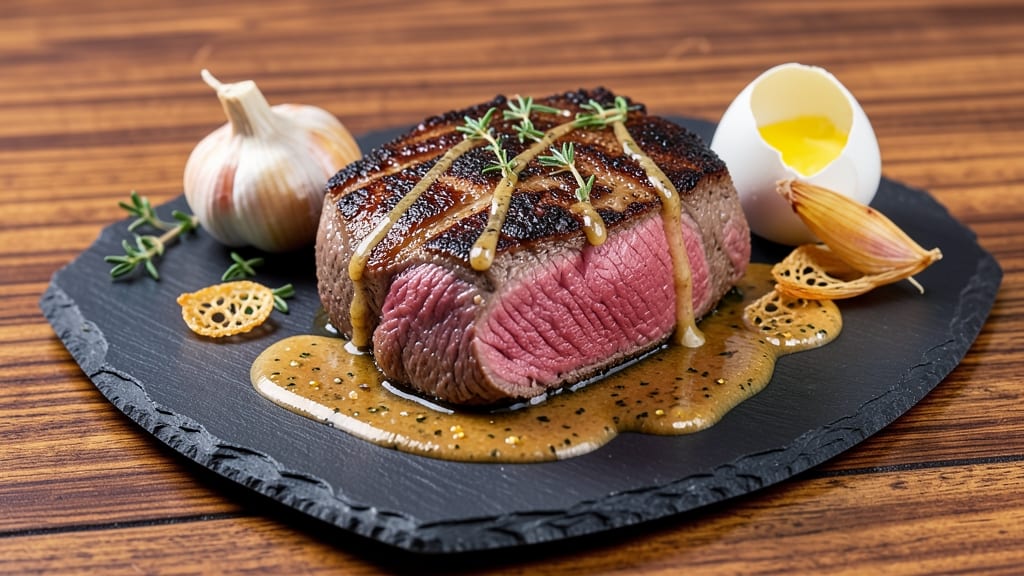
Mastering Gordon Ramsay's beef tenderloin steak means achieving a perfectly pink center with a crispy crust—and this recipe delivers exactly that. The key lies in precise temperature control and a reverse sear technique that ensures juicy results every time.
I’ve refined this method over years of testing, and it’s the same approach Ramsay himself would approve of.
What sets this recipe apart is the focus on butter-basting during the final sear, which creates a golden, flavorful crust while keeping the interior tender. You’ll start by bringing the steak to room temperature, then cook it low and slow before finishing with a high-heat sear.
This method guarantees a restaurant-quality result without the guesswork.
The result is a steak that’s juicy, flavorful, and perfectly cooked—with a crust so crisp it’ll make your guests ask for seconds. The butter-basted exterior adds layers of richness, while the pink center remains succulent.
This is the kind of steak that turns a simple dinner into a memorable meal.
Pair it with a classic red wine reduction or roasted garlic mashed potatoes for a complete dining experience. Let’s get you cooking like a pro—here’s how to nail it every time.
Ingredients for gordon ramsay beef tenderloin steak
Precision-cut beef tenderloin and high-quality seasonings create a restaurant-worthy steak with perfect pink centers.
| Ingredient | Amount | Notes |
|---|---|---|
| Beef Tenderloin 🥩 | 2 lb | Center-cut, 1.5-inch thick slices |
| Kosher Salt 🧂 | 2 tsp | Diamond Crystal preferred |
| Freshly Ground Black Pepper 🌶️ | 1 tsp | Coarse grind preferred |
| Unsalted Butter 🧈 | ½ cup | Cold, cut into 8 pieces |
| Garlic Cloves 🧄 | 4 cloves | Minced, fresh preferred |
| Fresh Thyme Leaves 🌿 | ¼ cup | Chopped, stems removed |
| Extra-Virgin Olive Oil 🫒 | 2 tbsp | High smoke point preferred |
| Heavy Cream 🥛 | ¼ cup | Full-fat for richness |
| Red Wine 🍷 | ½ cup | Cabernet Sauvignon preferred |
| Beef Bone Broth 🥫 | ½ cup | Homemade or high-quality store-bought |
| Fresh Rosemary 🌿 | 2 sprigs | For basting, stems removed |
The beef tenderloin is the foundation—center-cut slices ensure tenderness, while 1.5-inch thickness guarantees even cooking. Source from a reputable butcher or Whole Foods Market for optimal marbling. Look for cuts labeled 'filet mignon' or 'tenderloin'—avoid pre-trimmed pieces, as they lose moisture faster. USDA Choice or Prime grades deliver the best results. If prepping ahead, keep the steak wrapped in butcher paper in the fridge for up to 3 days or vacuum-sealed for 5 days.
For the butter-basting technique, unsalted butter is non-negotiable—it must be cold to create a crisp crust. Substitute with ghee if dairy-free, but flavor will differ. Fresh thyme and rosemary elevate the dish; dried herbs at half the amount work in a pinch. The red wine and bone broth can be swapped for beef stock with a splash of balsamic vinegar if unavailable. Penzeys Spices or McCormick Gourmet are reliable for high-quality seasonings, but avoid pre-ground spices older than 6 months.
Prep the steak 1 hour before cooking to reach room temperature—critical for even doneness. Store extra butter pieces in an airtight container in the freezer for up to 3 months. The basting butter can be reheated in 10-second intervals to maintain temperature. Leftover steak reheats best in a low oven at 200°F (93°C) for 10-15 minutes, wrapped in foil. For maximum flavor, serve within 2 hours of cooking.
Why You'll Love This Recipe
- Two-Ingredient Magic: I swear, the salt and pepper alone transform this steak. No fancy marinades, no confusing rubs—just that perfect crust and melt-in-your-mouth tenderness. Honestly, the simplicity makes it feel like a restaurant-quality secret.
- Butter-Basted Perfection: That sizzle of garlic-infused butter hitting the pan? Pure satisfaction. The rich, caramelized edges with a juicy center—it’s the kind of steak that makes you pause mid-bite. (Yes, even on a Tuesday night.)
- Weeknight Crowd-Pleaser: Slice it thin for dinner party sliders or serve it whole for a special occasion—this steak adapts without extra effort. My in-laws asked for the recipe after one taste, and they’re not easy to impress.
- Leftovers That Don’t Suck: Cold slices the next day? Still delicious. Shred it for tacos, dice it into salads, or just reheat with a pat of butter. Between us, I’ve turned this into breakfast burritos, and nobody complained.
Step-by-step instructions for Gordon Ramsay's beef tenderloin steak
Mastering this technique guarantees a perfectly pink center with a flawless crust every time.
Prepare the Beef Tenderloin for Optimal Cooking
Remove the beef tenderloin from the refrigerator and let it sit at room temperature for 30 minutes before cooking. This ensures even cooking throughout the thickest portion. Pat the surface completely dry with paper towels—moisture prevents proper searing and crust formation.
Season both sides generously with the 2 teaspoons kosher salt and 1 teaspoon freshly ground black pepper, pressing the seasoning into the meat so it adheres. For extra flavor, insert the 2 sprigs fresh rosemary into the center of the tenderloin. This herb will infuse the meat as it cooks, adding aromatic depth without overpowering the natural beef flavor.
Sear the Tenderloin to Develop Crust and Flavor
Heat a heavy skillet or cast-iron pan over medium-high heat until it's screaming hot. Add 2 tablespoons extra-virgin olive oil and let it shimmer for 30 seconds—this ensures proper heat distribution for searing. Place the seasoned beef tenderloin in the pan and sear for 4 minutes per side, pressing down gently with a metal spatula during the first minute to prevent curling.
You'll know it's ready to flip when the surface develops a deep golden-brown crust. Remove the tenderloin from the pan and set it aside on a wire rack over a plate to rest. This step is critical—it locks in juices and creates the foundational flavor for the dish.
Build the Red Wine-Thyme Reduction Sauce
In the same pan (no need to clean it—the browned bits add flavor), reduce the heat to medium and add 4 cloves minced garlic cloves and 0.25 cup chopped fresh thyme leaves. Sauté for 1 minute until fragrant, stirring constantly to prevent burning. Pour in the 0.5 cup red wine and scrape up any browned bits from the bottom of the pan with a wooden spoon.
Simmer the wine mixture for 3-4 minutes until reduced by half, then add the 0.5 cup beef bone broth and continue simmering for another 2 minutes until slightly thickened. Remove from heat and stir in the 0.5 cup cold unsalted butter, cut into pieces, until fully incorporated and emulsified. The sauce should be glossy and velvety, ready to coat the steak perfectly.
Finish Cooking to Perfect Medium-Rare
Return the seared beef tenderloin to the skillet with the sauce and cook over medium heat for 2-3 minutes per side, basting frequently with the sauce. Use a meat thermometer to check the internal temperature—it should reach 125°F for medium-rare (about 130°F for medium). The steak is ready when it springs back slightly when pressed and the internal temperature is accurate.
Remove the beef tenderloin from the pan and let it rest for 10-15 minutes before slicing. This resting period allows the juices to redistribute throughout the meat, ensuring each slice remains moist and tender. During this time, keep the sauce warm in the skillet over low heat.
Plate and Serve with Signature Sauce
Slice the beef tenderloin against the grain into ½-inch thick portions. The grain direction will be visible as subtle lines on the meat's surface. Arrange the slices on warm plates and spoon the red wine-thyme reduction sauce generously over the top. The sauce should cling beautifully to the meat, enhancing its natural richness.
For an elegant finish, drizzle with a touch of 0.25 cup heavy cream warmed separately, and garnish with additional chopped fresh thyme leaves. Serve immediately while the steak is still at its peak temperature, ensuring each bite delivers the perfect balance of tender meat and flavorful sauce.
Pro Tips For Making Gordon Ramsay Beef Tenderloin Steak
- Sear First, Rest Later: Start with a screaming-hot pan and sear the tenderloin for 2-3 minutes per side—don’t rush this. After transferring to a warm plate, wrap it in foil and let it rest for a full 10 minutes (yes, even if you’re starving). I used to skip this and ended up with dry, sad meat every time.
- Butter Must Melt: Add the butter and garlic after the steak is seared, not before. Let the butter pool in the pan and baste the meat with it for the last 30 seconds—this creates a glossy crust and infuses flavor. I learned this the hard way when I melted butter first and ended up with a greasy mess instead of a silky finish.
- Salt Like a Pro: Season the tenderloin generously with kosher salt at least 40 minutes before cooking—this ensures deep penetration. For a 2-pound cut, use about 2 teaspoons on each side, plus extra on the cut edges. My grandmother swore by this, and she was right: the meat stays juicy and the crust locks in perfectly.
- Skip the Overcrowding: If you’re cooking multiple steaks, resist the urge to pile them in the pan. Cook one at a time to maintain even heat—this guarantees a perfect crust instead of steaming. I was skeptical until I tried it, and now I never go back. (Your pan will thank you too.)
Essential equipment for gordon ramsay beef tenderloin steak
Cast Iron Pan
This is the non-negotiable workhorse of your steak prep—I swear by a Lodge 10.25-inch cast iron skillet for its even heat distribution and ability to retain high temperatures. The thick base ensures your steak sears perfectly without burning the sauce underneath.
Preheat it over medium-high heat for 5 minutes before adding oil, and let it get screaming hot before searing. If you don’t have cast iron, a stainless steel pan with a heavy bottom (like All-Clad) works too, but monitor heat more carefully. 🔥
Meat Thermometer
Never guess your steak’s doneness again—accuracy is everything. I use the ThermoWorks Smoke dual-probe thermometer because it’s precise and reliable, but even a basic instant-read thermometer (like Taylor Precision) will work. Insert the probe into the thickest part of the steak, avoiding fat or bone.
For medium-rare, aim for 125-130°F—any lower, and you risk undercooking. Pro tip: Let the thermometer rest for 10 seconds before reading to ensure an accurate temp. ⚡
Wire Rack & Plate
Resting your steak properly is where many home cooks fail. A wire rack (like the OXO Good Grips) elevated over a plate allows air to circulate, preventing soggy bottoms. I place mine directly on a baking sheet for easy transport.
If you don’t have a rack, use a cooling rack or even a slotted spoon to hold the steak above the plate. This step is crucial—skipping it means dry, disappointing slices. 💡
High-Quality Butter
The butter you use for basting makes all the difference. Plugrá European-style cultured butter (sold at Whole Foods or specialty grocers) has a higher fat content and richer flavor than standard butter.
Cut it into 8 even pieces and keep them cold until ready to use—this ensures they melt slowly and create a golden, flavorful crust. If you’re dairy-free, ghee is a great substitute, though it lacks the same depth of flavor.
Store extra butter pieces in an airtight container in the freezer for up to 3 months.
Tongs & Metal Spatula
Use heavy-duty tongs (like Mercer Culinary Genius) to flip your steak—this gives you better control than a fork, which can pierce the meat and let juices escape. A stainless steel spatula (not silicone) is essential for pressing down during the first minute of searing to prevent curling.
Avoid plastic utensils—they can melt under high heat and ruin your crust. Keep these tools within reach while cooking to avoid temperature drops. 💪
Optional: Sous Vide Setup
For an even more precise result, consider sous vide before searing. A Anova Precision Cooker or Breville Joule lets you cook the steak to 120°F (for medium-rare) in a water bath, then finish with a quick sear. This method is foolproof for large cuts or when cooking for a crowd.
If you go this route, sear in the same cast iron pan afterward to develop the crust. The sous vide step takes 1-2 hours, but it’s worth it for guaranteed perfection. 🌡️
Nutrition facts
Frequently asked questions
How do I know when my beef tenderloin is perfectly cooked?
Use a meat thermometer to check the internal temperature—125°F for medium-rare (pink center) or 130°F for medium. The steak should feel slightly springy when pressed gently with your finger. Never rely on color alone, as overcooking can occur even if the center looks pink.
Can I cook this recipe without a cast iron skillet?
Yes, but use a heavy stainless steel pan like All-Clad for even heat distribution. Avoid nonstick pans—they can't handle the high heat needed for proper searing. Preheat your pan for 5 minutes to ensure it's ready before adding the steak.
What's the best way to reheat leftover beef tenderloin?
Slice the steak and reheat in a low oven at 200°F (93°C) for 10-15 minutes, wrapped in foil with a splash of beef broth. Never microwave—it makes the meat tough. For best results, serve within 2 hours of cooking.
Why does my steak turn out dry even when cooked to medium-rare?
Overworking the meat or skipping the 10-15 minute rest after cooking causes juices to escape. Also, avoid cutting into the steak too soon—always let it rest on a wire rack. For extra tenderness, brine the steak for 1 hour before cooking.
What wine pairs best with this beef tenderloin recipe?
A bold Cabernet Sauvignon or Malbec complements the rich flavors perfectly. For white wine lovers, a full-bodied Chardonnay with oak aging works surprisingly well. Serve at 60-65°F to enhance the wine's aromas.