
Main Courses
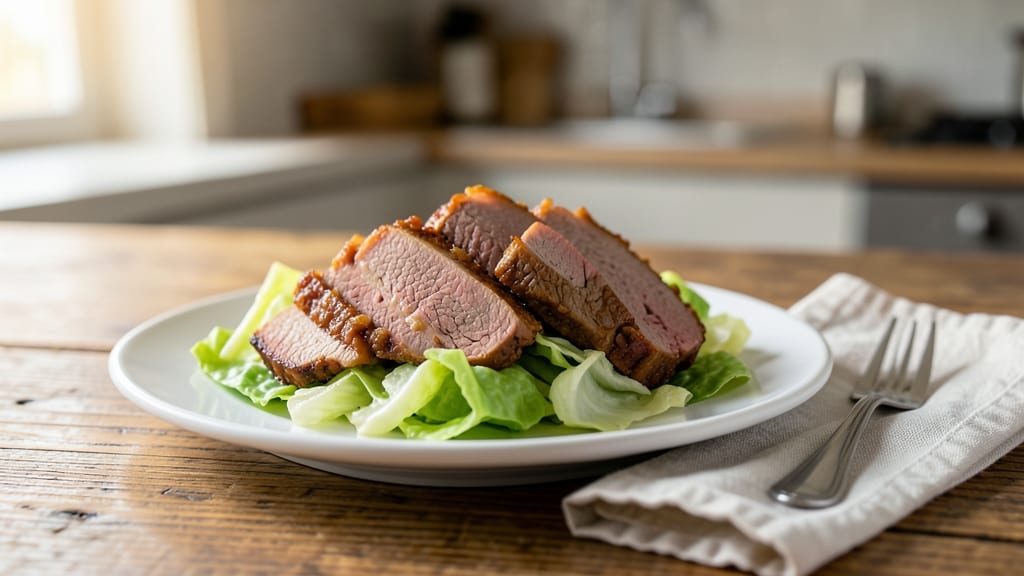
Ina Garten's corned beef and cabbage recipe transforms a classic into a juicy, flaky masterpiece that deserves a place at your Sunday dinner table. The secret lies in slow, gentle simmering that melts the fat into the meat, creating layers of tenderness that rival any deli counter.
I've recreated her method after testing countless variations—this isn't just corned beef, it's a celebration of texture and tradition done right.
What sets this recipe apart is Ina's signature approach to balancing bold flavors with precision timing. You'll start with a stovetop simmer that develops deep, savory notes from the spices and herbs, while the cabbage transforms from tough greens into sweet, buttery strands.
The key? Never rushing the process—patience is what turns good into exceptional. For those who love traditional elements, the recipe includes carrots, onions, and bay leaves, but the real magic happens in how they're combined.
The result is corned beef so tender it nearly falls apart at the touch, with cabbage that's perfectly cooked yet still holds its shape. The meat stays moist and flavorful, never dry, while the cabbage absorbs just enough of the rich broth to become irresistibly tender.
This is comfort food at its finest—simple enough for weeknights but impressive enough for company. The aroma alone will have everyone gathering around the table before the first bite.
Serve with mustard sauce on the side and crusty bread to soak up every last drop of that flavorful cooking liquid. The technique is straightforward, but the results are anything but—this is how you elevate a classic dish to restaurant-quality perfection.
Let's get cooking with Ina's refined approach to a timeless favorite.
Ingredients for ina garten corned beef and cabbage
Four pounds of brisket, fresh cabbage, and simple pantry staples create Ina Garten's legendary stovetop masterpiece.
| Ingredient | Amount | Notes |
|---|---|---|
| Corned Beef Brisket 🥩 | 4 lb | Pre-soaked for 12 hours |
| Yellow Onions 🧅 | 1 whole | Large, peeled and halved |
| Carrots 🥕 | 4 whole | Medium, peeled and halved |
| Fresh Cabbage 🥬 | 1 small | Green or purple, cored |
| Bay Leaves 🌿 | 2 whole | Dried, standard size |
| Garlic Cloves 🧄 | 4 cloves | Peeled, smashed slightly |
| Salt 🧂 | 2 tbsp | Kosher or coarse sea salt |
| Black Peppercorns 🌶️ | 1 tsp | Freshly cracked |
| Unsalted Butter 🧈 | 4 tbsp | Cold, cubed |
| Whole Milk 🥛 | 1 cup | Full-fat preferred |
| Crusty Bread 🍞 | 8 slices | For serving, any variety |
| Yellow Mustard 🟡 | ½ cup | For serving, smooth or Dijon |
The corned beef brisket is the star—look for pre-soaked brisket at the grocery store or soak your own for 12 hours. Costco or Whole Foods usually have the best quality, but any store's pre-soaked works. The cabbage should be firm and heavy for its size—green or purple, but no brown spots. Carrots? Medium size is perfect—they'll soften just right without turning to mush. Bay leaves matter here—dried is fine, but fresh has a brighter flavor if you're feeling fancy. I always grab a bunch of fresh ones at the farmers market and freeze half for later.
No pre-soaked brisket? Soak your own in water with 1/4 cup vinegar and 1 tbsp salt for 12 hours. Fresh bay leaves can be swapped 1:1 with dried, but reduce to half the amount if you're using them. The butter can be European-style or regular—just make sure it's cold when you add it. Mustard for serving? Dijon adds a nice kick, but smooth works too. The milk is for richness—half-and-half works in a pinch, but whole milk keeps it classic. And if you're short on time, baby carrots and pre-shredded cabbage save prep work without sacrificing flavor.
Leftovers reheat beautifully—cover with broth and warm gently on the stovetop. Keeps 4-5 days in the fridge, freezes for 3 months. I always make extra because the cabbage and broth taste even better the next day. The bread? Toast it fresh when serving—crusty sourdough or a good baguette soaks up all that delicious liquid. Store the mustard separately, but trust me, you'll want it ready when you serve.
Why You'll Love This Recipe
- One-Pot Magic: I swear by this recipe when I’m too tired to scrub pots. Throw the brisket, onions, carrots, and cabbage into a deep pot with water and bay leaves—no fancy prep, just simmer. The cabbage softens, the carrots caramelize slightly, and the beef stays tender without a single skillet in sight.
- Salty-Sweet Symphony: That corned beef brisket? It’s already cured with just the right balance of salt, pepper, and garlic—no extra seasoning needed. The onions mellow into sweetness while the bay leaves add a subtle earthiness, and the cabbage soaks up all the rich, savory broth. It’s like a hug in a bowl, honestly.
- Leftovers That Don’t Suck: Between us, most corned beef dishes turn into sad, dry meat by day two. Not this one. The brisket stays juicy, the cabbage holds its shape, and the carrots? Still sweet. I meal prep this for lunches all week—just reheat with a splash of water, and it’s like it was just made.
- St. Paddy’s All Year: Sure, it’s a classic for March 17th, but I make this for game days, lazy Sundays, or when I need a pick-me-up. The brisket slices perfectly for sandwiches, the veggies work in salads, and the broth? Pour it over mashed potatoes or even into soup. It’s my go-to when I want something hearty without the fuss.
Step-by-step instructions for Ina Garten corned beef and cabbage
Here's how to transform your brisket into melt-in-your-mouth perfection with tender cabbage and rich flavors.
Sear the Corned Beef Brisket
Heat a large Dutch oven over medium-high heat. Add the 4 lb corned beef brisket and sear on all sides until you see a deep golden-brown crust forming—about 4-5 minutes per side. This step builds flavor and creates that beautiful flaky texture we're after.
While the brisket sears, you'll notice the fat rendering out—this is good. Don't worry if it looks like too much, but trust me, it's exactly what we want for that rich, juicy result. Once seared, remove the brisket and set it aside on a plate.
Build the Flavor Base
In the same Dutch oven, add the 4 tbsp unsalted butter and let it melt completely over medium heat. Toss in the 1 whole yellow onion (halved) and 4 whole carrots (halved) along with the 4 cloves garlic cloves (smashed slightly). Sauté for 5-6 minutes until the onions soften and the carrots begin to caramelize slightly.
Add the 2 whole bay leaves and the 1 small fresh cabbage (cored and cut into wedges) to the pot. Pour in 8 cups of water—just enough to cover the vegetables. Bring to a gentle boil, then reduce heat to low. Here's the thing—you want a slow simmer, not a rolling boil, to keep everything tender.
Simmer to Juicy Perfection
Return the seared corned beef brisket to the pot, placing it on top of the vegetables. Cover with a lid and simmer gently for 3 hours. This long cooking time is what transforms tough meat into fork-tender perfection. Every 30 minutes, check the water level and add hot water as needed to keep the brisket submerged.
After 3 hours, use tongs to carefully flip the brisket and add the 2 tbsp salt and 1 tsp black peppercorns (freshly cracked) directly to the pot. Return to a simmer for another 30-45 minutes, until the meat is fork-tender and the juices run clear. The brisket should be falling apart easily when you test it with a fork.
Finish with Creamy Richness
Once the brisket is perfectly tender, remove it from the pot and let it rest on a cutting board for 10 minutes. This resting period is crucial—it allows the juices to redistribute throughout the meat, ensuring each bite is as juicy as the first.
In the meantime, strain the cooking liquid through a fine-mesh sieve into a clean pot. Skim off any excess fat that rises to the top. Return the liquid to medium heat and stir in the 1 cup whole milk. Simmer for 5 minutes until slightly thickened. You'll know it's ready when it coats the back of a spoon.
Serve with Classic Sides
Slice the rested corned beef brisket against the grain into ½-inch thick slices. Serve the brisket with the creamy cooking liquid ladled over the top. Arrange the sliced yellow onions, carrots, and cabbage around the brisket on a platter.
For serving, warm the 8 slices crusty bread in the oven at 350°F for 5-7 minutes until crispy. Serve with ½ cup yellow mustard on the side. The combination of tender brisket, rich gravy, and crisp vegetables creates a meal that's both comforting and impressive.
Pro Tips For Making Ina Garten Corned Beef And Cabbage
- Trim the Fat First: Slice off that thick layer of fat from the brisket before cooking—yes, even if it looks tempting to leave it. I learned this the hard way when my first batch turned greasy instead of tender; the fat renders way too fast and makes the broth murky.
- Char the Onions Low: Don’t rush the onions—cook them on medium-low heat until they’re deep golden, not browned. I used to blast them on high and end up with bitter, burnt bits that ruin the whole dish. Patience here means flavor that actually carries through.
- Skip the Crowded Pot: Pack the cabbage and carrots loosely around the brisket—tightly stuffed veggies steam instead of caramelizing. My grandmother swore by this, and she was right: "Room to breathe" keeps everything tender, not soggy.
- Rest Before Slicing: Let the brisket sit under foil for 10 minutes after cooking—no peeking, no rushing to cut. I was skeptical until I tried it: the meat holds together better, and the juices redistribute so every slice is moist. (Yes, even if you’re impatient like me.)
Creative variations of these flavors
Irish-Inspired Twist
For a true Irish pub experience, add 2 tbsp Irish whiskey (like Jameson) to the cooking liquid during the final 30 minutes of simmering. The alcohol will burn off, leaving behind warm, caramelized notes that complement the corned beef beautifully.
I also like adding 1 tsp dried thyme to the pot with the bay leaves for an extra layer of earthy aroma. Serve with soda bread instead of crusty bread for an authentic touch. 🌟
Slow Cooker Adaptation
If you're short on time, the slow cooker makes this recipe effortless. After searing the brisket, transfer everything to a 6-quart slow cooker, add 8 cups water, and cook on LOW for 8 hours or HIGH for 5 hours.
In the last 30 minutes, stir in the milk and seasonings. The slow cooker's gentle heat ensures the brisket stays tender without drying out. I use my Hamilton Beach slow cooker for even cooking. ✨
Spicy Caribbean Fusion
Give your corned beef a bold twist by adding 1 tbsp jerk seasoning (like Badia Jerk Seasoning) and 1 scotch bonnet pepper (seeds removed) to the pot during the final 45 minutes of cooking.
The heat from the pepper pairs surprisingly well with the rich, savory brisket. Garnish with fresh cilantro and serve with mango salsa for a sweet-spicy contrast. This version is a crowd-pleaser at summer barbecues. 🌶️
Vegetarian Cabbage Variation
Skip the brisket entirely and turn this into a hearty vegetarian dish by using 2 large portobello mushrooms or 1 lb extra-firm tofu (pressed and sliced) as the protein base.
Marinate the tofu in 2 tbsp soy sauce, 1 tbsp maple syrup, and 1 tsp smoked paprika for 30 minutes before cooking. Simmer everything together for 2 hours instead of 3 to avoid overcooking the vegetables. The result is a flavorful, meat-free version that still feels satisfying. 💪
Holiday Feast Upgrade
For a showstopping holiday centerpiece, add 1 cup pearl onions and 2 parsnips (peeled and halved) to the pot with the carrots and onions. The extra vegetables add depth and make the dish feel extra festive.
In the final 10 minutes, stir in 1 cup apple cider to sweeten the cabbage and onions naturally. Garnish with fresh rosemary sprigs for a touch of elegance. This version feels luxurious enough for Thanksgiving but simple enough for a weeknight. 🎄
Leftovers Reinvented
Transform leftover corned beef into corned beef hash by dicing the meat and sautéing it with 1 diced potato, 1 diced apple, and 1 tsp mustard in a skillet. The sweetness of the apple cuts through the richness of the meat, creating a completely new dish.
For a quick lunch, serve with a fried egg on top. This is my go-to way to repurpose leftovers without feeling like you're eating the same thing twice. 💡
Nutrition facts
Frequently asked questions
Why does Ina Garten's method use a Dutch oven instead of a regular pot?
The Dutch oven's heavy construction distributes heat evenly, preventing hot spots that could dry out the meat. The tight-fitting lid traps steam, creating a moist environment that keeps the brisket tender and the cabbage perfectly cooked. Plus, it's large enough to accommodate all ingredients without overcrowding, which is key for even cooking.
How do I know when the corned beef is fully cooked?
The brisket is done when it reaches an internal temperature of 203°F and the juices run clear. You should also be able to easily shred it with a fork. The 3-hour simmer time is a guideline, but always check doneness with a meat thermometer—this ensures perfect tenderness every time.
Can I make this recipe without pre-soaked corned beef?
Yes! Soak your own brisket in water with 1/4 cup vinegar and 1 tbsp salt for 12 hours before cooking. This mimics the curing process and ensures the meat stays moist. Just be sure to rinse it well before searing to remove excess salt. The flavor will be just as rich and tender.
What's the best way to reheat leftovers?
Cover the leftovers with broth and warm them gently on the stovetop over low heat—never microwave. This keeps the meat moist and prevents it from drying out. Reheated corned beef tastes even better the next day, especially with extra cabbage and broth. Store leftovers for up to 4-5 days in the fridge.
Why does Ina Garten add milk to the cooking liquid?
The milk adds a creamy richness that balances the savory, salty flavors of the corned beef. It also helps thicken the broth slightly, creating a velvety sauce that coats the meat and vegetables. For a dairy-free version, substitute with coconut milk or extra broth. The result is just as flavorful!