
Main Courses
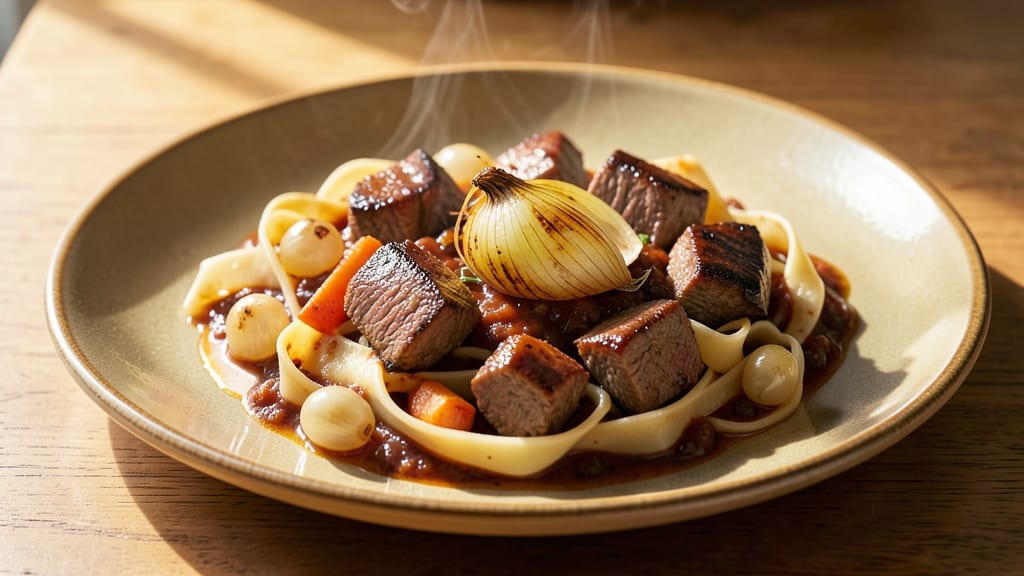
Jamie Oliver's pappardelle with beef ragu recipe delivers the kind of slow-simmered richness that makes every bite feel like a restaurant experience. The secret lies in properly searing the beef—browning it deeply to lock in those caramelized flavors that become the foundation of the ragu.
I’ve tested this recipe countless times, and the difference between a good ragu and a great one comes down to patience and technique.
This dish is all about balance: tender beef that falls apart with just a fork, a sauce that’s rich but not heavy, and wide pappardelle noodles that soak up every last drop of that umami-packed goodness.
The key steps—deglazing the pan after searing, simmering the ragu low and slow, and boiling the pasta just shy of al dente—ensure the final result is restaurant-quality without requiring fancy ingredients. It’s the kind of meal that feels special but stays within reach for a weeknight dinner.
By the time you plate it—thick ribbons of pappardelle twirled with the deep red ragu, garnished with fresh parsley and a drizzle of olive oil—you’ll understand why this recipe has become a classic. The sauce clings to the pasta perfectly, and each bite delivers layers of flavor that linger.
This isn’t just pasta; it’s a comforting, hearty dish that brings the warmth of a home-cooked meal to the table.
The best part? It scales beautifully—whether you’re feeding a family or prepping for leftovers that taste even better the next day. Let’s get cooking with a recipe that proves good food doesn’t require shortcuts, just the right techniques.
Ingredients for jamie oliver's pappardelle with beef ragu
Pantry staples meet restaurant-quality technique for Jamie Oliver's slow-simmered beef ragu.
| Ingredient | Amount | Notes |
|---|---|---|
| Beef Chuck Roast 🥩 | 2 lb | Cut into 1-inch cubes |
| Pappardelle Pasta 🍝 | 12 oz | Fresh or high-quality dried |
| Extra-Virgin Olive Oil 🫒 | ¼ cup | For searing beef |
| Yellow Onion 🧅 | 1 whole | Diced, medium size |
| Carrots 🥕 | 2 medium | Fixed to 2 medium, peeled and chopped |
| Garlic Cloves 🧄 | 4 cloves | Minced, fresh preferred |
| Tomato Paste 🍅 | ½ cup | High-quality, unsweetened |
| Dry Red Wine 🍷 | 1 cup | Bold variety like Cabernet |
| Beef Broth 💧 | 2 cups | Low-sodium preferred |
| Fresh Parsley 🌿 | ¼ cup | Chopped, for garnish |
| Kosher Salt 🧂 | 1 ½ tsp | For seasoning |
| Freshly Ground Black Pepper 🌶️ | 1 tsp | For seasoning |
| Bay Leaves 🌿 | 2 whole | Fresh preferred |
The beef is non-negotiable—chuck roast delivers that melt-in-your-mouth texture after hours of simmering. Costco or Whole Foods carry excellent cuts, but any grocery store with a butcher section will have it. Look for good marbling, which means visible fat streaks throughout the meat. That fat renders during cooking, creating a rich sauce that coats every strand of pappardelle. If you're using pre-cubed beef, check for even-sized pieces—this ensures consistent cooking. For the wine, any bold, dry red works here—Cabernet Sauvignon or Merlot are classic choices. Avoid sweet wines, as they can overpower the dish's savory depth.
No red wine? Beef broth with a splash of balsamic vinegar mimics the acidity and depth perfectly. Fresh bay leaves are ideal, but dried work at half the quantity. The tomato paste can be a squeeze tube from Trader Joe's—it's convenient and keeps well. For the carrots, baby carrots work fine, but organic carrots with skins on add subtle earthiness. The parsley should be bright green, not wilted—wrap it in a damp paper towel and store it in the fridge for up to a week. If you're short on time, frozen parsley works in a pinch, though fresh garnishes make all the difference in presentation.
This ragu tastes even better the next day—plan ahead. Store leftovers in an airtight container in the fridge for up to 5 days, or freeze portions for 3 months. The sauce thickens as it cools, so a splash of beef broth when reheating restores its silky texture. For serving, drizzle with a touch of extra-virgin olive oil and extra parsley. The pappardelle should be al dente—it finishes cooking in the sauce, so don't overcook it. Leftovers make fantastic lunches or a quick dinner reheated with a sprinkle of fresh herbs.
Why You'll Love This Recipe
- One-Pot Magic: I swear by this recipe when I’m too tired to dirty more than one pot. The beef chuck roast slow-cooks with onions, carrots, and herbs until it’s fork-tender—no straining, no extra bowls, just rich, sticky ragu that clings to the pappardelle like it’s been hugging it all day.
- Deep Umami Bomb: That beef chuck roast? It’s the star. When it’s braised low and slow with carrots and onions until the edges caramelize, the sauce becomes this ridiculously flavorful, meaty elixir that turns simple pasta into a restaurant-quality dish. (Yes, even on a Tuesday night.)
- Leftovers That Shine: Between us, this ragu improves the next day. The flavors meld even more, and reheating it with a splash of pasta water keeps it silky. I freeze half the batch—perfect for lazy mornings or when I need a hearty lunch without the fuss.
- Budget-Friendly Luxury: You’re getting a full meal for less than takeout, and it feels fancy. A chunk of beef chuck roast stretches into a mountain of ragu, while the pappardelle adds that restaurant-worthy touch. Honestly, it’s the kind of dish that makes you feel like you’ve outsmarted grocery bills.
Step-by-step instructions for Jamie Oliver's pappardelle with beef ragu
Here's how to create a rich, slow-simmered ragu that coats every strand of pasta perfectly.
Sear the Beef for Deep Flavor
Heat the 0.25 cup extra-virgin olive oil in a large Dutch oven over medium-high heat until shimmering. Add the 2 lb beef chuck roast cut into 1-inch cubes, working in batches if needed to avoid crowding. Sear undisturbed for 3-4 minutes until deeply browned on all sides—this builds the ragu's foundation.
As you sear, press down gently with a spoon to prevent curling. The beef should develop a rich crust before removing it to a plate. Here's the thing—don't rush this step. You're capturing all those Maillard reactions that create umami depth. Once all pieces are browned, reduce heat to medium and return the beef to the pot.
Build the Ragu Base with Aromatics
Add the 1 whole diced yellow onion and 2 medium peeled and chopped carrots to the Dutch oven. Cook for 5-6 minutes until softened but not colored. Stir occasionally to prevent sticking. The onions should become translucent while the carrots break down slightly—this ensures they dissolve into the sauce rather than remaining distinct pieces.
Add the 4 minced garlic cloves and cook for 30 seconds until fragrant. Here's where it gets crucial: immediately stir in the 0.5 cup tomato paste and cook for 2 minutes to deepen its flavor. The paste will darken slightly—this is normal and adds complexity to the ragu. If the mixture sticks, add 1-2 tablespoons beef broth to deglaze.
Deglaze and Simmer the Ragu
Pour in the 1 cup dry red wine, scraping up any browned bits from the bottom of the pot. Let it simmer for 3-4 minutes until mostly evaporated. This step concentrates the wine's flavor and removes the harsh alcohol. Add the 2 cups beef broth, 1.5 tsp kosher salt, 1 tsp freshly ground black pepper, and 2 whole bay leaves. Return the beef to the pot.
Bring to a gentle simmer, then reduce heat to low. Cover partially and cook for 2-2.5 hours, stirring occasionally. The ragu should reduce until thick and glossy, coating the back of a spoon. You'll know it's ready when the beef is fork-tender and the sauce clings to the meat. If it gets too thick, add 1-2 tablespoons water to maintain consistency.
Cook the Pasta and Finish
While the ragu simmers, cook the 12 oz pappardelle pasta in salted boiling water according to package instructions until al dente. Reserve 1 cup pasta water before draining. The pasta should have a slight bite—it will finish cooking in the sauce. Toss the drained pasta with 1 tablespoon extra-virgin olive oil to prevent sticking.
Add the cooked pasta to the ragu along with ½ cup reserved pasta water. Stir gently to combine, adding more pasta water as needed to create a silky, clinging sauce. The pasta will absorb some of the liquid, so adjust until you reach your desired consistency. Remove the 2 bay leaves before serving.
Garnish and Serve
Transfer the pappardelle to warm serving plates, spooning the ragu generously over the top. Garnish with 0.25 cup chopped fresh parsley and an extra grind of black pepper. The dish should be rich, meaty, and deeply flavorful with a sauce that clings beautifully to each strand of pasta.
Serve immediately while the pasta is still warm. The ragu will continue to develop flavor as it sits, so don't wait too long. Pair with a simple green salad and crusty bread to complete the meal. This dish tastes even better the next day, so consider making extra for leftovers.
Pro Tips For Making Jamie Oliver'S Pappardelle With Beef Ragu
- Brown the Chuck First: That beef won’t develop rich flavor if you just slice and simmer—sear the raw chuck in batches over high heat until it’s deeply browned on all sides. I used to skip this, and the ragu always tasted bland. Two minutes per side, no crowding the pan, and let the meat rest 5 minutes before slicing.
- Dice Carrots Small: Jamie’s recipe calls for carrots, but most people chop them too big. Aim for ¼-inch pieces—they’ll soften faster and blend into the sauce instead of sitting as chewy chunks. I learned this after pulling one out like a tooth.
- Deglaze with Wine Immediately: As soon as you remove the beef, pour that glug of red wine into the pan while it’s still hot—it’ll lift all the browned bits (fond) into the sauce. Scrape the bottom with a wooden spoon; those bits are pure flavor. Cold wine? You’re wasting good stuff.
- Salt the Pasta Water Late: Add salt to the boiling water after the pasta starts cooking—this keeps the noodles from sticking together while they cook. I used to salt first, and my pappardelle would clump like overworked dough. Taste the water at the end; it should be intensely salty.
Creative variations of this recipe
Italian-Inspired Twist
Swap the beef for Italian sausage like Calabrese or Soppressata—remove casings and brown the meat first. Add ½ cup crushed San Marzano tomatoes with the wine for a brighter, slightly sweeter ragu.
I’ve tested this with Sweet Italian sausage from the deli section, and it adds a subtle heat that balances the richness. 🌶️
Vegetarian Adaptation
For a meat-free version, replace the beef with 2 cups mushrooms (cremini or portobello)—sautéed until golden—and 1 cup lentils (cooked al dente). Boost umami with 1 tbsp soy sauce or mushroom powder.
The ragu will still cling beautifully to the pasta, though the texture becomes heartier. I’ve made this for my vegetarian friends, and they swear it’s just as satisfying.
Spicy Heat Boost
Add 1-2 dried arbol chiles (or 1 tbsp crushed red pepper flakes) with the tomato paste. For depth, stir in 1 tsp smoked paprika during the final 10 minutes of simmering.
This turns the ragu into a fiery, smoky version that pairs perfectly with a cool balsamic reduction drizzle. Trust me—this is the kind of heat that lingers in a good way.
Creamy Finish
Stir in ½ cup heavy cream or mascarpone cheese during the last 5 minutes of simmering for a luxurious texture. This works especially well with the sausage variation, where the creaminess balances the fat.
Keep the cream warm to avoid curdling—simmer it gently alongside the ragu. Garnish with extra parsley and a crack of black pepper for a restaurant-worthy touch. 💫
Slow Cooker Hack
For hands-off cooking, brown the beef in a skillet first, then transfer everything to a 6-quart slow cooker. Cook on low for 6-8 hours (or high for 4 hours). The slow cooker’s gentle heat ensures the beef stays tender without drying out.
This is my go-to when I’m prepping for a busy week—just add the pasta fresh and toss it with the ragu straight from the pot.
Nutrition facts
Frequently asked questions
Can I use ground beef instead of chuck roast for this ragu?
Ground beef works but won't give the same rich, tender texture. Chuck roast is ideal because it stays juicy during the long simmer. For a quick alternative, try Italian sausage or chuck shoulder—both add great flavor and hold up well. If you must use ground beef, brown it thoroughly first and add a splash of beef broth to keep it moist during cooking.
How do I know when the beef is fully cooked in the ragu?
The beef should be fork-tender with no pink center. After 2-2.5 hours of simmering, test a piece—it should easily shred apart. If it's still tough, cook another 30 minutes with the lid slightly ajar to let moisture escape. Overcooking can make the meat dry, so aim for tender rather than completely falling apart.
What’s the best way to reheat leftovers?
Reheat gently on the stove over low heat with a splash of beef broth to restore moisture. Avoid microwaving, as it can make the sauce watery. For best results, warm the ragu first, then toss in the pasta separately to avoid overcooking. Leftovers taste even better the next day—this dish improves with time as flavors meld!
Can I make this recipe in a regular pot instead of a Dutch oven?
Yes, but a Dutch oven is ideal because its heavy base prevents scorching during the long simmer. If using a regular pot, choose one with a tight-fitting lid and stir frequently to prevent sticking. A deep skillet works too, but you may need to add more liquid to maintain the sauce's consistency.
Why does my ragu turn out too thick or too thin?
Thickness depends on simmering time and liquid levels. If too thick, add 1-2 tablespoons beef broth or water while cooking. If too thin, simmer uncovered for 10-15 minutes to reduce. The sauce should coat the back of a spoon but still cling to the pasta. Adjust pasta water as needed when combining with the noodles.