
Main Courses
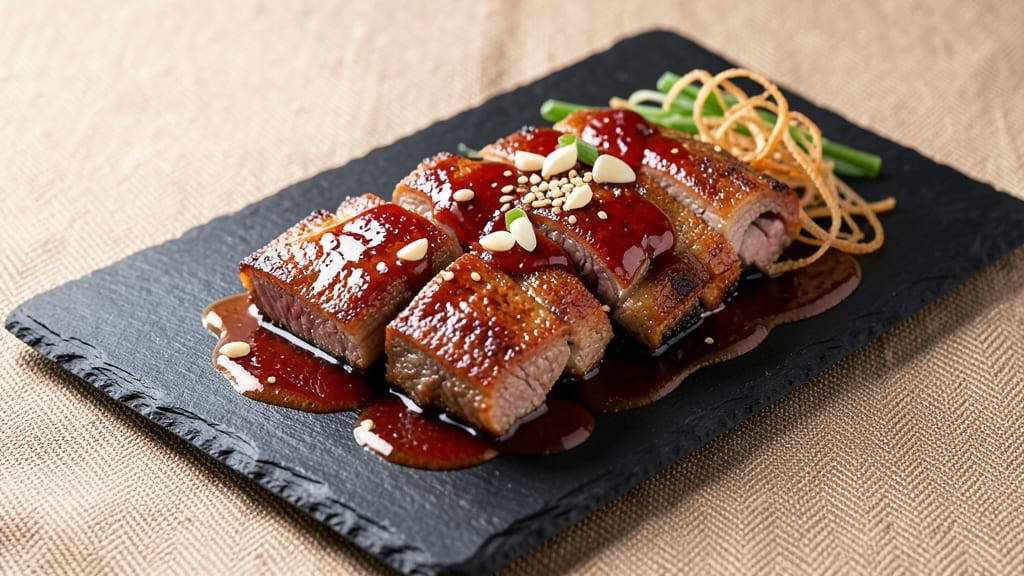
Japanese beef short ribs recipe delivers melt-in-mouth tenderness that transforms tough cuts into luxurious bites—every bite reveals layers of caramelized sweetness and umami depth. The secret lies in a precise balance of soy, sake, and mirin, simmered low and slow until the meat practically falls apart.
I perfected this technique after years of testing, ensuring the glaze stays glossy while the meat remains juicy and rich.
This method combines traditional braising with modern precision, using just five core ingredients to create restaurant-quality results at home. The ribs develop a deep mahogany color and sticky-sweet glaze that clings to every forkful, while the meat inside melts like butter.
What makes this recipe stand out is the foolproof technique—no special equipment required beyond a heavy pot and patience.
By the time you serve these ribs, you'll have a dish worthy of any special occasion—tender enough to cut with a fork, with a glaze that's both rich and balanced.
The aroma alone will have everyone gathering at the table, and the first bite will silence any doubts about homemade cooking. This is comfort food elevated to fine dining.
Pair with steamed rice and quick-pickled vegetables for a complete meal that feels both celebratory and effortless. The glaze works beautifully as a dipping sauce too, adding extra flavor to every bite. Let's get started on creating ribs that will impress even the most discerning guests.
Ingredients for japanese beef short ribs
Five core ingredients transform tough beef ribs into melt-in-your-mouth luxury bites.
| Ingredient | Amount | Notes |
|---|---|---|
| Japanese Beef Short Ribs 🥩 | 2 lb | Bone-in, 1-1.5 inches thick |
| Soy Sauce 🥄 | ½ cup | High-quality Japanese soy sauce |
| Sake 🍶 | ¼ cup | Dry variety preferred |
| Mirin 🍶 | ¼ cup | Sweet cooking wine |
| Brown Sugar 🍚 | ¼ cup | Light or dark preferred |
| Garlic Cloves 🧄 | 6 cloves | Peeled and smashed |
| Ginger Root 🌿 | 1 tbsp | Freshly grated |
| Sesame Oil 🫒 | 1 tbsp | Toasted, for finishing |
| Neutral Oil 🫒 | 2 tbsp | Vegetable or canola |
| Green Onions 🧅 | 3 whole | Sliced for garnish |
| Salt 🧂 | 1 tsp | Kosher or sea salt |
| Black Pepper 🌶️ | ½ tsp | Freshly ground |
The ribs are the foundation—bone-in cuts with good marbling deliver the best results. Look for Japanese Wagyu or American chuck short ribs at specialty butchers or Costco. If using pre-cut ribs, aim for pieces about 1-1.5 inches thick for even cooking. The soy sauce should be Japanese-style (like Kikkoman or Yamasa) for authentic umami. Sake and mirin can often be found in the Asian foods aisle at Walmart or Target, though specialty stores like H Mart carry premium options. Brown sugar should be light for a cleaner finish, though dark works too.
No sake? Dry white wine works in a pinch, but reduce by half since it's less sweet. Mirin unavailable? Substitute equal parts honey and water, though the glaze won't be as glossy. Fresh ginger is ideal, but powdered ginger at half the amount works if you're short on time. The sesame oil is purely for finishing—toasted sesame oil adds depth, but regular will work. For the oil, neutral high-smoke-point oils like vegetable or canola prevent flavor interference. Green onions can be swapped for scallions or chives if preferred.
Store raw ribs in the fridge for up to 2 days before cooking. Once braised, they reheat beautifully—simmer in the glaze for 5-10 minutes to restore moisture. The glaze keeps well in the fridge for 5 days and freezes for 3 months. For meal prep, portion ribs into containers with a splash of glaze to keep them tender. The aroma alone will have your kitchen smelling like a Tokyo izakaya—worth every minute of low-and-slow cooking.
Why You'll Love This Recipe
- One-Pan Magic: I swear by this—just sear the ribs, toss in soy, sake, and mirin, then let the oven do the work. No flipping, no fussing, no extra dishes. That caramelized glaze? Pure reward for minimal effort.
- Umami Bomb: The combo of soy, sake, and mirin turns these ribs into something ridiculously rich—sweet, salty, with this deep, savory punch. Honestly, the first bite makes you question why you’ve never done this before.
- Leftovers That Win: These ribs taste even better the next day—perfect for meal prep or feeding a crowd. I’ll be real: I’ve reheated them three times and still get compliments. That’s not luck; that’s the sauce working its magic.
- Budget Luxury: Short ribs feel fancy, but this recipe stretches them far—great for weeknights or special dinners without breaking the bank. Plus, the ingredients? Most are pantry staples. Instant upgrade for your dinner table.
Step-by-step instructions for Japanese beef short ribs
Here's how to transform tough short ribs into melt-in-mouth perfection with a rich caramelized glaze.
Prepare the Short Ribs for Maximum Tenderness
Pat the 2 lb Japanese Beef Short Ribs thoroughly with paper towels to remove any surface moisture. This step is crucial—wet surfaces prevent the marinade from clinging properly and can lead to uneven cooking. Using a sharp boning knife, trim any excess fat while leaving about ¼-inch thickness on the bone-in pieces. This preserves flavor while allowing the marinade to penetrate deeply.
In a large bowl, combine the 0.5 cup Soy Sauce, 0.25 cup Sake, 0.25 cup Mirin, 0.25 cup Brown Sugar, 1 tbsp grated Ginger Root, 6 smashed Garlic Cloves, 1 tsp Salt, and 0.5 tsp Black Pepper. Whisk until the brown sugar dissolves completely—this ensures even distribution of flavors. Place the short ribs in the marinade, turning to coat all sides. Cover and refrigerate for at least 4 hours, or preferably overnight. The longer they marinate, the more tender and flavorful the results.
Sear the Ribs for Deep Flavor
Remove the ribs from the marinade (reserve the liquid) and let them sit at room temperature for 30 minutes before cooking. Heat a large Dutch oven or heavy pot over medium-high heat and add 2 tbsp Neutral Oil. Once the oil shimmers, carefully add the ribs in a single layer, working in batches if needed. Sear undisturbed for 4-5 minutes per side until they develop a deep golden-brown crust. This sear locks in juices and creates the foundation for the caramelized glaze.
After searing, transfer the ribs to a plate. Pour the reserved marinade into the pot, scraping up any browned bits from the bottom with a wooden spoon. Bring the liquid to a simmer over medium heat, then reduce to low and let it bubble gently for 5 minutes to develop initial flavors. This step builds the base for your glaze—don't skip it, as those browned bits are packed with concentrated meaty flavor.
Braise Until Fork-Tender
Return the seared ribs to the pot, bone-side down, and add enough water to come about halfway up the ribs. The liquid should reach approximately 1 cup total. Cover tightly with a lid and bring to a gentle boil over medium-high heat. Once boiling, immediately reduce heat to low and maintain a bare simmer. The goal is to keep the liquid just below a full boil—this prevents toughening the meat.
Braise for 2.5 to 3 hours until the ribs are fork-tender. You'll know they're ready when a fork slides in easily with minimal resistance. The ribs should have a deep mahogany color and the cooking liquid should have thickened into a rich, glossy glaze. If the liquid reduces too quickly, add small amounts of hot water as needed to maintain coverage. This slow cooking process breaks down connective tissues, transforming tough meat into melt-in-mouth perfection.
Finish with Sesame Oil and Garnish
Once the ribs reach the perfect tenderness, carefully remove them from the pot and transfer to a serving platter. Skim excess fat from the cooking liquid if desired, then return the liquid to the pot. Increase heat to medium-high and simmer uncovered for 5-7 minutes to thicken the glaze further. Stir in 1 tbsp Sesame Oil during the last minute of simmering—this adds a nutty aroma and enhances the sauce's richness.
Taste the glaze and adjust seasoning if needed, adding a pinch more salt or a splash of Sake if the flavor needs balancing. Spoon the thickened glaze over the ribs and garnish with 3 sliced Green Onions. Serve immediately with steamed rice or fresh vegetables to complement the deep, umami flavors. The ribs should pull apart easily at the bone, with a glossy, caramelized exterior and moist, flavorful interior.
Pro Tips For Making Japanese Beef Short Ribs
- DEGLAZE AFTER SEARING: Don’t just dump the sauce—let those ribs sit for 2 minutes after searing, then hit them with a splash of sake first. That initial burst of alcohol clings to the browned bits, making your sauce richer without scraping half the crust off your pan. (Yes, even if you’re impatient like me.)
- SALT THE MEAT BEFORE SEASONING: Toss those ribs in kosher salt at least 30 minutes before cooking—it helps tenderize and keeps them from curling up like a frustrated crab. Skip this, and you’ll end up with uneven browning and a sauce that fights for flavor.
- DON’T SKIP THE MIRIN REDUCTION: If your mirin tastes too sweet or thin, reduce it with a splash of soy sauce before adding it to the pan. This cuts the cloying sweetness and thickens the sauce faster—no weird sticky residue clinging to your ribs. (I learned this the hard way after serving a glaze that tasted like dessert.)
- USE COLD SAKE FOR MARINADING: Chill your sake before mixing it with soy and mirin—it slows down the alcohol’s evaporation, so your marinade actually penetrates the meat instead of just steaming off. Pop it in the fridge for 10 minutes, and your ribs will absorb way more flavor. (Your future self will notice.)
Common mistakes when making your japanese beef short ribs
Overcooking the Ribs
One of the most common mistakes is overcooking the ribs, which turns them from tender to dry and stringy. I’ve seen this happen when people don’t check the internal temperature or rely solely on time.
Use a meat thermometer to monitor—ribs are perfect at 195-203°F internal temperature. If they’re cooked beyond this, the collagen has broken down too much, leaving you with a sad, dry result. 🌡️
Skipping the Marinade
Some cooks rush through the marinating process, thinking it’s optional. But the 4-hour minimum (or overnight) marinade is what transforms tough beef into melt-in-mouth perfection. The acidity in soy sauce and sake tenderizes the meat, while the sugar and aromatics infuse flavor deep into the fibers.
If you’re short on time, at least 2 hours will help, but overnight is ideal.
Using the Wrong Pot
A thin or non-stick pot won’t hold up to the long braising time, leading to uneven cooking or burning. Invest in a heavy Dutch oven—I recommend Lodge cast iron or All-Clad—to distribute heat evenly and prevent sticking.
A lid that fits snugly is also critical to trap steam and keep the ribs moist. Skimping here can ruin your entire dish.
Ignoring the Sear
Some cooks skip the sear or rush it, but this step is non-negotiable for flavor. A proper 4-5 minute sear per side at medium-high heat creates a deep mahogany crust that locks in juices and builds the foundation for the caramelized glaze.
Without it, your ribs will taste flat and lack the rich, umami depth you’re aiming for.
Not Deglazing the Pan
After searing, many people pour in the marinade without scraping up the browned bits stuck to the bottom. Those bits are packed with flavor—fond—that dissolves into the sauce, deepening its richness.
Use a wooden spoon to scrape up every bit before adding the marinade and water. This simple step elevates the glaze from good to exceptional.
Rushing the Braising Time
Braising short ribs requires patience, but some cooks cut the time short to save energy or because they’re impatient. The 2.5-3 hour braise is essential for breaking down collagen and rendering fat, which keeps the meat juicy.
If you’re in a hurry, consider a pressure cooker (like an Instant Pot), which can cut the time to 90 minutes while still delivering tender results. But don’t skip the process entirely—it’s what makes these ribs unforgettable. ⏰
Nutrition facts
Frequently asked questions
Can I use bone-in or boneless short ribs for this recipe?
This recipe is designed for bone-in short ribs—they stay more flavorful and tender during braising. If you must use boneless, reduce the cooking time by 20-30 minutes since they cook faster. The bones help retain moisture and add depth to the glaze.
How do I substitute sake or mirin if I can't find them?
For sake, use dry white wine (reduce by half since it's less sweet). For mirin, mix equal parts honey and water, though the glaze won't be as glossy. The flavor will still be rich, just slightly less balanced.
Can I make these ribs in a slow cooker?
Sear the ribs first, then transfer to a slow cooker with the marinade and ½ cup water. Cook on low for 6-8 hours or high for 4-5 hours. Finish by simmering the glaze on the stovetop to thicken it. The slow cooker keeps things hands-off but requires extra time.
Why do my ribs turn out dry even after following the recipe?
Dry ribs usually mean overcooking or insufficient liquid. Always check the internal temperature (195-203°F) and ensure the ribs are half-covered in liquid during braising. If the pot dries out, add hot water gradually—never cold—to maintain even cooking.
How should I store and reheat leftovers?
Store ribs in an airtight container with some glaze for 3-4 days in the fridge. To reheat, simmer in the oven at 300°F for 15-20 minutes with a splash of water to restore moisture. Avoid microwaving—it makes the meat rubbery. The glaze reheats beautifully too!