
Main Courses
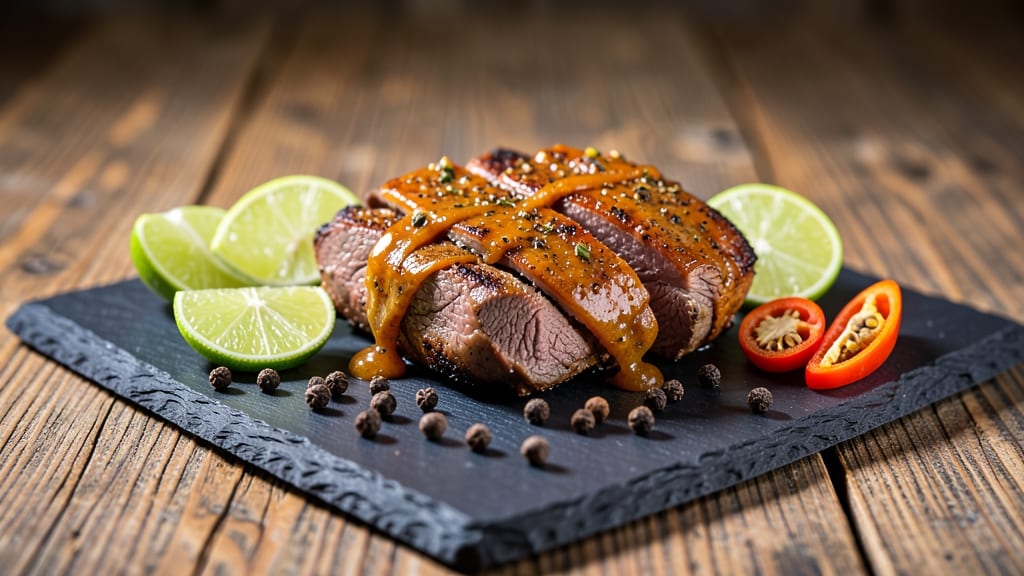
This jerk beef recipe brings the bold flavors of Jamaica to your grill with smoky, charred tenderness that melts in your mouth. The secret lies in a marinade of allspice, Scotch bonnet peppers, and lime that transforms tough cuts into succulent bites—perfectly balanced between heat and sweetness.
I’ve perfected this method over years of testing, ensuring every bite delivers that signature jerk experience without compromising texture.
The process starts with a 24-hour marinade in a blend of aromatic spices and citrus, which tenderizes the meat while infusing it with deep, complex flavors.
Whether you smoke it low and slow or sear it over hot coals, the result is fork-tender beef with a caramelized crust that locks in every smoky, spicy note. This isn’t just a recipe—it’s a taste of Jamaica’s soul, brought to life in your backyard or kitchen.
Serve it with steamed rice and peas, fried plantains, and a cooling side salad to balance the heat. The combination of textures—tender beef, fluffy rice, and crispy plantains—makes this a complete meal that’s as satisfying as it is flavorful.
The aroma alone will have everyone gathering around the table, eager for their first bite.
For those new to jerk cooking, don’t skip the marinating time—it’s what makes the difference between good and extraordinary. And if you’re feeling adventurous, try adding a splash of dark rum to the marinade for an extra layer of depth. Let’s get cooking!
Ingredients for jerk beef
Sixteen ingredients transform tough beef into Jamaican jerk magic with smoky, citrusy fire.
| Ingredient | Amount | Notes |
|---|---|---|
| Beef Chuck Roast 🥩 | 3 lb | Tough cut for maximum tenderness |
| Scotch Bonnet Peppers 🌶️ | 2 whole | Seeds removed for less heat |
| Allspice Berries 🌿 | 2 tbsp | Whole berries for intense flavor |
| Fresh Limes 🍋 | 4 whole | Juiced for bright acidity |
| Brown Sugar 🍚 | ½ cup | Lightly packed for caramelization |
| Garlic Cloves 🧄 | 8 cloves | Peeled and roughly chopped |
| Fresh Ginger 🌿 | 2 tbsp | Grated, not powdered |
| Thyme Leaves 🍃 | 1 tbsp | Fresh preferred, stems removed |
| Ground Cumin 🌿 | 1 tbsp | Toasted for deeper aroma |
| Smoked Paprika 🌶️ | 1 tbsp | For authentic smoky depth |
| Dark Rum 🍹 | ¼ cup | Optional, for extra complexity |
| Olive Oil 🫒 | ¼ cup | Light, fruity variety |
| Diamond Crystal Kosher Salt 🧂 | 1 tbsp | For balanced seasoning |
| Black Peppercorns 🌶️ | 1 tsp | Freshly cracked for heat |
| Fresh Thyme Sprigs 🍃 | 4 whole | For garnish and aroma |
The beef is non-negotiable—chuck roast has the fat and connective tissue to become fork-tender, while leaner cuts like sirloin stay tough. Grab it from Whole Foods or your local butcher if you want the best marbling, but the pre-cut chuck roast from Costco works perfectly for this recipe. For the Scotch bonnet peppers, Caribbean markets or specialty stores are your best bet, but if you can't find them, habanero peppers work in a pinch (use half the amount). The allspice berries? Penzeys sells them whole, which is ideal—just crush them lightly before adding to the marinade. Fresh ginger and thyme are worth the trip to the farmers market for that vibrant punch.
No Scotch bonnet? Habanero or red pepper flakes bring the heat, but reduce to half the amount. Allspice berries hard to find? Ground allspice works at one-third the amount, though it lacks the same depth. Want to skip the rum? Extra lime juice or orange juice adds brightness without alcohol. The brown sugar can be swapped for turbinado sugar if you prefer a less refined taste. For the olive oil, light, fruity varieties like California extra-virgin work best—they won’t overpower the spices. And if you’re short on time, pre-minced garlic and ginger from the tube save steps (though fresh is always better).
Marinate the beef for 24 hours—this isn’t optional. Store it in a sealed container in the fridge, turning the meat occasionally to ensure even coating. The marinade keeps for 3 days in the fridge, so make extra for future grilling. For leftovers, reheat in a skillet with a splash of beef broth to keep the meat moist. It reheats beautifully, but eat within 2 days for best texture. Freeze portions for up to 3 months—just thaw overnight in the fridge before reheating.
Why You'll Love This Recipe
- One-Pot Magic: Honestly, I swear by this—just chuck the beef in a Dutch oven with the marinade, let it simmer, and walk away. The Scotch bonnet and allspice do all the work while you’re busy with life.
- Flavor Explosion: That smoky-sweet heat from the brown sugar and Scotch bonnet? It’s like a party in your mouth. The lime brightens it up so it doesn’t feel heavy, even when you’re eating it cold the next day.
- Leftovers? More Like Leftovers Win: Between us, this recipe makes way more than I need for one meal. The beef stays tender for days, and I freeze portions for lazy nights—no sad, dry leftovers here.
- Budget-Friendly Feast: A chuck roast stretches forever, and the spices? You use such a small amount that one jar of allspice lasts me months. It’s the kind of meal that makes grocery day feel like a victory.
Step-by-step instructions for Jamaican jerk beef
This method transforms tough beef into melt-in-your-mouth perfection through precise timing and bold flavors.
Prepare the Jerk Marinade
In a food processor, combine the 2 whole Scotch Bonnet Peppers, 2 tbsp Allspice Berries, 8 cloves Garlic Cloves, 2 tbsp Fresh Ginger, 1 tbsp Thyme Leaves, 1 tbsp Ground Cumin, 1 tbsp Smoked Paprika, 1 tbsp Diamond Crystal Kosher Salt, and 1 tsp Black Peppercorns. Pulse until you achieve a coarse, textured paste—this ensures maximum flavor without losing heat.
Transfer the spice blend to a large mixing bowl and whisk in 0.5 cup Brown Sugar, 0.25 cup Dark Rum, 0.25 cup Olive Oil, and juice from 2 of the 4 whole Fresh Limes. The rum adds depth while the brown sugar balances the spice's intensity. Let the marinade rest for 15 minutes to allow the flavors to meld—you'll notice the mixture darken slightly and develop an aromatic steam.
Marinate the Beef Chuck Roast
Pat the 3 lb Beef Chuck Roast dry with paper towels—this step is critical for achieving a proper sear later. Place the beef in a large resealable plastic bag and pour the marinade over it, coating every surface thoroughly. Seal the bag and massage the marinade into the meat, ensuring it penetrates all the way to the edges.
Refrigerate the beef for at least 12 hours, but I prefer 24 hours for maximum tenderness. The acidity from the lime and rum will begin breaking down the tough muscle fibers, while the spices infuse deeply. Turn the bag occasionally to ensure even coating. When ready to cook, remove the beef from the fridge and let it sit at room temperature for 30 minutes—this ensures even cooking throughout.
Sear the Beef for Depth of Flavor
Preheat your grill or grill pan to high heat. Once it's screaming hot, place the marinated beef directly on the grates. Sear for 4-5 minutes per side, pressing down gently with a grill press or tongs—this prevents curling and ensures even contact with the hot surface. You'll know it's ready when a deep crust forms and the internal temperature reaches 140°F on a meat thermometer.
Real talk: If the marinade starts to burn before the beef is seared, reduce the heat slightly and continue cooking. The goal is to develop that smoky charred flavor without sacrificing the meat's integrity. Once seared, remove the beef from the grill and let it rest for 10 minutes—this step is non-negotiable for juicy results.
Slow Cook for Maximum Tenderness
Transfer the seared beef to a slow cooker and pour any remaining marinade from the bag into the pot. Add juice from the remaining 2 whole Fresh Limes and the 4 whole Fresh Thyme Sprigs to the slow cooker. Set the slow cooker to low heat and cook for 6-8 hours, or until the beef is fork-tender and easily shreds with two forks. The slow cooking process is what transforms the tough chuck roast into melt-in-your-mouth perfection.
Here's the thing—your slow cooker might run hot, so start checking the beef's tenderness at the 6-hour mark. The meat should pull apart effortlessly, and the internal temperature should reach 203°F. If it's not quite there, give it another hour on low. The key is patience; rushing this step will leave you with chewy beef.
Rest and Serve
Once the beef is fully tender, carefully transfer it to a cutting board and tent loosely with foil. Let it rest for 15 minutes—this allows the juices to redistribute throughout the meat, ensuring every bite is moist and flavorful. During this time, you can shred the beef directly on the board using two forks, or slice it against the grain for thicker pieces.
Serve the jerk beef immediately, garnished with additional fresh thyme sprigs if desired. The dish should be a perfect balance of smoky, spicy, and sweet flavors, with the beef falling apart at the touch. Pair it with rice and peas, fried plantains, or a simple coleslaw to complete the Jamaican feast. Leftovers? Store in an airtight container in the fridge for up to 3 days, but trust me, it won't last that long.
Pro Tips For Making Jerk Beef
- Trim the Fat First: Slice off the thick fat cap from the beef chuck roast before marinating—it renders unevenly and can turn your jerk beef greasy. I learned this the hard way after serving a plate where the meat was more oil slick than tender bite.
- Toast the Allspice: Dry-toast the whole allspice berries in a pan for 30 seconds until fragrant before grinding them into the marinade. This deepens their flavor—my grandmother swore by it, and it’s the thing that makes homemade jerk sauce taste professional.
- Marinate Overnight, But Not Too Long: Let the beef soak in the jerk marinade for 12–24 hours, but no longer—Scotch bonnet peppers’ heat will start breaking down the meat fibers after that, turning it mushy. I skipped this rule once and ended up with jerky, not jerk beef.
- Char the Peppers First: Blacken the Scotch bonnet peppers in a dry pan before blending them into the marinade—this adds smoky depth that raw peppers can’t match. Sounds weird, but it works: the flavor jumps from "good" to "restaurant-quality."
Perfect pairings for this dish
Caribbean Side Dishes
Serve your jerk beef with steamed rice and peas—the classic Jamaican pairing. Use kidney beans soaked overnight and cooked with coconut milk, thyme, and garlic. For extra flair, stir in 1 tbsp grated ginger and 1 tsp turmeric while simmering. 🌱
Fried plantains add sweet contrast to the spicy beef. Slice 3 ripe plantains into ½-inch thick rounds, fry in vegetable oil at 350°F until caramelized, then sprinkle with flaky sea salt. For a healthier twist, bake at 400°F for 20 minutes with 1 tbsp brown sugar tossed in.
Cool Contrasts
A mango avocado salad cuts through the heat with creamy texture. Dice 1 ripe mango and 1 avocado, toss with lime juice, cilantro, and 1 tbsp honey. For extra protein, add crumbled feta cheese or toasted coconut flakes. 🥭
Jamaican coleslaw is a tangy must-have. Shred 2 cups cabbage and 1 carrot, then mix with ½ cup Greek yogurt, 2 tbsp lime juice, 1 tbsp apple cider vinegar, and 1 tsp curry powder. Chill for 30 minutes before serving.
Beverage Pairings
Sip on Jamaican sorrel—a hibiscus-based drink with ginger, cloves, and allspice. Simmer 1 cup dried hibiscus flowers, 1-inch ginger, 4 cloves, and 2 allspice berries in 4 cups water for 20 minutes, then strain and sweeten with sugar.
Serve over ice with lime wedges. 🍹
For beer lovers, a light lager like Red Stripe complements the dish without overpowering. If you prefer wine, a dry Riesling with its crisp acidity balances the smoky-sweet flavors beautifully. Avoid heavy reds—they’ll clash with the jerk’s brightness.
Garnish Game-Changers
Finish your plate with pickled red onions for a tangy bite. Thinly slice 1 red onion, soak in ½ cup vinegar, 1 tbsp sugar, and 1 tsp salt for 30 minutes. Drain and pat dry before serving. 🧅
Fresh lime wedges and thyme sprigs elevate presentation and add aromatic freshness. Squeeze lime over the beef just before serving to brighten the flavors—trust me, this simple step makes all the difference.
Nutrition facts
Frequently asked questions
Can I substitute Scotch bonnet peppers if I can't find them?
Use habanero peppers for similar heat, but reduce the amount to 1 whole pepper (or half a pepper if you prefer milder heat). For even less spice, try red pepper flakes—start with 1 teaspoon and adjust to taste. The key is balancing the marinade's intensity with the beef's tenderness.
How do I know when the beef is fully cooked?
Use a meat thermometer for precision—the beef is done when it reaches 203°F internally. For chuck roast, this ensures it's fork-tender and falls apart easily. If you don't have a thermometer, check by inserting a fork: the meat should shred effortlessly. Never rely on color alone, as jerk marinades can mask doneness.
Can I make jerk beef in an oven instead of a grill or slow cooker?
Yes! Preheat your oven to 300°F and place the seared beef in a baking dish. Pour the remaining marinade over it, cover with foil, and bake for 3-4 hours until tender. For extra smokiness, place a water pan in the oven or use a smoker box with wood chips. The slow cooking time is what makes the beef tender, so don't rush it.
What's the best way to reheat leftover jerk beef?
Reheat in a skillet over medium heat with a splash of beef broth or the leftover marinade to keep it moist. Avoid microwaving, as it can make the beef dry. For best results, shred the beef before reheating—this ensures even heating and prevents toughness. Store leftovers in an airtight container for up to 3 days.
Why does my jerk beef taste bland or one-dimensional?
Bland flavor usually means the marinade didn't infuse properly or the heat wasn't balanced. Ensure you marinate for 24 hours and use fresh spices—ground spices lose potency quickly. Double-check your Scotch bonnet or habanero amount (too little heat = bland). For depth, add a splash of dark rum or extra lime juice to the marinade. Also, searing the beef creates a flavorful crust—skip this step at your own risk!