
Main Courses
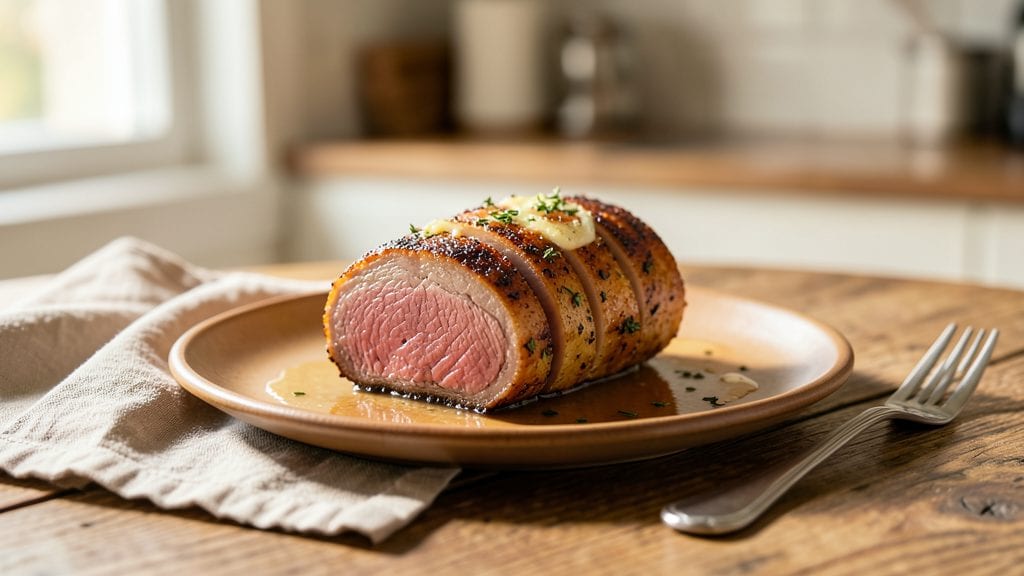
Joanna Gaines' beef tenderloin recipe delivers that perfect balance of juicy pink center and herbed crust that makes every cut unforgettable. Inspired by her Magnolia Table approach, this method transforms a simple roast into a showstopping centerpiece with minimal effort.
The secret lies in precise temperature control and a flavorful crust that seals in moisture while adding texture.
What sets this recipe apart is Joanna's signature technique of brining the beef overnight, ensuring maximum tenderness without drying out. A simple herb butter crust—packed with rosemary, thyme, and garlic—creates a golden, aromatic seal that locks in juices.
The result? A steakhouse-worthy tenderloin that cooks to medium-rare perfection every time, with a crust that's crisp enough to stand up to rich gravy.
This recipe serves 6-8 people and comes together in about 3 hours, including prep and resting time. You'll start with a 4- to 5-pound tenderloin, seasoned and brined for depth, then roasted to an internal temperature of 125°F for that signature pink center.
The herb butter crust adds a professional touch without requiring advanced skills—just melt, mix, and press.
Pair it with garlic mashed potatoes and roasted asparagus for a full Magnolia Table experience, or drizzle with a red wine reduction for extra elegance. The key to success is patience—letting the meat rest after roasting ensures every slice stays tender and juicy from start to finish. Let's get cooking!
Ingredients for joanna gaines beef tenderloin
Six essential ingredients transform a simple tenderloin into Joanna Gaines' signature showstopper.
| Ingredient | Amount | Notes |
|---|---|---|
| Beef Tenderloin 🥩 | 4 ½ lb | Center-cut, trimmed of silver skin |
| Kosher Salt 🧂 | 4 tbsp | Diamond Crystal preferred for clarity |
| Black Peppercorns 🌶️ | 1 tbsp | Freshly cracked, coarse grind |
| Unsalted Butter 🧈 | ½ cup | Cold, cut into 1-inch cubes |
| Fresh Rosemary 🌿 | ¼ cup | Finely chopped, stems removed |
| Fresh Thyme 🌿 | ⅛ cup | Leaves only, finely chopped |
| Garlic Cloves 🧄 | 8 cloves | Minced, skin-on for flavor |
| Heavy Cream 🥛 | ½ cup | Full-fat for richness |
| Beef Broth 💧 | 1 cup | Low-sodium, homemade preferred |
| Red Wine 🍷 | ½ cup | Dry, bold variety like Cabernet |
| Olive Oil 🫒 | 2 tbsp | For searing, high smoke point |
| Yellow Onion 🧅 | 1 whole | Thinly sliced, for garnish |
| Fresh Parsley 🌿 | ⅛ cup | Chopped, for garnish |
The beef tenderloin is the star—opt for a center-cut, 4.5-pound roast from a trusted butcher like Snake River Farms or your local high-end grocer. Look for rich marbling and vibrant color, signs of premium quality. Trim any silver skin before brining, as it can interfere with the herb butter crust. For brining, use Diamond Crystal kosher salt—it dissolves more clearly than table salt, ensuring even flavor distribution. The unsalted butter should be European-style (like Plugrá) for higher fat content, which creates a more luxurious crust. Fresh herbs are non-negotiable here—Whole Foods or farmers' markets offer the most aromatic varieties, but even grocery store herbs work if they're vibrant and free of wilting.
No heavy cream? Full-fat sour cream or half-and-half works in a pinch, though the texture will be slightly lighter. Substituting wine? Beef broth plus a splash of balsamic vinegar mimics the depth without the alcohol. For the herb butter, Parmigiano-Reggiano can replace half the butter for umami richness, though purists will notice the difference. The garlic should be skin-on for extra flavor—peel after mincing to preserve aroma. If you're short on time, pre-minced garlic from a jar (like Garlic & Herb brand) saves steps, though fresh is superior. For the crust, melted ghee adds a nutty depth if butter isn't available, though it requires precise temperature control during application.
Store the brined tenderloin in its marinade in the fridge for up to 24 hours, though Joanna’s method calls for overnight brining. The herb butter can be prepped 1 day ahead and stored in an airtight container in the refrigerator, pressed directly onto the meat just before roasting. Leftover roasted tenderloin keeps for 3-4 days in the fridge, sliced thinly and reheated gently in the oven. For longer storage, portion into vacuum-sealed bags and freeze for up to 6 months. The crust benefits from a 5-minute rest after roasting—this allows the butter to set slightly, preventing it from sliding off during slicing. Garnish with thinly sliced red onion and parsley just before serving to maintain freshness.
Why You'll Love This Recipe
- Two-Ingredient Magic: That’s right—just salt, pepper, and a sprig of rosemary. No fancy marinades or hours of prep. I swear, the tenderloin’s natural richness shines when you let those simple seasonings work their magic in the oven.
- Rosemary Butter Bliss: The moment you slice into that golden crust and see that melted butter pooling underneath? Pure joy. It’s rich but not heavy, fragrant but not overpowering—like a hug from Joanna Gaines herself.
- Weeknight or Holiday: Same recipe, different vibes. Whip it up for a lazy Sunday brunch or impress guests at Thanksgiving. The roasted rosemary butter stays delicious whether you’re feeding two or ten.
- Leftovers That Don’t Suck: Cold slices the next day? Still tender, still flavorful. I pack them in lunches or toss them into salads—no sad, dry beef here. (Yes, even on a Tuesday night.)
Step-by-step instructions for Joanna Gaines' beef tenderloin recipe
Here's the method for achieving a perfectly tender center with a flavorful herbed crust.
Prepare and Season the Beef Tenderloin
Begin by trimming any remaining silver skin from the 4.5 lb beef tenderloin using a sharp boning knife. This ensures even cooking and a clean presentation. Pat the entire surface dry with paper towels—this step is crucial for achieving a proper sear and crispy crust later.
In a small bowl, combine the 4 tbsp kosher salt and 1 tbsp freshly cracked black peppercorns. Generously coat the entire tenderloin with this mixture, pressing it into the meat so it adheres evenly. For extra flavor penetration, let the seasoned tenderloin rest at room temperature for 30 minutes before cooking. This allows the salt to break down the surface proteins, resulting in better moisture retention and a more tender final product.
Create the Herbed Butter Crust
In a food processor, pulse the 0.5 cup unsalted butter (cold and cubed) with the 0.25 cup finely chopped fresh rosemary and 0.125 cup finely chopped fresh thyme until just combined but still slightly textured. Avoid over-processing, as you want visible herb flecks in the finished crust.
Spread this herbed butter mixture evenly over the entire surface of the seasoned beef tenderloin. Press it gently but firmly into the meat so it adheres completely. This step creates the signature crust that Joanna Gaines is known for—it adds both texture and depth of flavor. Place the prepared tenderloin on a wire rack set over a rimmed baking sheet to allow air circulation on all sides.
Sear the Beef Tenderloin
Preheat your oven to 450°F. Heat a large oven-safe skillet over medium-high heat until very hot. Add 2 tbsp olive oil and swirl to coat the bottom evenly. Place the tenderloin in the skillet, fat-side down, and sear for 3-4 minutes until a deep golden brown crust forms. Flip carefully and sear the other side for an additional 3-4 minutes. The goal is to create a flavorful crust while maintaining a juicy interior.
Transfer the skillet to the preheated oven and roast for 15-20 minutes. This initial high-heat phase helps develop the crust while beginning to cook the meat toward the center. The internal temperature should reach approximately 140°F when removed from the oven. This is where we'll transition to a gentler cooking method to ensure a perfect pink center.
Finish with Red Wine and Broth
Remove the tenderloin from the oven and let it rest on a cutting board for 10 minutes. While it rests, place the skillet with the rendered juices over medium heat. Deglaze with the 0.5 cup red wine, scraping up all the browned bits from the bottom of the pan. This step captures all the concentrated flavors that have built up during searing.
Add the 1 cup beef broth and bring to a gentle simmer. Reduce the heat to low and let the mixture reduce by half, which should take about 5-7 minutes. This creates a rich, flavorful sauce that will complement the tenderloin beautifully. The reduced wine and broth will also help maintain moisture in the meat during the final cooking phase.
Achieve the Perfect Pink Center
Return the skillet with the reduced sauce to the oven and place the beef tenderloin back in, fat-side up. Reduce the oven temperature to 325°F and continue cooking for 20-25 minutes, or until the internal temperature reaches 125°F for medium-rare. This lower temperature ensures the center remains tender and juicy while the exterior maintains its crust.
To check doneness, use a meat thermometer inserted into the thickest part of the tenderloin. Remove it from the oven when the temperature reaches 125°F—this will give you that coveted pink center. Let the tenderloin rest for an additional 10-15 minutes before slicing. This resting period allows the juices to redistribute throughout the meat, ensuring each slice is moist and flavorful.
Slice and Serve with Garnishes
Slice the beef tenderloin into 1-inch thick medallions against the grain for optimal tenderness. Arrange the slices on a warm serving platter and drizzle with the reduced wine and broth sauce. Garnish with thinly sliced yellow onion and 0.125 cup chopped fresh parsley for a touch of freshness and visual appeal.
For an extra touch of elegance, spoon a small amount of the 0.5 cup heavy cream over each serving just before presenting. This adds a luxurious finish and complements the rich flavors of the herbed crust and tender meat. Serve immediately to enjoy the perfect balance of textures and flavors that make this dish a showstopper.
Pro Tips For Making Joanna Gaines Beef Tenderloin
- Sear First, Roast Slow: Joanna’s recipe calls for a quick sear, but don’t rush it—get that pan screaming hot and let the butter foam for 30 seconds before adding the meat. I used to skip this, and the crust was always underwhelming. High heat. Seriously, crank it up until you see smoke, then work fast.
- Salt the Night Before: Tenderloin soaks up salt like a sponge, but if you’re short on time, at least salt it 2 hours ahead. The rosemary and peppercorns? Crush them first—whole sprigs won’t infuse the meat like you want. (Yes, even if you’re impatient like me.)
- Watch the Internal Temp: The recipe might say “medium-rare,” but don’t pull it at 130°F—wait for 125°F for perfect doneness. I learned this the hard way when my first batch came out dry. Use a meat thermometer; your eye won’t cut it here.
- Butter Bath Matters: That final step of basting with butter and rosemary isn’t just for flavor—it’s insurance against dryness. Don’t skimp: use 4-6 tablespoons of cold butter, and baste every 5 minutes in the last 15 minutes of roasting. (Your future self will thank you.)
Storing and reheating this recipe
Refrigerator Storage
Store leftover beef tenderloin in an airtight container (I recommend Glasslock containers) for up to 4 days in the refrigerator. Slice the tenderloin into ½-inch thick medallions before storing to maintain even texture. The herb butter crust stays intact better when sliced thinly, preventing it from becoming rubbery. 🥩
Freezer Storage
For longer storage, wrap the cooked tenderloin tightly in plastic wrap followed by aluminum foil to prevent freezer burn. Place it in a freezer-safe bag (like Ziploc gallon bags) and label with the date.
This method preserves the herb butter crust and juices for up to 3 months. Thaw overnight in the fridge before reheating. ❄️
Reheating Methods
For best results, reheat sliced tenderloin in a skillet over medium-low heat for 5-7 minutes with a splash of beef broth to prevent drying. Avoid microwaving, as it can make the crust soggy and the meat dry.
If using the oven, warm at 300°F for 10-12 minutes on a wire rack to maintain crispness. 🔥
Reviving the Crust
To restore the herb butter crust after reheating, brush the slices with a little melted butter and broil for 1-2 minutes until golden. This step mimics the original roasting process and ensures the crust stays flavorful.
Garnish with fresh parsley and a drizzle of red wine reduction to elevate presentation. ✨
Make-Ahead Tips
Prep the herb butter crust up to 1 day ahead and store it in the fridge. The brined tenderloin can also rest in the fridge for 24 hours before cooking, enhancing flavor penetration.
If serving at a later date, reheat the slices in a slow cooker on low for 1-2 hours with a splash of broth for tender, juicy results. 📅
Serving Leftovers
Use leftover tenderloin in tenderloin sandwiches with caramelized onions and Gruyère cheese for a gourmet twist. Thinly sliced tenderloin also works beautifully in stir-fries or pasta dishes for a quick weeknight meal. Always reheat to an internal temperature of 165°F for food safety. 💡
Nutrition facts
Frequently asked questions
How do I know when the beef tenderloin is perfectly cooked?
Use a meat thermometer for accuracy—aim for 125°F for medium-rare with a juicy pink center. Insert the probe into the thickest part, avoiding bone or fat. The crust should be golden-brown and crisp, while the interior remains tender. Never overcook beyond 130°F, or the texture becomes tough.
Can I substitute the red wine with something else?
Yes! For a non-alcoholic version, use 1 cup beef broth plus 1 tbsp balsamic vinegar to mimic the acidity and depth. If you prefer wine, a bold Cabernet Sauvignon or Merlot works best. The key is balancing richness with acidity to cut through the fat. Avoid sweet wines—they’ll overpower the herbed crust.
Why does Joanna Gaines' recipe call for brining overnight?
The overnight brine (4 tbsp kosher salt in 4 cups water) tenderizes the meat by breaking down proteins and retaining moisture. This step is critical for the juicy pink center—without it, the tenderloin can dry out during roasting. For time-sensitive cooks, a 4-hour brine still works, but flavor penetration won’t be as deep.
What’s the best way to carve the beef tenderloin?
Slice against the grain (perpendicular to the muscle fibers) into 1-inch thick medallions for maximum tenderness. Use a sharp chef’s knife and cut through the crust gently to avoid tearing. For presentation, arrange slices slightly overlapping on a platter, then drizzle with the reduced wine sauce.
Can I make this recipe in a slow cooker?
Not recommended for the crust or pink center. The slow cooker lacks the high-heat sear needed for the herb butter to crisp properly. Instead, sear the tenderloin first in a skillet, then transfer it to a 325°F oven for the final cook. For leftovers, reheat slices in a slow cooker on low for 1-2 hours with broth to revive moisture.