
Main Courses
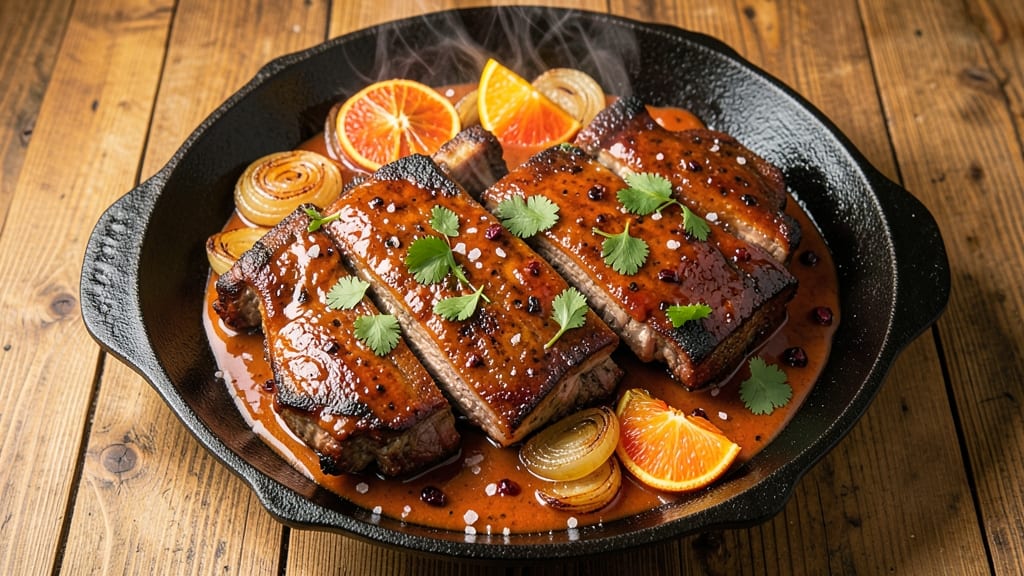
This Mexican beef ribs recipe transforms tough cuts into fall-off-the-bone tenderness through a smoky chipotle marinade that infuses deep, authentic flavors. The key lies in slow cooking—whether over an open flame or in the oven—until the meat practically melts at the touch.
I’ve perfected this method over years of testing, ensuring every bite delivers that perfect balance of spice, smokiness, and rich, caramelized edges.
The marinade is where the magic begins, combining chipotle peppers in adobo, garlic, and citrus to tenderize the meat while building layers of flavor. No special equipment is needed—just time and patience.
The ribs develop a beautiful mahogany crust from the slow cook, while the interior stays juicy and succulent, making this a dish that feels both rustic and refined. This is the kind of recipe that turns a simple weeknight into a celebration.
By the time you’re done, you’ll have ribs that are so tender they pull apart with minimal effort, coated in a sticky, slightly sweet glaze that ties every bite together.
The aroma alone will have everyone gathered around the table, and the contrast of crispy exterior and melting interior is what makes this recipe unforgettable. Serve with warm tortillas, pickled onions, and a side of cilantro-lime rice for the full experience.
Whether you’re grilling for a crowd or slow-cooking for a family dinner, this method delivers restaurant-quality results at home. The beauty of this recipe is its versatility—it works equally well for casual gatherings or special occasions. Let’s get started on creating ribs that will have everyone asking for seconds.
Ingredients for mexican beef ribs
Six core ingredients transform tough beef ribs into tender, smoky masterpieces.
| Ingredient | Amount | Notes |
|---|---|---|
| Beef Ribs (Beef Short Ribs) 🥩 | 4 lb | Bone-in, cut into 2-inch chunks |
| Chipotle Peppers in Adobo Sauce 🌶️ | 3 whole | Canned, with 2 tbsp sauce reserved |
| Garlic Cloves 🧄 | 8 cloves | Fresh, peeled and smashed |
| Lime Juice 🍋 | ½ cup | Freshly squeezed, about 2 limes |
| Orange Juice 🍊 | ½ cup | Freshly squeezed, about 1 orange |
| Brown Sugar 🍯 | ¼ cup | Packed, light or dark |
| Olive Oil 🫒 | ¼ cup | Extra-virgin for richness |
| Ground Cumin 🌿 | 1 tbsp | Toasted for deeper flavor |
| Smoked Paprika 🌶️ | 1 tbsp | For authentic smokiness |
| Dried Oregano 🍃 | 1 tsp | Mexican oregano preferred |
| Salt 🧂 | 1 ½ tsp | Kosher or sea salt |
| Black Pepper 🌶️ | ½ tsp | Freshly ground preferred |
| Beef Broth 💧 | 1 cup | Low-sodium for balance |
| Honey 🍯 | 2 tbsp | For subtle sweetness |
The ribs are the foundation—look for beef short ribs with good marbling at your butcher or grocery store's meat counter. Costco or Whole Foods often have high-quality cuts, but any reputable butcher will do. For the chipotle peppers, Hatch brand in adobo sauce is ideal, but any canned chipotle will work. The key is to use freshly peeled garlic and citrus juiced within 24 hours—this ensures vibrant flavors that cut through the richness of the meat. If you can't find Mexican oregano, regular dried oregano works, but the flavor profile will be slightly different.
No chipotle peppers? Substitute smoked paprika plus a pinch of cayenne for heat, though the smokiness won't be identical. Running low on lime? Orange juice or lemon juice work in a pinch, but lime's brightness is unmatched. For the brown sugar, coconut sugar or white sugar can be used, though the molasses notes in brown sugar add depth. If you're avoiding honey, maple syrup or agave are good swaps, though honey's floral notes are unique. The beef broth can be replaced with water, but the umami depth will be noticeably less—low-sodium chicken broth is a great alternative if you're watching salt intake.
Marinate the ribs for at least 4 hours, overnight for best results—this ensures maximum tenderness. Store the marinade in an airtight container in the fridge, and the ribs can stay marinated for up to 24 hours. Once cooked, ribs reheat beautifully—warm in a 300°F oven for 15-20 minutes with a splash of broth to keep them moist. Leftovers keep for 3-4 days in the fridge or 2 months in the freezer, though they're best enjoyed fresh. Portion into meal-sized containers for easy lunches, and save the extra marinade for grilling other proteins.
Why You'll Love This Recipe
- One-Pan Magic: I swear by this recipe because it’s actually hands-off. Toss the ribs in adobo, garlic, and citrus, then let the oven do the work—no flipping, no babysitting. The chipotle’s smoky heat seeps right into the meat while the orange juice keeps it from drying out. Honestly, I’ve burned other ribs, but this one? Just set it and forget it.
- Smoky-Citrus Bomb: That first bite—where the chipotle’s deep, smoldering kick meets the bright zing of lime and orange? It’s like a flavor explosion. The beef short ribs stay tender but develop this incredible caramelized crust, and the sauce clings to them like a hug. I’ll be real: my kids don’t usually like spicy food, but they always ask for seconds with these.
- Weeknight to Party Ready: This isn’t just a dump-and-cook meal—it’s my go-to for game days, potlucks, or when my partner’s coworkers “just happen” to drop by. Serve it with tortillas for tacos, over rice for a bowl, or straight up with lime wedges. And between us, the leftovers? Even better the next day. The flavors deepen, and the ribs practically fall apart.
- Budget-Friendly Feast: Short ribs are cheaper than you’d think, and a single pack stretches across three meals for my family. The adobo sauce and citrus are pantry staples I already had, so this recipe doesn’t break the bank. Plus, the slow cook makes it feel fancy without the restaurant price tag. Not the prettiest dish on the table, but the taste makes up for it every time.
Step-by-step instructions for Mexican beef ribs
Here's the method for achieving melt-in-your-mouth tenderness with bold Mexican flavors.
Prepare the Chipotle Marinade
In a food processor, combine the 3 whole chipotle peppers in adobo sauce with the 2 tablespoons of reserved adobo sauce. Pulse until smooth, then transfer to a mixing bowl. Add the 0.5 cup lime juice, 0.5 cup orange juice, 0.25 cup brown sugar, 0.25 cup olive oil, 1 tablespoon ground cumin, 1 tablespoon smoked paprika, 1 teaspoon dried oregano, 1.5 teaspoons salt, and 0.5 teaspoon black pepper.
Whisk vigorously until the brown sugar dissolves completely and the mixture becomes homogeneous. The marinade should have a deep reddish hue and a rich, smoky aroma. Taste and adjust seasoning if needed—this ensures the ribs develop maximum flavor during the marinating process.
Here's the thing—this marinade does double duty as both a flavor enhancer and a tenderizer. The acidity from the citrus and chipotle works to break down the tough connective tissues in the beef ribs, while the spices create an irresistible crust. Let the mixture cool completely before using it.
Marinate the Beef Ribs
Place the 4 lb beef ribs in a large resealable plastic bag. Pour the prepared marinade over the ribs, making sure they're completely coated. Seal the bag tightly and massage the ribs gently to distribute the marinade evenly. This step is crucial for flavor penetration and tenderness.
Refrigerate the bagged ribs for at least 4 hours, but I recommend marinating overnight for best results. The longer they marinate, the more tender and flavorful they'll become. Turn the bag occasionally to ensure even coating. When ready to cook, remove the ribs from the marinade (reserve the leftover marinade for basting).
Don't skip this step—proper marinating transforms tough beef ribs into succulent, restaurant-quality meat. The acidity and spices work together to create a perfect balance of tenderness and flavor that you can't achieve through cooking alone.
Sear the Ribs for Maximum Flavor
Preheat your oven to 300°F. Heat a large oven-safe skillet over medium-high heat. Add the marinated beef ribs in a single layer, making sure they don't overlap. Sear for 4-5 minutes per side until deeply browned and caramelized. This searing step creates the Maillard reaction that develops deep, complex flavors.
As the ribs sear, you'll notice the marinade caramelizing and forming a sticky glaze on the bottom of the pan. This is your flavor foundation. Once browned on all sides, transfer the ribs to a plate and tent loosely with aluminum foil. The goal here is to develop that rich crust while keeping the meat tender.
Real talk: If you're using a non-oven-safe skillet, transfer the seared ribs to a baking dish after the initial sear. The high heat is critical for developing that irresistible crust that holds all the smoky flavors we've built through marinating.
Braise Until Fork-Tender
Pour the 1 cup beef broth into the same skillet (or baking dish) used for searing, scraping up all the browned bits from the bottom. Return the ribs to the skillet, bone-side down, and add the 2 tablespoons honey. The honey will caramelize beautifully during cooking, adding a subtle sweetness that balances the smoky, spicy flavors.
Cover the skillet tightly with a lid or foil and transfer to the preheated 300°F oven. Braise for 3 hours, then carefully flip the ribs and add the reserved marinade. Continue cooking for another 1-2 hours until the meat is fork-tender and easily pulls away from the bone. The ribs should have a deep mahogany color and be falling off the bone when tested.
This slow cooking process is what transforms tough beef ribs into melt-in-your-mouth tenderness. The collagen in the meat breaks down during the long braise, creating a rich, flavorful sauce that coats every bite. Check the internal temperature—it should reach 195°F when fully tender.
Rest and Serve
Remove the ribs from the oven and let them rest for 10-15 minutes before serving. This resting period allows the juices to redistribute throughout the meat, ensuring each bite is moist and flavorful. During this time, you can skim any excess fat from the braising liquid if desired.
Serve the ribs hot, with the braising sauce spooned over the top. The combination of tender meat, smoky chipotle flavors, and sweet caramelized sauce creates a perfect harmony of textures and tastes. For best results, serve with warm tortillas, cilantro-lime rice, and a side of black beans.
Here's where it gets fun—each rib should practically fall apart at the touch of a fork. The sauce should coat the back of a spoon with a perfect balance of sweetness, smokiness, and tang. If you've followed these steps carefully, you'll have ribs that are so tender they'll practically melt in your mouth.
Pro Tips For Making Mexican Beef Ribs
- Trim the Fat First: Cut the thick silver skin off the beef ribs before cooking—it’s the layer that keeps them tough and chewy. I learned this the hard way after serving ribs that took forever to tenderize; a sharp knife and 10 minutes upfront save hours later.
- Blend the Adobo: Puree the chipotle peppers in adobo sauce with their oil and seeds into a smooth paste—no clumps. I used to just chop them, and the heat never distributed evenly; blending guarantees a silky, consistent marinade that clings to the meat.
- Braise Low and Slow: After searing, reduce heat to 275°F (135°C) and cover the pot—this is where the magic happens. I once rushed it at 325°F, and the ribs came out dry; patience turns them fork-tender in 3 hours, not 2.
- Deglaze with Juices: Save the lime and orange juice from your marinade—use them to deglaze the pan after searing. That sticky caramelized fond? It’s flavor gold, and the citrus cuts through the richness without extra effort. (Yes, even if you’re impatient like me.)
Dietary considerations for these flavors
Gluten-Free Adaptations
This recipe naturally accommodates gluten-free diets since it relies on beef, spices, and citrus—no flour or wheat-based ingredients. The key is ensuring all pantry staples are certified gluten-free, particularly the smoked paprika and cumin, which sometimes contain anti-caking agents with gluten traces.
I always check Penzeys Spices labels, as they clearly mark gluten-free products. For extra precaution, use a dedicated colander and utensils when handling these ribs to avoid cross-contamination with gluten-containing foods. 🌱
Dairy-Free Considerations
The original recipe contains no dairy, making it inherently dairy-free. However, if you're serving with sides like cheese-topped beans or queso, opt for cashew-based crema or nutritional yeast blends for a dairy-free alternative. The chipotle marinade's richness comes from the adobo sauce and honey, so no substitutions are needed.
For added creaminess on the ribs, brush them with a mix of ½ cup coconut cream and 1 tbsp lime juice during the last 15 minutes of cooking.
Low-Sodium Options
To reduce sodium while keeping flavor intact, replace the 1.5 tsp salt with 1 tsp kosher salt plus 1 tsp lemon juice—the acidity enhances perception of saltiness.
For the beef broth, use low-sodium options like Pacific Foods or make your own by simmering 4 beef bones with 1 onion, 2 carrots, and 3 garlic cloves for 6 hours. The natural umami from the slow-cooked bones compensates for reduced sodium.
Taste as you go and adjust with a pinch of MSG (Accent) if needed—it boosts savory depth without adding salt.
Protein Swaps
For a lighter protein option, substitute beef ribs with pork spare ribs (similar cooking time) or chicken thighs (reduce cook time to 2 hours). For plant-based versions, use extra-firm tofu or tempeh marinated for 8 hours in the same sauce, then baked at 375°F for 45 minutes until crispy.
The texture won’t be identical, but the smoky chipotle flavors shine. I’ve tested this with Mori-Nu brand tofu, which holds up best to marinating. 🌱
Spice Sensitivity Adjustments
If chipotle peppers are too intense, reduce to 2 peppers and add ½ tsp ground cumin extra for depth. For milder heat, blend 1 chipotle pepper with 1 tbsp adobo sauce, then add 1 tsp honey to balance.
Always taste the marinade before applying—this ensures a flavorful result without overwhelming spice. For those avoiding capsaicin entirely, replace chipotle with 1 tbsp smoked paprika plus ½ tsp cinnamon for warmth without heat.
Allergen-Friendly Tips
Check all spices for potential allergens—some brands add soy lecithin or wheat fillers. For nut-free kitchens, avoid honey (substitute with agave) and use a dedicated honey scoop if shared with nut-allergic individuals.
The recipe’s core ingredients are naturally free from top allergens, but always verify labels on beef broth (some contain wheat) and olive oil (rarely processed in shared facilities). I keep King Arthur brand gluten-free flour on hand for emergency thickeners if needed for sides.
Nutrition facts
Frequently asked questions
Can I make these ribs in a slow cooker instead of the oven?
Transfer the seared ribs to a slow cooker with the reserved marinade and 1 cup beef broth. Cook on low for 6-8 hours or high for 3-4 hours until fork-tender. The slow cooker method is hands-off and works beautifully for this recipe. The ribs will develop the same tender texture and rich flavors.
What's the best way to reheat leftover ribs?
Reheat ribs gently to preserve moisture. Place them in a baking dish, drizzle with a little beef broth or reserved marinade, cover with foil, and warm in a 300°F oven for 15-20 minutes. Avoid microwaving—it can make the meat rubbery. For extra flavor, brush with a mix of 1 tbsp honey and 1 tsp lime juice before reheating.
How do I adjust the heat level for different spice tolerances?
For milder heat, reduce chipotle peppers to 2 and add ½ tsp extra cumin for depth. For spicier ribs, add 1 extra chipotle pepper or ½ tsp cayenne. Always taste the marinade first—this ensures perfect flavor balance. The honey in the recipe naturally balances heat, so no adjustments are needed there.
Can I use this marinade on other proteins like chicken or pork?
Yes! This marinade works wonderfully on chicken thighs (reduce cook time to 2 hours) or pork ribs (use same method). For chicken, marinate for 2-4 hours max to prevent over-tenderizing. The citrus and spices make it versatile for any protein that benefits from slow cooking. Just adjust cook times based on the meat's density.
Why do my ribs turn out tough instead of tender?
Tough ribs usually result from insufficient marinating time or too high heat. Always marinate for at least 4 hours (overnight is best). Cook at 300°F or lower—higher temps can dry out the meat. Check internal temperature with a meat thermometer (195°F for ribs). If using a grill, maintain indirect heat to prevent burning while keeping the meat cooking slowly.